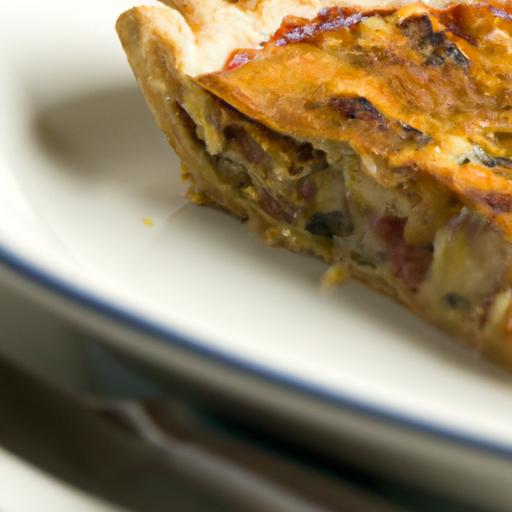
There’s nothing quite as disappointing as slicing into a lovingly baked quiche only to uncover a soggy, underwhelming bottom crust-like a little culinary betrayal hidden beneath a golden top. But why does this savory delight, with its promise of crisp, flaky pastry and luscious filling, sometimes fall flat in the texture department? Cracking the case of the soggy quiche bottom requires peeling back layers of pastry science, oven magic, and ingredient interplay. Join us as we whisk through the secrets of crust construction, the perils of watery fillings, and the savvy tips that will transform your quiche from limp to legendary. Your perfect slice is just a few steps-and a pinch of know-how-away.
Cracking the case: why your quiche has a soggy bottom starts with unlocking the secrets behind moisture control and the delicate balance of heat, ingredients, and technique. The quintessential French quiche, beloved for its buttery crust and luscious filling, can sometimes betray us with a soggy base that ruins its texture and enjoyment. This issue often catches even passionate home cooks off guard, but armed with a bit of science and culinary intuition, achieving a perfectly crisp, flaky quiche crust becomes effortless and rewarding.
Prep and Cook Time
- Preparation: 20 minutes
- Chill the dough: 30 minutes
- Baking: 40 minutes
- Total Time: Approximately 1 hour 30 minutes
Yield
Serves 6 generous slices
Difficulty Level
Medium – Perfect for home bakers ready to elevate their pastry skills
Ingredients
- 1 1/4 cups all-purpose flour, sifted
- 1/2 teaspoon fine sea salt
- 8 tablespoons cold unsalted butter, diced into small cubes
- 3-4 tablespoons ice-cold water
- 1 tablespoon cornstarch (optional, for extra moisture control)
- 1 cup grated Gruyère or Swiss cheese
- 3 large eggs
- 1 cup heavy cream or whole milk
- 1/2 teaspoon freshly ground black pepper
- Salt to taste
- 1/2 cup sautéed spinach or caramelized onions (optional filling)
Instructions
- Make the dough: In a large mixing bowl, combine all-purpose flour, salt, and cornstarch. Add the cold butter cubes. Using a pastry cutter or fingertips, quickly cut butter into the flour until the mixture resembles coarse crumbs with some pea-sized pieces.
- Add water: Gradually drizzle in ice-cold water, one tablespoon at a time, gently bringing the dough together. Avoid overworking to keep it tender. Form into a flat disk, wrap in plastic, and chill for at least 30 minutes.
- Preheat the oven: Set to 375°F (190°C), ensuring a well-calibrated oven for even heat distribution.
- Blind bake: Roll out chilled dough on a lightly floured surface to a 12-inch circle. Press it into a 9-inch tart pan with a removable bottom. Line with parchment paper, fill with pie weights or dried beans, and bake for 15 minutes. Remove weights and parchment, bake another 10 minutes until the crust edges turn golden.
- Prepare filling: Whisk together eggs, cream, salt, and pepper. Layer sautéed vegetables and grated cheese evenly on the pre-baked crust.
- Fill and bake: Pour the custard filling over the prepared crust. Bake for 25-30 minutes until the center is just set and the top is lightly golden. Avoid overbaking to prevent dry custard and humidity buildup.
- Cool properly: Allow the quiche to rest on a wire rack for 10 minutes before slicing. This rest period lets moisture redistribute and prevents sogginess on the bottom.
Tips for Success
- Use a metal tart pan: Its conductive properties promote even heat, essential for crisp bottoms.
- Blind baking is key: This pre-bake step creates a firm barrier, reducing moisture seepage from wet fillings.
- Keep ingredients cold: Cold butter and water create perfect steam pockets, fostering flaky layers in the crust.
- Consider a bread crumb layer: A sprinkling of fine breadcrumbs or grated hard cheese before filling acts as a moisture sponge.
- Opt for heavy cream: It contains less water than milk, limiting extra moisture.
- Don’t skip cooling: Slicing too soon can cause steam build-up and soggy crust.
Serving Suggestions
Serve your flawless quiche warm or at room temperature, accompanied by a crisp, peppery arugula salad drizzled with lemon vinaigrette. Garnish with fresh thyme sprigs or chives for a pop of color and herbal brightness. For brunch, pair with sliced heirloom tomatoes lightly dressed in balsamic glaze.
| Nutrient | Amount per Slice |
|---|---|
| Calories | 320 kcal |
| Protein | 12 g |
| Carbohydrates | 22 g |
| Fat | 20 g |

For expert insights on pastry science, explore the science of pastry crusts by Serious Eats to deepen your understanding. Also, discover related tips on how to make flaky pastry crust here on our blog.
Q&A
Q&A: Cracking the Case – Why Your Quiche Has a Soggy Bottom
Q1: Why does my quiche crust turn out soggy instead of crispy?
A1: A soggy bottom is often the result of excess moisture seeping into the pastry crust. This can happen when the filling is too wet, the crust isn’t pre-baked (blind baked), or moisture from ingredients like vegetables or dairy isn’t properly managed.
Q2: How can I prevent moisture from ruining my quiche crust?
A2: Start by blind baking your crust before adding the filling. This creates a dry, crisp shell. Also, make sure to drain any watery vegetables (think sautéing spinach or precooking mushrooms) and pat them dry. Using a layer of grated cheese, ground nuts, or even a brush of egg white on the crust can help create a moisture barrier.
Q3: Does the type of crust affect whether my quiche will be soggy?
A3: Absolutely! A thicker, sturdier pastry crust or one made with higher butter content tends to hold up better against wet fillings. Flaky pie crusts can sometimes absorb more liquid, so a tart or shortcrust pastry might be your best bet.
Q4: Could my oven settings be to blame?
A4: Yes! Baking at too low a temperature can cause the quiche filling to steam rather than bake, releasing extra moisture that softens the crust. A higher temperature at the start, followed by a moderate finish, helps set the crust quickly and lock in crispiness.
Q5: Is it okay to let my quiche rest after baking?
A5: Definitely. Allowing your quiche to cool slightly lets the filling set and the steam escape, preventing the crust from becoming soggy from trapped moisture.
Q6: What’s the simplest hack to avoid a soggy quiche bottom?
A6: The easiest fix is blind baking the crust and adding a protective layer like an egg wash or grated cheese before pouring in the filling. This double defense keeps moisture at bay and ensures every bite has that perfect crunch.
Q7: Can the filling ingredients themselves cause sogginess?
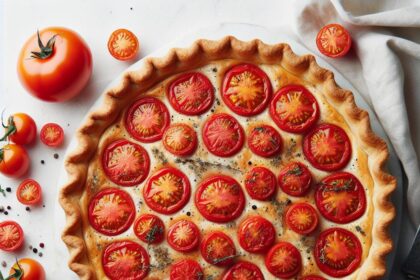
A7: Yes. High-water-content veggies (tomatoes, zucchini), watery cheeses, or too much cream can release moisture during baking. Precooking these ingredients or gently pressing out excess liquid helps keep the crust crisp and happy.
Bottom line: Soggy quiche crust isn’t a mystery-it’s a classic case of too much moisture. With some smart prep and careful baking, you can crack the case and enjoy quiche with perfectly crisp bottoms every time!
Insights and Conclusions
In the grand tapestry of baking, a soggy-bottomed quiche can feel like a delicious mystery gone awry. But fear not-armed with the right techniques and a little culinary intuition, you can reclaim the crisp, golden crust that your quiche deserves. Whether it’s mastering the blind bake, minding your moisture levels, or choosing the perfect pan, each step is a piece of the puzzle leading to savory success. So next time you slice into your creation, may the crust be firm, the flavors bold, and the soggy bottom nothing but a distant memory. Happy baking!