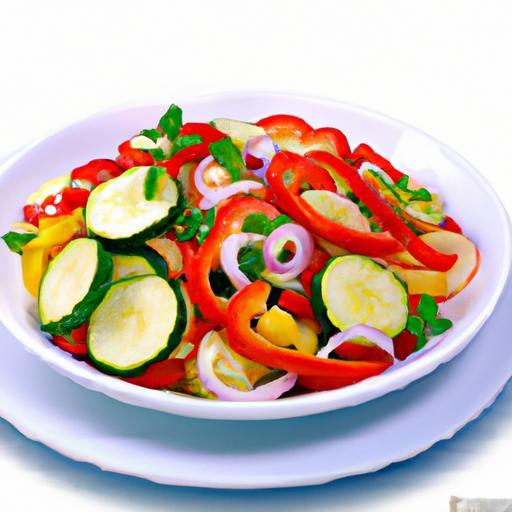

Lemon dill new potatoes lift a familiar side into a bright, herb-forward dish that suits weeknight service and restaurant plating alike. The combination of citrus, fresh dill, and gently cooked new potatoes creates a lively dressing that clings to waxy tubers for immediate flavor impact.
- Quick prep: Ready in about 40 minutes for consistent weeknight timing.
- Versatile pairing: Complements fish, poultry, and chilled salads with little fuss.
- Bright flavor: Lemon and dill enhance natural potato sweetness without heavy sauces.
Why lemon dill new potatoes work
New potatoes have a waxy texture and thin skin that hold shape during gentle cooking. This texture allows a lemon dill dressing to cling to surfaces rather than be absorbed and lost.
Citrus supplies acidity that cuts starchy richness while fresh herbs add volatile aromatics. For background on the core ingredients, review the botanical profiles for lemon, dill, and the starch crop potato.
Prep and cook time for lemon dill potatoes
Preparation: 15 minutes. Cooking: 25 minutes. Total: 40 minutes. These benchmarks assume medium new potatoes; adjust for size as needed.
Start with cold water and salt it well so the potatoes season internally. Gently simmer to avoid agitation that can break skins and produce gluey starch.
Yield and difficulty for lemon dill new potatoes
This recipe serves 4 as a hearty side and rates as Easy for most cooks. Minimal knife work and clear technique steps make it ideal for teams or home cooks refining timing.
Because the method emphasizes gentle boiling and a cold butter finish, it preserves texture and most water-soluble micronutrients in herbs and lemon. Use a consistent pan and heat source to ensure repeatable results.
Ingredients
Gather firm new potatoes, extra-virgin olive oil, freshly squeezed lemon juice, lemon zest, minced garlic, fresh dill, salt, pepper, and an optional knob of cold unsalted butter for sheen. Choose quality olive oil for mouthfeel and balanced flavor.
Below is a concise ingredient list used in pro kitchens for consistent yields and balance.
- 1.5 pounds fresh new potatoes, scrubbed and halved if large
- 3 tablespoons extra virgin olive oil
- 2 tablespoons freshly squeezed lemon juice (about 1 lemon)
- 1 teaspoon finely grated lemon zest
- 3 tablespoons fresh dill, chopped
- 2 cloves garlic, minced
- Salt and freshly ground black pepper to taste
- 1 tablespoon cold unsalted butter (optional for richness)
Instructions
Follow a clear sequence: cold water start, simmer until fork-tender, steam-dry, whisk the dressing, then toss while warm. Keep actions deliberate and measure when scaling the recipe.
Use a fork to test doneness; the potatoes should be tender without disintegrating. A small reserve of cooking water helps if you need to emulsify the dressing later.
Step-by-step
1. Boil the potatoes: Place new potatoes in a large pot of cold, salted water. Bring to a simmer and cook until just tender — about 15–20 minutes depending on size.
2. Drain and dry: Drain and return potatoes to the pot off the heat to steam dry for 1–2 minutes so excess moisture evaporates.
3. Prepare lemon-dill dressing: Whisk olive oil, lemon juice, lemon zest, and minced garlic with salt and pepper. Add a splash of reserved cooking water to help the dressing bind if needed.
4. Toss while warm: Gently toss warm potatoes with dressing so heat opens pores and absorbs flavor. Fold in chopped dill and a cold knob of butter to create a subtle emulsion and shine.
5. Adjust and serve: Taste and add more salt or lemon juice as needed. Serve immediately or allow to rest 10 minutes at room temperature for flavors to meld.
Technique notes
Start potatoes in cold water to ensure even cooking from center to edge. Rapid heating can overcook outer layers while leaving centers firm, which yields inconsistent texture.
Reserve a small splash of starchy cooking water when draining. A teaspoon or two helps bind oil and acid into a coherent dressing that clings to the potato surface.
Tips for success
Select small, firm new potatoes with smooth skins for best texture; slightly smaller tubers cook more uniformly. When halving, keep similarly sized pieces for even cook times.
Minced garlic releases strong aromatics; if you want subtler garlic, lightly crush a clove and steep it briefly in the dressing, then remove before tossing. Taste continuously and adjust seasoning in small increments.
For olive oil background and varietal impact on flavor, consult authoritative sources on olive oil. Use a fruity, balanced oil for optimal mouthfeel in lemon dill applications.
Substitutions and variations
If you cannot find dill, substitute flat-leaf parsley for a clean, herbal lift or tarragon for a subtle anise note. Adjust quantities to taste, since dried herbs are more concentrated.
For a Mediterranean twist, crumble feta and add toasted pine nuts. Alternatively, toss cooled potatoes into a summer salad with cucumber and radish ribbons to turn lemon dill potatoes into a composed salad.
Creative serving suggestions
Serve lemon dill new potatoes beside grilled salmon or roasted chicken for a cohesive citrus-herb plate. They pair well with crisp whites that echo lime and lemon notes.
For a composed plate, add a green element like blanched asparagus or lightly dressed arugula, and finish with a scattering of fresh dill and a swipe of lemon oil for visual and flavor contrast.
Nutrition details
New potatoes provide complex carbohydrates and modest protein, while the simple dressing keeps fat moderate. Measured olive oil and an optional tablespoon of butter deliver controlled fat that enhances flavor and emulsion.
Because preparation is light, the dish retains micronutrients from fresh dill and lemon zest. The table below lists approximate per-serving values typical for a 1.5-pound batch served four ways.
| Nutrient | Per Serving |
|---|---|
| Calories | 180 kcal |
| Protein | 3 g |
| Carbohydrates | 32 g |
| Fat | 6 g |
FAQ
What makes new potatoes ideal for lemon dill recipes?
New potatoes have a waxy, low-starch interior and thin skin that hold shape during gentle cooking. They accept acid and oil without collapsing, making them ideal for warm or chilled lemon dill preparations.
Can I use dried dill instead of fresh?
Fresh dill offers volatile aromatics and brightness that dried forms cannot fully replace. If using dried dill, reduce the quantity and add it earlier so it rehydrates in the dressing.
Is this dish suitable for meal prep?
Yes. Refrigerate dressed potatoes for 2–3 days, but for best texture, reserve some dressing and refresh before serving. Reheat gently to preserve texture and emulsified gloss.
How can I adjust acidity without lemon?
Substitute a mild vinegar, such as white wine or champagne vinegar, using about half the quantity then adjusting to taste. Add zest-equivalent aromatic lift with lemon oil or grated citrus zest alternatives if needed.
What is the best reheating method to retain texture?
Warm gently in a skillet over medium-low heat with a teaspoon of oil or butter to restore sheen. Alternatively, heat briefly in a 300°F oven until just warm to avoid drying.
These structured steps and measured techniques help you deliver consistent lemon dill new potatoes every service. Keep seasoning incremental, monitor doneness closely, and use a small reserve of starchy water to perfect the dressing’s cling and mouthfeel.

The technique focuses on controlled cooking, aromatic dressing, and a finishing fat to create a balanced, restaurant-level side. Test small tweaks like herb swaps and acid levels to match your menu profile.

See also: Use lemon dill as a base for mixed warm salads, or pair with grilled proteins to extend menu versatility.
See also: lemon dill