
There’s a certain wild charm to arugula-those vibrant, jagged leaves that pack a peppery punch, awakening the palate with every bite. Often relegated to salads or as a simple garnish, arugula, or rocket greens as they are called across the pond, hold a world of culinary potential waiting to be explored. Mastering arugula means embracing its bold, tangy spirit and learning to cook with it in ways that amplify its unique flavor while adding exciting texture and depth to your dishes. Whether you’re sautéing, roasting, blending, or baking, this article will guide you through creative and surprising techniques to transform humble arugula into the star ingredient on your plate. Ready to turn that peppery green into a kitchen muse? Let’s dive in.
Harvesting Flavor Maximizing Peppery Notes with Smart Pairings
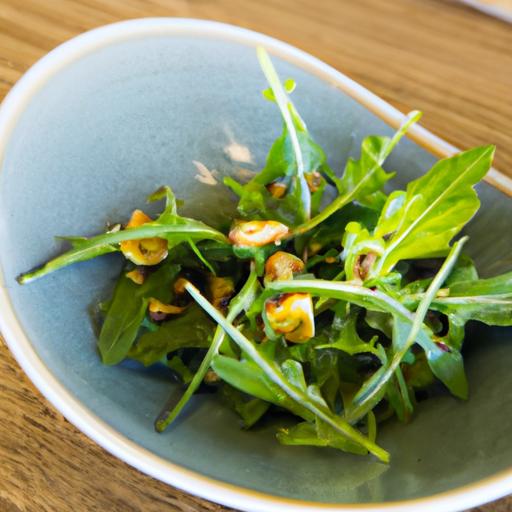
Mastering arugula’s distinctive peppery zing unlocks a vibrant culinary world, inviting pairing with ingredients that amplify its bold personality. This fresh, peppery green finds its best allies in the nutty warmth of toasted walnuts, the creamy ease of goat cheese, and the bright acidity of lemon juice. Balancing these flavors awakens each bite with layers of complexity, making every dish a celebration of arugula’s unique character.
Start with young, tender leaves, harvested early in their growth to maximize the peppery punch without overwhelming bitterness. Combine arugula with ripe, sweet fruits like figs or pears for contrast, or introduce spice with cracked black pepper or chili flakes to echo its natural heat. This approach crafts dishes as nuanced as they are simple, letting the greens shine at center stage.
Transforming Texture Unlocking Arugula’s Versatility in Cooking
Raw arugula offers a crisp snap and a fresh burst, perfect for salads and wraps. But cooking transforms this leafy jewel, softening its texture and mellowing sharp notes. Sautéing arugula quickly with garlic and olive oil creates a silky side that pairs beautifully with grains or proteins. Alternatively, folding it into warm pasta or blending it into pesto turns its signature bite into a creamy yet vibrant anchor for meals.
To retain texture and flavor, add arugula near the end of cooking or use it as a garnish for a peppery finish. For a surprising twist, try blanching arugula briefly to soften and reduce bitterness, then chill it for salads with a velvety mouthfeel. This versatile green transforms any plate-raw or cooked-with texture and taste that excite.
Innovative Recipes Elevating Everyday Dishes with Rocket Greens
Elevating everyday meals is effortless when integrating the peppery punch of rocket greens. Imagine a bright Arugula Walnut Pesto that replaces basil with rocket, crowned over warm roasted vegetables or grilled chicken. Or a quick Spicy Arugula and Goat Cheese Flatbread layered lightly with caramelized onions and a drizzle of honey to balance the heat.
Try infusing creamy scrambled eggs with chopped arugula for a verdant burst, or toss arugula into lentil and quinoa bowls as a fresh counterpoint to hearty grains. Each recipe honors the fresh bite of arugula while layering in complementary textures and flavors for meals that feel both simple and inspired. Experiment boldly to discover your personal favorite way to weave this green into daily cooking.
Preservation Techniques Keeping Arugula Fresh and Potent Longer
Preserving the fresh vibrancy and peppery intensity of arugula requires mindful handling and storage. Always start by selecting bright, unblemished leaves without wilting or discoloration. Store arugula loosely wrapped in a paper towel within a breathable container or produce bag in the fridge’s crisper drawer. This absorbs moisture and extends freshness for up to 5 days.
For longer shelf life, consider blanching and freezing arugula in ice cubes of olive oil or pesto. This method preserves flavor and allows easy portioning for cooking. Avoid washing arugula until just before use to prevent premature spoilage. By mastering these preservation techniques, the flavor-packed power of arugula remains ready to elevate dishes whenever inspiration strikes.
Roasted Beet and Arugula Salad with Toasted Walnuts and Goat Cheese
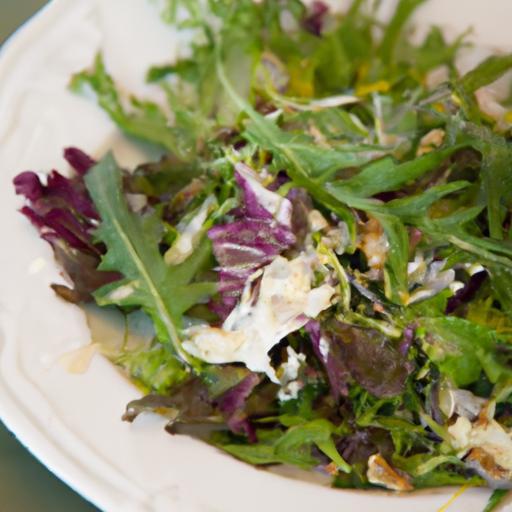
Mastering arugula: creative ways to cook peppery rocket greens begin with this vibrant salad that celebrates contrasting textures and deep flavors. Earthy roasted beets add natural sweetness, while toasted walnuts bring crunch, and tangy goat cheese lends a creamy balance to the fresh, peppery arugula leaves. Finished with a simple citrus vinaigrette, this dish exemplifies how smart pairings bring arugula’s dynamic character to life.
Prep and Cook Time:
Prep: 15 minutes | Cook: 45 minutes | Total: 1 hour
Yield:
Serves 4
Difficulty Level:
Medium
Ingredients:
- 4 medium beets, scrubbed and roasted
- 4 cups fresh arugula, washed and dried
- 1/2 cup walnuts, toasted and chopped
- 1/2 cup goat cheese, crumbled
- 3 tablespoons extra virgin olive oil
- 2 tablespoons fresh lemon juice
- 1 teaspoon honey
- Salt and freshly ground black pepper to taste
Instructions:
- Roast the beets: Preheat oven to 400°F (200°C). Wrap each beet in foil and roast on a baking sheet for 40-45 minutes until tender. Let cool, then peel and cut into bite-sized wedges.
- Toast walnuts: Heat a dry skillet over medium heat. Add walnuts and toast for 3-4 minutes, shaking the pan often until fragrant and lightly browned. Set aside to cool.
- Prepare dressing: In a small bowl, whisk together olive oil, lemon juice, honey, salt, and pepper until emulsified.
- Assemble salad: In a large bowl, combine arugula and warm roasted beets. Pour dressing over and toss gently-warm beets help release delightful aromas.
- Finish and serve: Scatter toasted walnuts and crumble goat cheese on top. Garnish with extra lemon zest or cracked black pepper for added brightness and heat.
Chef’s Notes:
- Variation: Substitute goat cheese with feta or shaved Parmesan for different flavor profiles.
- Make ahead: Beets and walnuts can be prepared a day in advance and stored separately.
- Tip: Use young, tender arugula leaves for a milder taste; mature leaves will have a stronger peppery bite.
- Storage: Toss salad just before serving to keep arugula crisp and fresh.
Serving Suggestions:
Serve this salad as a stunning starter or a vibrant side alongside grilled meats or roasted thighs. Pair with a chilled glass of Sauvignon Blanc to accentuate the citrus and peppery notes. Garnish with edible flowers or thinly sliced radishes for added crunch and color contrast.

| Nutrient | Per Serving |
|---|---|
| Calories | 210 kcal |
| Protein | 5 g |
| Carbohydrates | 18 g |
| Fat | 14 g |
For more ways to master arugula in your kitchen, check out our Arugula Pesto Recipes. Explore detailed nutrition tips from The Academy of Nutrition and Dietetics for comprehensive insights into leafy greens and health.
Q&A
Q&A: Mastering Arugula – Creative Ways to Cook Peppery Rocket Greens
Q1: What makes arugula a unique green to cook with?
A1: Arugula, often called rocket, delights with its signature peppery bite and slightly nutty undertones. Unlike milder greens, its bold flavor adds an instant zing to any dish. This zestiness not only perks up salads but also holds up beautifully under heat, making it an exciting ingredient to explore beyond raw preparations.
Q2: Can arugula be cooked without losing its vibrant flavor?
A2: Absolutely! While arugula is famously used fresh, gentle cooking methods enhance its complexity rather than dull it. Sautéing, wilting into pasta, or folding it into warm sauces tend to mellow the peppery sharpness into a rich, earthy depth. The key is quick, high-heat cooking to preserve both its flavor and bright green color.
Q3: What are some creative ways to use cooked arugula?
A3: Think beyond salads and try these inspired ideas:
- Toss wilted arugula with lemon-garlic spaghetti and toasted pine nuts for a peppery pasta twist.
- Blend cooked arugula into creamy risotto or polenta for a subtle, spicy edge.
- Incorporate sautéed arugula into frittatas, omelets, or savory pancakes for an unexpected burst of flavor.
- Stir it into soups and stews near the end of cooking to infuse a fresh, green kick.
Q4: How does cooking arugula affect its nutritional benefits?
A4: Arugula is a powerhouse of vitamins A, C, and K, along with antioxidants. Light cooking slightly reduces vitamin C content but enhances the bioavailability of other nutrients like beta-carotene and certain antioxidants. This means that warm arugula can be just as nutritious, if not more, in some respects than when eaten raw.
Q5: Can arugula be used in unconventional dishes when cooked?
A5: Yes! Its boldness lends itself well to creative culinary experiments. Try adding sautéed arugula to homemade pesto for a peppery spark, or use it as a vibrant topping on pizza in place of basil. Even sandwiches and wraps get a makeover when warmed arugula is layered with creamy cheeses and roasted veggies.
Q6: Any tips for cooking arugula perfectly?
A6: Keep it quick to maintain texture and flavor-think 1 to 2 minutes in a hot pan with olive oil and garlic. Avoid overcooking to prevent bitterness and sogginess. Pair arugula with complementary flavors like citrus, nuts, cheese, and garlic to highlight its peppery personality.
Embrace arugula in all its fiery glory by daring to cook it! With these tips and ideas, your kitchen will be bursting with vibrant, peppery creativity.
In Conclusion
As you embark on your culinary journey with peppery arugula, remember that this vibrant green is more than just a salad sidekick-it’s a versatile ingredient ready to elevate every dish it touches. From sizzling pastas to zesty pestos, or vibrant soups to refreshing desserts, mastering arugula unlocks a world of bold flavors and surprising textures. So next time you crave something fresh with a bite, let arugula be your muse, inspiring creativity and a peppery punch in every meal. Embrace the green, savor the spice, and above all, enjoy the delicious adventure of cooking with nature’s rocket.