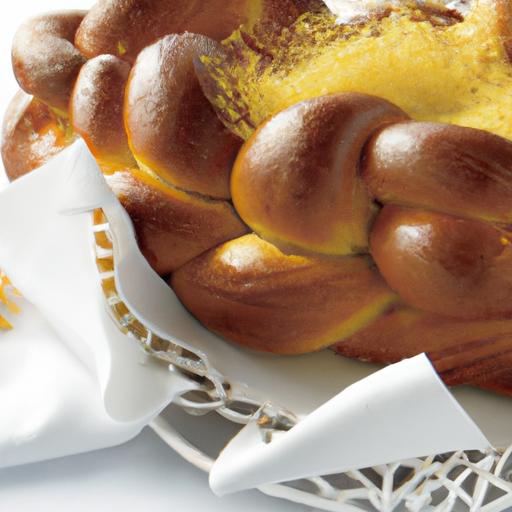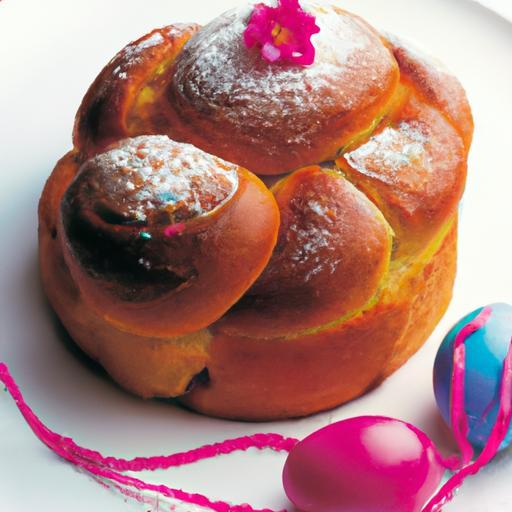

Each spring, as the air grows warmer and olive trees begin to bloom, kitchens across Greece come alive with the comforting aroma of a beloved and timeless tradition: tsoureki. This sweet, braided bread is far more than just a festive treat-it is a symbol steeped in history, culture, and faith, lovingly passed down through generations to mark the celebration of Easter. Crafted with fragrant orange zest, aromatic spices, and tender strands of dough twisted into elegant braids, tsoureki embodies both the spirit of renewal and the deep-rooted customs that unite families around the table. Join us as we unravel the rich story behind tsoureki, exploring its origins, ingredients, and significance in Greek Easter celebrations-a tradition as irresistibly sweet as the bread itself.
Tsoureki has long been a sweet emblem of Greek Easter, embodying centuries of rich tradition and symbolic meaning that connect families through joyous spring celebrations. This braided bread, softly scented with mastic and mahleb, carries a story from ancient rituals to Orthodox Easter tables, where its deep red-dyed eggs represent resurrection and new life. As you embark on baking authentic Tsoureki, you’re stepping into a ritual tied to renewal, hope, and the warmth of Greek hospitality.
Prep and Cook Time
- Prep Time: 30 minutes (plus 2 hours rising)
- Cook Time: 30-35 minutes
Yield
- 1 large loaf or 2 medium loaves (serves 8-10)
Difficulty Level
- Medium: Requires attention to dough consistency and braiding technique
Essential Ingredients for Authentic Tsoureki Dough
- 4 cups (520g) all-purpose flour, sifted and leveled
- 1/2 cup (100g) granulated sugar
- 1 teaspoon salt
- 2 teaspoons dried mahleb (ground cherry seed spice)
- 1 teaspoon ground mastic (crushed; a resin with pine-like aroma)
- 1 tablespoon active dry yeast
- 1 cup (240ml) warm whole milk (about 110°F/43°C)
- 3 large eggs (room temperature, plus 1 reserved for egg wash)
- 1/2 cup (115g) unsalted butter, melted and cooled
- Optional: red-dyed hard-boiled eggs for tradition
Mastering the Art of Braiding and Decorating Tsoureki
- Activate the yeast: In a small bowl, combine warm milk, yeast, and a pinch of sugar. Stir gently and let it foam for 5-10 minutes until frothy to ensure yeast is alive.
- Mix dry ingredients: In a large mixing bowl, whisk together sifted flour, sugar, salt, mahleb, and mastic until evenly combined.
- Combine wet and dry: Make a well in the flour mixture and pour in the yeast mixture, melted butter, and 2 whole eggs. Using your hands or a dough hook attachment, incorporate until a sticky dough forms.
- Knead the dough: Turn dough onto a floured surface and knead for about 10 minutes until smooth and elastic, adding flour sparingly to keep it slightly tacky but workable.
- First rise: Place dough in a greased bowl, cover with a clean towel, and let it rise in a warm environment for 1 1/2 to 2 hours until doubled in size.
- Shape the dough: Punch down risen dough gently to release air. Divide into three equal parts. Roll each into long ropes about 18 inches.
- Braid the loaf: Pinch the three strands together at one end. Braid by crossing the right strand over the center, then the left over the new center, continuing to the end. Pinch and tuck the ends underneath.
- Second rise: Place braided loaf onto a baking sheet lined with parchment paper. Cover with a towel and let rise for 30-45 minutes until puffy.
- Decorate: Beat the reserved egg with a splash of water for egg wash. Brush evenly over the loaf for a glossy, golden finish. Tuck red-dyed eggs gently into the braid if desired.
- Bake: Preheat oven to 350°F (175°C). Bake the bread for 30-35 minutes until deep golden brown and hollow-sounding when tapped at the bottom.
- Cool: Remove from oven and cool completely on a wire rack before slicing to preserve crumb texture.
Tips for Success and Storing Your Tsoureki
- Spices: Freshly ground mahleb and mastic make all the difference. Purchase from specialty stores or online for authentic aroma.
- Dough texture: Slightly sticky dough yields soft bread; avoid adding excess flour during kneading to keep crumb tender.
- Braiding tips: Keep strands evenly thick and relaxed for a uniform braid that bakes evenly without shrinking.
- Make ahead: Tsoureki improves in flavor when rested overnight wrapped tightly in plastic wrap at room temperature.
- Storage: Store bread at room temperature in an airtight container for up to 3 days. Freeze sliced bread wrapped well to keep it fresh for up to 1 month.
Serving Suggestions
Tsoureki is delightful sliced thick to showcase its tender, slightly sweet crumb balanced by the fragrant spices. Serve warm with a pat of unsalted butter or alongside Greek yogurt drizzled with honey for a traditional breakfast. For festive flair, garnish plates with fresh spring herbs like rosemary or thyme and scatter edible flowers to echo the season’s renewal. Pair with a delicate cup of Greek coffee or herbal tea to fully embrace the Easter spirit.
| Nutrient | Per Slice (1/12 loaf) |
|---|---|
| Calories | 210 |
| Protein | 6g |
| Carbohydrates | 32g |
| Fat | 6g |
For additional inspiration, explore our guide on Greek Baking Techniques or learn more about the history of Greek Easter traditions through authoritative sources like Britannica’s Easter overview.

Q&A
Q&A: Tsoureki – The Sweet Tradition Behind Greek Easter Bread
Q1: What is Tsoureki?
A1: Tsoureki is a fluffy, aromatic sweet bread that holds a cherished place on Greek Easter tables. With its tender crumb, golden crust, and subtle hints of orange, mahleb, and mastic, it’s more than just bread-it’s a symbol of celebration, renewal, and family tradition.
Q2: Why is Tsoureki associated specifically with Easter?
A2: Tsoureki’s association with Easter stems from its ingredients and symbolic adornments. This bread is traditionally prepared during Holy Week to celebrate the resurrection of Christ, embodying themes of rebirth and bringing loved ones together. The braided dough represents the Holy Trinity, and the red-dyed eggs nestled within symbolize Christ’s blood and the promise of new life.
Q3: What makes Tsoureki different from other sweet breads?
A3: Unlike many sweet breads, Tsoureki is uniquely infused with mahleb-a spice made from the seeds of the St Lucie cherry-which gives it a distinctive, warm aroma. Additionally, mastic resin lends a subtle pine-like flavor, making the bread fragrant and earthy. Its rich yet light texture comes from a careful balance of butter, sugar, and eggs, making every slice a perfect blend of soft and sweet.
Q4: How is Tsoureki traditionally prepared and served?
A4: The preparation of Tsoureki is a labor of love. The dough is kneaded with aromatic flavors, left to rise, braided into intricate patterns, and often adorned with red-dyed eggs before baking. Once golden and fragrant, it’s typically sliced and enjoyed alongside coffee or wine. In many households, sharing Tsoureki is a ritual-the breaking of bread symbolizing unity and joy.
Q5: Are there regional variations of Tsoureki in Greece?
A5: Absolutely! While the core ingredients remain similar, some regions add unique touches. For instance, in northern Greece, Tsoureki might be shaped into round wreaths to represent eternity, while island communities might incorporate local citrus zest or use different egg-dyeing techniques. Each variation carries the heartbeat of its locale while feeding the soul of the tradition.
Q6: Can Tsoureki be enjoyed beyond Easter?
A6: Definitely! Though steeped in Easter symbolism, Tsoureki’s delightful flavor and texture make it a year-round treat. Many Greeks and enthusiasts worldwide enjoy it with tea or as a base for decadent French toast, savoring a slice of tradition any time of the year.
Q7: How can someone outside Greece experience the joy of Tsoureki?
A7: For those eager to embrace this sweet tradition, many bakeries around the world with Greek or Mediterranean influence offer Tsoureki during the Easter season. Alternatively, home bakers can find authentic recipes online and enjoy the fulfilling process of kneading, braiding, and baking their own Tsoureki-bringing a piece of Greek heritage right into their kitchens.
Q8: What does Tsoureki represent culturally?
A8: Beyond its ingredients and flavor, Tsoureki is a living story of resilience, faith, and familial love. It’s a culinary emblem that connects generations, carrying forward rituals, prayers, and hopes. Each bite is a celebration of heritage-a sweet reminder of spring’s promise and the enduring spirit of community.
Key Takeaways
As the warm aroma of tsoureki wafts through Greek kitchens each spring, it carries with it more than just the promise of sweetness-it carries centuries of history, faith, and family woven into every tender, braided loaf. Whether enjoyed fresh from the oven, shared alongside a cup of strong coffee, or gifted as a symbol of renewal and hope, tsoureki remains a delicious thread connecting generations past and present. In celebrating this beloved bread, we not only savor a divine taste but also honor a vibrant tradition that rises as surely as the dough, year after year, around the Easter table.