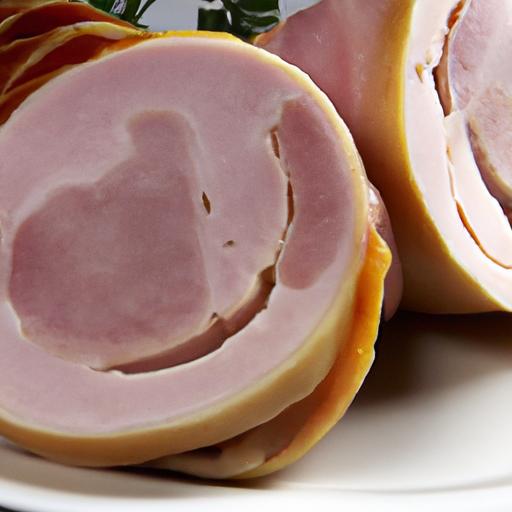

As Easter approaches, the centerpiece of many festive tables is a succulent ham, its aroma filling homes with warmth and anticipation. But when it comes to choosing the perfect ham to grace your holiday feast, a culinary showdown often arises: spiral-sliced or bone-in? Each brings its own unique flair to the table-spiral hams with their convenience and tender slices, bone-in hams with their rich, savory depth and traditional charm. Join us as we unravel the sizzling debate, exploring the flavors, textures, and cooking nuances that set these two contenders apart. By the end, you’ll know exactly which ham will make your Easter celebration truly unforgettable.
Spiral vs Bone-In Ham choices bring a beautiful harmony of tradition and convenience to your Easter table, each with its own flavor narratives and texture tales. Whether you lean towards the convenience and even seasoning of a spiral ham, or the rustic, richly flavored appeal of a bone-in ham, understanding their distinctive cooking techniques and presentation styles can transform your holiday centerpiece into a culinary masterpiece.
Prep and Cook Time
- Spiral Ham: 30 minutes prep, 1 to 1.5 hours cooking (depending on weight)
- Bone-In Ham: 45 minutes prep, 1.5 to 2 hours cooking (depending on weight)
Yield
- Serves 10-12 guests comfortably
Difficulty Level
- Medium – Requires attention to heat and glaze application but perfect for home cooks eager to impress
Ingredients
- One spiral ham, fully cooked, approx. 8 lbs
- One bone-in ham, fully cooked, approx. 8 lbs
- Glaze Base: 1 cup brown sugar, packed
- ½ cup honey
- ½ cup Dijon mustard
- ¼ cup apple cider vinegar
- 2 tbsp whole cloves
- 1 tsp ground cinnamon
- Fresh rosemary and thyme sprigs for garnish
- Optional: pineapple rings and maraschino cherries for decoration
- Olive oil or unsalted butter for coating
Instructions
- Prepare the hams: Remove packaging and pat dry with paper towels. For the bone-in ham, score the fat in a diamond pattern about 1/4 inch deep to help the glaze penetrate.
- Apply glaze base: In a small saucepan over medium heat, combine brown sugar, honey, Dijon mustard, apple cider vinegar, cloves, and cinnamon. Stir frequently until the sugar dissolves and glaze thickens slightly, about 5-7 minutes. Remove from heat.
- Preheat the oven: Set to 325°F (165°C).
- Coat ham: Lightly brush the spiral ham with olive oil or butter. Place it cut side down on a roasting pan. For bone-in, coat thoroughly and place on a rack inside the roasting pan.
- Roast the hams: For spiral ham, tent with foil and roast for 10 minutes per pound. Bone-in ham requires 15 minutes per pound, tented as well. Baste every 20 minutes during the last hour with the prepared glaze.
- Add decorative touches: For bone-in ham, stud cloves into the scored fat before roasting. Optionally, place pineapple rings and cherries on top during the last 15 minutes and secure with toothpicks, then glaze once more.
- Rest the ham: Remove from oven and let rest tented with foil for 15 minutes to redistribute juices.
- Slice and serve: Spiral ham is pre-sliced, so simply plate warm slices. Bone-in ham can be thinly sliced against the grain for the best texture and flavor release.
Tips for Success
- Glaze application: Apply glaze in thin, even layers to avoid burning sugar. Use a brush and save some glaze for final glazing just before serving.
- Flavor variation: Substitute apple cider vinegar with bourbon or orange juice for a unique sweetness and depth.
- Make-ahead: Both hams can be glazed and prepped a day ahead and reheated slowly in a low oven at 275°F (135°C), covered in foil, then glazed again before serving.
- Texture differences: Spiral ham’s uniform slicing ensures each bite is tender and juicy, while bone-in ham offers varied textures from the closer-to-bone meat giving a firmer bite with extra flavor.
Serving Suggestions
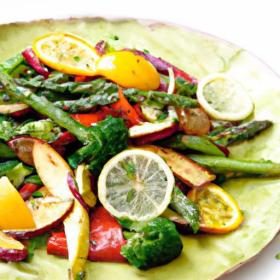
Plate your ham alongside spring-inspired sides like roasted asparagus with lemon zest, creamy garlic mashed potatoes, or sweet potato gratin to balance the savory richness. Garnish with fresh rosemary sprigs, thyme, and a few wedges of citrus for a burst of color and fragrance. For an elegant display, consider placing pineapple rings adorned with maraschino cherries atop the bone-in ham before slicing.
| Nutrient | Spiral Ham (per serving) | Bone-In Ham (per serving) |
|---|---|---|
| Calories | 280 | 320 |
| Protein | 22g | 24g |
| Carbohydrates | 8g | 6g |
| Fat | 15g | 20g |
For a deeper dive into ham selection and preserving optimal flavor and texture, check out our detailed Perfect Easter Protein Selection Guide. Additionally, explore more about the art of glazes and curing at the FDA’s safe food handling resources.

Q&A
Q&A: Spiral vs Bone-In Ham – Which Sizzles on Your Easter Table?
Q1: What are the main differences between spiral ham and bone-in ham?
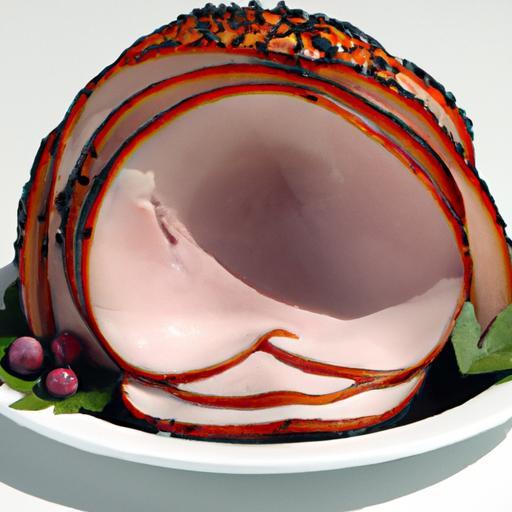
A: Spiral ham is pre-sliced into continuous rings around the bone, making it super easy to carve and serve. Bone-in ham, on the other hand, stays in one big, meaty chunk with the bone inside, often requiring a bit more effort to slice but offering a traditional, hearty presentation.
Q2: Which ham is easier to serve at a large Easter gathering?
A: Spiral ham wins here! Its ready-to-serve slices allow guests to help themselves without the host having to wield a carving knife, saving time and fuss during the holiday hustle.
Q3: How do the flavors compare between the two hams?
A: Bone-in ham tends to boast a richer, more complex flavor since the bone imparts extra moisture and depth during cooking. Spiral ham is generally sweeter and often pre-glazed, appealing to those who love a sugary, caramelized crust.
Q4: What about cooking methods-do they differ?
A: Spiral hams usually arrive fully cooked and only need reheating, making them a convenient last-minute choice. Bone-in hams may require a longer roasting time if sold raw or partially cooked, allowing you to infuse your own seasoning and glaze.
Q5: Which ham offers better value for money?
A: Spiral ham is often priced a bit higher due to the slicing convenience and pre-glazing. Bone-in ham tends to be more budget-friendly, especially if you enjoy customizing your flavors with homemade glazes.
Q6: Can both types be reused for sandwiches and leftovers?
A: Absolutely! Spiral ham’s pre-sliced pieces make sandwich-making a breeze, but bone-in ham leftovers can be easily sliced and used in soups, casseroles, or omelets, bringing that deep, smoky flavor along.
Q7: Ultimately, which ham should grace your Easter table?
A: If you crave ease, quick serving, and a sweet glaze, spiral ham is your go-to. But if tradition, rich flavors, and a hands-on cooking experience excite you, bone-in ham will be your Easter centerpiece. Either way, both hams promise to make your holiday feast sizzle with flavor!
Final Thoughts
As the aroma of Easter feasts begins to fill the air, the timeless question of spiral versus bone-in ham takes center stage. Whether you crave the convenient sweetness of spiral-cut slices or the rich, traditional allure of a bone-in ham, both bring their own special sizzle to your holiday table. Ultimately, the best choice is the one that suits your family’s tastes and rituals, ensuring that every bite is a celebration of togetherness and flavor. So, as you carve into this seasonal centerpiece, may your Easter meal be as memorable and delightful as the ham that stars in it.