
In every home, the kitchen is more than just a space for cooking-it’s the heart of comfort, creativity, and tradition. Among the many phrases that fill our culinary lexicon, the term “Kitchen Favorite” holds a special, almost sacred place. But what does this beloved expression truly mean to us beyond the simplicity of a go-to recipe? It’s a phrase steeped in stories, memories, and flavors that transcend time and taste buds. In this article, we’ll explore the deeper significance of “Kitchen Favorite,” uncovering how it shapes our cooking rituals, connects generations, and transforms ordinary meals into cherished experiences. Join us as we savor the essence behind the words and celebrate the magic that makes a dish a kitchen favorite.
Kitchen favorite recipes transcend mere nourishment; they embody tradition, comfort, and the stories woven through generations. These beloved dishes often hold a special place at our tables and in our hearts, inviting us back to moments of joy, family gatherings, and cultural heritage. Understanding what truly makes a kitchen favorite unlocks a world of flavors, techniques, and inspiration that empowers you to create your own timeless culinary treasures at home.
Prep and Cook Time
Prep: 20 minutes | Cook: 40 minutes | Total: 1 hour
Yield
Serves 6 people generously
Difficulty Level
Medium – approachable for adventurous home cooks
Ingredients
- 2 tablespoons olive oil, extra virgin preferred
- 1 large onion, finely chopped
- 3 cloves garlic, minced
- 1 pound (450 g) boneless chicken thighs, cut into bite-sized pieces
- 1 cup chicken broth, low sodium
- 1 cup canned diced tomatoes, with juices
- 1 teaspoon smoked paprika
- 1 teaspoon dried oregano
- 1/2 teaspoon freshly ground black pepper
- Salt to taste
- 1 cup jasmine rice, rinsed well
- 1 cup frozen peas, thawed
- Fresh parsley, chopped for garnish
- Juice of 1 lemon
Instructions
- Heat the olive oil in a large skillet over medium heat. Add the finely chopped onion and sauté until translucent and fragrant, about 5 minutes. Stir occasionally to avoid browning.
- Add the minced garlic and cook for another 1-2 minutes, ensuring it doesn’t burn, which would add bitterness.
- Introduce the chicken pieces to the skillet, cooking until lightly golden but not fully done, approximately 6-7 minutes. This step locks in moisture and flavor.
- Sprinkle in the smoked paprika, dried oregano, black pepper, and salt, stirring to coat the chicken evenly with spices.
- Pour in the chicken broth and canned tomatoes, bring to a gentle boil, then reduce heat to simmer. Cover and cook for 20 minutes, allowing the flavors to marry beautifully.
- While the sauce simmers, prepare the jasmine rice. Rinse it thoroughly under cold water until water runs clear, then cook according to package instructions.
- Once the sauce has thickened slightly, stir in the thawed peas and cook uncovered for an additional 5 minutes. This ensures vibrant color and sweetness.
- Remove the skillet from heat and gently fold in the lemon juice for a fresh, bright note that elevates the dish’s depth.
- To serve, spoon rice onto plates and top with the savory chicken mixture. Garnish liberally with fresh parsley for color and a herbaceous punch.
Chef’s Notes
- Variations: Swap chicken for tender pork or firm tofu to cater to dietary preferences without sacrificing heartiness.
- Substitutions: Use quinoa or cauliflower rice for a gluten-free or lower-carb option.
- Make-ahead tips: The dish can be prepared a day in advance; flavors deepen overnight and a quick reheat brings back the warmth.
- Common pitfalls: Overcooking the chicken will dry it out; remove it from heat as soon as it’s tender and juicy.
- Spice boost: Add a pinch of cayenne or diced fresh chili for a subtle kick without overpowering the comforting balance.
Serving Suggestions
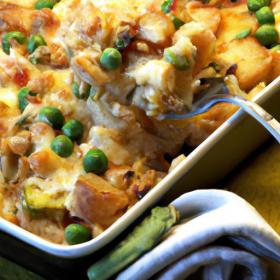
Serve this hearty kitchen favorite alongside a crisp green salad dressed with lemon vinaigrette or a crunchy slaw to balance richness. Crusty artisan bread works exceptionally well for sopping up the savory juices. For a festive touch, sprinkle toasted pine nuts or a crumble of feta cheese over the top. Pair with a chilled glass of dry white wine or a sparkling mint-infused water for a complete sensory delight.

Nutritional Information (per serving)
| Calories | Protein | Carbohydrates | Fat |
|---|---|---|---|
| 420 kcal | 35 g | 40 g | 12 g |
For more comforting recipes that celebrate tradition, explore our collection of traditional comfort foods. To delve deeper into how food intertwines with culture, visit the National Geographic’s Food and Culture section for fascinating insights.
Q&A
Q&A: “Kitchen Favorite”: What This Beloved Term Truly Means to Us
Q1: What exactly does the term “Kitchen Favorite” mean?
A1: At its heart, “Kitchen Favorite” is more than just a recipe or a dish-it’s a culinary heirloom. It’s that special something your family turns to time and again, the dish that carries comfort, nostalgia, and a splash of love from one generation to the next. It’s a beacon on your kitchen table that says, “This is home.”
Q2: Why do people develop “Kitchen Favorites”?
A2: Humans crave connection, consistency, and celebration. A “Kitchen Favorite” binds us to memories-birthday dinners, holiday feasts, lazy Sunday brunches. It’s food that tells stories, evokes emotions, and anchors a sense of belonging. Over time, these recipes become personal rituals, comforting constants amid life’s unpredictable tides.
Q3: Can a “Kitchen Favorite” change over time?
A3: Absolutely! While some dishes remain sacred in their original form, others evolve as tastes, ingredients, and lifestyles shift. Maybe Grandma’s stew recipe gets a modern twist with fresh herbs, or Dad’s famous pasta sauce adapts to seasonal vegetables. Each iteration adds layers to the story, making the “Kitchen Favorite” a living tradition rather than a static relic.
Q4: Does every household have a “Kitchen Favorite”?
A4: In one form or another, yes. Even if it’s as simple as the perfect grilled cheese or a signature salad, most families have that go-to dish that surfaces whenever comfort or celebration is in order. It’s the dish that guests ask for, that young cooks learn first, and that somehow always smells like love.
Q5: How can cooking your “Kitchen Favorites” impact your well-being?
A5: Cooking cherished dishes feeds more than hunger-it nurtures the soul. The familiar rhythms of preparing a “Kitchen Favorite” can reduce stress, evoke happy memories, and foster mindfulness. Sharing these foods strengthens bonds and creates new memories, offering emotional nourishment as profound as the physical.
Q6: What advice would you give to someone wanting to discover their own “Kitchen Favorite”?
A6: Experiment with the dishes that warm your heart or spark a fond memory. Don’t be afraid to blend family traditions with your own twists. Pay attention to flavor, texture, and the joy you feel in preparation and sharing. Over time, recipes that consistently bring you comfort and smiles will naturally crown themselves your personal “Kitchen Favorites.”
Q7: How does the concept of “Kitchen Favorite” connect us culturally?
A7: “Kitchen Favorites” are culinary passports linking us to heritage, each other, and the wider human experience. Through these dishes, we taste stories of ancestral lands, immigrant journeys, and cultural celebrations. They remind us that food is a universal language-one that speaks of love, identity, and community.
To Conclude
As we close the chapter on exploring what “Kitchen Favorite” truly means, we come to realize it is far more than a simple title. It is a heartfelt emblem of comfort, tradition, and the shared moments that transform mere ingredients into memories. Whether passed down through generations or discovered anew, a kitchen favorite unites us-plate by plate, smile by smile-reminding us that the heart of any home often beats strongest where the food is made with love. So next time you hear that phrase, know it carries the warmth of countless stories and a taste of home in every bite.