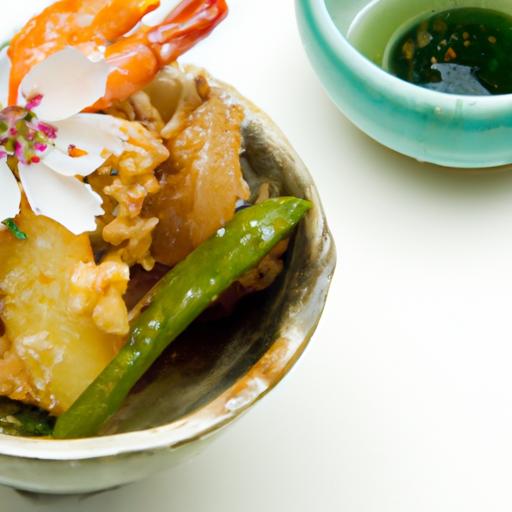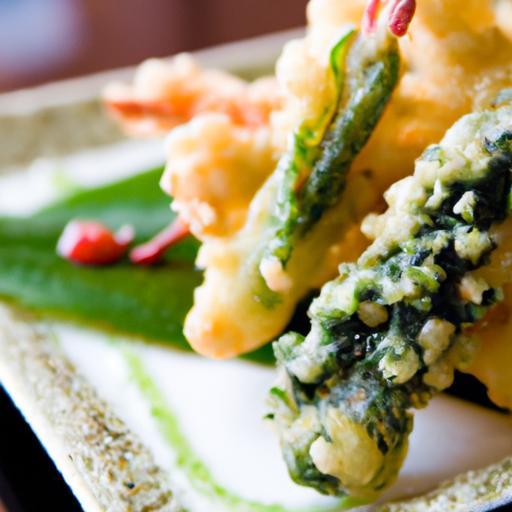

Springtime is a season of renewal, bursting with vibrant colors, tender greens, and the freshest bounty from the earth. There’s no better way to celebrate this lively harvest than with a dish that honors the natural crispness and vivid flavors of spring vegetables-tempura. “Crisp & Fresh: Mastering Spring Vegetable Tempura Delights” takes you on a culinary journey where delicate batter, sizzling oil, and garden-fresh ingredients unite to create a symphony of texture and taste. Whether you’re a seasoned chef or a curious home cook, this guide will unlock the secrets to achieving that perfect, golden crunch while preserving the bright, fresh essence of each vegetable. Prepare to elevate your spring meals with tempura that’s light, crispy, and irresistibly fresh.
Crisp & Fresh: Mastering Spring Vegetable Tempura Delights
Crisp & fresh vegetable tempura delights offer a sublime way to celebrate the vibrant bounty of spring. Rooted in traditional Japanese cuisine, this dish elevates each vegetable’s natural texture by wrapping it in a delicate, airy batter and frying it to golden perfection. With every crispy bite, you experience the season’s freshness amplified by the artful balance of lightness and crunch. Whether you’re a seasoned cook or an enthusiastic beginner, mastering this technique unlocks a world of textural contrast and refreshing flavors that make spring vegetables irresistibly delicious.
Prep and Cook Time
- Preparation: 15 minutes
- Cooking: 10-12 minutes
- Total: 25-27 minutes
Yield
Serves 4 as a delightful appetizer or a side dish
Difficulty Level
Easy to Medium — Perfect for those ready to refine frying skills
Ingredients
- 1 cup all-purpose flour, sifted
- 1/2 cup cornstarch
- 1 tsp baking powder
- 1 large egg, chilled
- 1 cup ice-cold sparkling water
- 1 small zucchini, sliced thinly into ribbons
- 6 asparagus spears, trimmed
- 4 baby carrots, peeled and halved lengthwise
- 1 cup snap peas, ends trimmed
- 1/2 cup shiitake mushrooms, sliced
- Vegetable oil for deep frying (about 2-3 cups)
- Sea salt flakes for finishing
- Lemon wedges (optional, for serving)
Instructions
- Chill your ingredients: Place the egg, sparkling water, and mixing bowl in the refrigerator for at least 10 minutes. Cold batter is crucial for light, crispy tempura.
- Prepare the vegetables: Pat them dry to remove moisture. This prevents oil splatter and helps the batter adhere perfectly.
- Make the batter: In your chilled bowl, gently whisk the egg and ice-cold sparkling water together. Sift in the flour, cornstarch, and baking powder, then fold the mixture together quickly. It’s okay if a few lumps remain; overmixing activates gluten and weighs down the batter.
- Heat the oil: In a deep, heavy-bottomed pot or deep fryer, heat vegetable oil to 350°F (175°C). Use a thermometer for accuracy to ensure crisp, non-greasy results.
- Fry the vegetables: Dip vegetables sparingly into the batter, letting excess drip off. Carefully lower into hot oil without overcrowding. Fry small batches for about 2-3 minutes or until the tempura achieves a golden hue and maintains vibrance. Turn pieces halfway if needed for even color.
- Drain and season: Remove tempura with a slotted spoon, draining on a wire rack or paper towels. Sprinkle immediately with sea salt flakes to heighten flavor.
- Serve promptly: Tempura is best enjoyed fresh. Pair with lemon wedges for a bright finish or traditional tentsuyu dipping sauce.
Tips for Success
- Keep batter cold: Use ice-cold sparkling water and egg; this prevents gluten development, ensuring a feather-light texture.
- Don’t overmix batter: A few lumps create pockets of air, making the tempura crispier.
- Oil temperature matters: Maintain oil at 350°F. Too hot burns the batter; too cool makes it soggy.
- Dry vegetables thoroughly: Moisture causes oil splatter and weakens the batter’s crispness.
- Work in small batches: Overcrowding the pot lowers oil temperature and results in greasy tempura.
- Experiment with veggies: This batter works beautifully on other spring vegetables like fiddlehead ferns or baby corn.
Serving Suggestions to Elevate Your Spring Vegetable Tempura Experience
Present your crispy spring vegetable tempura on a rustic wooden board lined with parchment paper for charming casualness, or use elegant white platters to emphasize color contrasts. Garnish with fresh lemon wedges, a sprinkle of finely chopped shiso leaves, or a dusting of toasted sesame seeds for refined visual appeal. Accompany the dish with a classic tentsuyu dipping sauce-made from dashi, soy sauce, and mirin-to add subtle umami depth. For a modern twist, try a yuzu mayo or wasabi aioli to introduce complementary creaminess alongside the crisp bites. Pair your tempura with chilled sake or a crisp, dry white wine such as Sauvignon Blanc to harmonize with the light freshness of the vegetables.
| Nutrition (Per Serving) | Calories | Protein | Carbs | Fat |
|---|---|---|---|---|
| Spring Vegetable Tempura | 280 kcal | 5 g | 30 g | 14 g |
Discover the art of making traditional tentsuyu dipping sauce to further perfect your tempura presentation. For a deeper understanding of the science behind frying temperatures and batter chemistry, visit Serious Eats’ definitive guide.

Q&A
Q&A: Crisp & Fresh – Mastering Spring Vegetable Tempura Delights
Q1: What makes spring vegetables ideal for tempura?
A1: Spring vegetables are naturally tender, vibrant, and bursting with fresh flavors, which lend themselves perfectly to tempura’s light, crispy batter. Their subtle sweetness and delicate textures are enhanced rather than masked, creating a dish that’s both visually appealing and delightfully refreshing.
Q2: How does the tempura batter stay light and crispy?
A2: The secret is in using very cold water and minimal mixing when making the batter. This keeps the gluten development low, resulting in a batter that crisps up quickly when fried. Some chefs even add a bit of sparkling water or ice cubes to keep it extra chilly and bubbly for that perfect crunch.
Q3: Which spring vegetables are best for tempura and how should they be prepared?
A3: Asparagus, snap peas, baby carrots, fiddleheads, and shiitake mushrooms shine in tempura form. Trim them to bite-sized pieces and pat dry to prevent splattering. Lightly dusting veggies in flour before dipping in batter helps the coating adhere better, ensuring every bite is crispy and flavorful.
Q4: How can I avoid soggy tempura?
A4: Fry in small batches at the right temperature-around 340-360°F (170-180°C)-to ensure the batter sets instantly. Drain on a wire rack instead of paper towels to maintain crispness. Serve immediately, as tempura’s magic is in its fresh crunch!
Q5: What dipping sauces complement spring vegetable tempura?
A5: A classic tentsuyu sauce, made from dashi, soy sauce, and mirin, provides a savory umami splash. For a modern twist, try a tangy yuzu mayo or a simple ponzu drizzle. The goal is to enhance without overpowering those fresh vegetable flavors.
Q6: Can I make tempura ahead of time?
A6: Tempura is best enjoyed fresh from the fryer, but if you must prepare ahead, cool on a wire rack and reheat briefly in a hot oven to revive the crunch. Avoid covering or wrapping tightly, as trapped steam will soften the batter.
Q7: Any pro tips for mastering spring vegetable tempura at home?
A7: Keep your batter cold, your oil hot, and your veggies dry. Use a light hand when mixing batter-some lumps are good! Experiment with seasonal picks and savor the contrast of crispy exterior and tender interior. With practice, you’ll turn spring veggies into irresistible tempura treasures.
Key Takeaways
As the vibrant colors and delicate textures of spring vegetables come alive in each crispy, golden bite, mastering the art of tempura transforms these garden gems into a feast for both the eyes and the palate. With a light batter that lets nature’s freshness shine through and a technique that honors precision and patience, your kitchen becomes a haven for seasonal celebration. Whether you’re savoring the first tender asparagus or the sweet snap of snow peas, every tempura creation invites you to embrace the fleeting beauty of spring-crisp, fresh, and utterly irresistible. So roll up your sleeves, gather your favorite spring harvest, and let the timeless dance of batter and vegetable elevate your culinary repertoire to new, delicious heights.