
Rhubarb Revealed: Master Savory & Sweet Cooking Tips
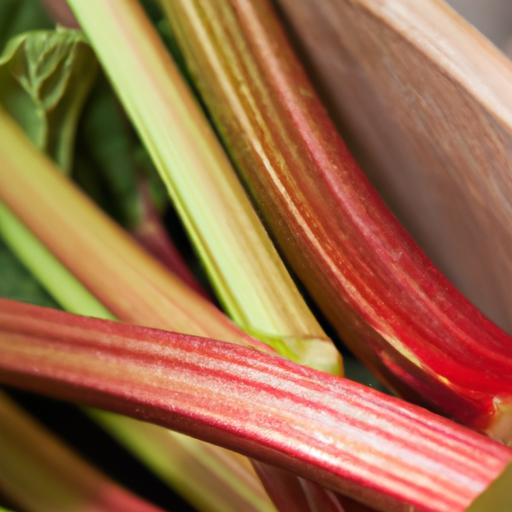
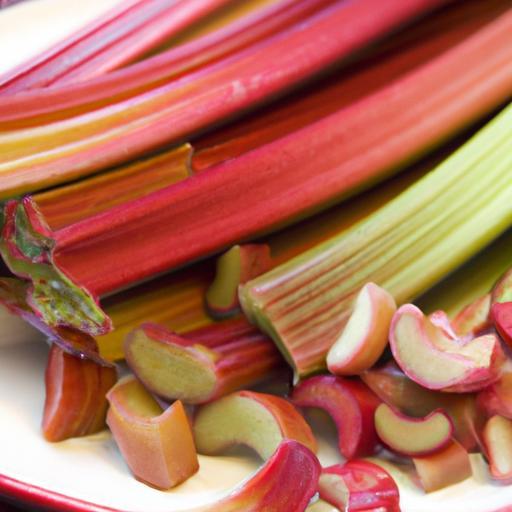
Beneath its rosy stalks and tart punch lies a culinary secret waiting to be unveiled. Rhubarb, often celebrated for its luscious role in desserts, is a vibrant ingredient that effortlessly bridges the worlds of sweet and savory. Whether you’re stirring up a classic pie or daring to infuse your dinner with a tangy twist, understanding how to work with rhubarb can elevate your cooking to unexpected heights. Join us as we dive into the art of mastering rhubarb-uncovering expert tips, flavor pairings, and cooking techniques that transform this striking stalk from humble produce to star ingredient in every kitchen repertoire.
Rhubarb Revealed: Master Savory & Sweet Cooking Tips unwraps the tantalizing complexity of rhubarb’s unique flavor, perfectly balanced between tartness and subtle sweetness. This versatile ingredient invites culinary exploration, transforming ordinary dishes into extraordinary experiences. Whether you’re coaxing it into a vibrant stew or a delicate dessert, these techniques will help you unlock rhubarb’s full potential.
Prep and Cook Time
Preparation: 15 minutes
Cook Time: 25 minutes
Total Time: 40 minutes
Yield
Serves 4
Difficulty Level
Intermediate
Ingredients
- 500g fresh rhubarb stalks, trimmed and cut into 1-inch pieces
- 1/2 cup granulated sugar (adjust to taste for sweetness)
- 2 tbsp unsalted butter
- 1 tsp grated fresh ginger
- 1 tsp lemon zest
- 1/4 tsp sea salt
- 1 tbsp olive oil (for savory preparation)
- 1 small shallot, thinly sliced
- Fresh thyme sprigs, for garnish
Instructions
- Wash and prepare rhubarb stalks by trimming off the leaves (discard) and slicing them into uniform 1-inch pieces. This ensures even cooking and consistent texture.
- For sweet dishes: In a medium saucepan, melt the butter over medium heat. Add the sliced rhubarb, sugar, ginger, lemon zest, and salt. Stir gently to combine.
- Sauté the mixture for about 10-15 minutes until the rhubarb softens and begins to break down, releasing its juices into a vibrant compote. Stir occasionally to prevent sticking.
- For savory preparations: Heat olive oil in a skillet over medium heat. Add shallots and cook until translucent, about 3 minutes.
- Add the rhubarb, salt, and thyme sprigs to the skillet. Sauté for 10 minutes until rhubarb softens but retains a slight bite.
- Remove thyme sprigs, then let the sautéed rhubarb cool slightly before serving or integrating
- Adjust seasoning with a pinch of salt or a drizzle of honey if a sweeter edge is preferred. For savory dishes, a splash of balsamic vinegar enhances depth.
Tips for Success
- Balancing Tartness: Rhubarb’s natural tartness can dominate; always taste as you cook and adjust sugar or acid accordingly.
- Choosing Pairings: Rhubarb shines when paired with fragrant herbs like thyme or mint, creamy ingredients like yogurt or custard, and richer proteins such as pork or duck.
- Preserving Fresh Rhubarb: Store rhubarb stalks wrapped in damp paper towels inside a plastic bag in the fridge for up to 1 week. For long-term storage, freeze stalks chopped and flash-frozen on a baking sheet before transferring to airtight containers.
- Texture Tips: Avoid overcooking to preserve a pleasant fibrous bite in savory dishes; allow compotes for sweet recipes to soften thoroughly.
- Safe Leaf Disposal: Remember, rhubarb leaves are toxic and must never be consumed or composted where pets feed.
Serving Suggestions
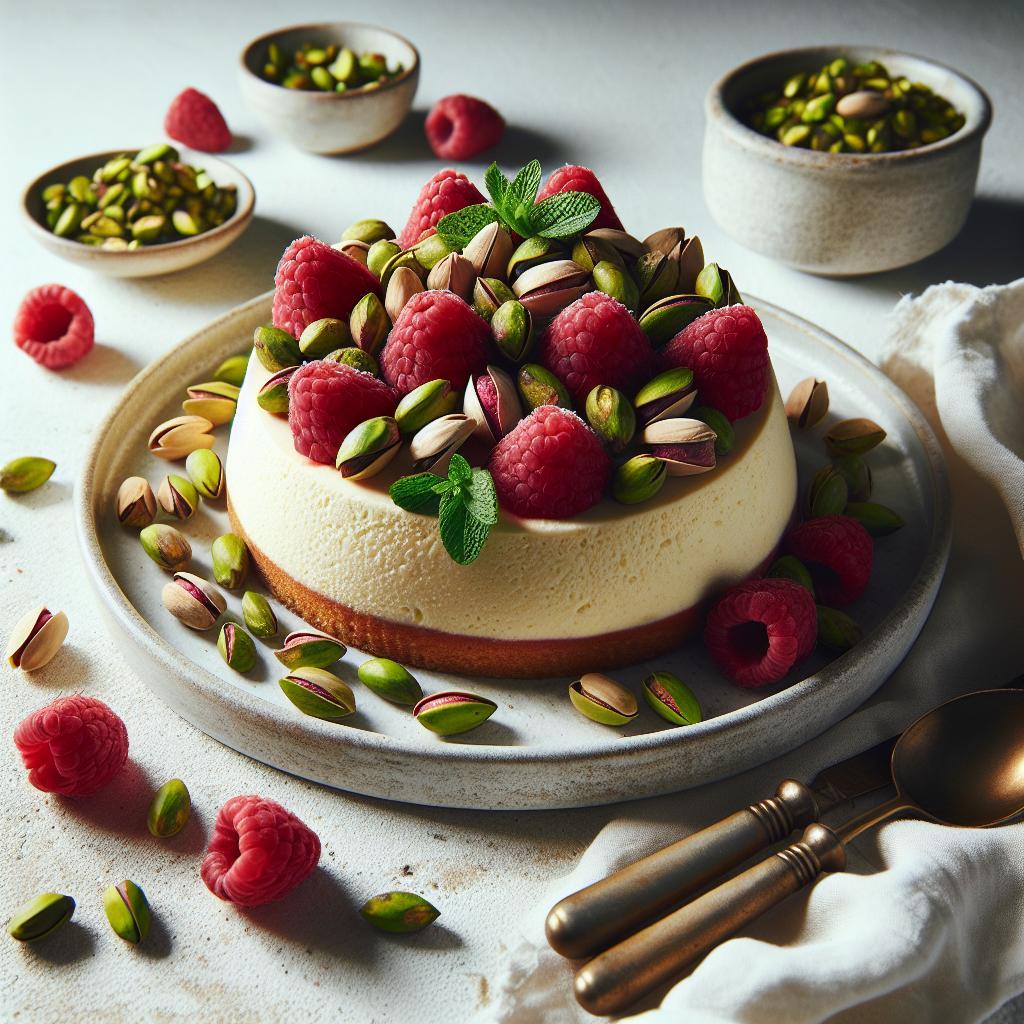
Serve sweet rhubarb compote over vanilla ice cream or fluffy pancakes, garnished with fresh mint leaves for a refreshing contrast. For a savory twist, pair sautéed rhubarb with roasted pork tenderloin drizzled with pan jus, sprinkled with toasted pistachios for crunch, and a side of creamy polenta. The visual palette of deep rose hues against vibrant greens makes every plate irresistibly photogenic.
| Nutrient | Per Serving |
|---|---|
| Calories | 110 kcal |
| Protein | 1.5 g |
| Carbohydrates | 25 g |
| Fat | 3.5 g |
Explore more Rhubarb Revealed recipes here or dive into detailed food safety info about rhubarb leaves at USDA Food Safety Basics.

Q&A
Q&A: Rhubarb Revealed – Master Savory & Sweet Cooking Tips
Q1: What makes rhubarb such a unique ingredient in cooking?
A1: Rhubarb is nature’s tangy marvel-part fruit-like vegetable with a vibrant, puckering tartness that awakens the palate. Its striking red stalks add visual flair, while its crisp texture and bold flavor provide an exciting contrast in both savory and sweet dishes. Unlike most fruits, rhubarb thrives in a dance between sour and sweet, making it a versatile kitchen muse.
Q2: How do you prepare rhubarb for cooking without losing its bright flavor?
A2: The key is to trim away leaves (which are toxic!) and peel any tough strings from the stalks for a tender bite. Keep pieces uniform for even cooking, and to preserve its spark, cook rhubarb gently-either by simmering just until it softens or roasting to caramelized perfection. Avoid overcooking, which leaches out its vibrant character.
Q3: Can rhubarb be used in savory dishes, or is it just for desserts?
A3: Rhubarb’s tart punch is a secret weapon in the savory kitchen. It pairs beautifully with fatty, rich flavors-think pork belly, roasted chicken, or grilled lamb. Try making a rhubarb chutney or a tangy compote to balance spicy, smoky, or earthy notes. Its acidity cuts through richness like a culinary plot twist.
Q4: What sweet dishes showcase rhubarb’s best qualities?
A4: Classic is king: rhubarb crisps, pies, and crumbles let its natural tartness shine beneath a blanket of sweetness and crunch. It’s also dazzling in jams, tarts, and sauces paired with strawberries or ginger. Pro tip: balance rhubarb’s tang with honey, vanilla, or cinnamon for a taste that sings.
Q5: Are there any cooking tips for mellowing rhubarb’s tartness without drowning it in sugar?
A5: Absolutely! Slow roasting rhubarb with a touch of olive oil or butter softens its bite without excessive sweetness. Sprinkling a pinch of salt and a splash of citrus juice helps round out the flavor, creating depth. Experiment with natural sweeteners like maple syrup or balsamic glaze-these bring warmth and complexity, not just sugar.
Q6: How can one store rhubarb to keep it fresh and flavorful?
A6: Fresh rhubarb loves cool, humid conditions-wrap the stalks in a damp paper towel and tuck them inside a perforated plastic bag in the fridge. It’s best used within a week for peak zing. For longer storage, chop and freeze rhubarb pieces; perfect for impromptu desserts or sauces.
Q7: Any creative rhubarb recipe ideas for adventurous cooks?
A7: Dive into rhubarb curry with coconut milk for a tangy twist on a comfort classic. Try rhubarb and ginger salsa atop grilled fish for zesty brightness. Or craft a rhubarb shrub-a vinegar-based cocktail mixer that’s both refreshing and gourmet. The world of rhubarb is a playground-dare to experiment!
Unlock the tart-sweet mystery of rhubarb with these tips, and watch your cooking transcend the ordinary-one crimson stalk at a time.
To Wrap It Up
As the vibrant stalks of rhubarb continue to brighten gardens and markets alike, unlocking its full potential in the kitchen invites both curiosity and creativity. Whether you’re crafting a tangy chutney to elevate a roast or stirring up a luscious rhubarb compote to crown your morning pancakes, this versatile ingredient offers endless opportunities to surprise and delight. With the savory and sweet tips revealed, you’re now equipped to transform this humble plant into a culinary star. So go forth, experiment boldly, and let rhubarb’s unique flavor reshape your cooking adventures-because mastering rhubarb isn’t just about recipes, it’s about embracing a world of taste waiting just beneath those ruby-red stalks.