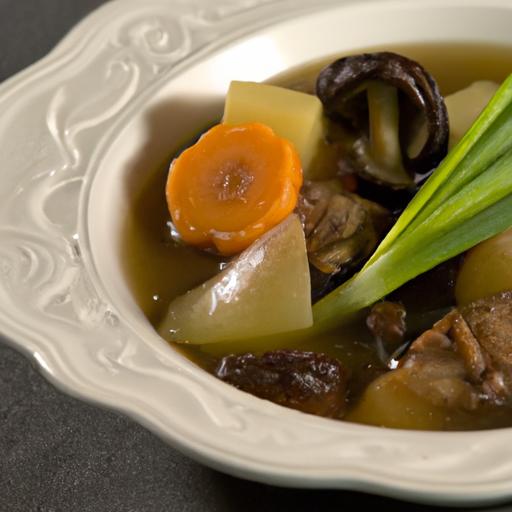

There’s nothing quite as comforting as a hearty stew bubbling away on the stove-until you take that first spoonful and realize it’s more broth than body. Watery stews can be a kitchen conundrum, diluting flavors and leaving your meal feeling incomplete. But fear not: thickening your stew to lush, velvety perfection is easier than you think. Whether you’ve found your stew wandering into soupy territory or you’re simply aiming for that ideal, satisfying texture, these thickening tricks will transform your pot from thin to tantalizing. Let’s dive into the delicious science and savvy secrets that will have your stew standing proud-rich, robust, and ready to warm both heart and palate.
Thickening tricks are essential to transform a watery stew into a luscious, comforting meal that boasts rich flavors and a velvety texture. Whether you’re simmering a rustic beef stew or a vibrant vegetable medley, understanding why your stew turns out too thin and how to master natural thickening agents makes all the difference. Let’s dive into practical ways to save your stew, ensuring each spoonful delivers the perfect balance of heartiness and depth without compromising taste.
Prep and Cook Time
Preparation: 15 minutes
Cooking: 1 hour 20 minutes (including thickening process)
Yield
Serves 6 generously
Difficulty Level
Medium
Ingredients
- 2 tbsp unsalted butter
- 2 tbsp all-purpose flour, sifted
- 1 cup beef or vegetable broth, warm
- 2 tbsp cornstarch
- 3 tbsp cold water
- 1 large onion, diced
- 3 cloves garlic, minced
- 1 lb stew meat or mixed vegetables
- 2 cups tomatoes, chopped (fresh or canned)
- 1 tsp dried thyme
- Salt and freshly ground black pepper to taste
- Fresh parsley for garnish
Instructions
- Identify the Causes and Prepare Your Base: Begin by sautéing diced onions and garlic in a large pot over medium heat until translucent, about 5 minutes. This creates a flavorful foundation, reducing excess water content that watery stews often inherit from raw vegetables.
- Brown the Meat or Vegetables: Add your stew meat or vegetables, stirring frequently to brown all sides. This caramelization infuses rich, concentrated flavor and slightly reduces moisture.
- Simmer with Broth and Tomatoes: Pour in broth and chopped tomatoes along with thyme, stirring well. Cook uncovered at a simmer for 45 minutes to an hour, allowing liquid to reduce naturally.
- Mastering Roux for a Natural Thickener: In a separate small saucepan, melt 2 tablespoons of butter over medium heat. Gradually whisk in the sifted flour, cooking until a smooth paste forms. Continue stirring until it turns a light golden color, approximately 3-4 minutes, developing a nutty aroma without burning.
- Incorporate Roux Into Stew: Slowly whisk warm broth into the roux to create a velvety slurry. Pour this mixture back into the stew pot, stirring continuously to avoid lumps. This step will immediately begin thickening the stew, elevating its body and texture.
- Using Cornstarch as a Quick Fix: For last-minute thickening, mix 2 tablespoons of cornstarch with 3 tablespoons of cold water until fully dissolved. Gradually stir this slurry into the simmering stew, cooking an additional 5 minutes until visible thickening occurs. Cornstarch provides a translucent gloss and a smooth finish without overpowering flavors.
- Season and Adjust: Taste your stew and season with salt and freshly ground pepper as needed. Add fresh parsley right before serving to enhance aroma and visual appeal.
Tips for Success
- Avoid Thin Stew Traps: Overloading the pot with watery vegetables or adding excess broth early on are the main culprits behind watery stew. Start with well-drained ingredients and simmer uncovered to allow evaporation.
- Roux Variations: For gluten-free options, substitute the flour in the roux with rice flour or chickpea flour while maintaining the butter ratio-this keeps the texture intact.
- Make Ahead: Stews often thicken naturally when refrigerated overnight as gelatin from meat collagen and starches settle, improving texture.
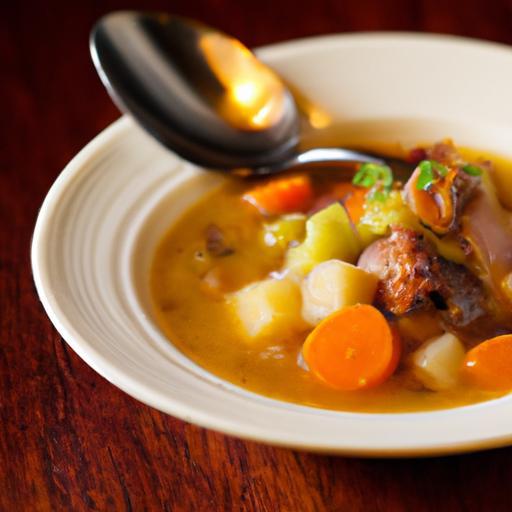
- Visual Clues: A properly thickened stew should coat the back of a spoon and flow slowly but smoothly.
- Internal Link: For more rich sauce techniques, explore our article Sauces That Complement Savory Dishes.
- External Source: For deeper understanding and science behind roux, visit The Culinary Institute of America.
Serving Suggestions
Serve your perfectly thickened stew in rustic earthenware bowls, garnishing with a sprinkle of freshly chopped parsley or thyme sprigs for a pop of color and fragrant freshness. Pair with crusty artisan bread or buttery mashed potatoes to soak up every rich drop. For a comforting finish, a dollop of sour cream or a drizzle of quality olive oil can add a lovely balance to the hearty dish.
| Nutrient | Amount per Serving |
|---|---|
| Calories | 320 kcal |
| Protein | 22 g |
| Carbohydrates | 15 g |
| Fat | 18 g |

Q&A
Q&A: Thickening Tricks – How to Fix a Watery Stew Perfectly
Q1: Why did my stew turn out watery instead of thick and hearty?
A1: Stews can become watery for several reasons-too much liquid added at the start, insufficient simmering time to reduce the broth, or ingredients that release excess moisture (like watery vegetables). Sometimes, it’s just an unintended splash that tips the balance!
Q2: Can I save a stew that’s already too thin without starting over?
A2: Absolutely! Your watery stew is like a blank canvas waiting for a flourish of thickening magic. There are quick and creative ways to fix it-no need to toss your flavors away.
Q3: What are some classic thickening agents I can use?
A3: Flour and cornstarch are the kitchen’s trusty sidekicks. Mix flour with a bit of cold water to create a slurry and stir it into your simmering stew. Cornstarch works similarly but needs just half the amount and thickens quickly. For a rustic touch, mashed potatoes or pureed beans can add body and depth.
Q4: How do I thicken my stew without altering the flavor too much?
A4: For a subtle touch, try reducing the liquid by simmering the stew uncovered to let excess moisture evaporate. Alternatively, whisk in a spoonful of instant mashed potato flakes-they thicken without overpowering flavor. Avoid overusing flour or cornstarch, as too much can cause a pasty taste.
Q5: Is it possible to thicken a stew naturally with ingredients already in the pot?
A5: Yes! Pureeing some of the cooked vegetables or beans from the stew and stirring them back in is a fantastic way to add natural creaminess and thickness without extra ingredients.
Q6: Should I be concerned about lumps when adding thickening agents?
A6: Lumps can sneak in fast, but fear not. Always mix your thickening agents with cold water before adding to the hot stew-this creates a smooth slurry. Stir continuously once added, and keep your heat moderate to encourage even thickening.
Q7: Can gelatin or agar-agar be used in thickening stews?
A7: Gelatin and agar-agar are more common in jellies and desserts, but in a pinch, they can thicken brothy soups or stews too. Use cautiously, as their gelling properties can make the stew too stiff if overused.
Q8: My stew is thickening, but the texture seems off-is that normal?
A8: Slight changes in texture are expected when thickening. Too much starch can make the stew gummy; under-thickening leaves it floppy. The key is patience-add thickening agents gradually and taste as you go to achieve that cozy, spoon-coating perfection.
Q9: Any secret kitchen hacks for thickening stew naturally?
A9: Yes! Toast a small spoonful of flour in a dry pan until golden and whisk it into the stew for a nutty flavor and thickened texture. Another trick: adding a grated potato or a handful of instant oats can absorb excess liquid and boost mouthfeel naturally.
Q10: How do I prevent my next stew from being watery in the first place?
A10: Start with less liquid than you think you need and add gradually. Let your stew simmer uncovered when it’s nearly done to reduce excess broth. Also, choose hearty vegetables and don’t shy away from slow cooking-it concentrates flavors and naturally thickens the dish.
Transform your watery woes into a velvety victory with these thickening tricks-your stew’s perfect consistency is just a stir away!
Closing Remarks
Whether you’re rescuing a stew that’s too thin or aiming for that perfect, hearty consistency from the start, mastering thickening tricks is your secret weapon in the kitchen. From simple starches like flour and cornstarch to the rustic charm of reduction or the creamy touch of pureed veggies, each method brings its own flair and flavor. Remember, patience and small adjustments are key-thickening is as much an art as it is a science. So next time your stew threatens to be more broth than boldness, embrace these techniques and transform your pot into a luscious, soul-warming masterpiece every time. Happy cooking!