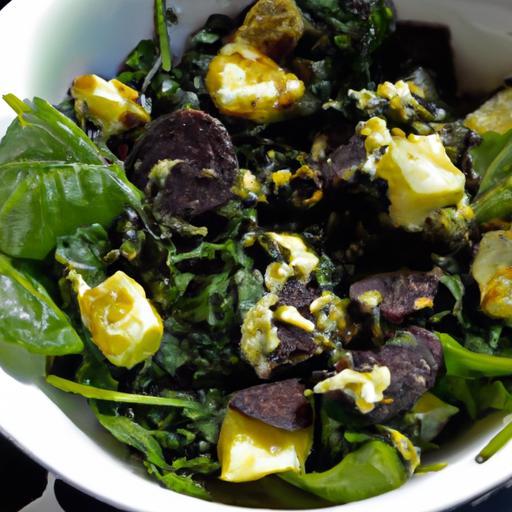

As Easter blooms with its vibrant colors and joyful spirit, the dinner table becomes a canvas for celebration and creativity. This year, why not let your feast flourish with the fresh, vibrant flavors of plants? “Plant-Powered Feasts: Creative Vegan Easter Dinner Ideas” invites you to reimagine tradition through a lush, compassionate lens-where every dish bursts with color, texture, and taste, proving that a vegan Easter can be just as indulgent, festive, and memorable. From savory mains to decadent desserts, discover how plant-based ingredients can transform your holiday into a nourishing celebration of life, renewal, and culinary artistry.
Plant-Based Main Courses That Steal the Spotlight
Plant-Powered Feasts truly come alive with hearty, vibrant mains like this Roasted Stuffed Butternut Squash. Inspired by autumn harvest traditions yet perfectly suited for a fresh spring celebration, this dish is a feast for both the eyes and the palate. The sweet, caramelized flesh of the squash pairs beautifully with a savory blend of quinoa, cranberries, fresh herbs, and toasted pecans, creating a harmony of textures and flavors that will captivate your guests.
Prep and Cook Time
- Preparation: 20 minutes
- Cooking: 45 minutes
- Total Time: 1 hour 5 minutes
Yield
Serves 4 generous portions
Difficulty Level
Medium – Requires moderate prepping and roasting time
Ingredients
- 1 large butternut squash (about 2-3 lbs), halved and seeded
- 1 cup cooked quinoa
- 1/2 cup dried cranberries
- 1/2 cup toasted pecans, roughly chopped
- 1 small red onion, finely diced
- 2 cloves garlic, minced
- 2 tbsp fresh parsley, chopped
- 1 tbsp fresh sage, chopped
- 1 tbsp olive oil, plus extra for drizzling
- Salt and freshly ground pepper, to taste
- 1 tbsp maple syrup (optional, for glazing)
Instructions
- Preheat your oven to 400°F (200°C). Drizzle olive oil over the cut sides of the butternut squash halves, season with salt and pepper, and place face-down on a baking sheet. Roast for 35-40 minutes, or until tender and caramelized around the edges.
- While squash roasts, heat 1 tablespoon olive oil in a skillet over medium heat. Sauté the red onion until translucent, about 5 minutes. Add the minced garlic and cook for an additional 1 minute until fragrant.
- Remove the skillet from heat and combine the cooked quinoa, sautéed onion and garlic, dried cranberries, toasted pecans, fresh parsley, and sage in a large bowl. Season the mixture with salt and pepper, stirring gently to combine.
- Once squash is tender, carefully flip it over and fill each cavity generously with the quinoa stuffing. For extra flavor, drizzle the maple syrup over the stuffed squash.
- Return the stuffed squash to the oven and bake for an additional 10 minutes to meld the flavors and warm the filling through.
- Remove from oven and allow it to cool slightly before slicing into wedges for serving.
Chef’s Notes
- For a nut-free option, swap pecans with roasted pumpkin seeds or omit entirely.
- Try adding sautéed mushrooms or wilted spinach to the stuffing for an earthy twist.
- Make ahead by preparing the stuffing a day in advance. Reheat before stuffing the roasted squash.
- If butternut squash isn’t in season, acorn squash or large sweet potatoes are excellent alternatives.
Serving Suggestions
This dish shines as the centerpiece alongside a crisp spring salad tossed with citrus vinaigrette and sprinkled with toasted almonds. Garnish the squash with extra fresh parsley and a sprinkle of cracked black pepper to enhance its inviting aroma. A drizzle of vegan cashew cream or tahini sauce on the side adds a luscious finishing touch.

| Nutrient | Per Serving |
|---|---|
| Calories | 380 kcal |
| Protein | 9 g |
| Carbohydrates | 55 g |
| Fat | 12 g |
| Fiber | 8 g |
Decadent Dairy-Free Desserts to Sweeten the Celebration
Indulge your senses with this Silky Vegan Chocolate Avocado Mousse-a showstopper in any plant-powered feast. Originating from the clever use of avocado’s creamy texture in raw desserts, this mousse combines rich cocoa with natural sweetness and a hint of vanilla, making it an irresistible ending to your table’s spread.
Prep and Cook Time
- Preparation: 10 minutes
- Chilling: 1 hour
Yield
Serves 4
Difficulty Level
Easy – No baking required
Ingredients
- 2 ripe avocados, peeled and pitted
- 1/4 cup unsweetened cocoa powder
- 1/4 cup pure maple syrup or agave nectar
- 1 tsp vanilla extract
- A pinch of sea salt
- Fresh berries and mint leaves for garnish
Instructions
- In a food processor, combine the avocados, cocoa powder, maple syrup, vanilla extract, and sea salt.
- Blend on high until completely smooth and creamy, scraping down sides as necessary to ensure no lumps remain.
- Taste and adjust sweetness if needed by adding a bit more maple syrup.
- Spoon the mousse into serving dishes and chill in the refrigerator for at least 1 hour to set and enhance the flavors.
- Before serving, top with fresh berries and a sprinkle of mint leaves for a vibrant contrast.
Chef’s Notes
- For extra richness, fold in 2 tablespoons of finely chopped vegan chocolate or cacao nibs before chilling.
- Make this mousse ahead and keep refrigerated for up to 2 days; freshen garnish right before serving.
- Use ripe avocados that yield gently to pressure for the best creamy texture.
Serving Suggestions
Serve chilled in delicate glass ramekins to showcase its luscious texture and deep color. Complement the mousse with a crisp mint sprig and a dusting of edible cocoa powder for an elegant presentation. A side of toasted coconut flakes or vegan shortbread cookies adds textural contrast.

Innovative Side Dishes Bursting with Seasonal Flavors
Adding color and creative flair, this Spring Asparagus and Radish Salad brings a refreshing crunch and peppery bite to complement your plant-powered feast. Embracing the vibrant produce of the season, this salad is a celebration of crisp textures and zesty lemon dressing that awakens every bite.
Prep and Cook Time
- Preparation: 15 minutes
- Cooking: 5 minutes
Yield
Serves 4
Difficulty Level
Easy
Ingredients
- 1 bunch fresh asparagus, trimmed and cut into 2-inch pieces
- 6 radishes, thinly sliced
- 2 cups baby arugula
- 2 tbsp olive oil
- 1 tbsp lemon juice
- 1 tsp Dijon mustard
- 1 tbsp toasted sunflower seeds
- Salt and pepper, to taste
Instructions
- Bring a pot of salted water to a boil. Blanch the asparagus pieces for 2-3 minutes until bright green and tender-crisp. Immediately transfer to an ice bath to cool quickly and preserve color.
- In a small bowl, whisk together olive oil, lemon juice, Dijon mustard, salt, and pepper to create a light vinaigrette.
- In a large salad bowl, toss the cooled asparagus, sliced radishes, and baby arugula with the vinaigrette until evenly coated.
- Sprinkle toasted sunflower seeds over the top for a nutty crunch before serving.
Chef’s Notes
- Swap arugula for baby spinach or mixed greens for a milder flavor.
- Add thinly sliced fennel for extra anise-like freshness.
- Toast sunflower seeds gently in a dry pan until golden for maximum aroma.
Serving Suggestions
This salad pairs perfectly with warm, roasted mains as a bright and lively contrast. Present in a shallow bowl or on a serving platter with lemon wedges alongside for added zest. Garnish with edible flowers like nasturtiums for a festive spring touch.
Crafting Vibrant and Nourishing Easter Brunch Cocktails
Infuse your plant-powered feasts with a burst of color and vitality by creating a Sparkling Beetroot and Ginger Mocktail. This nourishing, naturally sweet drink blends earthy beet juice with spicy ginger and refreshing citrus, celebrating wellness and festive fun in every sip.
Prep and Drink Time
- Preparation: 10 minutes
- Serving: Immediate
Yield
Makes 4 servings
Difficulty Level
Easy
Ingredients
- 1 cup fresh beetroot juice (about 2 small beets, juiced or blended and strained)
- 1/2 cup fresh ginger juice or grated and strained ginger
- 1/4 cup freshly squeezed lemon juice
- 2 tsp agave nectar or maple syrup (adjust as desired)
- 2 cups sparkling water, chilled
- Ice cubes
- Lemon slices and mint sprigs for garnish
Instructions
- In a pitcher, stir together the beetroot juice, ginger juice, lemon juice, and agave nectar until well combined.
- Add ice cubes to glasses, then pour the juice mixture halfway up each glass.
- Top off each glass with sparkling water just before serving, stirring gently to combine layers.
- Garnish with lemon slices and a mint sprig for a refreshing, vibrant finish.
Chef’s Notes
- Adjust sweetness to your liking by adding more or less agave nectar.
- To make this a spirited cocktail, add a splash of vodka or gin.
- Prepare beet juice in advance and refrigerate; combine with sparkling water just before serving for fizz preservation.
Serving Suggestions
Serve this mocktail in tall, clear glasses to showcase the striking ruby-red hue. Perfect to accompany light bites or as a celebratory Easter toast. Pair with fresh herbs on the table for guests to customize their garnish, enhancing the multi-sensory experience.

For more inspiring vegan holiday recipes, explore our Vegan Holiday Recipes Collection. Discover the health benefits of fresh ingredients like beets and ginger on Healthline.
Q&A
Q&A: Plant-Powered Feasts – Creative Vegan Easter Dinner Ideas
Q1: Why choose a vegan menu for Easter dinner?
A: Easter is a time of renewal and celebration, and choosing a vegan menu aligns beautifully with these values by honoring compassion, sustainability, and vibrant plant life. Plus, plant-powered dishes are not only delicious but often lighter and packed with nutrients, making your feast both festive and wholesome.
Q2: What are some show-stopping vegan mains perfect for Easter?
A: Think beyond traditional roasts with options like a savory lentil and mushroom Wellington, a colorful chickpea and vegetable terrine, or a hearty stuffed butternut squash with wild rice and cranberries. These dishes bring elegance and flavor to the table while celebrating seasonal produce.
Q3: How can I create a stunning vegan Easter brunch spread?
A: Build a vibrant brunch with fluffy chickpea flour omelets, avocado toast topped with radish and microgreens, and a sweet potato hash with fresh herbs. Don’t forget a batch of carrot cake muffins or lemon poppy seed scones for that perfect seasonal touch.
Q4: What sides pair well with vegan Easter main courses?
A: Roasted spring vegetables like asparagus, baby carrots glazed with maple syrup, and creamy mashed potatoes with garlic and rosemary are always crowd-pleasers. Add a bright beet and orange salad or a chilled cucumber and dill salad to inject freshness and color.
Q5: Can vegan desserts be festive and indulgent?
A: Absolutely! Vegan desserts can be just as decadent. Consider a rich chocolate avocado mousse, a tangy lemon cashew cheesecake, or traditional Easter treats like carrot cake or hot cross buns made with plant-based ingredients. Garnish with edible flowers to keep that springtime vibe.
Q6: How do I ensure everyone enjoys the vegan Easter feast, even non-vegans?
A: Focus on bold flavors, varied textures, and familiar comfort foods reimagined with plants. When your dishes look beautiful and taste irresistible, guests of all diets will be eager to dig in-and maybe even ask for seconds! Sharing stories about the dishes and ingredients can also spark curiosity and appreciation.
Q7: Any tips for making a vegan Easter dinner more creative and personal?
A: Use seasonal and local ingredients to capture the essence of spring. Experiment with vibrant herbs and spices like dill, mint, and smoked paprika to elevate simple recipes. Presentation is key-think edible flower garnishes, colorful plating, and rustic serving dishes to evoke warmth and celebration at your table.
With these ideas and insights, your vegan Easter dinner will bloom with creativity, flavor, and heart-a true plant-powered feast to remember!
The Conclusion
As the spring breeze carries the promise of renewal, your plant-powered Easter feast becomes more than a meal-it’s a celebration of nature’s bounty and compassionate creativity. Whether you’re crafting vibrant vegetable roasts, luscious legume-based mains, or decadent dairy-free desserts, these creative vegan ideas invite you to savor every bite with gratitude and joy. Embrace this season of growth and gathering by transforming your Easter table into a colorful, nourishing homage to life’s freshest flavors. After all, a feast rooted in plants is not only a gift to your guests but also a gentle step toward a kinder, more sustainable world. Happy Easter, and happy feasting!