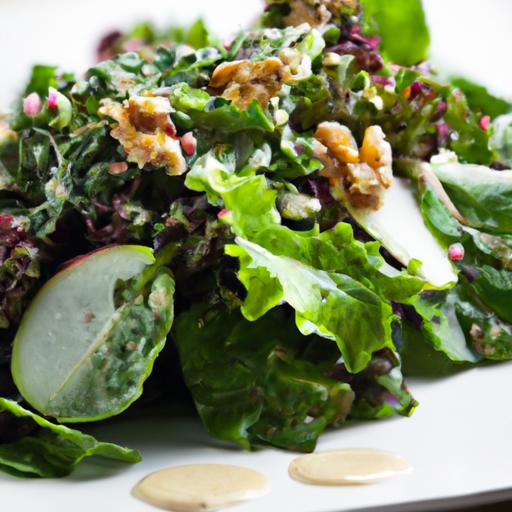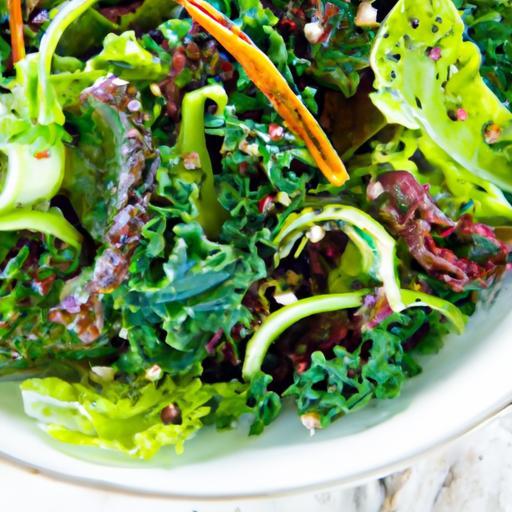

In the vibrant world of nutrition, some leaves quietly reign supreme-bursting with vitamins, minerals, and antioxidants that fuel our bodies and ignite our well-being. These nutrient-packed greens are more than just salad staples; they are the unsung heroes of health, offering a lush palette of flavors and powerful health benefits. From the deep, earthy kale to the tender, peppery arugula, these powerhouse leaves are nature’s gift to anyone seeking vitality in every bite. Join us as we explore the top greens that deserve a prime spot on your plate, unlocking the secrets to a healthier, greener lifestyle.
Top Nutrient-Packed Greens offer a vibrant gateway to boosting your health with nature’s most potent leafy vegetables. From the rich iron content in kale to the antioxidant prowess of spinach, these greens are culinary treasures that transform everyday meals into nutrient-dense feasts. Whether you’re revisiting grandma’s garden-fresh recipes or crafting modern wellness bowls, mastering how to select and prepare these verdant leaves will elevate both flavor and vitality in your kitchen.
Prep and Cook Time
Preparation: 10 minutes
Cooking: 15 minutes
Total Time: 25 minutes
Yield
Serves 4 as a side dish or 2 as a nutrient-packed main component.
Difficulty Level
Easy – perfect for beginners eager to explore the world of leafy greens.
Ingredients
- 3 cups kale, stems removed and chopped
- 2 cups baby spinach, washed and drained
- 1 cup Swiss chard, roughly chopped
- 2 tablespoons extra virgin olive oil
- 3 cloves garlic, thinly sliced
- 1/4 teaspoon red pepper flakes (optional, for a subtle heat)
- 1 lemon, juiced
- Salt and freshly ground black pepper to taste
- 2 tablespoons toasted pine nuts or chopped walnuts
- Grated Parmesan cheese or nutritional yeast, for garnish (optional)
Instructions
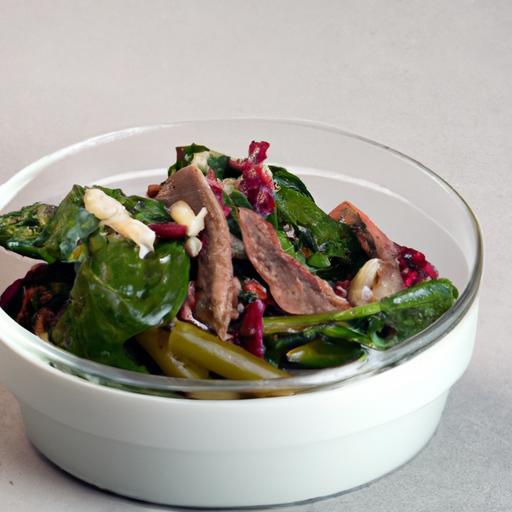
- Prepare the greens: Wash kale, spinach, and Swiss chard thoroughly under cold running water. Spin dry or pat dry with a clean towel to avoid excess water in the pan.
- Heat olive oil: Warm 2 tablespoons of extra virgin olive oil in a large skillet over medium heat. Add sliced garlic and sauté until fragrant but not browned, about 1-2 minutes.
- Add kale: Add 3 cups chopped kale first, as it takes the longest to soften. Sauté until it begins to wilt, approximately 5 minutes, stirring occasionally to prevent sticking.
- Introduce spinach and Swiss chard: Add 2 cups of baby spinach and 1 cup Swiss chard to the pan. Stir to combine and cook for another 3-4 minutes until all greens are tender but still vibrant.
- Season and finish: Sprinkle red pepper flakes (if using), salt, and pepper to taste. Pour the fresh lemon juice over the sautéed greens and toss well to blend bright citrus notes with the greens’ natural earthiness.
- Serve: Remove from heat and transfer to a serving dish. Garnish generously with toasted pine nuts and either freshly grated Parmesan cheese or a sprinkle of nutritional yeast for a vegan alternative.
Tips for Success
- Variation: Swap pine nuts for toasted almonds or pepitas to tailor the nutty crunch.
- Storage: Store leftovers in an airtight container in the refrigerator for up to 2 days. Reheat gently to preserve nutrients.
- Try steaming: If you prefer a milder flavor and softer texture, steam the kale and chard first, then toss with sautéed garlic and lemon juice.
- Seasoning tip: Add a splash of soy sauce or tamari for an umami boost without overpowering the greens’ delicate flavors.
Serving Suggestions
This dish pairs beautifully with grilled chicken or baked tofu for a balanced meal. Serve atop quinoa or brown rice for a hearty bowl. For an elegant touch, garnish with edible flowers or microgreens. A drizzle of artisanal balsamic glaze can also enhance depth and visual appeal.

| Nutrient | Amount per Serving |
|---|---|
| Calories | 110 |
| Protein | 5g |
| Carbohydrates | 10g |
| Fat | 7g |
| Fiber | 4g |
| Vitamin A | 320% DV |
| Iron | 20% DV |
Looking to deepen your garden-to-table expertise? Explore our Healthy Summer Salads guide for fresh, seasonal ideas. For nutrition insights, visit British Nutrition Foundation’s Leafy Greens Facts to learn more about the remarkable benefits of these greens.
Q&A
Q&A: Top Nutrient-Packed Greens: Powerhouse Leaves for Health
Q1: What makes certain greens “nutrient-packed” and why should I care?
A1: Nutrient-packed greens are like nature’s multivitamins-they’re loaded with vitamins, minerals, antioxidants, and fiber. These leafy champions boost immunity, support digestion, enhance brain function, and promote glowing skin. Adding them to your diet is a delicious way to fuel your body with essentials it craves.
Q2: Which greens top the list as true powerhouses?
A2: Kale, spinach, Swiss chard, collard greens, and watercress stand out as nutritional titans. Kale boasts high levels of vitamins A, C, and K, antioxidants, and calcium. Spinach shines with iron, folate, and magnesium. Swiss chard offers a vibrant punch of potassium and vitamins. Collard greens bring fiber and bone-strengthening vitamin K, while watercress is rich in vitamin C and phytochemicals that combat inflammation.
Q3: How can I best enjoy these greens without losing their nutrients?
A3: Think gentle cooking or raw munching. Steaming preserves nutrients better than boiling. Tossing kale or spinach into smoothies, salads, or lightly sautéing them keeps their vibrant health benefits intact. Experiment with dressings and spices to add delicious flair without compromising nutrition.
Q4: Can these greens help with specific health issues?
A4: Absolutely! Spinach and kale support eye health thanks to lutein and zeaxanthin. Collard greens’ fiber aids digestion and heart health. The antioxidants in watercress help fight oxidative stress, which can slow aging and chronic disease progression. Including these greens regularly can be a preventative powerhouse for many ailments.
Q5: Any tips for incorporating more greens into a busy lifestyle?
A5: Yes! Keep a stash of pre-washed salad greens in the fridge for grab-and-go meals. Blend a handful of spinach into your morning smoothie, or sneak chopped kale into soups, stews, or omelets. Even a simple green pesto made from herbs and greens can transform pasta and sandwiches into nutrient-rich delights.
Q6: Are there any concerns or things to watch out for when eating too many greens?
A6: Moderation is key. Some greens like spinach and Swiss chard contain oxalates, which in excess might affect calcium absorption or contribute to kidney stones in susceptible individuals. Those on blood thinners should monitor their vitamin K intake to maintain medication effectiveness. Otherwise, these greens are safe superfoods best enjoyed as part of a balanced diet.
Eating nutrient-packed greens is one of the simplest yet most powerful ways to boost your health. Whether you blend, steam, or toss them on your plate, these powerhouse leaves bring vibrant life to every meal-and to your body!
Wrapping Up
As we wrap up our leafy journey through nature’s nutrient-packed powerhouses, it’s clear that incorporating these vibrant greens into your diet is more than just a healthy choice-it’s a celebration of life itself. From the iron-rich depths of spinach to the antioxidant glut of kale and the vitamin bounty of Swiss chard, these greens are tiny packages bursting with vitality. Embrace their crisp textures and earthy flavors, and let them transform your meals into nourishing masterpieces. After all, in the world of wellness, it’s the greenest leaves that often hold the most potent keys to vibrant health. So, why not give your plate a pop of green and let nature’s finest foliage fuel your journey to well-being?