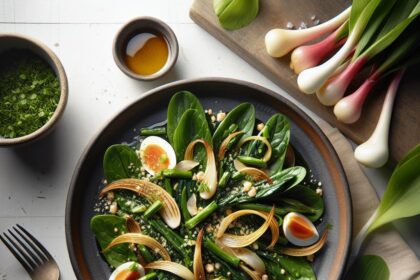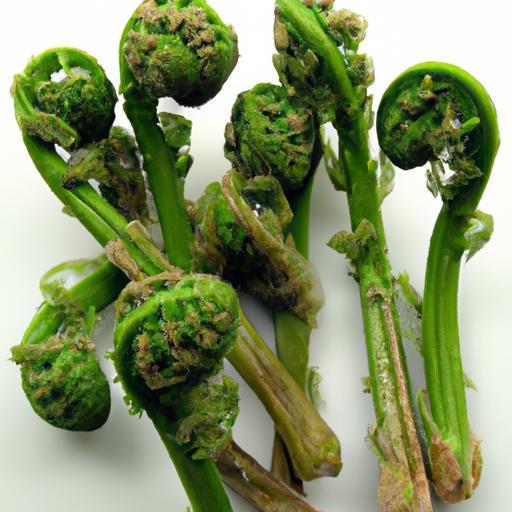

Nestled deep within the heart of spring’s lush forest floors lies a seasonal delicacy that captivates both chefs and foragers alike: fiddleheads. These tightly coiled fern tips, bursting with earthy freshness and a hint of wild green zest, are nature’s fleeting gift to our tables. But their true magic lies not just in their flavor, but in how quickly they must be preserved to retain that crisp, vibrant essence. Enter blanching-a simple yet transformative step that locks in the fiddleheads’ freshness and paves the way for long-lasting enjoyment. In this guide, we’ll unravel the art of blanching and master the nuances of storing frozen fiddleheads, ensuring you savor spring’s green gems well beyond their season. Whether you’re a culinary adventurer or a mindful meal planner, your journey to preserving fiddlehead perfection begins here.
- Choosing the Perfect Fiddleheads: Freshness and Quality Tips
- Mastering the Art of Blanching: Preserving Flavor and Texture
- Step by Step Guide to Freezing Fiddleheads Safely
- Creative Storage Solutions: Extending Shelf Life and Enjoyment
- Frozen Fiddleheads Freshness and Quality Tips
- Prep and Cook Time
- Yield
- Difficulty Level
- Ingredients
- Instructions
- Chef’s Notes: Tips for Success
- Serving Suggestions
- Q&A
- In Conclusion
Choosing the Perfect Fiddleheads: Freshness and Quality Tips
Frozen fiddleheads are a delightful seasonal treasure with a unique flavor and texture that can elevate any dish. Selecting the freshest and highest-quality fiddleheads ensures the best culinary experience, whether you’re planning to enjoy them immediately or preserve their vibrant essence through blanching and freezing.
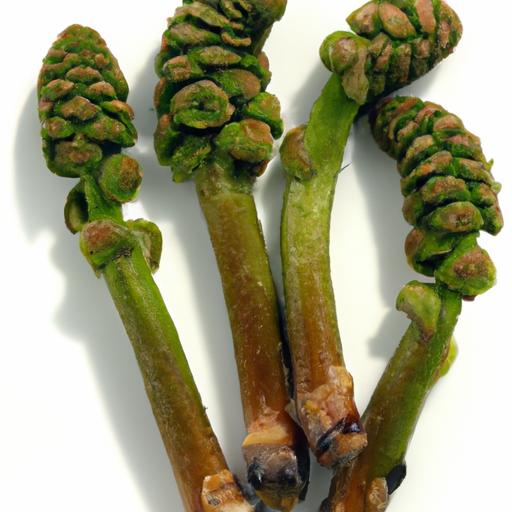
When scouting for fiddleheads, look for tightly coiled, vibrant green fronds free from blemishes or brown spots. The fiddleheads should feel firm and springy to the touch and smell fresh, with a subtle earthy aroma reminiscent of asparagus or fresh spinach. Avoid fiddleheads that are limp or yellowing, as this indicates age and loss of flavor.
Mastering the Art of Blanching: Preserving Flavor and Texture
Blanching is your secret weapon to capturing fiddleheads’ bright color, crisp-tender texture, and fresh taste before freezing. Begin by washing the fiddleheads thoroughly to remove any dirt or grit hiding within the coils. Submerge them in boiling salted water for exactly 2-3 minutes-over-blanching will cause sogginess and muted flavor. Immediately transfer the fiddleheads to an ice bath to halt cooking and lock in that vivid green hue.
Step by Step Guide to Freezing Fiddleheads Safely
- Preparation: After blanching and cooling, drain fiddleheads thoroughly to prevent ice crystals.
- Pack: Arrange fiddleheads in airtight freezer bags, spreading them out for easy portioning.
- Seal: Squeeze out excess air to avoid freezer burn; vacuum sealing works perfectly.
- Label: Mark the date of freezing for optimal freshness tracking.
- Freeze: Place the packages flat in the freezer for efficient storage and quick thawing.
Frozen fiddleheads will retain their vibrant flavor for up to 12 months, transforming your winter meals into springtime celebrations.
Creative Storage Solutions: Extending Shelf Life and Enjoyment
Beyond freezing, fiddleheads are wonderfully versatile for preserving flavor. Consider pickling fiddleheads with garlic and dill for a tangy snack that lasts months. Alternatively, lightly sauté and then flash freeze on trays before bagging for the perfect ready-to-cook stir-fry addition.
If refrigeration is your only option, store fiddleheads loosely wrapped in a damp paper towel inside a perforated bag to maintain moisture and avoid mold. Use within 2-3 days for peak taste.
Frozen Fiddleheads Freshness and Quality Tips
Prep and Cook Time
- Prep Time: 15 minutes
- Blanching Time: 3 minutes
- Freezing Prep: 10 minutes
Yield
- Approximate yield: 4 servings
Difficulty Level
- Easy to Medium
Ingredients
- 1 lb fresh fiddleheads, thoroughly rinsed
- 4 quarts water for blanching
- 1 tablespoon kosher salt (for blanching water)
- Ice cubes and cold water for ice bath
- Freezer-safe bags or vacuum seal bags for storage
Instructions
- Clean the fiddleheads: Trim any brown ends and remove the papery husk covering if present. Rinse thoroughly under cold running water, making sure to get between each coil.
- Prepare blanching setup: Fill a large pot with 4 quarts of water, add 1 tablespoon kosher salt, and bring to a rolling boil.
- Blanch the fiddleheads: Gently place fiddleheads into boiling water. Boil for exactly 2 to 3 minutes until bright green and slightly tender but still crisp.
- Shock in ice bath: Immediately transfer the fiddleheads into an ice bath to stop cooking, preserving that vivid color and fresh texture.
- Drain well: Using a slotted spoon, remove fiddleheads from the ice bath and let them drain completely on a clean kitchen towel or paper towels to remove excess moisture.
- Pack for freezing: Divide fiddleheads into portion sizes and place into airtight freezer bags. Remove excess air by gently pressing out or use a vacuum sealer for optimal preservation.
- Label and freeze: Label bags with freezing date and lay flat in the freezer for efficient storage. Frozen fiddleheads will keep up to 12 months.
Chef’s Notes: Tips for Success
- Don’t skip blanching. This step removes bitterness and neutralizes natural toxins while locking in nutrients and flavor, ensuring safety and the best taste.
- Use fresh fiddleheads. Their peak freshness is early spring; hunt local farmers’ markets for best results.
- Substitutions: When fiddleheads aren’t available, young asparagus or green beans can substitute, but fiddleheads bring a uniquely earthy flavor unmatched by others.
- Make ahead: Blanched fiddleheads can be refrigerated for up to 2 days before freezing if you need flexibility in your prep schedule.
- Cooking tips: When ready to cook, sauté frozen fiddleheads directly from freezer; no need to thaw, preserving their texture beautifully.
Serving Suggestions
Frozen fiddleheads shine as a vibrant side dish sautéed in butter with garlic and a squeeze of lemon, garnished with toasted pine nuts or crispy shallots. They also pair wonderfully in creamy pasta dishes, risottos, or atop a rustic tart. For an elegant appetizer, toss fiddleheads in olive oil and roast briefly, then sprinkle with shaved Parmesan and microgreens.

| Nutrient | Amount (per 100g) |
|---|---|
| Calories | 34 |
| Protein | 4.6g |
| Carbohydrates | 5.7g |
| Fat | 0.4g |
For further culinary inspiration, explore our Spring Vegetable Recipes and unlock a world of seasonal delights. For safety insights about fiddleheads, visit the USDA Food Safety Information.
Q&A
Q&A: Frozen Fiddleheads – Your Guide to Blanching & Storing Fresh
Q1: What exactly are fiddleheads, and why should I care about freezing them?
A1: Fiddleheads are the young, coiled fronds of certain ferns, especially the ostrich fern. Think of them as nature’s green spiral treats, bursting with a fresh, grassy flavor and a hint of nuttiness. Because they’re highly perishable and seasonal, freezing fiddleheads after blanching lets you savor their springtime magic all year round.
Q2: Why is blanching necessary before freezing fiddleheads?
A2: Blanching is like giving your fiddleheads a quick spa treatment – it halts enzyme activity that causes spoilage, preserves their vibrant color, and locks in flavor and texture. Skipping this step can lead to limp, dull, or off-flavored fiddleheads once thawed.
Q3: How do I properly blanch fiddleheads?
A3: Start by rinsing your fiddleheads thoroughly to remove any dirt or grit. Then, plunge them into boiling water for about 2 minutes (some recommend between 1-3 minutes depending on size). Immediately transfer them to an ice-water bath to stop the cooking process. This quick dip preserves their crunch and color.
Q4: After blanching, how should I freeze fiddleheads?
A4: Drain the cooled fiddleheads well, then spread them out on a baking sheet to freeze individually – this prevents clumping. Once frozen solid (about 1-2 hours), transfer them to airtight freezer bags or containers. Label with the date and try to use them within 8-12 months for best quality.
Q5: Can I freeze fiddleheads raw without blanching?
A5: While freezing raw fiddleheads is possible, it’s not recommended. Without blanching, enzymes remain active, often resulting in a mushy texture and loss of flavor over time.
Q6: How do I use frozen fiddleheads when I’m ready to cook?
A6: No need to thaw! Simply toss frozen fiddleheads directly into boiling water or your sauté pan. Cook them as you would fresh fiddleheads, usually sautéing with garlic, butter, or lemon for a delicious springtime side dish.
Q7: Any tips for storing fresh fiddleheads before blanching?
A7: Absolutely! Fresh fiddleheads prefer cool, moist environments. Wrap them in a damp paper towel and place in a plastic bag in the refrigerator. Use within 1-2 days for peak freshness.
Q8: Are there any safety concerns with fiddleheads?
A8: Yes, fiddleheads must be cooked properly before consumption to avoid potential toxins and bacteria. Blanching then cooking thoroughly ensures they’re safe and tasty.
Keep these Q&A tips in your culinary arsenal, and you’ll enjoy fiddleheads’ wild spring charm well beyond the season!
In Conclusion
As the seasons shift and fiddleheads make their fleeting debut, mastering the art of blanching and freezing ensures you can savor their delicate crunch long after spring has passed. With these simple steps tucked into your culinary repertoire, you’ll transform these verdant coils into a pantry treasure-bursting with fresh flavor and ready to brighten any dish. So go ahead, gather your fiddleheads, embrace the chill, and freeze your way to a year-round taste of nature’s early harvest. Your future self-and your taste buds-will thank you.