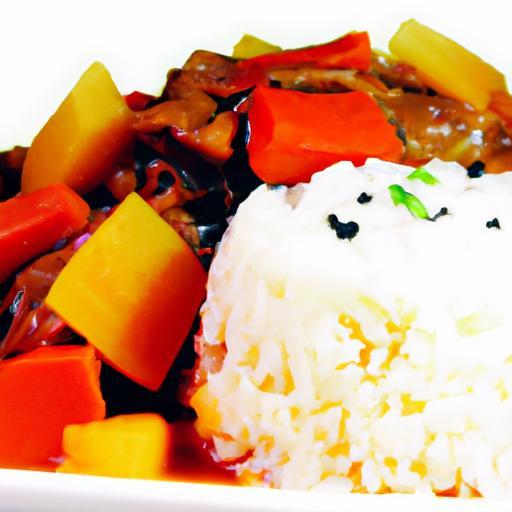

There’s a special kind of kitchen heartbreak that happens when a hearty stew, brimming with tender meats and fragrant vegetables, stubbornly clings to the bottom of your pot-transforming what should have been a comforting meal into a smoky, scorched disaster. If you’ve ever scraped at a burnt base, only to find your patience and appetite dwindling, you’re not alone. That frustrating sizzle and stick can turn any cook’s confidence upside down, but fret not: beneath the charred surface lies a stew salvation waiting to be uncovered. In this article, we’ll dive into the reasons why your stew sticks, how to rescue what’s savable, and most importantly, how to prevent those thick, burnt bottom blues from haunting your kitchen adventures ever again.
When stew sticks, every home cook’s heart sinks a little as the rich aroma turns to a smoky scent and a charred crust forms at the bottom of the pot. This age-old culinary challenge can frustrate even the most seasoned chefs, but understanding why your stew clings stubbornly to your pot is the first key to turning the tide. By mastering heat control techniques and adopting smart cooking habits, you can prevent that burnt bottom blues from ever darkening your kitchen. Plus, with the right rescue methods, your pot can be salvaged without wasting a single bite of that hearty, flavorful stew you worked so hard to craft. Let’s dive deep into the causes, prevention, and recovery, so your next stew turns out perfectly smooth, thick, and irresistibly delicious every time.
Prep and Cook Time
- Preparation Time: 20 minutes
- Cook Time: 1 hour 30 minutes
- Total Time: 1 hour 50 minutes
Yield
Serves 6 hearty portions
Difficulty Level
Medium – suitable for cooks comfortable with slow simmering and heat management
Ingredients
- 2 lbs beef chuck, cut into 1-inch cubes
- 3 tbsp olive oil, divided
- 1 large onion, diced
- 3 cloves garlic, minced
- 2 large carrots, sliced into rounds
- 2 stalks celery, chopped
- 3 tbsp all-purpose flour
- 4 cups beef broth
- 1 cup dry red wine (optional)
- 2 tbsp tomato paste
- 1 tsp dried thyme
- 2 bay leaves
- Salt and black pepper to taste
- Fresh parsley for garnish
Instructions
- Heat 2 tbsp olive oil in a heavy-bottomed pot over medium heat. Add the beef cubes in batches, avoiding overcrowding. Sear until a deep brown crust forms, about 3-4 minutes per side. Remove and set aside to prevent sticking from overcrowding.
- Add the remaining olive oil and toss in the onions, garlic, carrots, and celery. Sauté until softened and golden, approximately 7-8 minutes, stirring frequently to prevent sticking.
- Sprinkle in the flour over the vegetables and stir vigorously to coat everything evenly. Cook the flour for 2 minutes; this step thickens the stew and helps prevent it from sticking to the pot later.
- Deglaze the pot by slowly adding the red wine, scraping the bottom with a wooden spoon to release any browned bits. Allow the alcohol to cook off for 3 minutes.
- Return the beef to the pot, then add beef broth, tomato paste, thyme, and bay leaves. Stir gently, bringing the stew just to a simmer.
- Reduce heat to low, cover partially with a lid, and cook for 1 to 1.5 hours. Maintain a low simmer; vigorous boiling often causes sticking and burning.
- Stir the stew every 20 minutes, ensuring ingredients don’t cling to the bottom. Season with salt and black pepper during the final 10 minutes of cooking.
- Remove bay leaves, taste and adjust seasoning. Garnish with fresh parsley before serving.
Tips for Success
- Use a heavy-bottomed pot or Dutch oven: This distributes heat evenly, reducing hot spots that cause sticking and burning.
- Control your heat: Begin cooking at medium-high to sear, but always reduce to low after adding liquids. Slow, steady simmering is your stew’s best friend.
- If you notice sticking early, add a splash of broth or water and gently loosen the stuck bits with a wooden spatula-this keeps flavors intact and prevents burning.
- Rescue stuck stew: Gently tilt the pot and pour a bit of boiling water along the edges. Use a wooden spoon to carefully scrape, loosening burnt parts. Avoid vigorous scraping which can blend burnt fragments throughout.
- Make ahead: Stews often taste better the next day. Store refrigerated and reheat slowly on low heat, stirring frequently to prevent new sticking.
- Substitutions: Replace beef with lamb or chunky vegetables for a vegetarian option, adjusting cooking times accordingly.
Serving Suggestions
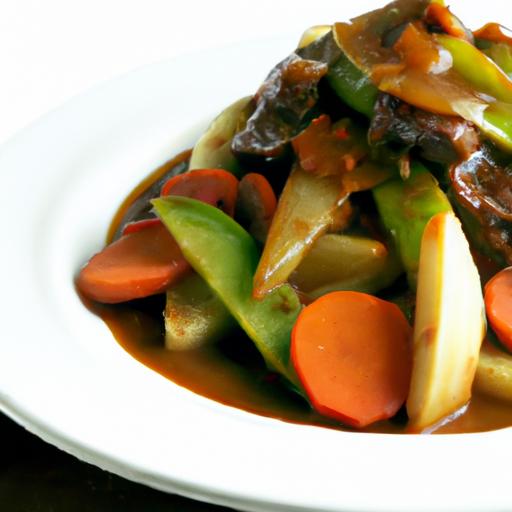
Serve your perfect stew spooned over creamy mashed potatoes, buttery egg noodles, or a bed of fluffy rice for a satisfying meal. For an added burst of freshness, sprinkle with chopped parsley or a swirl of sour cream. Paired with crusty artisan bread, this stew becomes a soul-warming delight, perfect for comforting family dinners or casual entertaining.

| Nutrient | Per Serving |
|---|---|
| Calories | 480 kcal |
| Protein | 38 g |
| Carbohydrates | 20 g |
| Fat | 28 g |
For more tips on achieving perfect textures in slow-cooked dishes, check out our Slow Cooker Secrets. And for expert advice on heat management, the Serious Eats’ beef stew guide offers invaluable insights into heat control and flavor development.
Q&A
Q: Why does my stew stick to the bottom of the pot and sometimes burn?
A: Stew sticks and burns often due to high heat, insufficient stirring, or a pot that doesn’t distribute heat evenly. When the temperature is too intense, the ingredients on the bottom start to caramelize and char, creating that dreaded burnt layer.
Q: Can the type of pot I use cause my stew to stick or burn?
A: Absolutely! Thin or uneven-bottomed pots heat unevenly and can cause hotspots where the stew burns. Heavy-bottomed pots or Dutch ovens help by distributing heat evenly, reducing the chance of sticking or burning.
Q: How can I prevent my stew from sticking in the first place?
A: Start by cooking your stew on low to medium heat, stirring regularly. Using enough liquid and a pot with a thick base will also help. Don’t rush the process-slow simmering is key to luscious, stick-free stew.
Q: What’s the secret to rescuing stew that’s started to stick but isn’t burnt yet?
A: Lower the heat immediately and add a bit more liquid-water, broth, or wine. Gently scrape the bottom with a wooden spoon to loosen the sticking bits while avoiding scraping off the browned flavor if it isn’t burnt.
Q: How do I fix stew when the bottom is already burnt?
A: First, don’t stir the burnt bits into the rest of the stew-this will spread the bitter taste. Carefully scoop out the unburnt portions into a new pot, leaving the charred bottom behind. Adding a peeled potato to the stew and simmering for 15 minutes can also absorb some of the burnt flavor.
Q: Can burnt stew ever be salvaged completely?
A: While you can often save the bulk of the stew and mask mild burnt notes with herbs and acidity (like a splash of lemon juice or vinegar), heavily burnt stew usually carries a bitter taste that’s hard to erase. Prevention is always your best friend!
Q: Are there culinary tricks to avoid stew sticking without constant stirring?
A: Yes! Using a slow cooker or a pressure cooker can reduce sticking since these methods regulate heat precisely and circulate moisture well. Also, deglazing-adding a splash of liquid to lift those tasty browned bits-helps prevent burning if you’re sautéing ingredients first.
Q: What role does stirring play in preventing stew from sticking?
A: Stirring keeps ingredients moving, preventing them from resting too long on the hot surface where they might stick. However, don’t over-stir; gentle turns every 10-15 minutes during simmering are usually sufficient.
Q: Can certain stew ingredients cause sticking more than others?
A: Ingredients high in sugars or thick starches-like tomatoes, carrots, or potatoes-can caramelize and contribute to sticking. Proteins that sear at the bottom too quickly also increase the chances if heat isn’t managed well.
Q: What’s the best takeaway for stew lovers battling the thick, burnt bottom blues?
A: Patience and the right gear are your allies. Cook slow, stir occasionally, choose pots wisely, and know how to rescue your stew if it starts to stick. With these tips, you’ll transform those burnt-bottom blues into a steamy, savory success every time!
To Wrap It Up
In the end, every pot of stew has its story-sometimes smooth, sometimes a little scorched at the bottom. But with a touch of patience and these handy fixes, you can rescue your thick, burnt-bottom blues and transform your stew into a comforting masterpiece. Remember, a little burnt crust may be a chef’s trial, but it’s never the final word. So next time your stew sticks, take a breath, apply these tips, and savor the rich, hearty reward waiting just beneath that stubborn layer. Happy cooking, and may your stew always simmer to perfection!