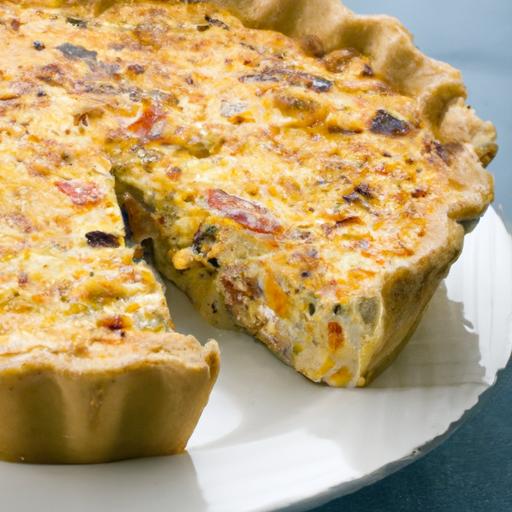

In the world of culinary delights, few dishes embody both elegance and comfort quite like the quiche. This savory custard nestled in a crisp, golden crust is a timeless classic, inviting endless variations and personal touches. Yet, achieving the perfect quiche-where flaky pastry meets a luxuriously smooth filling-can feel like an art form reserved for seasoned chefs. Fear not! Whether you’re a curious beginner or a kitchen veteran, this guide will unravel the secrets behind mastering the art of the perfect quiche. From selecting the ideal ingredients to nailing the technique, get ready to transform a humble dish into a show-stopping centerpiece that’s as delicious as it is impressive.
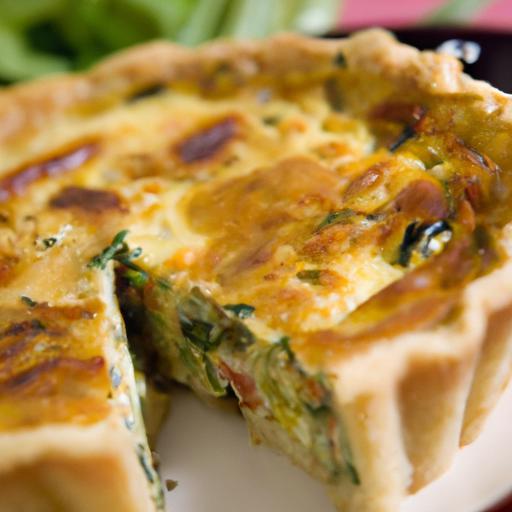
Mastering the Art of the Perfect Quiche: this recipe invites you to indulge in a delightful balance of flaky, buttery crust and a luscious, creamy filling bursting with savory richness. Whether you’re recreating a classic French favorite or elevating brunch to a new level, crafting the ideal quiche is a culinary adventure that rewards patience and precision.
Prep and Cook Time
- Preparation: 25 minutes
- Chilling: 30 minutes
- Cooking: 40 minutes
- Total Time: 1 hour 35 minutes
Yield
- Serves 6 generous portions
Difficulty Level
- Medium – perfect for home cooks ready to advance their skills
Ingredients
- For the Crust:
- 1 ¼ cups all-purpose flour, sifted
- ½ teaspoon fine sea salt
- 8 tablespoons (1 stick) unsalted butter, chilled and cubed
- 3-4 tablespoons ice-cold water
- For the Filling:
- 4 large free-range eggs
- 1 ½ cups heavy cream (or substitute half with whole milk for lighter custard)
- 1 teaspoon fine sea salt
- ½ teaspoon freshly ground black pepper
- ¼ teaspoon freshly grated nutmeg
- 1 cup shredded Gruyère cheese, packed
- 1 cup sautéed fillings (e.g., bacon, spinach, caramelized onions, mushrooms)
Instructions
- Prepare the crust: In a food processor, pulse the flour and salt together. Add the chilled, cubed butter and pulse until the mixture resembles coarse crumbs with visible pea-sized pieces of butter. Gradually add ice-cold water one tablespoon at a time, pulsing until the dough just holds together when pressed.
- Chill the dough: Turn out the dough onto a piece of plastic wrap, shape it into a disk, wrap tightly, and refrigerate for at least 30 minutes. This step prevents shrinking and enhances flakiness.
- Roll out the dough: On a lightly floured surface, roll the chilled dough into a 12-inch circle about ⅛-inch thick. Carefully transfer to a 9-inch tart pan with a removable bottom, pressing it gently to fit snugly without overstretching.
- Blind bake the crust: Prick the bottom with a fork, line with parchment paper, and fill with pie weights or dried beans. Bake at 375°F (190°C) for 15 minutes. Remove weights and parchment, then bake another 5-7 minutes until the crust is light golden. This step ensures a crisp barrier against a soggy filling.
- Prepare the filling: In a bowl, whisk together the eggs, heavy cream, salt, pepper, and nutmeg until completely combined and slightly frothy.
- Assemble the quiche: Sprinkle the shredded Gruyère cheese evenly over the prebaked crust. Add the sautéed fillings of your choice, distributing them evenly.
- Pour the custard: Slowly add the egg and cream mixture over the fillings, allowing it to settle without overflowing.
- Bake: Place the quiche in the oven at 350°F (175°C) for 35 to 40 minutes, or until the custard is set but still slightly wobbly in the center. Avoid overbaking to preserve that creamy texture.
- Cool and serve: Allow the quiche to rest for 10 minutes before slicing; this enhances flavor melding and prevents the filling from spilling out.
Tips for Success
- Butter temperature: Use cold, not room temperature butter to create those coveted flaky layers in the crust.
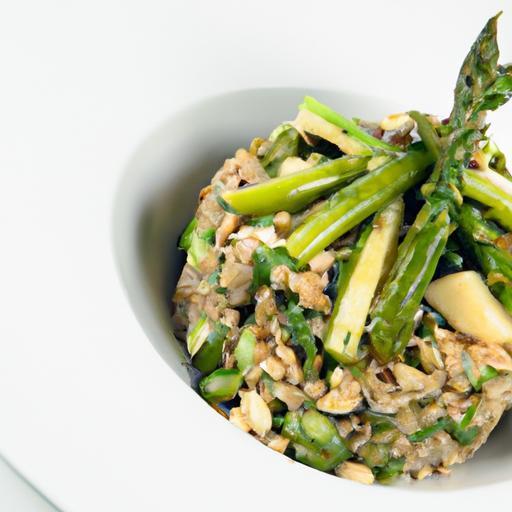
- Custom fillings: Balance richer ingredients like bacon or sausage with light, fresh vegetables such as asparagus or zucchini to maintain harmony.
- Make-ahead magic: Both crust and filling can be prepared a day in advance; store crust dough wrapped tightly and filling covered in the fridge.
- Prevent toughness: Handle dough just until it comes together to avoid gluten overdevelopment which causes tough crusts.
- Test for doneness: Insert a knife in the center; if it comes out clean or with a slight custard film, your quiche is perfect.
Serving Suggestions
This quiche shines beautifully at brunch or a light dinner. Slice warm or at room temperature and pair with a zesty arugula salad tossed with lemon vinaigrette. Garnish with fresh herbs such as chives, thyme, or flat-leaf parsley for a pop of color and subtle brightness. For an elevated touch, serve alongside a chilled glass of crisp white wine or sparkling water infused with cucumber slices.

| Nutrient | Per Serving |
|---|---|
| Calories | 410 kcal |
| Protein | 18 g |
| Carbohydrates | 25 g |
| Fat | 28 g |
For decorating inspiration and creative twists, explore our Savory Brunch Recipes Collection. To dive deeper into the science of perfect pastry, check out Serious Eats’ Ultimate Guide to Pie Crust.
Q&A
Q&A: Mastering the Art of the Perfect Quiche: A Savory Guide
Q1: What makes a quiche truly perfect?
A1: The perfect quiche strikes a harmonious balance between a flaky, buttery crust and a luscious, velvety filling. It’s all about achieving that golden, slightly crisp edge while the inside remains rich yet light. Texture and flavor must dance together-creamy eggs, savory cheese, fresh herbs, and your choice of fillings melding into a unified culinary symphony.
Q2: Should I use pre-made crust or make my own?
A2: While pre-made crusts can save time, crafting your own from scratch adds a layer of homemade charm and control over flavor. A classic pâte brisée-cold butter, flour, a pinch of salt, and just enough ice water-is the foundation of flaky perfection. For the purists, the process is half the joy; for the busy bees, store-bought is a fine shortcut!
Q3: How do I prevent a soggy quiche crust?
A3: Ah, the soggy bottom-every quiche baker’s nemesis. Key tactics include blind baking the crust first to create a sturdy barrier, brushing it lightly with egg white before adding the filling, or sprinkling a thin layer of grated cheese or breadcrumb on the crust base. These create that magical seal that keeps moisture from invading your golden fortress.
Q4: What’s the ideal ratio of eggs to cream?
A4: The classic ratio hovers around 3 large eggs to 1 cup of cream (or half-and-half for a lighter touch). This ratio ensures a custard that’s firm enough to slice but still silky to the bite. Feel free to adjust with milk or crème fraîche depending on desired richness and texture.
Q5: Can I get creative with fillings?
A5: Absolutely! From traditional Lorraine with smoky bacon and Gruyère, to garden-fresh versions bursting with spinach, mushrooms, and goat cheese, quiche is a canvas for savory creativity. Just remember to cook or sauté any moisture-heavy vegetables first to avoid watery results.
Q6: What’s the secret to perfectly cooked quiche?
A6: Baking at a moderate temperature-around 350°F (175°C)-allows the filling to set gently without cracking or browning excessively. Look for a quiche that’s puffed slightly and golden on top, with a gentle jiggle in the center that finishes firming as it cools.
Q7: How do I serve quiche for maximum impact?
A7: Quiche is a versatile delight-serve warm or at room temperature alongside a crisp green salad, a drizzle of fresh herb vinaigrette, or even a fruity chutney. For brunch or a light dinner, pair it with a chilled glass of white wine or sparkling water infused with lemon.
Q8: Can quiche be made ahead?
A8: Yes! Quiche actually deepens in flavor the next day. Bake it fully, then cool and refrigerate, covered tightly. Reheat gently in a low oven or enjoy cold as a picnic treat. For parties, mini quiches or tartlets made ahead keep things effortless and elegant.
With these insights in hand, you’re ready to conquer the quiche kingdom-one slice at a time. Happy baking!
To Wrap It Up
As you close the oven door on your perfectly golden quiche, you’ll realize that mastering this timeless dish is more than just following a recipe-it’s an art form that invites endless experimentation and personal flair. From the buttery crust to the harmonious dance of fillings, each quiche tells a story of savory creativity and culinary confidence. Armed with these insights and techniques, you’re now ready to turn humble ingredients into a masterpiece that delights every palate and occasion. So go forth, slice boldly, and savor the satisfying symphony of flavors that only a perfect quiche can deliver. Your journey from novice to quiche connoisseur has just begun-may every bite be a celebration of your newfound expertise.