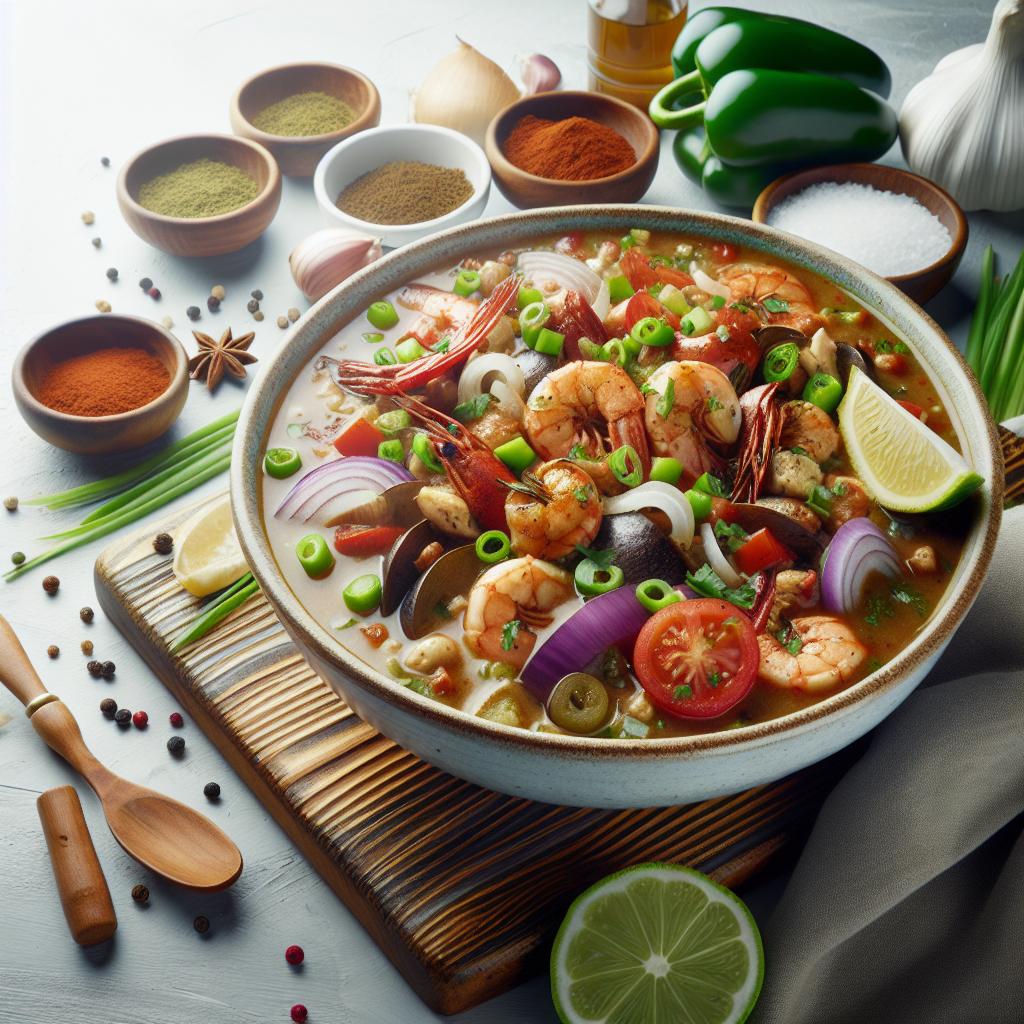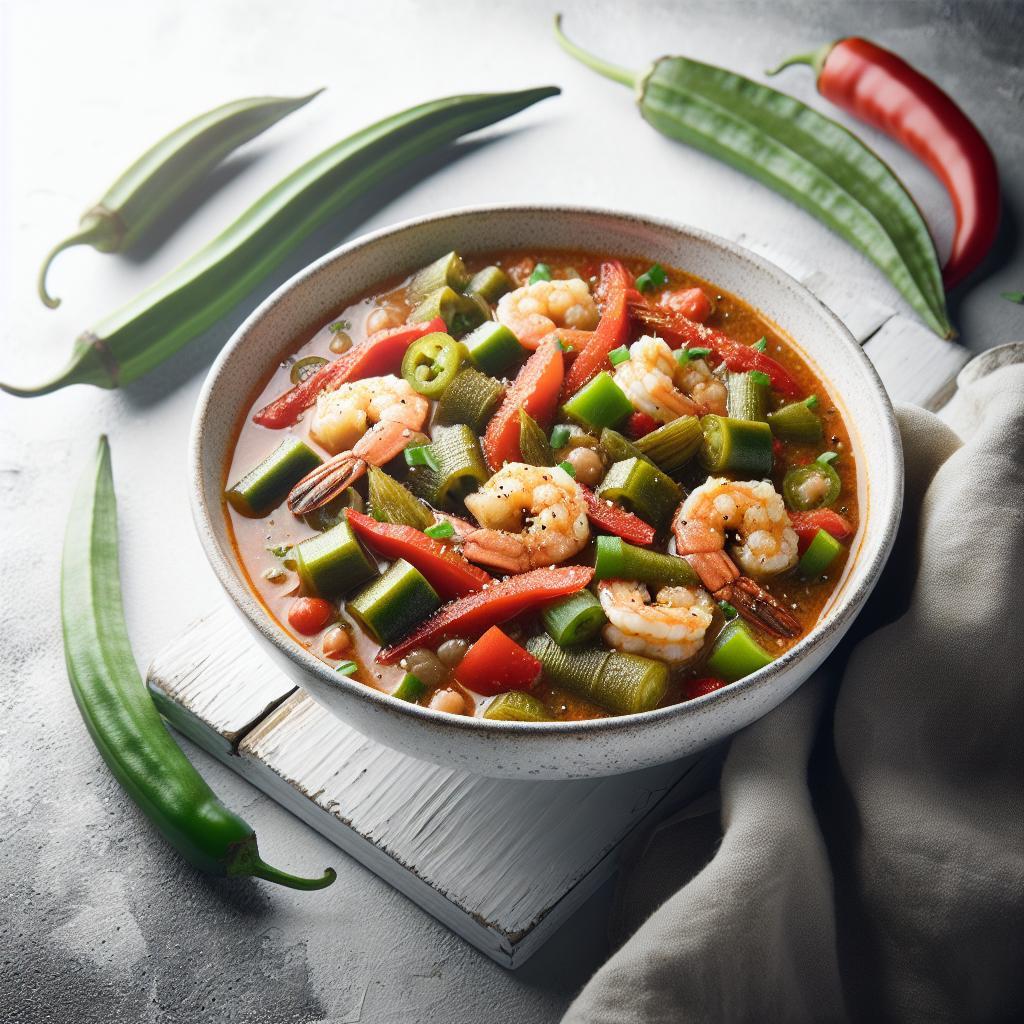

Dive into the heart of Southern cuisine with “Savor the Flavor: Your Ultimate Guide to Authentic Gumbo,” where every spoonful tells a story. This rich, aromatic stew is more than just a dish-it’s a celebration of culture, history, and the vibrant communities that have perfected its recipe over generations. From the bold, smoky undertones of roux to the harmonious blend of fresh seafood, tender meats, and lively spices, gumbo is a culinary masterpiece waiting to be explored. Join us as we unravel the secrets behind this iconic comfort food, offering you insights, tips, and traditions that bring the authentic gumbo experience right to your kitchen. Get ready to awaken your senses and savor the true flavor of the South.
Savor the Flavor of a classic gumbo, a dish that beautifully captures the heart and soul of Louisiana’s rich culinary heritage. This iconic stew melds French, Spanish, African, and Native American influences into a symphony of bold, smoky, and deeply comforting tastes. Whether you’re stirring a pot of Cajun gumbo or savoring the slightly more delicate Creole version, mastering gumbo unlocks a world of cultural stories and sensational flavors that have been treasured for centuries.
Prep and Cook Time
Preparation: 20 minutes | Cooking: 1 hour 30 minutes
Yield
Serves 6 to 8 hearty portions
Difficulty Level
Medium – Perfect for adventurous home cooks eager to refine their technique
Ingredients
- 1 cup all-purpose flour, sifted
- 1 cup vegetable oil
- 1 large onion, finely diced
- 1 green bell pepper, diced
- 3 celery stalks, diced
- 4 cloves garlic, minced
- 8 cups chicken stock, preferably homemade
- 1 pound Andouille sausage, sliced
- 1 pound boneless chicken thighs, cut into bite-sized pieces
- 1 pound shrimp, peeled and deveined (optional for seafood gumbo)
- 2 teaspoons Creole seasoning
- 2 bay leaves
- 1 teaspoon dried thyme
- Salt and freshly cracked black pepper, to taste
- Cooked white rice, for serving
- Chopped green onions and fresh parsley, for garnish
Instructions
- Prepare the roux: In a heavy-bottomed pot or cast iron Dutch oven, whisk together 1 cup of vegetable oil and 1 cup of flour over medium heat. Stir constantly to prevent burning. Cook until the roux turns a deep caramel brown, about 20-25 minutes. Patience here is key-this deep, nutty roux is the foundation of your gumbo’s signature flavor.
- Add the Holy Trinity: Immediately stir in the finely diced onion, green bell pepper, and celery (known as the “Holy Trinity” in Cajun cooking). Cook until softened, about 5-7 minutes, then add the minced garlic and sauté for an additional minute until fragrant.
- Incorporate meats and spices: Add sliced Andouille sausage and chicken pieces to the pot, stirring to combine. Season with Creole seasoning, thyme, and bay leaves. Cook until chicken browns slightly, about 8-10 minutes.
- Add stock and simmer: Pour in the chicken stock, scraping up any browned bits stuck to the bottom of the pan to deepen your flavors (a process known as deglazing). Bring to a boil, then reduce heat and simmer uncovered for 45 minutes, stirring occasionally.
- Finish with shrimp (optional): If adding shrimp, stir them in during the last 5 minutes of cooking, just until pink and cooked through. Remove the bay leaves before serving.
- Season to taste: Adjust salt, pepper, and Creole seasoning as needed. The gumbo should have a balanced depth of smoky, spicy, and savory notes.
- Serve over fluffy cooked white rice, garnished generously with chopped green onions and freshly chopped parsley.
Tips for Success
- Roux mastery: Stir constantly and keep your heat steady to avoid burning. If your roux darkens too quick or smells burnt, start fresh-since burnt roux will ruin the gumbo’s flavor.
- Stock matters: Use a rich homemade or high-quality chicken stock for depth. You can substitute with seafood stock to enhance seafood gumbo varieties.
- Protein flexibility: Substitute chicken with turkey or add oysters to switch up proteins while keeping authentic flavor profiles.
- Make ahead: Gumbo tastes even better the next day as flavors deepen. Refrigerate and gently reheat, adding extra broth if too thick.
- Spice control: Adjust the Creole seasoning carefully-gumbo can be spicy, but you want a balanced heat that enhances, not overpowers.
Serving Suggestions
Present your gumbo steaming hot in deep bowls over freshly cooked white rice. Encourage guests to garnish with a sprinkling of chopped green onions and parsley for freshness and a pop of color. Serve alongside crusty French bread or buttery corn muffins to soak up every last bit of that velvety, aromatic sauce. A crisp mixed greens salad pairs beautifully to balance the richness, while a classic New Orleans-style cocktail like a Sazerac or a cold beer rounds out the experience.
| Nutrient | Per Serving |
|---|---|
| Calories | 420 kcal |
| Protein | 32 g |
| Carbohydrates | 28 g |
| Fat | 18 g |
Discover more about Cajun and Creole culinary traditions by visiting Louisiana Public Media’s Culinary History. For inspiration on pairing gumbo with other authentic Southern favorites, explore our classic Creole recipes to complete your Louisianan feast.

Q&A
Q&A: Savor the Flavor – Your Ultimate Guide to Authentic Gumbo
Q1: What exactly is gumbo, and why is it so beloved?
A1: Gumbo is a rich, hearty stew that embodies the cultural melting pot of Louisiana. It’s a celebration in a bowl-melding French, African, Spanish, and Native American influences. Beloved for its deep flavors and comforting textures, gumbo is more than food; it’s a soulful tradition passed down through generations.
Q2: What makes authentic gumbo different from other stews or soups?
A2: Authentic gumbo relies on a few key elements: a dark, nutty roux, the “holy trinity” of Cajun cuisine (onion, bell pepper, celery), and a carefully curated mix of proteins like sausage, chicken, or seafood. Each spoonful carries layers of seasoning, slow-cooked magic, and a distinct Louisiana charisma that stews just can’t replicate.
Q3: How do you achieve the perfect roux for gumbo?
A3: Patience is your best friend here. The roux-equal parts flour and fat-is cooked low and slow, stirring constantly until it transforms from blonde to a luscious chocolate-brown. This process unlocks the deep, smoky flavors that define gumbo’s signature taste. Resist the urge to rush; this slow caramelization is the heart of your dish.
Q4: Can gumbo be made vegetarian, or does it always need meat or seafood?
A4: While classic gumbo often centers around meats and shellfish, vegetarian gumbo is a flavorful possibility. Swap traditional proteins for hearty mushrooms, okra, and smoked paprika or liquid smoke for depth. The magic is in the seasoning and roux, so even without meat, you’ll savor a pot brimming with soul.
Q5: What’s the secret to seasoning gumbo perfectly?
A5: Balance and layering. Salt, cayenne, thyme, bay leaves, and often a dash of file powder (ground sassafras leaves) come together to evoke gumbo’s complexity. Taste gradually and adjust-gumbo is forgiving but thrives on harmony, with a little heat to awaken your palate and herbs to ground the dish.
Q6: How is gumbo traditionally served?
A6: Most often over a bed of fluffy white rice that soaks up every flavorful drop. It’s common to add a sprinkle of green onions or parsley on top for freshness and color. Gumbo is typically served family-style, encouraging sharing, stories, and savoring-because it’s as much about connection as it is about flavor.
Q7: Can I prepare gumbo ahead of time?
A7: Absolutely! Gumbo often tastes even better the next day as the flavors meld and deepen. Store it in the fridge and reheat gently over low heat. Just remember to stir well, add a splash of broth or water if it thickens too much, and keep your rice separate until serving to avoid sogginess.
Q8: What’s one last tip for someone making gumbo for the first time?
A8: Embrace the journey. Making gumbo is an art and a ritual that invites creativity and patience. Don’t fret over exact measurements-instead, tune in to the aromas and the look of each step. With every stir, you’re crafting a dish that’s uniquely yours, steeped in tradition yet bursting with personal flair. Savor the process, just as you savor the flavor.
The Conclusion
As the rich aromas of roux and spices linger in the air, your journey into the heart of authentic gumbo comes full circle. This beloved dish is more than just a meal-it’s a celebration of heritage, culture, and the soulful spirit of Louisiana. Whether you’re stirring your first pot or refining a family recipe, remember that gumbo is as much about savoring the shared stories around the table as it is about the flavors in the bowl. So, roll up your sleeves, embrace the boldness of the bayou, and let each spoonful transport you to a place where tradition meets taste-welcome to the true essence of gumbo.