
In the heart of Italy’s sun-drenched villages and bustling piazzas, the cannoli stands as a sweet symbol of tradition and celebration. This iconic pastry, with its crisp, golden shell and luscious, creamy filling, has woven its way through centuries of Sicilian culture to become a beloved treat around the world. But beneath its simple elegance lies a craft perfected over generations – a delicate balance of texture, flavor, and technique that transforms humble ingredients into a timeless delight. Join us as we unravel the secrets to crafting classic cannoli, unlocking the authentic Italian magic that turns every bite into a delectable journey to the Mediterranean.
Crafting Classic Cannoli is a journey into the heart of Sicily, where crispy, golden shells encase the sweet, creamy filling that has enchanted palates for centuries. Perfecting the shell is paramount to achieving that signature satisfying crunch, paired beautifully with the traditional ricotta-based filling bursting with authentic Sicilian flavors. Let’s delve into each step to master this Italian delight using time-honored techniques and presentation tips that will make your cannoli irresistible.
Prep and Cook Time
- Preparation: 45 minutes
- Resting Dough: 1 hour
- Frying: 15 minutes
- Filling and Assembly: 20 minutes
- Total Time: Approximately 2 hours 20 minutes
Yield
Approximately 12 cannoli shells, serving 6-8 people depending on portion size.
Difficulty Level
Advanced-Intermediate: Requires some finesse in dough handling and deep-frying technique but rewarding with practice.
Ingredients
- For the Shells:
- 2 cups all-purpose flour, sifted
- 2 tablespoons granulated sugar
- 1/2 teaspoon fine sea salt
- 1 tablespoon unsweetened cocoa powder (optional, for color and subtle flavor)
- 3 tablespoons unsalted butter, chilled and cubed
- 1 large egg
- 1/2 cup dry white wine (such as Marsala or Pinot Grigio)
- Vegetable oil, for deep frying
- For the Traditional Filling:
- 2 cups whole milk ricotta, drained overnight
- 3/4 cup powdered sugar, sifted
- 1 teaspoon pure vanilla extract
- 1/4 cup mini dark chocolate chips
- Zest of one organic orange
- Optional: 1 tablespoon maraschino cherries, finely chopped
- For Garnish:
- Powdered sugar, for dusting
- Chopped pistachios
- Additional chocolate chips or candied orange peel
Instructions
- Prepare the Dough: In a large bowl, combine the sifted flour, sugar, salt, and cocoa powder (if using). Cut in the chilled butter with your fingertips or a pastry cutter until the mixture resembles coarse crumbs.
- Incorporate Wet Ingredients: Whisk the egg and white wine together. Gradually add this to the flour mixture, stirring with a fork until the dough begins to come together. Knead lightly on a clean surface until smooth and elastic, about 8-10 minutes. Wrap in plastic and let rest for 1 hour at room temperature.
- Roll and Cut: Roll the dough out on a lightly floured surface to a thickness of about 1/8 inch. Using a 4-inch round cutter, cut circles carefully to maintain uniformity.
- Shape the Shells: Wrap each dough circle around a greased cannoli tube, sealing edges with a dab of water or egg white. Ensure a snug fit to prevent oil from entering during frying.
- Heat the Oil: In a deep pot or fryer, heat vegetable oil to 350°F (175°C). Use a candy thermometer for accuracy; too hot and shells burn, too cool and shells absorb oil, losing crispness.
- Fry the Shells: Fry the wrapped shells in batches, carefully lowering them into the oil. Fry for 2-3 minutes, turning with tongs occasionally, until golden brown and crisp. Remove with a slotted spoon and drain on paper towels. Allow shells to cool slightly before carefully sliding off the tubes.
- Prepare the Filling: In a chilled bowl, combine the well-drained ricotta, powdered sugar, and vanilla extract. Mix gently until smooth. Fold in the chocolate chips, orange zest, and chopped cherries if using. Refrigerate for 15-20 minutes to let flavors meld and texture firm.
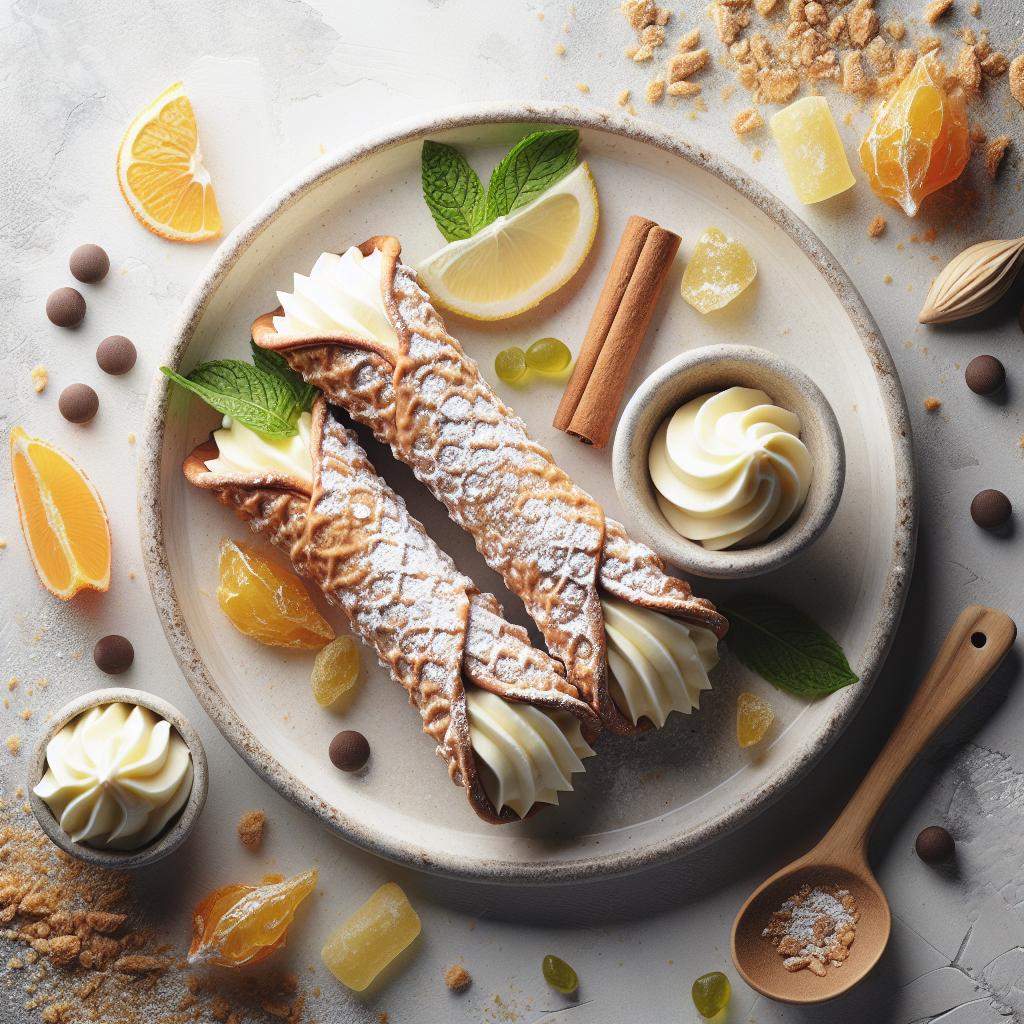
- Assemble Cannoli: Fill a piping bag fitted with a wide round tip with the ricotta mixture. Pipe the filling into each shell carefully from both ends to maintain crunch. Fill just before serving to keep shells crisp.
- Garnish and Serve: Dust the assembled cannoli with powdered sugar. Dip ends in chopped pistachios, extra chocolate chips, or candied orange peel for color and texture contrast. Serve immediately.
Tips for Success
- Drain the Ricotta Thoroughly: Excess moisture ruins the filling texture and softens shells prematurely.
- Wine Matters: Using a traditional dry white wine in the dough enhances flavor and contributes to crispness. Avoid substitutes with strong or sweet notes.
- Frying Temperature: Consistently maintain the oil temperature-too low causes oil absorption, too high burns shells.
- Make Ahead: Shells can be fried up to 24 hours in advance and stored in an airtight container. Fill right before serving.
- Creative Variations: Try infusing the filling with cinnamon, or swapping out orange zest for lemon for a different citrus profile, maintaining the authentic backbone.
Serving Suggestions
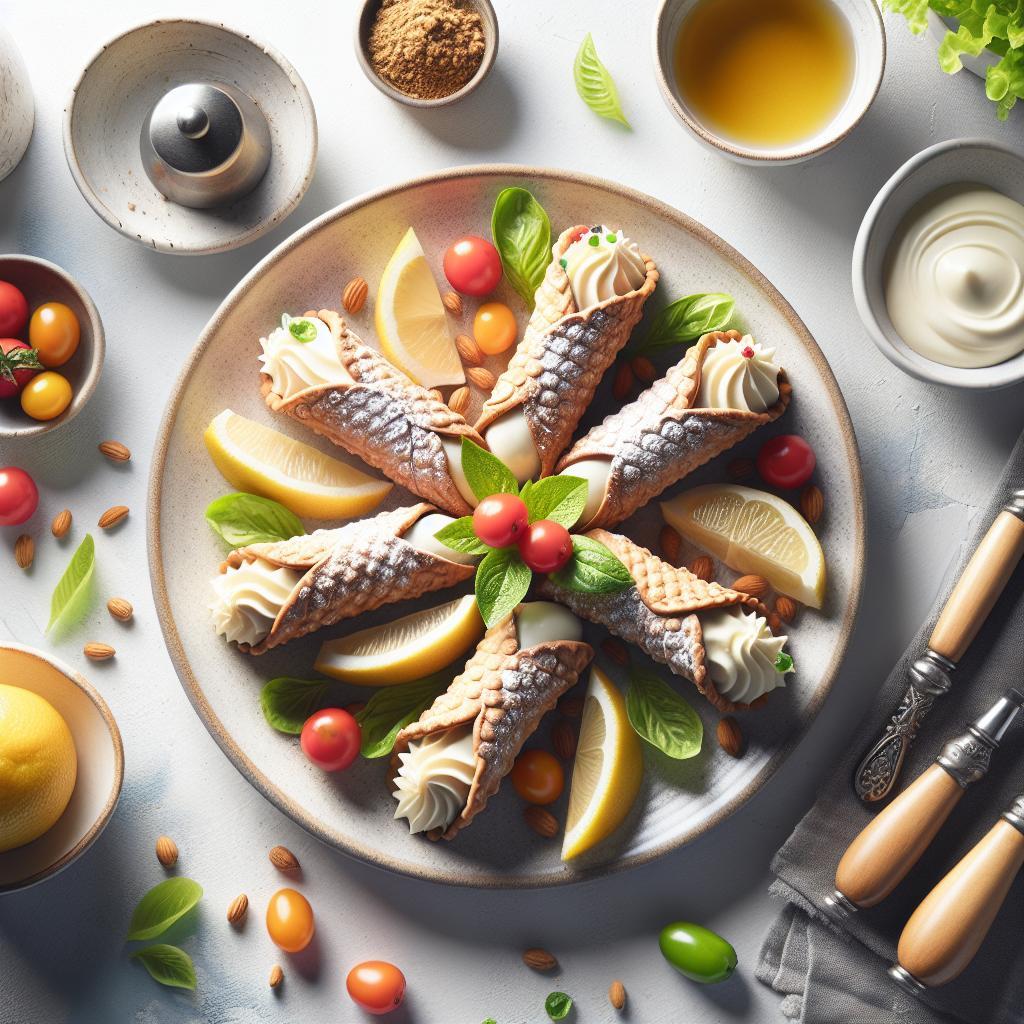
Present your cannoli on a long, narrow platter lined with parchment or a rustic wooden board. Arrange them in a neat row with a gentle dusting of powdered sugar to simulate Sicilian street markets. Accompany with a small bowl of espresso or a glass of Marsala wine for an authentic Italian experience. Garnish with fresh mint sprigs or edible flowers to add sophistication and fresh contrast to the rich textures.
| Nutritional Info | Per Serving (2 Cannoli) |
|---|---|
| Calories | 310 kcal |
| Protein | 7 g |
| Carbohydrates | 38 g |
| Fat | 14 g |
Discover other Sicilian treats to complement your cannoli and learn about traditional Italian culinary heritage to deepen your appreciation of this classic indulgence.

Q&A
Q&A: Crafting Classic Cannoli: Secrets to Authentic Italian Delight
Q1: What makes a cannoli truly authentic?
A1: Authenticity in cannoli lies in the harmony of crisp, golden shells paired with luscious, creamy ricotta filling. The shells should be meticulously fried to achieve a delicate crunch without greasiness, while the filling must strike the perfect balance of sweet richness and light fluffiness, often enhanced with hints of citrus zest and a whisper of cinnamon.
Q2: What type of ricotta is best for cannoli filling?
A2: The ideal ricotta for cannoli is fresh, full-fat, and well-drained. Traditional Sicilian cannoli use sheep’s milk ricotta, which offers a richer, tangier profile than cow’s milk varieties. Properly drained ricotta prevents a runny filling and ensures the creamy texture that defines a perfect cannolo.
Q3: How do you achieve that signature crunch in the cannoli shell?
A3: The secret to the cannoli shell’s crunch is a combination of the right dough recipe and precise frying technique. The dough often includes a splash of vinegar or Marsala wine to create a light, flaky texture. Frying at a steady temperature until golden-brown, then allowing shells to cool on a rack, ensures they stay crisp without soaking up excess oil.
Q4: Can cannoli be made ahead of time?
A4: While the shells can be made days in advance if stored airtight, it’s best to fill them just before serving. Filling ahead of time leads to soggy shells as the moisture from the ricotta seeps in. For the freshest crunch and creaminess, assemble shortly before enjoying.
Q5: Aside from the traditional powdered sugar and pistachio toppings, what are some authentic garnishes?
A5: Classic garnishes include candied orange peel and mini chocolate chips. Sometimes toasted pistachios, a dusting of cocoa powder, or a drizzle of melted chocolate can add delightful layers of flavor while honoring authentic Sicilian heritage.
Q6: What is the historical significance of cannoli in Italian culture?
A6: Originating from Sicily, cannoli were traditionally a celebratory treat, especially during Carnevale, the pre-Lenten festival. Their rich symbolism comes from the indulgence before Lent’s austerity, representing a joyful embrace of sweetness and abundance.
Q7: Are there regional variations of cannoli in Italy?
A7: Absolutely! While Sicilian cannoli are the benchmark, variations exist – some regions incorporate local ingredients like almond flour in the shells or experiment with ricotta blended with mascarpone or ricotta mixed with chocolate. However, the soul of cannoli remains a crispy shell encasing creamy ricotta filling.
Crafting classic cannoli is both an art and a journey, one that invites you to taste a slice of Italian tradition with every crispy, creamy bite. Embrace these secrets, and you’ll bring the true Italian delight to your own kitchen.
To Wrap It Up
As the final dusting of powdered sugar settles on your golden, crispy cannoli shells, remember that crafting this classic Italian treat is as much about heart as it is about technique. Each bite is a journey to Sicily’s sun-soaked shores, where tradition and flavor intertwine in perfect harmony. Whether you’re a seasoned baker or a curious novice, embracing the secrets of authentic cannoli opens a door to a timeless delight that transcends generations. So, roll up your sleeves, savor the process, and let your kitchen be filled with the sweet whispers of Italy’s beloved pastry – because in crafting classic cannoli, you’re not just making dessert, you’re celebrating a story of heritage, passion, and delicious artistry. Buon appetito!