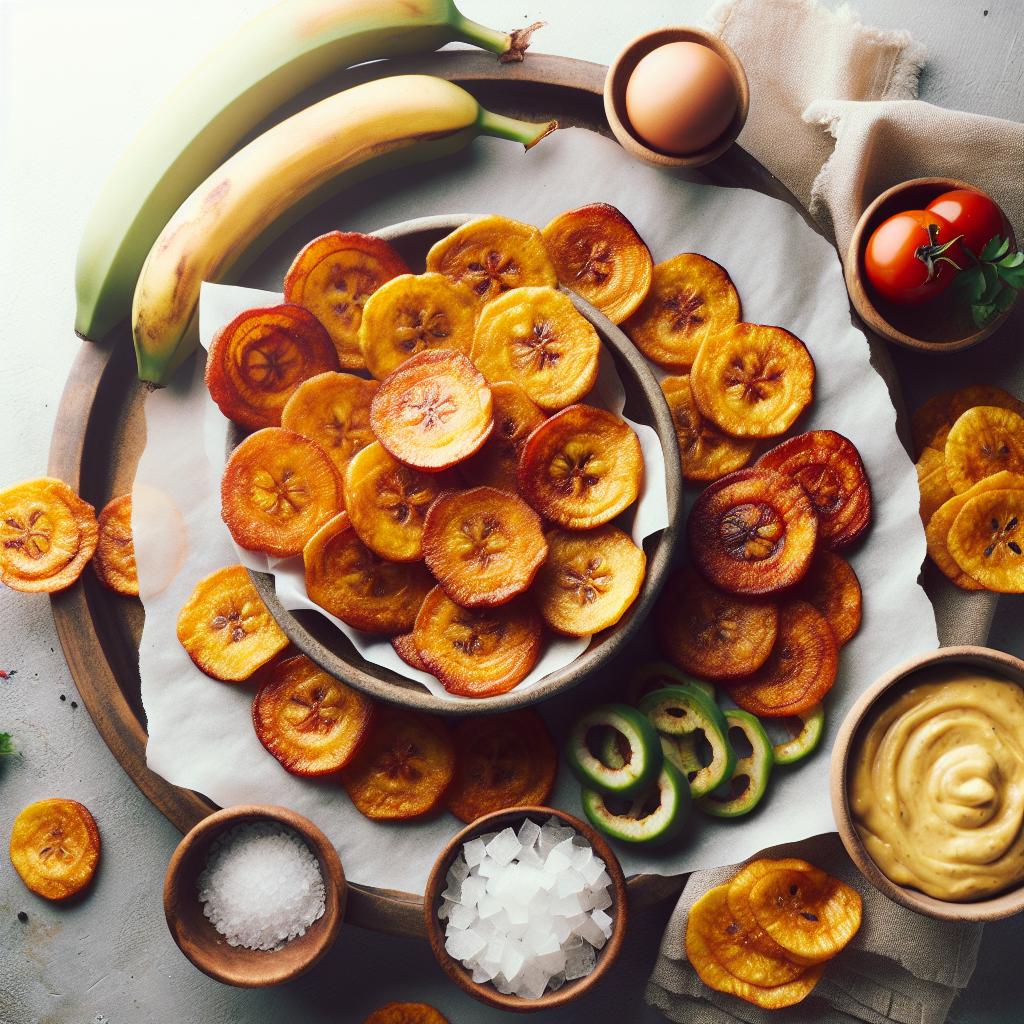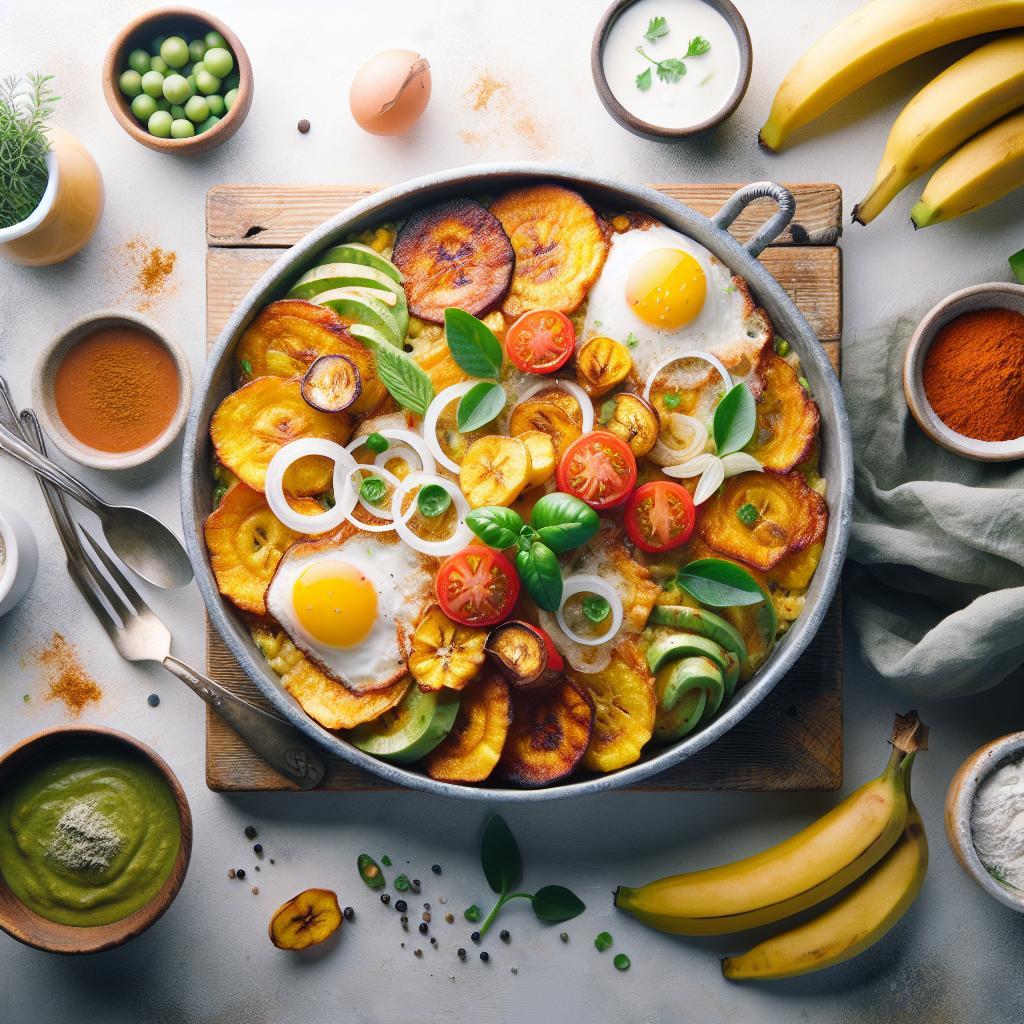

Golden, crispy, and irresistibly savory, patacones are the crunchy delight that has stolen the hearts (and taste buds) of food lovers across the globe. But what exactly are these crunchy plantain treats, and how did they become a beloved staple in Latin American kitchens? In this article, we peel back the layers of history, culture, and culinary technique to uncover the magic behind patacones. From their humble origins to the secrets of achieving the perfect crunch, join us on a flavorful journey as we explore everything you need to know about these delectable, twice-fried plantain discs.
- Origins and Cultural Significance of Patacones
- Mastering the Art of Perfectly Crispy Patacones
- Creative Toppings and Flavor Pairings to Elevate Your Patacones
- Essential Tips and Tools for Effortless Patacones at Home
- Prep and Cook Time
- Yield
- Difficulty Level
- Ingredients
- Instructions
- Chef’s Notes: Tips for Success
- Serving Suggestions
- Nutritional Information
- Q&A
- Key Takeaways
Origins and Cultural Significance of Patacones
Patacones Uncovered: The journey of these crispy plantain treats begins centuries ago across the Caribbean coastlines and Latin American countries. Patacones, or twice-fried green plantains, are a beloved staple in many cultures, from Colombia to Panama and beyond, serving not just as food but as a symbol of communal gatherings and home-cooked comfort. Their crunchy texture paired with mild sweetness showcases a unique way of transforming humble plantains into irresistible snacks or accompaniments that tell a story of tradition, resilience, and shared joy.
In many households, patacones are more than a side dish-they embody cultural pride and a connection to ancestral flavors. Each region boasts its own twist, varying from simple salted versions to garnished specialties with local sauces and proteins. Understanding the history behind patacones enriches the experience, inviting cooks and diners alike to appreciate their cultural roots every time they savor a golden, crisp bite.
Mastering the Art of Perfectly Crispy Patacones
Getting the perfect crunch on your patacones is both an art and a science. It begins with selecting sturdy, unripe green plantains that are firm to the touch-this ensures a crispy exterior without a soggy center. The process involves peeling, slicing, frying once to soften the plantain, pressing them flat, and frying a second time to achieve that iconic crispness.
Temperature control is key: frying at a medium-high heat around 350°F allows for even cooking without burning. Pressing the plantain discs evenly is essential-too thin and they may break, too thick and they’ll remain doughy inside. Using a traditional wooden press or a heavy flat-bottomed utensil yields the best results. The end goal is a crunchy, golden disc with a fluffy interior, ready to be loved in myriad ways.
Creative Toppings and Flavor Pairings to Elevate Your Patacones
Once mastered, patacones become a versatile canvas inviting bold and inventive toppings. Classic accompaniments include mashed avocado with lime, crumbled queso fresco, smoky black beans, or pulled pork drizzled with tangy chimichurri. For a fresh twist, try tropical salsas combining mango, red onion, and cilantro, or go savory with garlic shrimp and a drizzle of spicy aioli.
Pairing patacones with dips such as guacamole, pink sauce (a mix of ketchup and mayonnaise), or zesty pico de gallo can transform snack time into a lively fiesta of flavors. Their mild, slightly starchy base pairs beautifully with citrus, spicy, and creamy elements, encouraging endless experimentation for meals that excite the palate and brighten the plate.
Essential Tips and Tools for Effortless Patacones at Home
To make your patacones adventure enjoyable and foolproof, start with the right tools. A sharp paring knife or plantain peeler makes quick work of the thick skins. A sturdy cast-iron skillet or a heavy-bottomed frying pan ensures stable heat distribution, vital for crisp frying. The wooden pataconera press (or an improvised flat-bottomed cup) presses evenly without tearing the plantain slices.
Use fresh oil and monitor the temperature with a candy or deep-fry thermometer for consistent results. After frying, drain your patacones on paper towels to remove excess oil and sprinkle lightly with sea salt while still hot to enhance flavor. Keep batches warm in a low oven if cooking for a crowd. These thoughtful touches guarantee that your culinary creation will deliver a perfect crunch with minimal effort.
Prep and Cook Time
- Preparation: 10 minutes
- Cooking: 20 minutes
- Total Time: 30 minutes
Yield
Serves 4 as an appetizer or side dish (approximately 16 patacones)
Difficulty Level
Easy – Perfect for cooks of all skill levels
Ingredients
- 4 large green plantains, peeled and cut into 1-inch thick slices
- 2 cups vegetable oil (for frying)
- 1 teaspoon sea salt, or to taste
- Lime wedges (optional, for serving)
- Optional toppings: guacamole, crumbled queso fresco, black bean salsa, pulled pork, spicy aioli
Instructions
- Peel the plantains by cutting off the ends and scoring the skin lengthwise with a knife. Use your fingers to remove the thick peel carefully.
- Slice the plantains into rounds about 1 inch thick ensuring uniform pieces for even cooking.
- Heat the vegetable oil in a heavy skillet over medium-high heat until it reaches 350°F (175°C). Use a thermometer for accuracy.
- Fry the plantain slices for about 3 minutes on each side until lightly golden and tender but not fully crispy. Use tongs to flip gently.
- Remove the slices from the oil and place them on paper towels to drain excess oil.
- Using a pataconera press or the bottom of a heavy glass, flatten each fried slice to approximately ¼ inch thickness. Avoid pressing too hard to prevent cracking.
- Return the flattened plantains to the hot oil and fry again for 2-3 minutes per side until golden brown and crisp.
- Drain on fresh paper towels and immediately sprinkle with sea salt to taste.
- Serve hot with lime wedges and your choice of toppings or dips.
Chef’s Notes: Tips for Success
- Use firm green plantains for best texture; ripe yellow plantains will become too soft and sweet.
- Maintain oil temperature to ensure even frying; too hot burns the outside before cooking through.
- If pressed slices crack, gently press with your fingers to seal before second fry.
- For a healthier version, bake flattened slices at 425°F (220°C) for 20 minutes, flipping halfway.
- Make-ahead: Fry once and press, then refrigerate. Fry second time just before serving.
Serving Suggestions
Patacones shine on a colorful platter topped with vibrant guacamole, a sprinkle of fresh cilantro, or a dollop of sour cream. Layer with shredded beef or chicken and finish with a drizzle of chipotle sauce for a hearty main. Pair with tropical salsas or creamy avocado to complement their crisp texture. As a snack, serve with lime wedges and a sprinkle of coarse sea salt for an addictive, finger-licking treat.

Nutritional Information
| Nutrient | Per Serving |
|---|---|
| Calories | 220 kcal |
| Protein | 1.5 g |
| Carbohydrates | 28 g |
| Fat | 11 g |
For further insights and creative Latin American recipes, check out our guide to traditional dishes. Enhance your kitchen repertoire with authentic flavors.
Learn more about plantains and their nutritional benefits at NutritionValue.org, a trusted source for accurate food information.
Q&A
Q&A: Patacones Uncovered – The Crispy Plantain Treats Explained
Q1: What exactly are patacones?
A1: Patacones, also known as tostones, are twice-fried green plantain slices. These crispy, golden discs are a beloved savory snack or side dish in many Latin American and Caribbean cuisines. Their irresistible crunch and subtle, earthy flavor make them a versatile treat that’s both comforting and exciting.
Q2: How are patacones made?
A2: The magic begins with green (unripe) plantains, sliced into thick rounds. These slices are fried once until soft, then gently smashed to flatten them. After that, they take a second trip to the hot oil, frying until perfectly crispy and golden. The final touch is a sprinkle of salt-or any seasoning you fancy!
Q3: Why use green plantains instead of ripe ones?
A3: Green plantains are starchy and firm, providing the ideal texture for patacones. Ripe plantains are sweeter and softer, which makes them better suited for desserts or sweeter dishes. The starchiness of green plantains yields a savory crispness that holds up beautifully during frying.
Q4: What makes patacones different from regular plantain chips?
A4: While both use plantains and are fried, patacones are thicker and twice-fried for that signature crunchy-yet-tender bite. Plantain chips are thinly sliced and fried once until crispy, leading to a crunchy, chip-like texture. Patacones strike a balance between crisp edges and a soft, pillowy center.
Q5: Are patacones always salty? Can they be sweet?
A5: Traditionally, patacones are savory and salty, often served as a snack with dips or alongside hearty meals. But culinary creativity knows no bounds-some chefs experiment with sweet toppings, dipping sauces, or even dusting them with cinnamon sugar, giving this humble treat a playful twist.
Q6: What are popular ways to enjoy patacones?
A6: Patacones shine as an accompaniment to beans, grilled meats, or seafood. They’re perfect dippers for guacamole, pico de gallo, or creamy sauces. In some regions, patacones serve as mini “sandwiches,” layered with avocado, cheese, or pulled pork for a snack that’s as filling as it is flavorful.
Q7: Is making patacones at home difficult?
A7: Not at all! With just a few ingredients-green plantains, oil, and salt-and a little patience, anyone can make tasty patacones in their kitchen. The key is to get the frying temperature right and to gently flatten each slice without breaking it. Once mastered, the crispy rewards are well worth it.
Q8: Can patacones be part of a healthy diet?
A8: Moderation is key. While fried, patacones use plantains, which are rich in fiber, vitamins A and C, and potassium. Using healthier oils and draining excess oil can make them a more nutritious snack option. Served alongside fresh veggies or lean protein, patacones can be part of balanced meals that delight your taste buds.
Q9: Do patacones vary across countries?
A9: Absolutely! Although the core idea remains the same-twice-fried plantain rounds-different countries add their own flair with spices, dips, or toppings. From Panama to Colombia, Puerto Rico to the Dominican Republic, each culture serves patacones with unique twists reflecting local tastes and traditions.
Q10: What’s the best way to store and reheat patacones?
A10: Patacones are best enjoyed fresh for maximum crunch. If you need to store leftovers, keep them in an airtight container at room temperature for up to a day. To reheat, pop them in a hot oven or air fryer briefly to revive their crispiness-avoid microwaving, as it can turn them soggy.
Crunchy, versatile, and deliciously simple, patacones prove that plantains are much more than just a humble fruit-they’re a crispy celebration of culture and flavor waiting to be uncovered!
Key Takeaways
As we peel back the layers of patacones, it becomes clear that these crispy plantain delights are much more than just a snack-they are a vibrant expression of culture, tradition, and culinary creativity. Whether enjoyed as a savory side or a satisfying standalone treat, patacones invite us to savor the simple joy of plantains transformed by skillful hands and time-honored recipes. So next time you encounter these golden discs of crunch, remember: each bite is a crunchy celebration of heritage waiting to be uncovered.