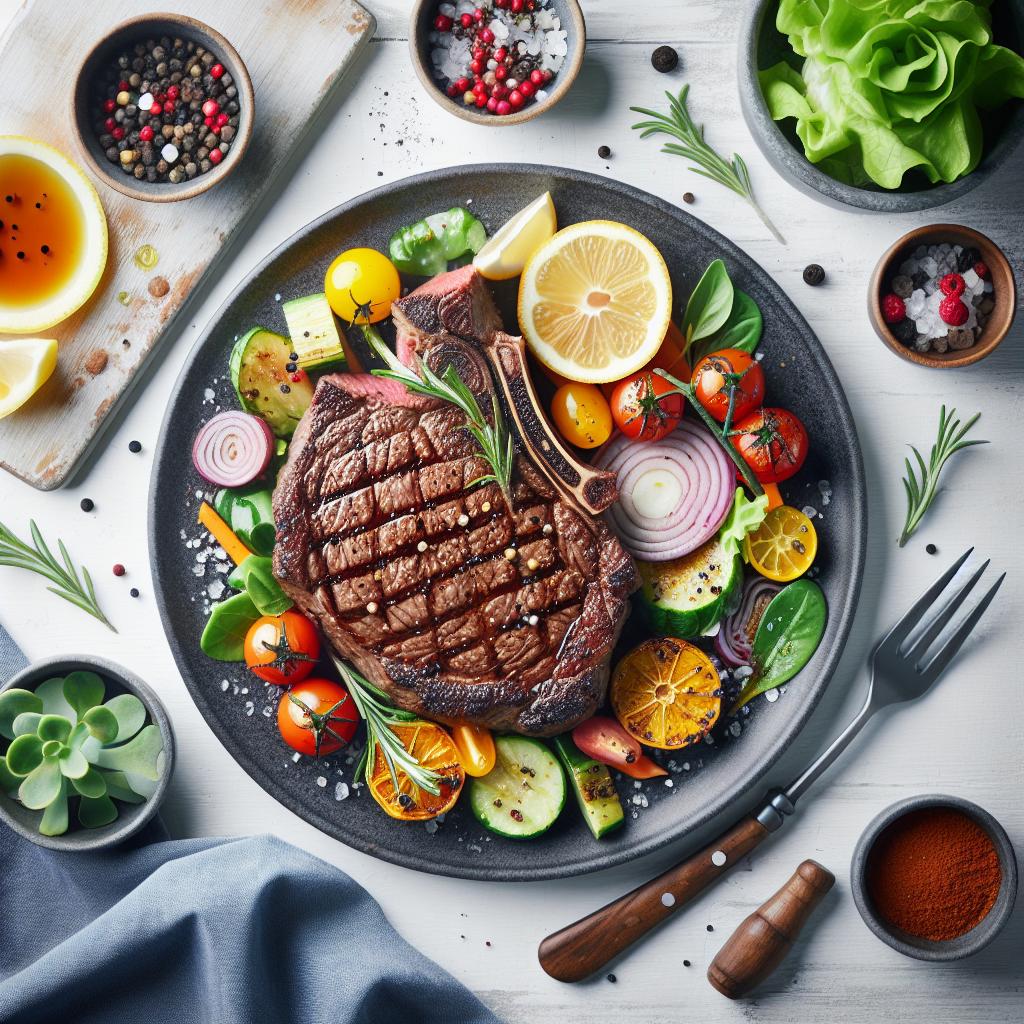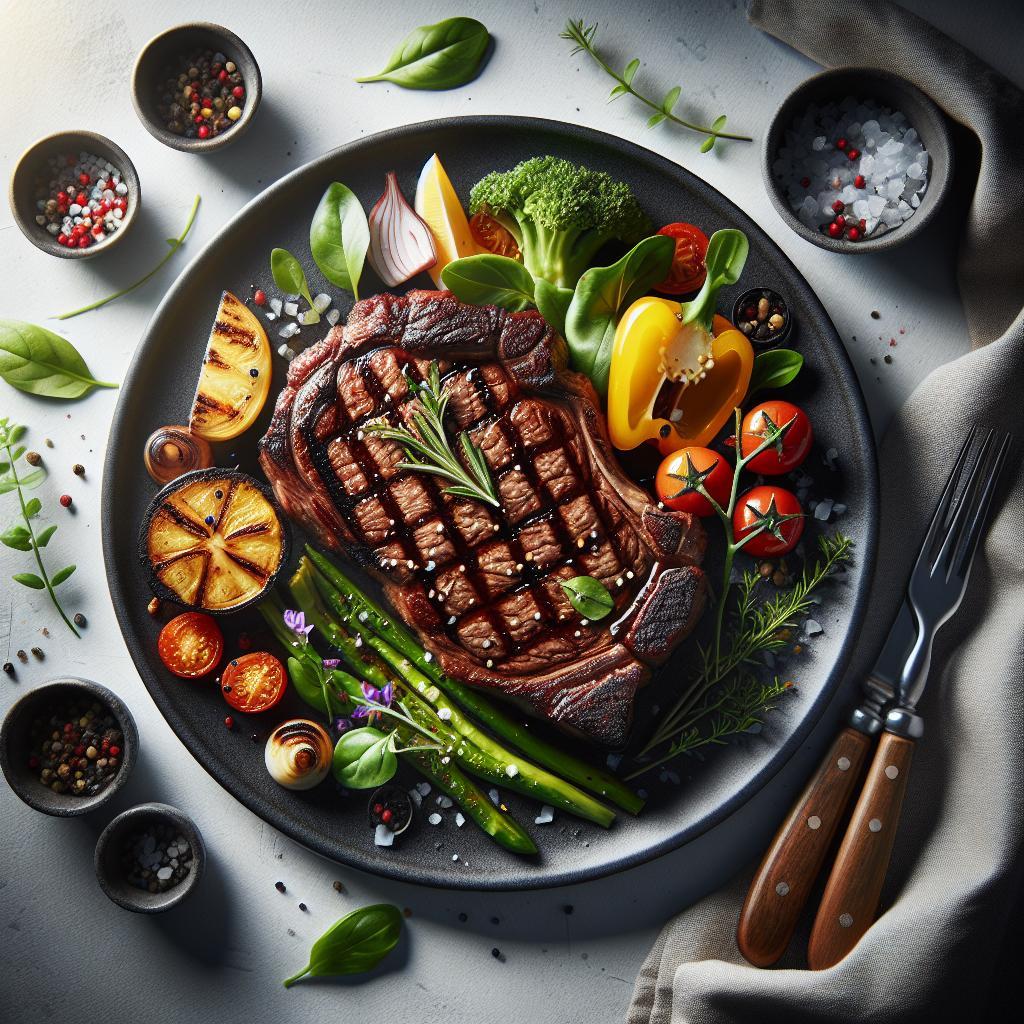

There’s something undeniably magnetic about the sizzle of a ribeye steak hitting a hot grill-the crackle of fat caramelizing, the smoky aroma weaving through the air, and that perfect sear that locks in juicy, mouthwatering flavor. But grilling a ribeye to steakhouse perfection isn’t just about brute heat and cooking time; it’s an art form, a delicious science that transforms a simple cut of beef into an extraordinary culinary experience. Whether you’re a seasoned backyard chef or a weekend warrior looking to elevate your grilling game, this guide will take you step-by-step through mastering the classic ribeye steak. Get ready to fire up the coals and learn the secrets that turn ordinary grilling into a pro-worthy feast.
Grill Like a Pro: Mastering the Classic Ribeye Steak begins with selecting the right cut to unlock rich, mouth-watering flavor that makes this steak a timeless favorite. The ribeye’s marbling provides a buttery texture and succulent taste, but understanding how to pick the perfect piece sets the stage for grilling victory. Look for a ribeye with ample, evenly distributed fat-this web of fat melts during cooking, infusing the meat with unbeatable juiciness and depth. Whether bone-in or boneless, trust cuts that have a deep red color and firm texture for optimal freshness.
Prep and Cook Time
- Preparation: 15 minutes
- Cooking: 10-15 minutes (depending on thickness and heat)
- Resting: 10 minutes
Yield
Serves 2 hearty portions
Difficulty Level
Medium – Ideal for grillers ready to elevate their technique
Ingredients
- 2 ribeye steaks, 1¼ to 1½ inches thick, well-marbled
- 2 teaspoons kosher salt or sea salt
- 1 teaspoon freshly ground black pepper
- 1 teaspoon garlic powder
- 2 tablespoons high-smoke point oil (e.g., grapeseed or avocado oil)
- 2 tablespoons unsalted butter
- 2 sprigs fresh rosemary or thyme (optional)
- 1 clove garlic, lightly crushed (optional)
Instructions
- Choosing and Prepping the Ribeye: Pat steaks dry with paper towels to ensure a perfect sear. This step is crucial as excess moisture steam-cooks the steak rather than searing it. Season generously on both sides with kosher salt, black pepper, and garlic powder to build layers of flavor. Let rest at room temperature for 15 minutes before grilling.
- Preheat the Grill: Set your grill to high heat-aim for 500°F if using a gas grill or prepare hot coals for a charcoal grill. A screaming hot grill locks in juices and creates that signature crust.
- Oil the Grill Grates: Lightly oil the grates using a folded paper towel dipped in oil held with tongs. This prevents sticking and helps develop perfect grill marks.
- Grilling the Steak: Place ribeyes on the grill and cook for about 4-5 minutes per side for medium-rare, flipping only once to maintain a beautiful crust. For cross-hatch grill marks, rotate the steak 45 degrees halfway through each side’s cooking time.
- Adding Butter and Aromatics: During the last 2 minutes, add butter, herb sprigs, and garlic to the grill or a cast iron pan beside steaks. Spoon melting butter over the steaks for an infused finish.
- Check Doneness: Use an instant-read thermometer to ensure your desired temperature – 130°F for medium-rare, 140°F for medium. Remember, carryover heat will raise steak temperature during resting.
- Resting the Steak: Transfer ribeyes to a warm plate and tent loosely with foil. Resting for 10 minutes allows juices to redistribute, ensuring every bite bursts with flavor and tenderness.
- Serving: Slice against the grain if cutting in portions, and pour any collected resting juices over the steak. Garnish with a sprinkle of flaky sea salt and fresh herbs for visual and flavor impact.
Tips for Success
- For consistent marbling, buy USDA Certified Choice or Prime ribeyes.
- If pressed for time, season immediately before grilling, but for best results, salt steaks at least 40 minutes ahead.
- To gauge doneness without a thermometer, press the steak gently; it should feel springy but not soft for medium-rare.
- Experiment with finishing compound butter flavors like blue cheese or smoked paprika butter for an elevated twist.
- Avoid flipping steaks repeatedly; one flip ensures even cooking and a nicely charred surface.
Serving Suggestions
Pair your perfectly grilled ribeye with a simple yet elegant accompaniment like grilled asparagus tossed in lemon zest and olive oil, or a creamy garlic mashed potato to complement the steak’s richness. Top with fresh herbs such as chives or parsley for a burst of color and fresh aroma. Serve with a robust red wine like Cabernet Sauvignon to elevate the experience.
| Nutritional Information (per serving) | Calories | Protein | Carbohydrates | Fat |
|---|---|---|---|---|
| Ribeye Steak | 600 kcal | 52g | 0g | 45g |
| Butter & Seasonings | 100 kcal | 0g | 1g | 11g |

For an insider’s guide to grilling essentials and steak pairing tricks, check out our Ultimate Grilling Guide. To deepen your knowledge on beef grades and cuts, visit the USDA official site.
Q&A
Q&A: Grill Like a Pro – Mastering the Classic Ribeye Steak
Q1: What makes the ribeye steak the ultimate cut for grilling?
A1: Ribeye is the rockstar of steaks because of its beautiful marbling-those white veins of fat that melt into the meat as it cooks, delivering juicy, tender, and flavorful bites. Its rich fat content means it stays succulent even under fierce, direct heat.
Q2: How do I choose the perfect ribeye steak at the butcher or grocery store?
A2: Look for bright red meat with abundant marbling throughout. Thickness matters too-ideally 1.5 inches or more for that luscious sear and grill-room to reach your desired doneness. Don’t shy away from bone-in cuts; the bone adds flavor and helps retain moisture.
Q3: Should I season my ribeye before grilling, and if so, how?
A3: Absolutely! Keep it simple and let the beef shine-coarse kosher salt and freshly cracked black pepper are all you need. Season generously at least 30 minutes before grilling to allow the salt to penetrate and enhance the meat’s natural flavors.
Q4: What’s the secret to getting those coveted grill marks on a ribeye?
A4: Preheat your grill to high heat-think searing hot, around 500°F. Place the steak over direct heat and don’t move it around. After 2-3 minutes, rotate the steak 45 degrees for crosshatch marks, then flip and repeat on the other side.
Q5: How do I know when my ribeye is perfectly cooked?
A5: Use a meat thermometer for precise grilling-125°F for rare, 135°F for medium-rare, 145°F for medium. If you don’t have a thermometer, the finger test can help: press the steak and compare the firmness to the fleshy area beneath your thumb. The firmer it is, the more cooked.
Q6: Should I rest the steak after grilling, and why?
A6: Yes, don’t skip resting! Let your ribeye rest for at least 5-10 minutes under a loose foil tent. This locks in juices and allows the fibers to relax, resulting in a juicy, tender steak rather than a dry one.
Q7: Any finishing tips to elevate the ribeye experience?
A7: Finish with a pat of herb butter or a sprinkle of flaky sea salt just before serving. Pair with a robust red wine or smoky sides like grilled asparagus or roasted garlic mashed potatoes to make your steak dinner unforgettable.
Grilling a ribeye like a pro isn’t about fancy recipes-it’s about respecting the cut, mastering your fire, and savoring every juicy bite. Fire up the grill, follow these essentials, and become the backyard steak champion!
In Retrospect
As the flames die down and the savory aroma of a perfectly grilled ribeye lingers in the air, you’ll realize that mastering this classic steak is more than just a cooking skill-it’s an art form. With each sear, each seasoning, and each deliberate flip, you’re not just grilling meat; you’re crafting an experience that delights the senses and elevates every gathering. So grab your tongs, trust your instincts, and remember: great steaks aren’t just cooked-they’re mastered. Here’s to many more smoky, juicy, mouthwatering ribeyes that bring out the grill pro in you!