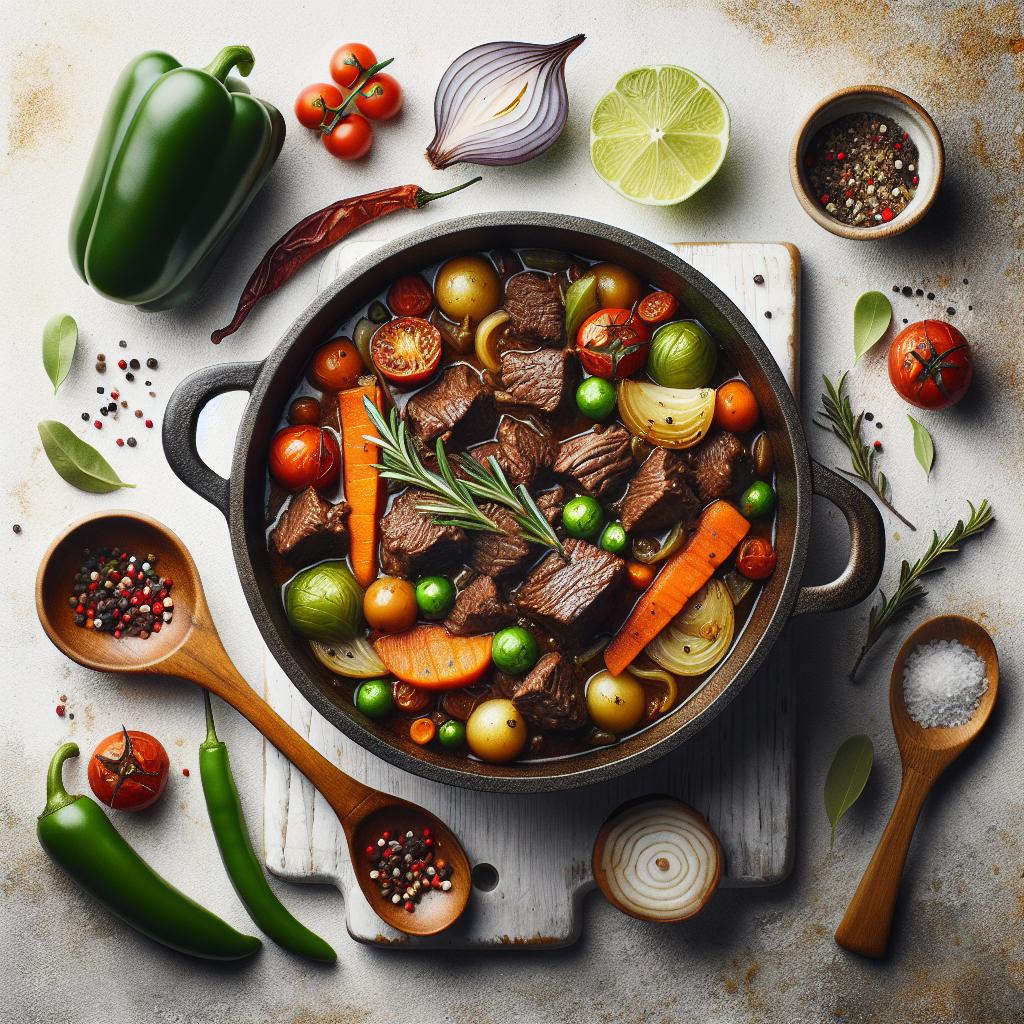

When it comes to crafting the ultimate beef stew, the cooking method is just as important as the ingredients themselves. Two kitchen giants often vie for the crown in this culinary showdown: the trusty Dutch oven and the ever-convenient slow cooker. Each promises tender, flavorful meat and rich, hearty broth-but which one truly reigns supreme for the perfect beef stew? In this article, we’ll simmer down the strengths and weaknesses of both, exploring how these beloved tools transform simple ingredients into soul-warming magic. Whether you’re a weekend chef or a busy home cook, understanding the nuances between Dutch oven and slow cooker could be the secret ingredient to stew success.
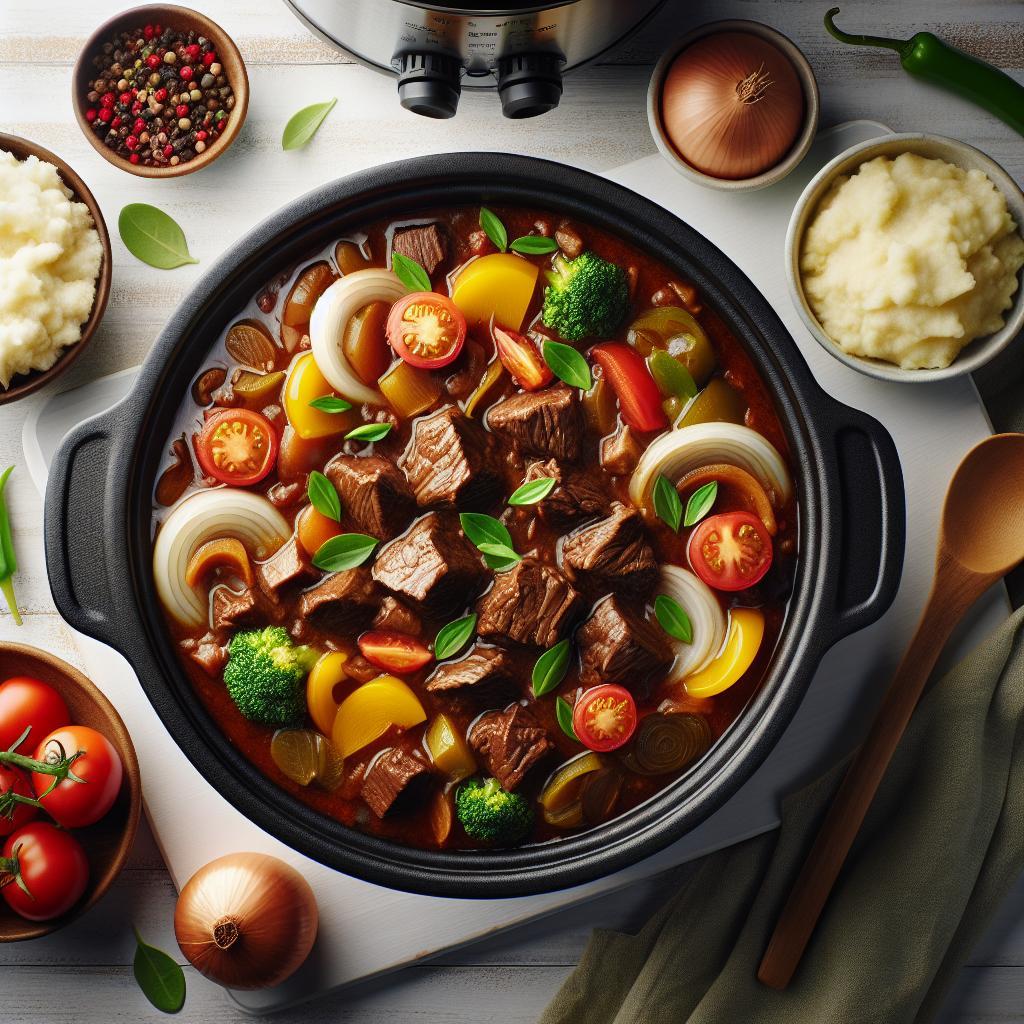
Dutch Oven vs Slow Cooker: Best for Perfect Beef Stew? The journey to crafting a rich and tender beef stew begins with the choice of cooking method. Both the Dutch oven and slow cooker offer unique benefits, yet their influence on flavor development, texture, and kitchen rhythm can redefine your stew experience. Whether you crave lush caramelized notes or crave effortless convenience, understanding these vessels will elevate your stew to masterpiece status.
Prep and Cook Time
- Preparation: 20 minutes
- Cooking (Dutch Oven): 2.5 to 3 hours
- Cooking (Slow Cooker): 7 to 8 hours on low or 4 to 5 hours on high
Yield
Serves 6 hearty portions
Difficulty Level
Medium – Perfect for home chefs ready to deepen their flavor mastery
Ingredients
- 2 lbs beef chuck, cut into 1.5-inch cubes
- 1/4 cup all-purpose flour, sifted
- 3 tbsp olive oil
- 1 large onion, diced
- 3 cloves garlic, minced
- 4 cups beef broth, preferably low sodium
- 1 cup dry red wine or substitute with extra broth
- 2 large carrots, peeled and chopped
- 2 stalks celery, chopped
- 2 medium potatoes, peeled and cubed
- 2 tbsp tomato paste
- 2 bay leaves
- 1 tsp fresh thyme or 1/2 tsp dried thyme
- Salt and freshly ground black pepper, to taste
Instructions
- Prepare the beef: Toss the beef cubes in the flour seasoned with salt and pepper, ensuring each piece is lightly coated. This step is crucial for that silky, thickened stew base.
- Brown the beef: In your Dutch oven, heat 2 tbsp olive oil over medium-high heat. Add beef in batches, sauté until a deep golden crust forms, about 5-7 minutes per batch. For slow cooker users, quickly sear on the stove in a heavy pan to replicate this flavor depth.
- Sauté aromatics: In the same pot, add the remaining 1 tbsp olive oil and toss in the onion, garlic, carrots, and celery. Cook until softened, roughly 5 minutes, stirring often.
- Deglaze & combine: Pour in the red wine, stirring to scrape browned bits off the bottom-this is flavor gold. Add tomato paste, beef broth, bay leaves, and thyme. Return beef to the pot.
- Simmer or slow cook: For Dutch oven, cover and place in a preheated oven at 325°F (165°C) for 2.5-3 hours until beef is fork-tender. For slow cooking, transfer everything to your slow cooker, cover, and cook on low for 7-8 hours or on high for 4-5 hours.
- Add potatoes: In the last hour of cooking, stir in your potatoes to absorb rich flavors without turning mushy.
- Final seasoning and rest: Remove bay leaves, taste, and adjust seasoning with salt and pepper. Let stew rest for 10 minutes before serving to allow flavors to harmonize beautifully.
Expert Tips for Maximizing Taste and Efficiency With Your Chosen Cookware
Choosing between the Dutch oven and slow cooker hinges on your flavor goals and schedule. The Dutch oven excels at developing deep, complex caramelization through its ability to sustain high, even heat and the option of oven cooking, fostering an intensely rich stew base. The slow cooker, on the other hand, offers unmatched convenience-slow, gentle cooking renders beef meltingly tender with minimal hands-on time but without the crusty, browned flavor notes a Dutch oven can achieve.
To maximize taste when using a slow cooker, searing your beef beforehand and sautéing aromatics in a separate pan are non-negotiable steps. For Dutch oven users, remember that a tight lid helps trap steam and preserve moisture, ensuring your beef remains juicy and tender. Cooking times can be tweaked based on your stove or oven’s efficiency-too high heat can toughen meat, so low and slow is the mantra.
When pressed for time, try the Dutch oven stove-top method with a longer simmer on low heat for 2-3 hours, stirring occasionally. Slow cooker users can prepare all ingredients the night before, refrigerating overnight to jump-start flavor infusion the next day.
Serving Suggestions
Present your stew in warmed bowls with a sprinkle of freshly chopped parsley or thyme to add a burst of color and herbaceous aroma. A pat of butter stirred in just before serving invites a glossy finish. Serve alongside crusty bread or creamy mashed potatoes to absorb every drop of the luscious sauce. For an extra touch of indulgence, a side of roasted root vegetables or a crisp green salad offers refreshing balance.
| Nutritional Information (per serving) | Calories | Protein | Carbs | Fat |
|---|---|---|---|---|
| Beef Stew | 420 kcal | 35 g | 30 g | 15 g |

Explore more hearty comfort food recipes that nurture your soul, and for science-backed cooking tips, the Culinary Institute of America offers excellent resources.
Q&A
Q&A: Dutch Oven vs Slow Cooker – Which Is Best for Perfect Beef Stew?
Q1: What’s the fundamental difference between a Dutch oven and a slow cooker?
A1: At their core, a Dutch oven is a heavy, usually cast-iron pot that can go from stovetop to oven, allowing for versatile cooking techniques and high heat searing. A slow cooker, on the other hand, is an electric appliance designed for long, low, and slow cooking with a steady temperature, perfect for hands-off braising all day.
Q2: How does each affect the flavor and texture of beef stew?
A2: The Dutch oven’s high-heat capacity lets you brown meat beautifully, developing complex, caramelized flavors from the Maillard reaction before simmering. This upfront flavor boost means a richer stew. Slow cookers can’t brown meat inside the pot, so you often lose some depth of flavor unless you brown beforehand in another pan. Texture-wise, both create tender beef, but slow cookers excel at melting connective tissue gently, making meat fall-apart tender.
Q3: Is one method easier or more convenient than the other?
A3: The slow cooker wins on convenience-just toss everything in, set it, and forget it for 6-8 hours. It’s perfect for busy days or overnight cooking. The Dutch oven is more hands-on; it requires periodic attention, monitoring, and sometimes adjusting heat. But many find the process rewarding and the results worth the extra effort.
Q4: What about cooking time-does one cook beef stew faster?
A4: Dutch ovens cook faster since you can use higher temperatures-stew can be done in about 2 to 3 hours. Slow cookers rely on low and slow heat, typically needing 6 to 8 hours to reach that melt-in-your-mouth goodness. For quick dinners, the Dutch oven wins; for set-it-and-leave-it meals, the slow cooker rules.
Q5: Can both be used for the same recipe or are adjustments needed?
A5: You can adapt most beef stew recipes for either method, but adjustments matter. For slow cookers, brown meat separately to boost flavor, and use less liquid since evaporation is minimal. For Dutch ovens, searing and simmering with some liquid allows you to concentrate flavors as it reduces. Timing and liquid ratios will differ, but both paths lead to a hearty stew.
Q6: Which one is more versatile beyond beef stew?
A6: Dutch ovens are truly kitchen workhorses-they braise, roast, bake bread, fry, and even deep-fry. Slow cookers, while fantastic for soups, stews, and shredded meats, have a narrower use case tied to low, slow cooking. If you want a multi-tasker, the Dutch oven is your best bet.
Q7: So, what’s the verdict? Dutch oven or slow cooker for perfect beef stew?
A7: It depends on your style! Want deep, layered flavors with hands-on control? Dutch oven is your champion. Need hassle-free, tender beef while you’re out or at work? Slow cooker’s your best friend. Both can yield delicious, comforting beef stew-choose the tool that fits your rhythm and dinner dreams.
The Way Forward
In the timeless battle between Dutch oven and slow cooker, the perfect beef stew ultimately depends on your kitchen style and patience level. Whether you revel in the hands-on, aromatic dance of searing and simmering in a Dutch oven, or prefer the effortless convenience of a slow cooker’s all-day magic, both tools transform humble ingredients into hearty comfort in their own distinctive way. So, embrace your cooking rhythm, choose your champion, and savor every tender, flavorful spoonful that this classic stew has to offer-because in the quest for perfect beef stew, there’s truly no wrong answer, only delicious results.