
There’s something magical about the humble beet-a vibrant root that grounds your palate with earthy richness and a bold splash of color. When transformed into roasted beet hummus, this garden gem takes center stage, blending smoky sweetness with creamy chickpeas for a dip that’s as stunning as it is delicious. Whether you’re a hummus aficionado or a curious kitchen explorer, this guide will walk you through the simple, soulful process of making roasted beet hummus at home-bringing bold flavors and wholesome goodness straight to your table. Get ready to dip, spread, and savor a luscious twist on a beloved classic!
Selecting the Perfect Beets for Vibrant Color and Flavor
Bold & Earthy: How to Make Roasted Beet Hummus at Home starts with choosing the freshest beets you can find. Opt for medium-sized beets with smooth, unblemished skin and deep, rich color-these are a sign of intense natural sweetness and vibrant pigment that will infuse your hummus with an irresistible jewel-toned hue. Look for beets that are firm and heavy for their size, with fresh, leafy tops if possible, which indicate peak freshness. The variety also matters: golden beets offer a milder, sweeter flavor, while red beets provide that classic earthiness complemented by stunning reds that stain beautifully.
Mastering the Roasting Process to Enhance Earthy Sweetness
Roasting is where the magic truly begins. Preheat your oven to 400°F (200°C) and wrap each beet individually in aluminum foil to lock in moisture and concentrate their natural sugars. Roast for about 45-60 minutes, depending on size, until a fork slides in effortlessly. The roasting caramelizes their edges, deepening the earthy sweetness that’s so essential for a well-balanced beet hummus. Allow them to cool before peeling; this step is easier post-roast, revealing tender, vibrant flesh ready for blending. The aroma in your kitchen-rich, sweet, and earthy-signals you’re on the right track.
Blending Techniques for Silky Smooth and Creamy Texture
To achieve that coveted silky smooth texture, transfer your peeled beets to a food processor with creamy tahini, fresh lemon juice, garlic, and cooked chickpeas. Begin pulsing, then gradually drizzle in extra virgin olive oil and a splash of cool water to loosen the mixture as needed. Blend until luxuriously smooth, scraping down the sides intermittently to ensure even creaminess. Adding a pinch of ground cumin or a dash of smoked paprika at this stage can elevate the flavor profile. The beet hummus should be thick yet spreadable-its texture as inviting as its vivid color.
Flavor Pairings and Serving Suggestions to Elevate Your Beet Hummus
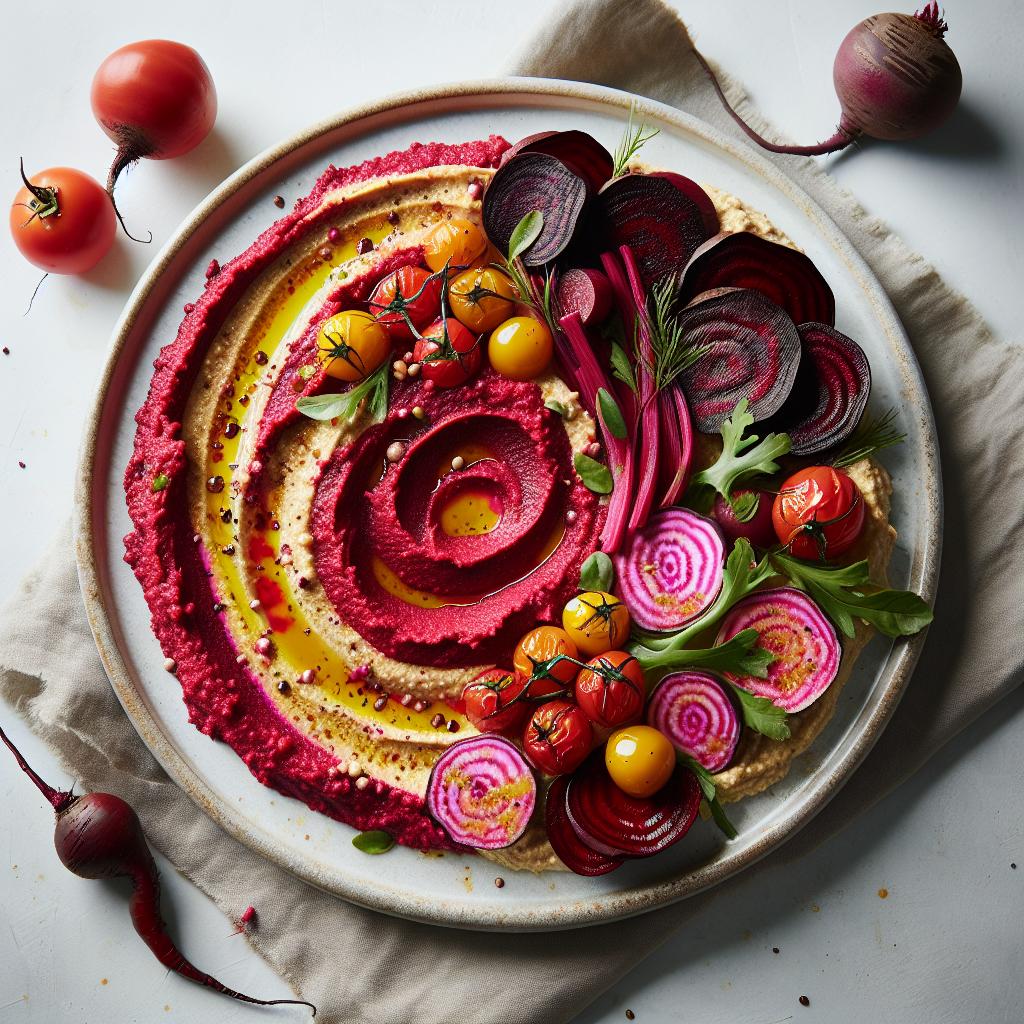
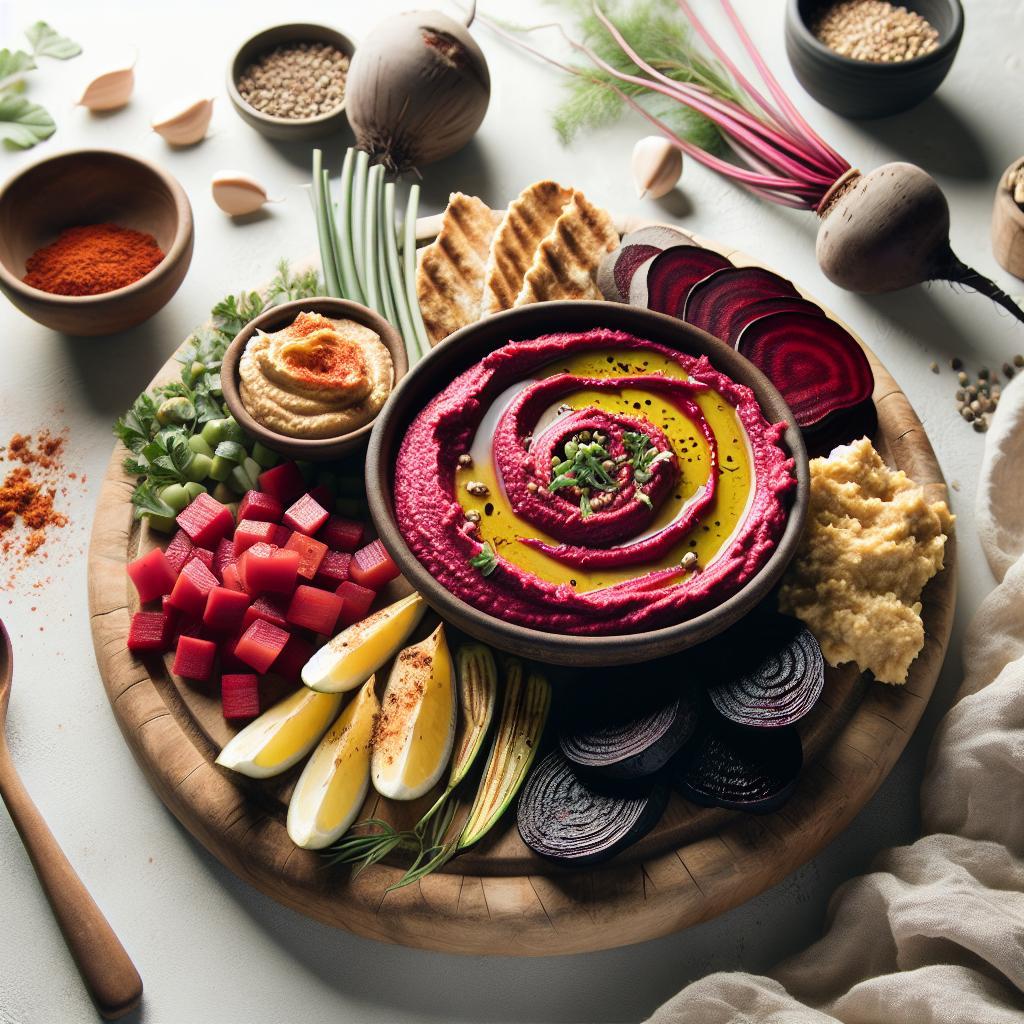
This versatile dip shines when paired thoughtfully. Try stirring in toasted pine nuts for crunch or a dollop of Greek yogurt for tang. For serving, drizzle with high-quality olive oil and sprinkle chopped fresh herbs like parsley or cilantro. A handful of pomegranate seeds add bursts of sweetness and visual contrast. Arrange alongside warm pita wedges, crisp vegetable crudités, or spread over sandwiches for a bold, earthy flavor infusion. This beet hummus also complements grilled meats and roasted vegetables beautifully, adding color and complexity to any spread.
Prep and Cook Time
Preparation: 15 minutes | Roasting: 45-60 minutes | Blending: 10 minutes
Yield
Approximately 2 cups (serves 6 as a dip)
Difficulty Level
Easy
Ingredients
- 3 medium-sized fresh beets, washed and trimmed
- 1 cup cooked chickpeas (or canned, drained and rinsed)
- ¼ cup tahini
- 2 cloves garlic, peeled
- 3 tbsp fresh lemon juice
- ¼ cup extra virgin olive oil, plus more for drizzling
- ½ tsp ground cumin
- Salt to taste
- Black pepper to taste
- Water as needed to adjust consistency
- Optional garnishes: toasted pine nuts, fresh parsley, pomegranate seeds
Instructions
- Preheat the oven to 400°F (200°C). Wrap each beet tightly in aluminum foil and place on a baking sheet.
- Roast the beets for 45-60 minutes, testing for tenderness by inserting a fork. They should be easily pierced but not mushy.
- Allow the beets to cool completely, then rub the skins off using your hands or a paper towel. Chop roughly.
- In a food processor, combine the roasted beets, cooked chickpeas, tahini, garlic, lemon juice, and cumin. Pulse until coarsely blended.
- With the processor running, slowly drizzle in olive oil and a little water, blending until smooth and creamy. Stop to scrape down the sides.
- Season with salt and freshly ground black pepper to taste, adjusting the lemon or garlic if desired.
- Transfer to a serving bowl, drizzle with olive oil, and garnish as desired. Serve at room temperature or chilled.
Tips for Success
- For a sweeter hummus, try using golden beets or adding a touch of honey or maple syrup.
- Peeling tip: Roasted beet skins come off easily by hand; avoid peeling raw to preserve color.
- Make-ahead: This hummus tastes even better after resting overnight to meld flavors-store in an airtight container.
- Texture control: Use chickpeas straight from the can or cook your own until very soft for extra creaminess.
- For a smoky twist, add a pinch of smoked paprika or a dash of chipotle powder during blending.
- Try internal flavors variations by incorporating fresh herbs like dill or mint for a fresh pop.
Serving Suggestions
Serve your vibrant beet hummus with warm pita bread, roasted veggie platters, or crunchy crackers for an invigorating appetizer. Garnish with fresh herbs, a sprinkle of toasted seeds or nuts, and a drizzle of fruity olive oil to make each bite a sensory delight. Pair it alongside grilled meats or mix into salads to inject bold, earthy color and flavor into every meal.
| Nutrient | Per ¼ cup Serving |
|---|---|
| Calories | 110 kcal |
| Protein | 4 g |
| Carbohydrates | 12 g |
| Fat | 6 g |
Discover more nutritious delights in our Healthy Hummus Variations guide. For in-depth beet health benefits, visit the Healthline Beet Benefits article.

Q&A
Q&A: Bold & Earthy – How to Make Roasted Beet Hummus at Home
Q: What makes roasted beet hummus different from traditional hummus?
A: Roasted beet hummus takes the classic creamy, garlicky chickpea dip and gives it a vibrant twist. The roasting process brings out the beet’s natural sweetness and earthiness, adding a beautiful ruby hue and a depth of flavor that’s both bold and subtle at once.
Q: Why roast the beets instead of boiling or steaming them?
A: Roasting beets caramelizes their sugars, intensifying their flavor and imparting a slightly smoky, tender texture that boiling just can’t match. This method also keeps the beets dry, which helps maintain the hummus’s creamy consistency without extra water.
Q: Can I use canned beets, or do I have to roast fresh ones?
A: Fresh roasted beets are definitely the star here-they offer the best flavor and texture. That said, if you’re in a pinch, canned beets can work, but be sure to drain them well and perhaps add a splash of lemon juice or olive oil to brighten the mixture.
Q: What are the key ingredients to balance the earthy flavor of beets?
A: Creamy tahini and zesty lemon juice work wonders to cut through the earthiness, while garlic adds a pungent kick. A touch of cumin brings warmth, and a bit of salt amplifies all the flavors. Olive oil swoops in to meld everything into a luscious, velvety blend.
Q: How can I serve roasted beet hummus to showcase its boldness?
A: Serve it as a vibrant dip with crunchy pita chips, fresh veggie sticks, or even as a colorful spread on sandwiches and wraps. For an elegant touch, drizzle with extra virgin olive oil and sprinkle with toasted sesame seeds or fresh herbs like parsley or dill.
Q: Is roasted beet hummus good for meal prep or storing?
A: Absolutely! It keeps beautifully in an airtight container in the fridge for up to 5 days. The flavors deepen over time, making it an excellent make-ahead snack or side. Just give it a quick stir before serving to bring it back to creamy perfection.
Q: Can I customize roasted beet hummus to suit different taste preferences?
A: Definitely! Feel free to adjust garlic for more punch, add a pinch of smoked paprika for warmth, or a dash of cayenne for heat. You can also blend in other roasted veggies like carrots or sweet potatoes for a unique twist.
Q: Any tips for achieving the perfect roasted beet hummus texture at home?
A: Use a high-powered blender or food processor for a smooth, silky finish. Pulse gradually and scrape down the sides as you go. If it’s too thick, add a tablespoon or two of water or chickpea cooking liquid to loosen it up without watering down the brilliant flavor.
Bold, bright, and bursting with earthy goodness-roasted beet hummus is a kitchen adventure worth savoring. Ready to dip, spread, and savor every vibrant bite?
Key Takeaways
There you have it-a vibrant, bold, and earthy twist on a classic favorite that’s as nourishing for your body as it is delightful for your palate. Making roasted beet hummus at home is not only a celebration of color and flavor but also an invitation to experiment, nourish, and share. Whether you’re spreading it on warm pita, dolloping it onto roasted veggies, or simply enjoying it by the spoonful, this recipe transforms humble ingredients into a standout dish. So next time you crave something fresh and wholesome, remember: a little roasting, blending, and love is all it takes to bring a garden’s worth of goodness to your table. Happy dipping!