
There’s a certain magic in the simple elegance of a perfectly baked salmon fillet-a dish that effortlessly marries vibrant flavor with wholesome nutrition. Whether you’re a seasoned home chef or just beginning your culinary journey, mastering this timeless favorite promises a satisfying meal that’s as healthy as it is delicious. In this flavorful guide, we’ll dive into the art and science of baking salmon to tender, flaky perfection, unlocking tips and techniques that bring out its natural richness while preserving every ounce of goodness. Prepare to transform your dinner routine with a dish that’s as nourishing as it is memorable.
Perfectly Baked Salmon Fillets: A Flavorful Healthy Guide
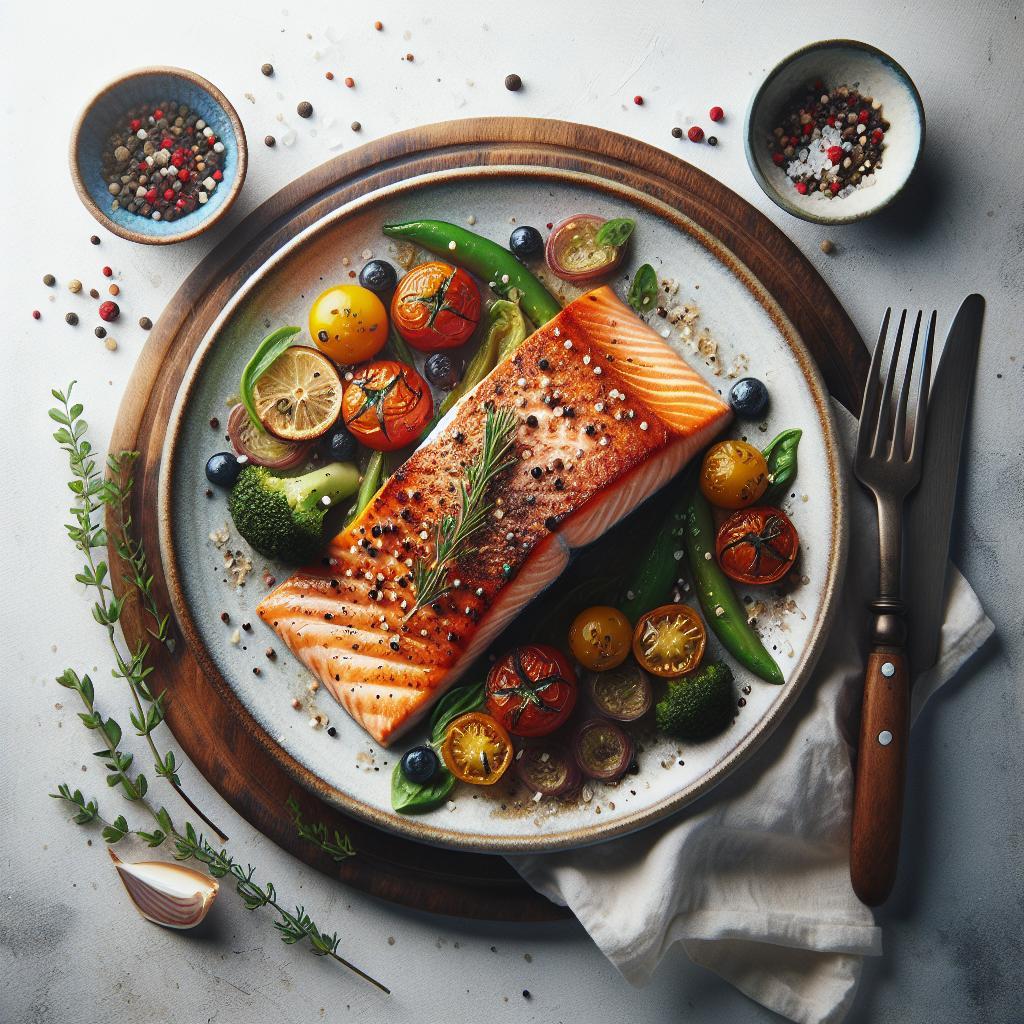
Perfectly baked salmon fillets bring together the vibrant essence of the sea and nutritious goodness in a simple, elegant dish. Whether you’re preparing a weeknight dinner or impressing guests, understanding how to select the freshest fish, season it masterfully, and bake it to flaky perfection will transform your meal. My journey with salmon began during a coastal trip, where the fresh catch was treated with minimal seasoning to highlight its delicate flavor. Since then, I’ve honed techniques that balance bold seasoning blends with gentle baking to retain moisture and enhance texture-ensuring every bite is a celebration of taste and health.
Prep and Cook Time
Preparation: 10 minutes
Cooking: 15-20 minutes
Yield
Serves 4
Difficulty Level
Easy to Medium
Ingredients
- 4 salmon fillets (6 ounces each, skin-on for crispiness)
- 2 tablespoons olive oil
- 1 teaspoon smoked paprika
- 1 teaspoon garlic powder
- ½ teaspoon ground cumin
- ½ teaspoon sea salt
- ¼ teaspoon freshly ground black pepper
- 1 tablespoon fresh lemon juice
- 1 tablespoon chopped fresh dill (optional but highly recommended)
- Lemon wedges (for serving)
Instructions
- Preheat your oven to 400°F (200°C). Line a baking sheet with parchment paper or lightly grease it with olive oil to prevent sticking.
- Pat your salmon fillets dry using paper towels-this is essential for achieving a crispy skin and firm texture.
- In a small bowl, combine smoked paprika, garlic powder, cumin, sea salt, and black pepper to create the seasoning blend.
- Brush each fillet generously with olive oil, then sprinkle the seasoning mix evenly over the flesh side. Avoid seasoning the skin directly to prevent burning.
- Arrange the fillets skin-side down on the prepared baking sheet, ensuring they have space for even heat circulation.
- Bake for 12 to 15 minutes, depending on thickness. The salmon is done when it flakes easily with a fork but remains moist and slightly translucent inside. Avoid overbaking, which dries out the fish.
- Remove from oven and drizzle fresh lemon juice over the fillets. Sprinkle chopped fresh dill to add a fragrant, herbaceous touch.
- Let the salmon rest for 2 minutes before serving to allow the juices to redistribute, ensuring perfect moisture and tenderness.
Chef’s Notes: Tips for Success with Perfectly Baked Salmon Fillets
- Freshness checks: Choose salmon with firm flesh, a mild ocean scent, and vibrant color. If buying whole fillets, skin should be shiny with no slime.
- Seasoning variations: Experiment with citrus zest like orange or lime for a bright twist or add chili flakes for gentle heat.
- Moisture retention: Baking at a higher temperature for a shorter time seals in juice. Alternatively, sous-vide followed by a quick oven finish gives unbeatable texture.
- Make ahead: Season salmon up to an hour in advance, covered and chilled; this allows the flavors to deepen without toughening the flesh.
- Avoid overcooking: Keep a close eye in the final minutes and test by gently pressing with a fork; the salmon should flake but not crumble.
Perfectly Baked Salmon Fillets: Pairing Suggestions and Serving Tips
To complement your perfectly baked salmon fillets, think fresh, vibrant, and contrasting textures. A crisp fennel and orange salad offers refreshing acidity, while roasted baby potatoes tossed with rosemary add gentle earthiness. For a creamy element, whipped avocado mash or a tangy yogurt-dill sauce can provide balance without overpowering the fish.
Garnish with edible flowers or microgreens for an elevated presentation. Serve lemon wedges on the side to brighten each bite exactly to your palate’s liking. This dish pairs beautifully with a chilled cucumber and mint iced tea for a fully refreshing dining experience.
| Nutrient | Per Serving |
|---|---|
| Calories | 350 |
| Protein | 34g |
| Carbohydrates | 2g |
| Fat | 22g |

Explore more seafood recipes with simple seasoning in our Easy Seafood Recipes collection. For a deep dive into the health benefits of omega-3s from salmon, check the detailed guide at American Heart Association.
Q&A
Q&A: Perfectly Baked Salmon Fillets – A Flavorful Healthy Guide
Q1: Why is salmon considered one of the healthiest fish to eat?
A1: Salmon is packed with omega-3 fatty acids, high-quality protein, and essential vitamins like B12 and D. These nutrients support heart health, brain function, and inflammation reduction, making salmon a nutritional powerhouse on your plate.
Q2: What is the secret to perfectly baked salmon fillets?
A2: The secret lies in timing, temperature, and seasoning. Bake your salmon at 375°F (190°C) for about 12-15 minutes, depending on thickness, until it flakes easily with a fork. Use a simple marinade or rub of olive oil, lemon, garlic, and herbs to enhance natural flavors without overpowering the fish.
Q3: How can I tell when the salmon is done without overcooking it?
A3: Look for a soft, opaque texture and slight flakiness. When you gently press the fillet with a fork, it should separate easily but still appear moist. Overcooked salmon turns dry and chalky – the enemy of flavor and health benefits!
Q4: Can I add vegetables to bake alongside my salmon?
A4: Absolutely! Vegetables like asparagus, cherry tomatoes, or zucchini make perfect partners. Just toss them in olive oil, salt, and pepper, and arrange around the salmon on the same baking sheet for a nutritious, hassle-free meal.
Q5: Are there healthy alternatives to traditional butter-based toppings for baked salmon?
A5: Yes! Instead of butter, try drizzling extra virgin olive oil or a squeeze of fresh lemon juice post-baking. You can also add a dollop of Greek yogurt mixed with herbs or a sprinkle of toasted nuts for texture and flavor without the saturated fats.
Q6: How does baking compare to other cooking methods for salmon in terms of preserving nutrients?
A6: Baking is gentle and helps retain more nutrients compared to frying. It uses dry heat that cooks salmon evenly without adding unnecessary oils or fats, preserving omega-3s and vitamins that can degrade with high heat or prolonged cooking.
Q7: Can I prepare baked salmon fillets ahead of time?
A7: Definitely! Baked salmon makes a great meal prep star. Once cooled, store fillets in an airtight container in the fridge for up to three days. Reheat gently or enjoy cold in salads and wraps for a quick, healthy boost.
With these insights, your perfectly baked salmon fillets will be both a delicious delight and a wholesome treat, proving that healthy eating can always be flavor-packed!
Insights and Conclusions
In the end, perfectly baked salmon fillets are more than just a meal-they’re a celebration of simplicity, health, and flavor coming together in harmony. With just a few thoughtful ingredients and the right techniques, you can transform this humble fish into a stunning centerpiece that nourishes both body and soul. Whether you’re a seasoned cook or a kitchen novice, embracing these flavorful, heart-healthy methods ensures every bite is a step toward better wellness without sacrificing taste. So next time you crave something wholesome and delicious, remember: the perfect salmon is never out of reach, and your palate-and your well-being-will thank you for it.