
There’s something undeniably comforting about a steaming bowl of stew-a warm embrace on a chilly day, a symphony of flavors mingling in every spoonful. Now, imagine elevating this classic dish with the deep, caramelized richness of perfectly roasted vegetables. “Savor the Flavors: A Guide to Roasted Vegetable Stew” invites you on a culinary journey where simple root vegetables transform into a hearty, aromatic masterpiece. Whether you’re a seasoned cook or just beginning your kitchen adventures, this guide will unlock the secrets to coaxing out the natural sweetness and robust textures that make roasted vegetable stew an unforgettable feast for the senses. Get ready to stir, simmer, and savor the vibrant, earthy goodness that only roasting can bring.
Savor the Flavors: A Guide to Roasted Vegetable Stew
Savor the flavors of a hearty roasted vegetable stew, where the deep, rich aromatics coax a comforting warmth from every spoonful. This recipe combines the art of caramelizing root vegetables with the patient, slow simmering that transforms humble ingredients into a symphony of taste. Inspired by rustic kitchens and seasonal harvests, each layer of flavor is elevated by carefully chosen herbs and spices, making it a dish that’s both nourishing and soulful.
Prep and Cook Time
- Preparation: 25 minutes
- Roasting: 40 minutes
- Slow Simmering: 1 hour 15 minutes
- Total Time: Approximately 2 hours 20 minutes
Yield
Serves 6 generous portions
Difficulty Level
Medium – perfect for cooks ready to embrace slow-cooked delights with a rewarding outcome
Ingredients
- 2 medium carrots, peeled and cut into 1-inch chunks
- 2 medium parsnips, peeled and cut into 1-inch chunks
- 1 large sweet potato, peeled and cubed
- 1 large red bell pepper, seeded and chopped
- 1 large yellow onion, diced
- 3 cloves garlic, minced
- 1 cup butternut squash, peeled and cubed
- 1 zucchini, sliced into thick half-moons
- 3 tablespoons olive oil, divided
- 1 teaspoon smoked paprika
- 1 teaspoon ground cumin
- 1 teaspoon dried thyme
- 1 teaspoon dried rosemary
- 2 bay leaves
- 1 (14 oz) can diced tomatoes, with juice
- 4 cups vegetable broth
- Salt and freshly ground black pepper, to taste
- Fresh parsley, chopped for garnish
Instructions
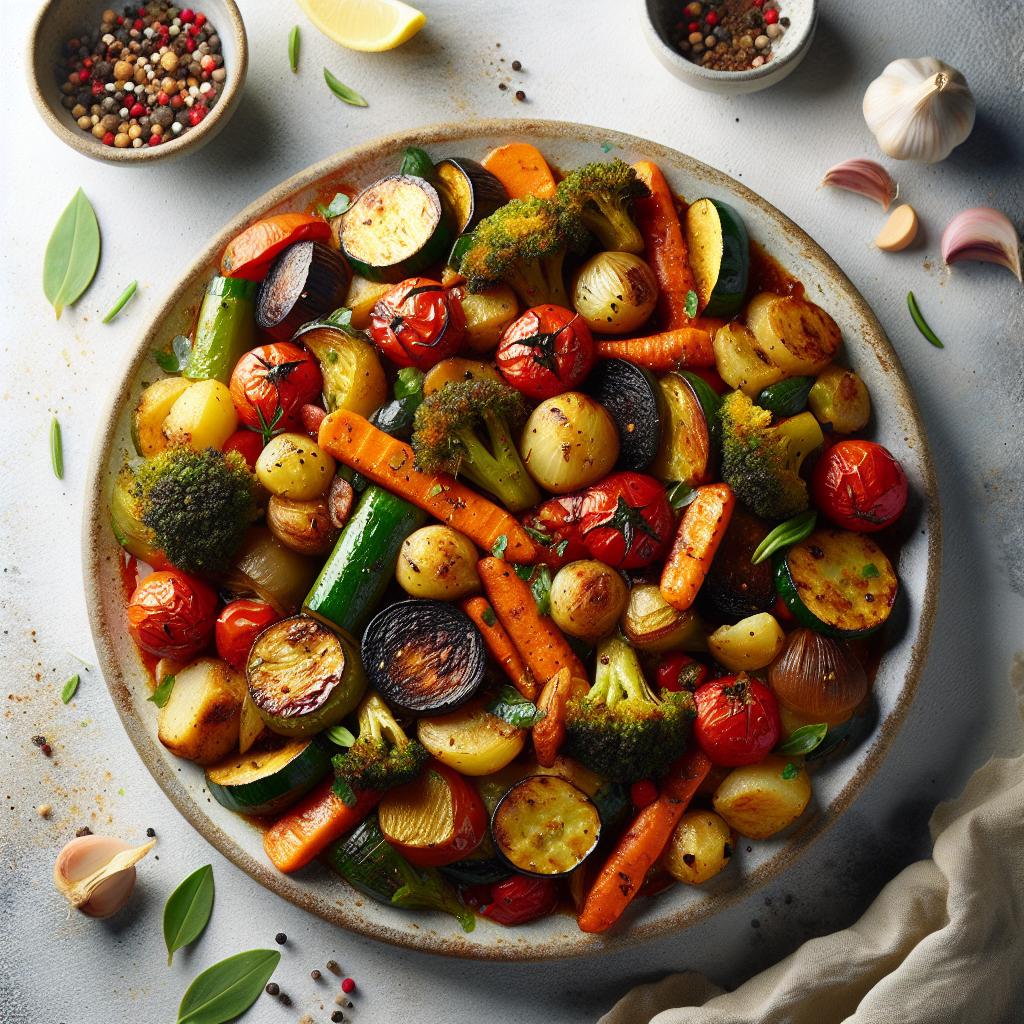
- Preheat your oven to 425°F (220°C). Toss the carrots, parsnips, sweet potato, red bell pepper, and butternut squash in 2 tablespoons of olive oil. Sprinkle with smoked paprika, cumin, salt, and pepper. Spread evenly on a baking sheet.
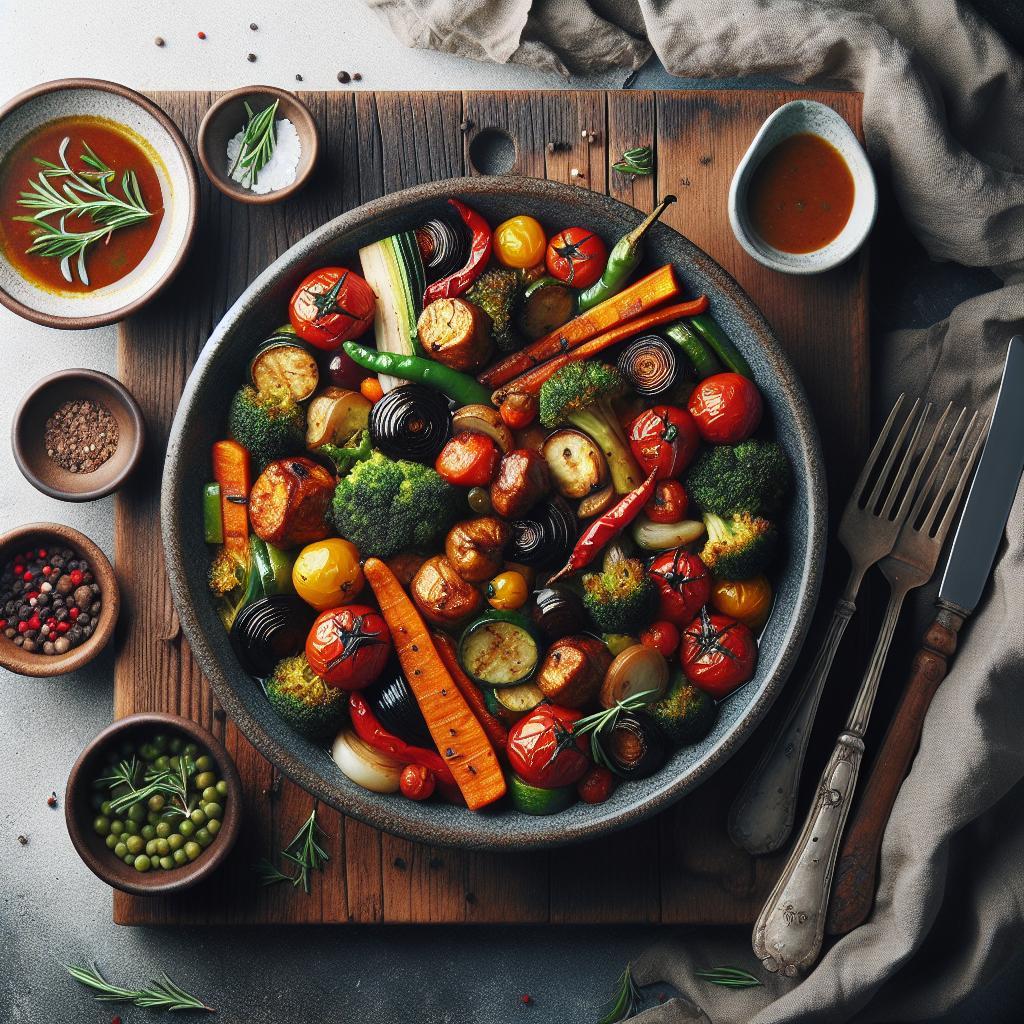
- Roast vegetables for 35-40 minutes, turning once midway, until they are deeply caramelized and tender. This step unlocks their natural sugars, building a rich base flavor.
- While roasting, heat the remaining 1 tablespoon of olive oil in a large heavy-bottomed pot over medium heat. Add diced onions and sauté until translucent and fragrant, about 5 minutes.
- Add garlic, thyme, and rosemary to the pot, cooking for an additional 2 minutes to release their aromas-stir frequently to avoid burning.
- Pour in the vegetable broth and diced tomatoes (including juices). Stir to combine, bringing the mixture to a gentle simmer.
- Once the roasted vegetables are ready, carefully add them to the pot. Include the bay leaves and gently stir everything together.
- Lower the heat to maintain a slow simmer. Cover the pot partially and let the stew cook gently for at least 1 hour, stirring occasionally. This slow simmer deepens the flavors and melds the ingredients wonderfully.
- In the last 10 minutes of cooking, add the zucchini slices to keep their tender-crisp texture.
- Remove the bay leaves, check seasoning, and adjust salt and pepper if needed.
- Serve hot, garnished with fresh parsley for a pop of color and bright herbal contrast.
Tips for Success
- Roasting is key: Don’t rush this step. Proper caramelization intensifies the natural sweetness and richness of your stew.
- Herb harmony: If fresh herbs are available, use a sprig of fresh thyme and rosemary during simmering, removing before serving for a more vibrant flavor.
- Customize your veggies: Swap in other root vegetables like turnips or rutabagas according to season and preference.
- Make ahead: This stew tastes even better the next day as flavors meld. Store covered in the fridge for up to 3 days or freeze for longer.
- Thickening tip: For a thicker texture, mash a cup of the stew partially or stir in a slurry of cornstarch and cold water at the end of simmering.
Serving Suggestions
This versatile roasted vegetable stew pairs beautifully with a hearty slice of crusty artisan bread for soaking up every bit of the luscious broth. For a protein boost, consider serving it alongside a bowl of creamy quinoa or wild rice. A dollop of plain yogurt or a sprinkle of toasted pine nuts adds texture and a subtle tangy richness. Garnish with vibrant fresh herbs like chopped parsley or cilantro to brighten each bite visually and in flavor.

| Nutrient | Per Serving |
|---|---|
| Calories | 210 kcal |
| Protein | 5 g |
| Carbohydrates | 38 g |
| Fat | 6 g |
For more hearty winter stews, discover our Hearty Lentil Stew Recipe that complements roasted vegetable dishes beautifully. Explore more on Mediterranean herbs and their health benefits at Medical News Today.
Q&A
Q&A: Savor the Flavors – A Guide to Roasted Vegetable Stew
Q1: What makes roasted vegetable stew different from other vegetable stews?
A1: Roasting the vegetables first caramelizes their natural sugars, creating a rich, deep flavor that adds complexity and warmth to the stew. Unlike traditional stews that may rely on boiling or steaming, roasting brings out a smoky sweetness and a beautiful texture that transforms simple ingredients into a flavor-packed celebration in a bowl.
Q2: Which vegetables work best for roasting before stewing?
A2: Root vegetables like carrots, sweet potatoes, and parsnips shine in roasted stews, as do hearty squash varieties like butternut or acorn. Bell peppers, eggplant, and tomatoes also develop incredible depth after roasting. The key is choosing vegetables with enough structure to hold their shape but that soften gently during stewing.
Q3: How does roasting enhance the stew’s overall flavor profile?
A3: Roasting induces the Maillard reaction, where the natural sugars and amino acids in vegetables undergo browning, creating complex savory and slightly sweet notes. This chemical marvel builds layers of flavor, giving the stew an inviting warmth and a sophisticated balance that’s hard to achieve by just simmering.
Q4: Can you outline a simple roasting method for stew vegetables?
A4: Certainly! Toss your chopped vegetables with olive oil, sea salt, and your favorite herbs or spices-think rosemary, thyme, or smoked paprika. Spread them out in a single layer on a baking sheet and roast at 400°F (200°C) for about 25-35 minutes, turning once halfway through, until edges caramelize and colors deepen.
Q5: What kind of broth or liquid pairs best with roasted vegetable stew?
A5: A rich vegetable broth or a lightly spiced tomato base complements the roasted veggies beautifully. You can also experiment with adding a splash of red wine or balsamic vinegar for tang and depth. The broth should act as a canvas, letting the roasted flavors sing without overpowering them.
Q6: Are there tips to make the stew more hearty and satisfying?
A6: Absolutely! Adding legumes like chickpeas or lentils boosts protein and texture. For extra creaminess, incorporate coconut milk or a dollop of cashew cream near the end. Fresh herbs added just before serving can elevate the brightness, while crusty bread on the side adds a perfect textural contrast.
Q7: How can I customize the stew to suit different dietary needs or preferences?
A7: Roasted vegetable stew is naturally vegan and gluten-free, making it highly adaptable. For a lower-carb option, focus on non-starchy veggies like zucchini and mushrooms. To up the protein without animal products, consider adding tofu cubes or hemp seeds. Spice levels can be adjusted to your taste, from mild and savory to bold and fiery.
Q8: What’s the best way to store and reheat leftovers?
A8: Store any leftover stew in an airtight container in the refrigerator for up to 4 days. When reheating, a gentle simmer on the stove works best to preserve texture and flavor. You can add a splash of broth or water if it’s too thick. Stews also freeze well for up to 3 months-just thaw overnight and warm gently.
Q9: Can roasted vegetable stew be served cold or at room temperature?
A9: While traditionally enjoyed warm to amplify comfort and aroma, roasted vegetable stew can be delicious at room temperature or chilled, especially in warmer months. The flavors mellow and meld beautifully, making it a versatile dish that transcends seasons.
Q10: What are some creative serving suggestions for roasted vegetable stew?
A10: Think beyond the bowl! Serve it over creamy polenta, fluffy quinoa, or roasted cauliflower rice for variety. Dollops of yogurt or labneh add a tangy contrast, while a sprinkle of toasted nuts or seeds brings crunch and visual appeal. Garnish with fresh herbs, microgreens, or a drizzle of herb-infused olive oil for an elegant finish.
To Conclude
As the final spoonful of your roasted vegetable stew warms you from the inside out, take a moment to appreciate the symphony of flavors that melded together-from the caramelized edges to the tender, nutrient-rich centers. This humble dish is more than just comfort food; it’s a celebration of nature’s bounty, transformed by the simple magic of roasting. Whether you’re seeking a hearty meal on a chilly evening or a vibrant way to embrace seasonal produce, this stew invites you to savor each bite slowly and mindfully. So next time you gather your favorite root vegetables and fragrant herbs, remember: roasting is not just a cooking method-it’s a journey to the heart of flavor. Happy stewing!