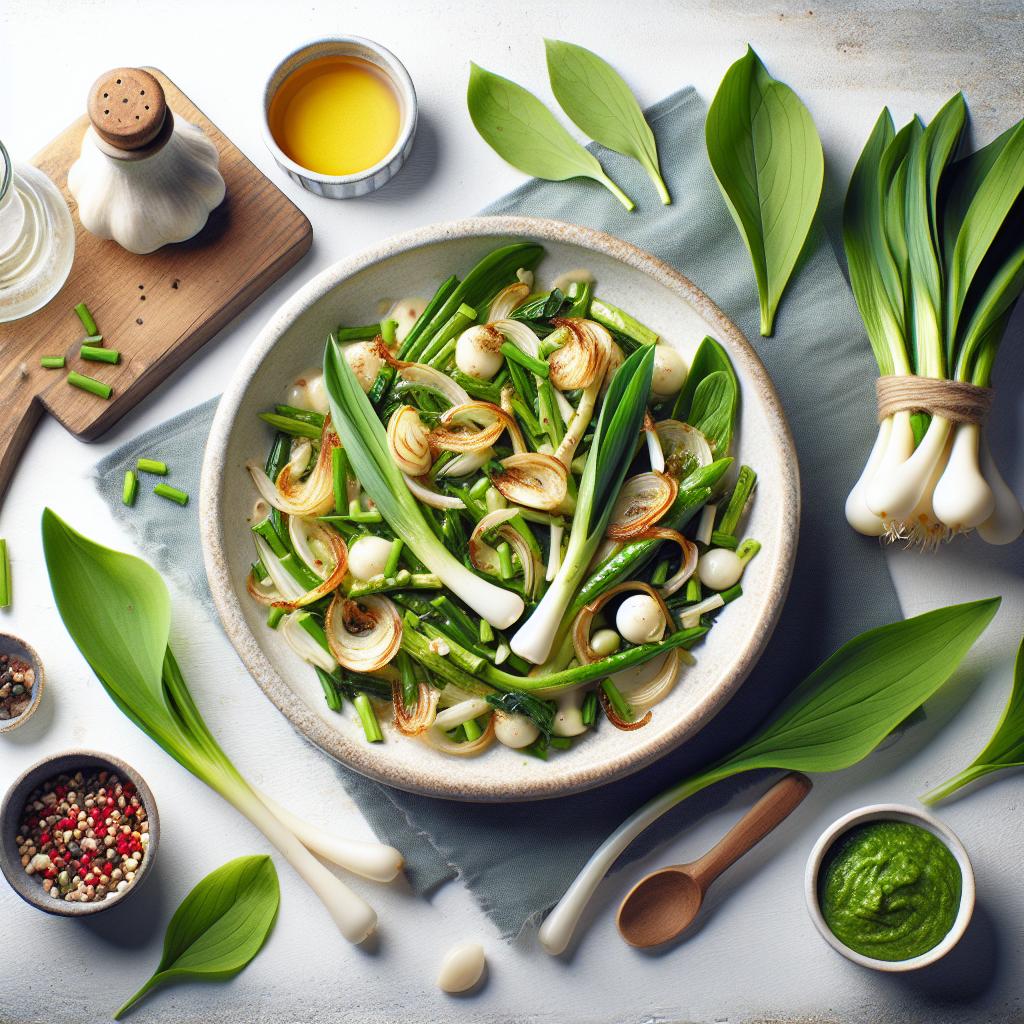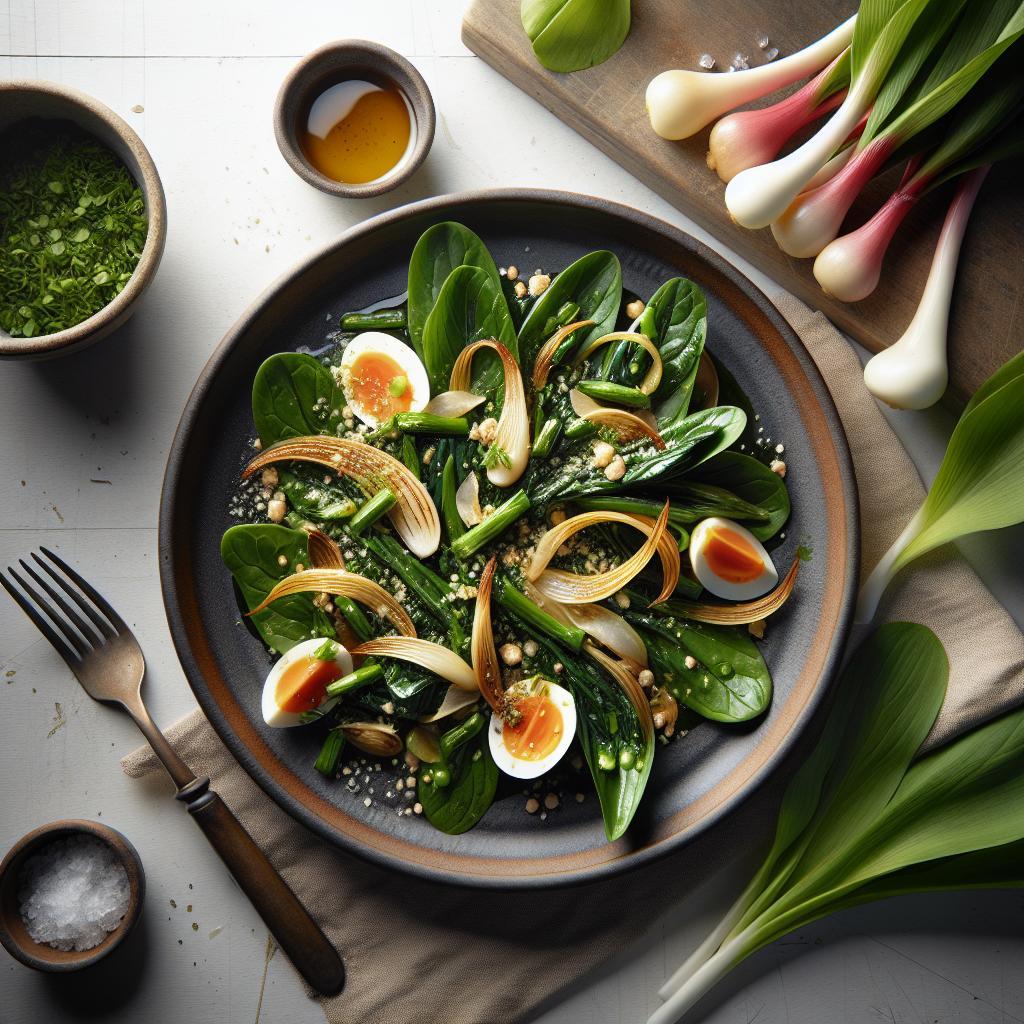

There’s something delightfully wild about the fresh, fragrant appeal of ramps-those verdant, garlic-onion hybrids that signal spring’s arrival with their pungent charm. But as anyone who’s harvested or bought these verdurous delights knows, their peak freshness is fleeting, making proper storage not just a suggestion, but a necessity. In this article, we dive deep into the art and science of preserving ramps at their prime, sharing expert tips that will keep these woodland gems vibrant, crisp, and ready to elevate your culinary creations every time. Whether you’re a forager, a foodie, or simply ramp-curious, read on to unlock the secrets to flawless ramp storage that honors their wild essence and maximizes their fresh flavor.
- Selecting the Freshest Ramps for Longevity and Flavor
- Optimal Techniques to Clean and Prepare Ramps Before Storage
- Ideal Storage Conditions to Maximize Shelf Life and Maintain Texture
- Creative Uses for Preserving Excess Ramps Beyond Refrigeration
- Prep and Cook Time
- Yield
- Difficulty Level
- Ingredients
- Instructions
- Chef’s Notes and Tips for Success
- Serving Suggestions
- Q&A
- The Way Forward
Selecting the Freshest Ramps for Longevity and Flavor
Fresh ramps are a springtime treasure, bursting with bold garlic-onion flavors that instantly elevate any dish. To enjoy their peak taste and ensure they last well, start by choosing ramps that look vibrant and lively. Seek out bulbs that are firm to the touch with crisp, deep green leaves free of wilting or yellow spots. The roots should feel moist but not muddy or slimy. Ramps with tight, unblemished bulbs promise the longest shelf life and most intense flavor, making them the best candidates for preserving their freshness beyond the kitchen.
Optimal Techniques to Clean and Prepare Ramps Before Storage
Cleaning ramps gently yet thoroughly is essential for preserving their delicate texture and flavor. Begin by trimming the roots just below the bulb, then separate the bulbs from the leafy greens if you plan to store them differently. Fill a large bowl with cool water and swish the ramps around several times to loosen any hidden dirt. Avoid soaking them too long, as excess moisture can hasten spoilage. After rinsing, pat the ramps dry using a clean kitchen towel or paper towels to remove residual water. For longer storage, consider blanching the leaves briefly in boiling water (about 15 seconds), then immediately plunging them into ice water to lock in color and nutrients.
Ideal Storage Conditions to Maximize Shelf Life and Maintain Texture
Preserving the fresh taste and crisp texture of ramps depends heavily on proper storage. Wrap the cleaned ramps loosely in damp paper towels, then place them in a perforated plastic bag or a container allowing some airflow. Store them in the vegetable crisper drawer of your refrigerator, where humidity is controlled to prevent wilting. Under these conditions, fresh ramps can retain their freshness for up to a week. For even longer storage, ramps can be frozen after blanching or preserved through other creative methods to keep their distinctive flavor intact.
Creative Uses for Preserving Excess Ramps Beyond Refrigeration
If you find yourself with more ramps than you can use fresh, don’t let them go to waste. Ramps lend themselves beautifully to preservation methods that capture their essence for future enjoyment. Try making a vibrant ramp pesto by blending ramp greens, nuts, olive oil, and cheese; this freezes superbly for months and brightens pasta or spreads effortlessly. Another delectable option is to pickle ramps in a tangy brine, adding a punch to salads and sandwiches. For a quick freezer staple, chop ramps finely, pack them in ice cube trays with a splash of olive oil, and freeze; these cubes can later be tossed directly into sautés or soups, infusing dishes with ramp’s unmistakable aromatic depth.
Prep and Cook Time
- Preparation: 15 minutes
- Cooking (optional blanching/pickling): 10 minutes
- Total Time: 25 minutes
Yield
Serves 4 as a side or condiment
Difficulty Level
Easy – perfect for beginners eager to work with fresh herbs and wild greens.
Ingredients
- 1 lb fresh ramps, cleaned and trimmed
- 1 cup olive oil, for pesto or freezing preparation
- ½ cup toasted pine nuts (optional, for pesto)
- ½ cup grated Parmesan cheese (optional, for pesto)
- 1 cup white vinegar (for pickling)
- 1 cup water (for pickling)
- 1 tbsp sugar
- 1 tbsp salt
- Fresh spices like peppercorns, mustard seeds, or dill (optional, for pickling)
Instructions
- Select the freshest ramps with firm bulbs and vibrant leaves.
- Trim roots and separate bulbs from leaves if desired for separate uses or storage.
- Rinse ramps gently in cool water to remove all dirt; pat dry thoroughly with paper towels.
- For refrigeration storage: Wrap ramps in damp paper towels, place in a perforated bag, and store in the fridge’s crisper drawer.
- To blanch: Boil water, immerse ramp leaves for 15 seconds; transfer immediately to ice water, then dry well for freezing or storage.
- To make ramp pesto: Blend ramp greens, pine nuts, Parmesan, and olive oil until smooth; store in an airtight container in the fridge or freeze in small portions.
- To pickle: Combine vinegar, water, sugar, salt, and spices; bring to a boil. Pour hot brine over ramps packed into sterilized jars. Seal and refrigerate for up to 2 weeks.
- For freezing ramps: Chop cleaned ramps finely, pack into olive oil-filled ice cube trays, freeze, then transfer cubes to freezer bags.
Chef’s Notes and Tips for Success
- Ramp leaves are delicate; avoid excessive washing or soaking to prevent sogginess and premature spoilage.
- When making pesto, adjust olive oil to achieve your preferred consistency – thicker for spreads, thinner for sauces.
- Pickled ramps add zingy brightness to rich dishes – experiment with spice blends like coriander seeds or red pepper flakes for variety.
- Frozen ramp cubes last up to 6 months and are convenient flavor boosters for winter dishes.
- Try wrapping ramps in a dry cloth and storing in a cool, dark place for short-term use if refrigeration is not available.
Serving Suggestions
Fresh ramps are simply spectacular grilled whole alongside spring vegetables, or finely chopped and sprinkled raw atop salads for a natural punch of flavor. Ramp pesto shines tossed into pasta, swirled into mashed potatoes, or dolloped on grilled bread with a sprinkle of flaky sea salt. Pickled ramps bring a lively tang to charcuterie boards or brighten sandwiches and burgers. Frozen ramp cubes can be melted into soups, stews, or omelets, delivering instant aroma and a subtle garlic essence.
| Nutrient | Amount per 100g |
|---|---|
| Calories | 34 kcal |
| Protein | 2.4 g |
| Carbohydrates | 7 g |
| Fat | 0.2 g |

For more wild green inspiration and storage tips, visit our guide on Foraging Wild Edibles. To deepen your understanding of ramp nutrition and health benefits, refer to the NCBI study on Allium vegetables.
Q&A
Q&A: Fresh Ramps – Expert Tips for Perfect Storage Every Time
Q1: What exactly are ramps, and why are they so special?
A: Ramps, often called wild leeks, are nature’s early spring gift. These wild alliums have a garlicky-oniony punch and are prized for their vibrant green leaves and tender white bulbs. Their fleeting season makes them a culinary treasure, beloved by chefs and foodies alike.
Q2: Why is proper storage important for fresh ramps?
A: Ramps are delicate and highly perishable. Without the right storage, they quickly lose their vibrant flavor, crisp texture, and overall freshness. Proper storage extends their shelf life, ensuring you enjoy their unique zing in all your dishes.
Q3: What is the best way to store fresh ramps for short-term use?
A: For quick enjoyment, gently wrap ramps in a damp paper towel, place them inside a perforated plastic bag or vegetable storage container, and keep them in the refrigerator’s crisper drawer. This method preserves moisture without suffocating the ramps, keeping them fresh for up to 5 days.
Q4: Can ramps be stored long-term?
A: Absolutely! For longer storage, ramps can be blanched briefly and then frozen. After trimming and cleaning, plunge ramps into boiling water for about 15 seconds, cool in an ice bath, dry thoroughly, and freeze in airtight bags. This locks in their flavor and color for several months.
Q5: Are there any creative ways to store ramps besides refrigeration and freezing?
A: Yes! Try pickling ramps in a tangy vinegar brine for a zesty twist that lasts for weeks. Alternatively, you can preserve ramps in olive oil or make ramp butter, then freeze these for a convenient, flavor-packed addition to dishes anytime.
Q6: How can I tell if ramps have gone bad?
A: Fresh ramps should be crisp with bright green leaves and firm white bulbs. If you notice slimy textures, yellowing leaves, or a sour odor, it’s time to part ways. Using them promptly prevents wasted produce and ensures your meals sparkle with fresh flavor.
Q7: Any expert tips for maximizing ramp freshness at home?
A: Handle ramps gently, avoid washing until just before use, and store bulbs and leaves slightly separated if possible. Also, keep them away from ethylene-producing fruits like apples or bananas, which speed up ripening and spoilage.
Q8: Why do ramps tend to have such a short season, and how can storage help?
A: Ramps thrive in early spring and quickly fade as the forest thickens. Their brief harvest window makes smart storage crucial to stretching out their vibrant flavor beyond the wild foraging season.
Embrace these tips, and every time you peel back the layers of your stored ramps, you’ll unlock fresh, bright bursts of springtime magic-no matter the calendar date!
The Way Forward
With their vibrant flavor and fleeting season, fresh ramps deserve more than just a quick stir-fry-they deserve thoughtful storage that keeps their essence alive. By mastering these expert tips, you can extend the life of your ramps and savor their wild, garlicky charm long after the harvest. Whether wrapped gently in damp paper towels or nestled in a crisp, clean container, your ramps will stay fresher, longer-ready to brighten every dish with that unmistakable, early-spring magic. So next time you bring home these delicate delights, treat them right, and let your culinary creations sing with the unmistakable taste of nature’s freshest bounty.