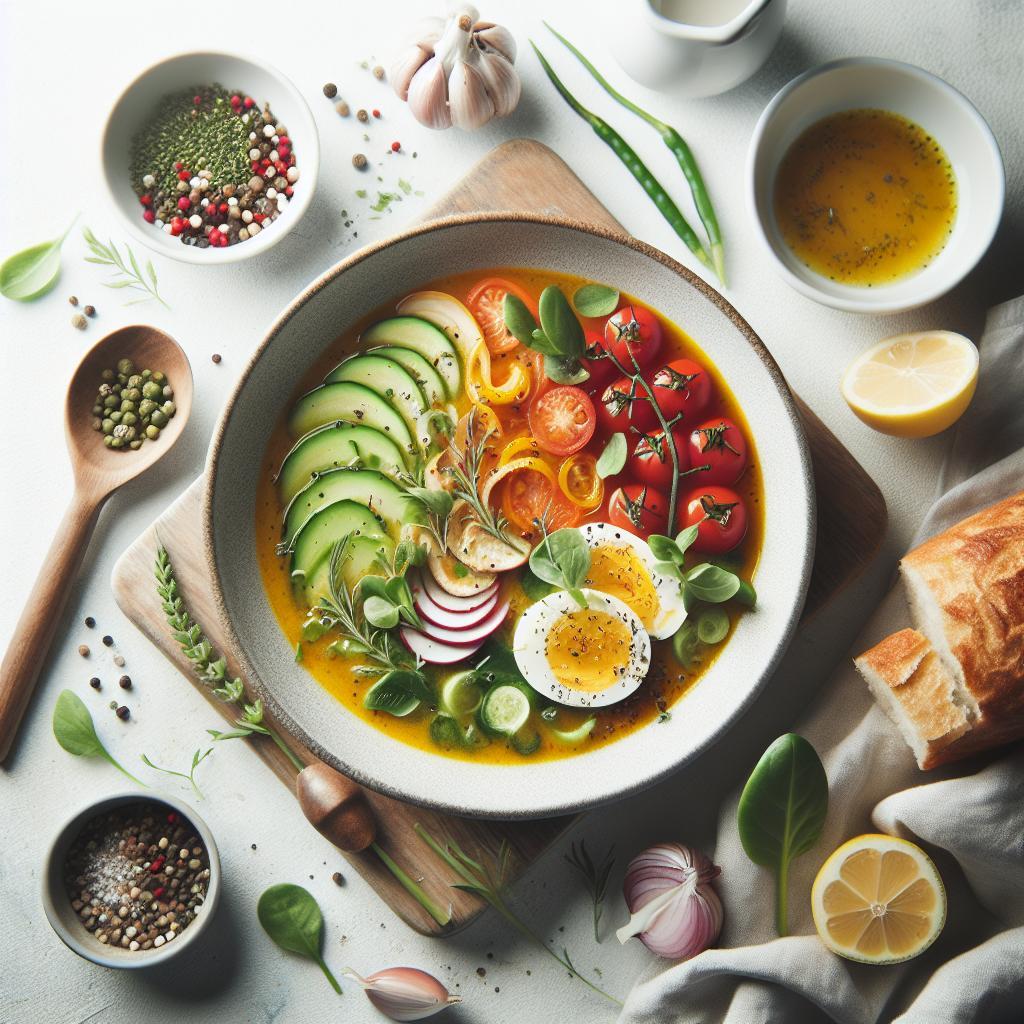

There’s something magically soothing about a warm bowl of soup – the way it wraps around you like a cozy blanket on a chilly day or effortlessly turns a simple meal into comfort on a plate. Yet, despite its humble appearance, soup can be surprisingly tricky to master. One wrong move and your velvety bisque might turn a bit too salty, or your hearty stew could end up watery and bland. Whether you’re a seasoned home cook or just starting your culinary journey, navigating the nuances of simmering, seasoning, and stirring can mean the difference between a bowl worth savoring and a soup slip-up to forget. In this article, we’ll dive into the most common cooking mistakes that trip up even the best chefs – and show you exactly how to avoid them, so your next pot of soup is a delicious triumph!
Soup Slip-Ups start long before the simmering begins. Choosing the right ingredients sets the foundation for a soup brimming with fresh, vibrant flavor. Whether you’re crafting a rustic vegetable broth or a velvety bisque, start with high-quality, fresh produce and aromatics like onions, garlic, and herbs. Each ingredient should complement, not compete, creating layers of depth without overwhelming the palate. Keep an eye out for the best seasonings to elevate your base – a pinch of smoked paprika or a splash of white wine can make all the difference, but use them judiciously to avoid overpowering your creation.
Prep and Cook Time
- Prep time: 20 minutes
- Cook time: 45 minutes
- Total time: 1 hour 5 minutes
Yield
Serves 6 hearty bowls
Difficulty Level
Medium – perfect for home cooks eager to polish their soup skills
Ingredients
- 2 tablespoons olive oil
- 1 large yellow onion, finely chopped
- 3 cloves garlic, minced
- 3 large carrots, diced
- 2 celery stalks, chopped
- 4 cups low-sodium chicken or vegetable broth
- 1 cup diced tomatoes (fresh or canned, no salt added)
- 1 teaspoon fresh thyme leaves
- 1 bay leaf
- Salt and freshly ground black pepper, to taste
- Optional: 1/4 teaspoon smoked paprika
- Fresh parsley for garnish
Instructions
- Heat the olive oil in a large heavy-bottomed pot over medium heat. Add the chopped onion and sauté until translucent and golden, about 7 minutes, stirring frequently to avoid browning too fast.
- Add garlic, carrots, and celery. Sauté for 5 minutes until the vegetables soften and the aroma fills your kitchen, stirring regularly to prevent sticking.
- Pour in the broth and diced tomatoes. Stir well to combine, scraping the bottom of the pot to lift any caramelized bits that add richness.
- Add the thyme leaves, bay leaf, and optional smoked paprika. Bring the mixture to a gentle boil, then reduce heat and simmer uncovered for 30 minutes, allowing flavors to meld beautifully.
- Season carefully with salt and pepper. Taste early and often, adding seasoning in small increments to avoid overpowering the fresh vegetable flavors.
- Remove the bay leaf. For extra smooth texture, use an immersion blender to blend partially or completely, depending on your preference.
- Serve hot, garnished with freshly chopped parsley for a burst of color and freshness.
Tips for Success
- Pick ingredients in season for maximum flavor and natural sweetness-this reduces the need for heavy seasoning.
- When seasoning, remember soup improves with time; under-season lightly and adjust before serving rather than overdoing it early.
- To avoid watery or grainy textures, avoid overcooking delicate vegetables and add any noodles or rice near the end of cooking.
- Use homemade broth or a high-quality store brand without additives to build your taste foundation.
- For a dairy boost, a splash of cream or coconut milk can lend luscious mouthfeel-but add at the end of cooking to prevent curdling.
Serving Suggestions
Present your soup in rustic bowls with a drizzle of extra virgin olive oil and a sprinkle of crunchy toasted croutons. Pair it with a crisp green salad and crusty artisan bread. For visual appeal, add herbs on top just before serving to create contrast and enhance aroma. A dusting of freshly ground black pepper or a few drops of chili oil can bring gentle heat and complexity-a simple touch that elevates final presentation.
| Nutrient | Per Serving |
|---|---|
| Calories | 150 kcal |
| Protein | 4 g |
| Carbohydrates | 20 g |
| Fat | 7 g |
Explore more tips on avoiding common soup slip-ups and master every step for flawless flavors. For in-depth spice chemistry, visit Serious Eats.

Q&A
Q&A: Soup Slip-Ups – Avoid These Common Cooking Mistakes
Q1: Why does my soup sometimes taste bland even after adding salt?
A1: Salt is a soup’s best friend, but it’s just one note in a symphony. If your soup tastes bland, you might be missing depth from other flavor layers. Try boosting with aromatics like garlic, onions, or herbs. Also, a splash of acid-lemon juice, vinegar, or a bit of wine-can brighten flavors and wake up sleepy ingredients.
Q2: My soup turns cloudy and murky. What am I doing wrong?
A2: Cloudiness often happens when you boil vigorously or don’t skim impurities as they rise. Gentle simmering is your soup’s spa treatment: delicate, slow, and calm. Skim off the foam and fat with a ladle to keep broth crystal-clear.
Q3: Why does my creamy soup separate or look curdled?
A3: Creamy soups are delicate creatures. Adding cream or milk straight into a hot soup can cause it to split. Temper your dairy by slowly mixing a ladle of hot soup into the cream before stirring it all back in. Avoid boiling after adding dairy to maintain smoothness.
Q4: My soup is too salty! Can I fix it?
A4: Salt can sneak in and steal the show. Fear not-balance is on your side. Add peeled potatoes to absorb some saltiness (remove before serving), or dilute with unsalted broth or water. A splash of acid or sweetness (a bit of sugar or honey) can also tame over-salted bites.
Q5: Why does my vegetable soup end up mushy instead of crisp and fresh?
A5: Timing is everything! Overcooked veggies turn to mush and lose their charm. Add tender veggies like zucchini or spinach near the end of cooking so they remain vibrant. Harder vegetables like carrots or potatoes need longer to soften, so start with those.
Q6: My soup lacks body and feels watery. How can I thicken it without flour?
A6: There’s magic beyond flour! Pureeing part of your soup’s veggies creates natural creaminess. Beans, lentils, or starchy veggies like potatoes can also lend heartiness. Even a handful of cooked rice or quinoa stirred in will add satisfying texture.
Q7: What’s the best way to store and reheat soup without losing quality?
A7: Cool your soup swiftly and store it in airtight containers in the fridge (up to 3-4 days) or freezer (up to 3 months). Reheat gently on the stove over low heat-avoid boiling to preserve texture and flavor. Stir occasionally and add a splash of broth if it feels too thick.
Soup-making is an art of patience and balance. Avoid these slip-ups, and your next bowl will be nothing short of a warm, comforting masterpiece!
Concluding Remarks
As your spoon dives back into that perfectly simmered bowl of soup, remember: every great cook has faced a few slip-ups along the way. By steering clear of these common pitfalls-whether it’s over-seasoning, undercooking, or simply rushing the process-you’re not just making soup; you’re crafting comfort in a bowl. So next time you stir your pot, embrace patience, trust your taste buds, and let your soup whisper its secrets to perfection. After all, mastering the art of soup is less about flawless technique and more about savoring the journey, one mindful ladle at a time. Happy cooking!