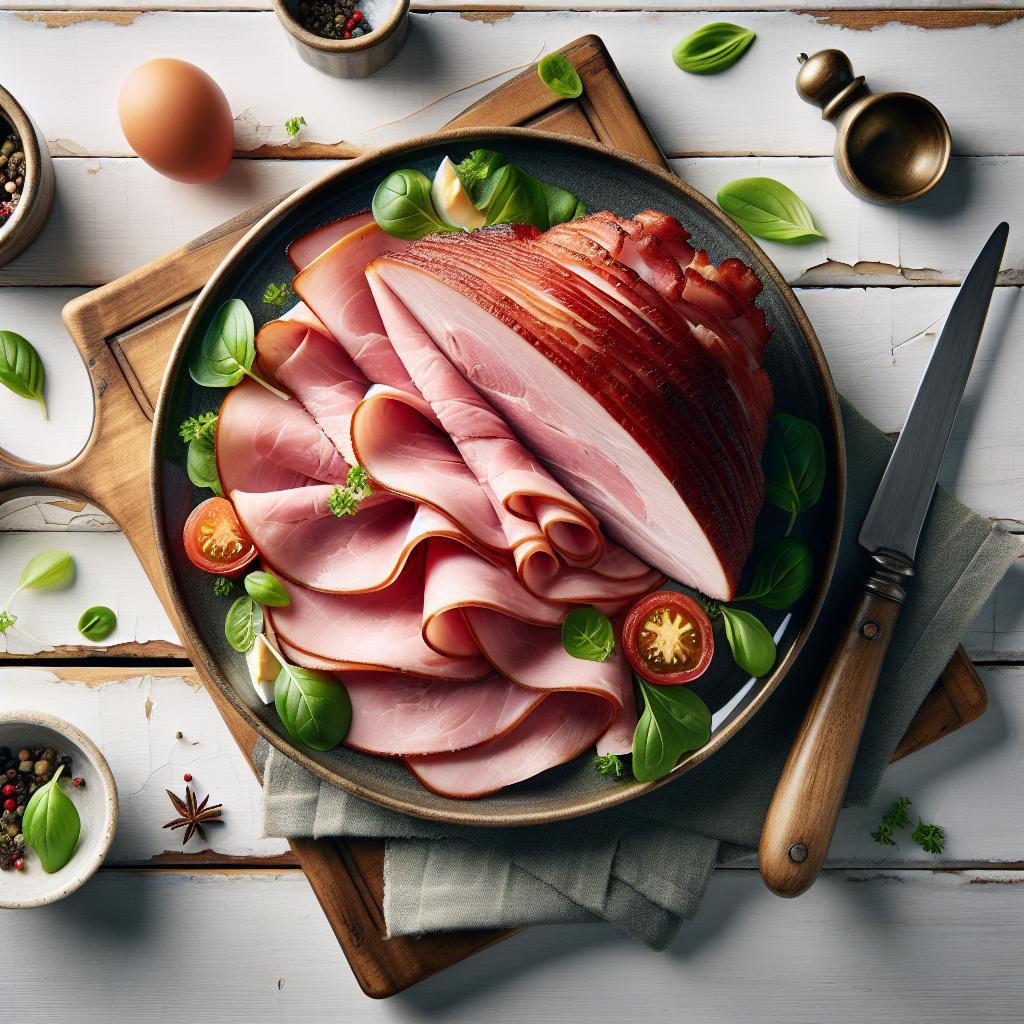

Imagine savoring the rich, salty goodness of ham at a festive feast, only to wonder what happens once the last slice is tucked away in your fridge. Leftover ham holds a special kind of magic – it promises more meals, more flavors, and less waste. But how long can this savory delight truly stay fresh and safe to eat? Unlocking the secrets behind ham’s shelf life not only saves your taste buds from disappointment but also keeps your kitchen a haven of health. Join us as we carve into the facts, dispelling doubts and serving up essential tips on how to enjoy every bite of your leftover ham with confidence.
Unlocking freshness: How long does leftover ham last? is a vital question for any home cook eager to enjoy every delicious bite without risking waste or foodborne illness. Leftover ham, with its rich, smoky flavor and tender texture, deserves thoughtful storage to maintain its quality. Understanding the shelf life of your leftover ham, recognizing the signs of spoilage, and learning clever ways to repurpose it will transform your kitchen routine and bring a world of savor to your meals.
Prep and Cook Time
- Prep Time: 10 minutes
- Cook Time: Varies by repurposing recipe (15-30 minutes average)
Yield
- Serves 4-6 as main course or multiple servings when used in repurposed dishes
Difficulty Level
- Easy to Medium – depending on dishes created with repurposed ham
Ingredients for Safely Storing and Repurposing Leftover Ham
- Leftover cooked ham, sliced or cubed (up to 3-4 days post-cooking)
- Airtight containers or heavy-duty aluminum foil
- Freezer-safe bags if freezing
- Fresh herbs (optional, for flavor enhancement)
- Spices and sauces for repurposed ham dishes (e.g., mustard, honey, black pepper, garlic)
Instructions and Tips for Mastering Leftover Ham Storage and Creative Use
- Assess Storage Conditions: Refrigerated leftover ham typically lasts 3-4 days when stored at or below 40°F (4°C). For maximum freshness, slice or cube the ham to reduce air pockets and store it in airtight containers to prevent drying out or absorbing fridge odors.
- Freeze for Extended Shelf Life: To extend freshness beyond the refrigerator limit, tightly wrap leftover ham in plastic wrap and foil or place in a freezer-safe bag. Properly frozen ham can last up to 1-2 months without significant quality loss. Label packages with date and portion size for easy access.
- Recognize Spoilage: Watch for off odors, slimy texture, discoloration (greenish or grayish hues), or mold. If ham exhibits any of these characteristics, discard immediately to avoid food poisoning risks.
- Repurpose Before it Spoils: Transform your leftover ham into enticing dishes before its shelf life wanes. Ideas include ham and cheese omelets, hearty ham and bean soup, or a vibrant ham fried rice. Adding fresh vegetables and bold herbs revitalizes the texture and flavor.
- Reheat Properly: When cooking with leftover ham, reheat thoroughly until steaming hot (165°F or 74°C) for safety and optimal taste. Avoid repeated reheating cycles to maintain quality.
Chef’s Notes and Tips for Success
- Storage Variations: If ham is bone-in, separate the meat for storage to minimize contamination risk. Vacuum sealing extends freshness but requires special equipment.
- Quick Flavor Boost: Lightly sauté ham cubes with garlic and fresh herbs for a crisp edge and enhanced aroma before adding to recipes.
- Make-Ahead Ideas: Prepare a savory ham casserole or quiche, which freezes well and can be baked fresh later, reducing mealtime stress.
- Substitutions: Turkey or smoked sausage work in repurposed recipes when ham is not available but maintain the same storage care.
Serving Suggestions
Serve repurposed ham dishes garnished with vibrant microgreens or chopped fresh parsley to contrast the smoky richness. Accompany with crusty bread or steamed seasonal vegetables to round out the meal. For a brunch twist, create ham and cheddar croissants or savory strata, presented on a large rustic platter with fresh fruit.

| Storage Method | Shelf Life | Temperature | Tips |
|---|---|---|---|
| Refrigerated (airtight container) | 3-4 days | ≤ 40°F (4°C) | Slice/cube for faster cooling & freshness |
| Frozen (wrapped tightly) | 1-2 months | 0°F (-18°C) | Label & portion for convenience |
| Room Temperature | Not recommended | Above 40°F | Risk of spoilage & bacteria growth |
For more inspiring leftover recipes, visit our Ham Recipe Collection. Always prioritize safety by consulting the USDA Food Safety guidelines for proper refrigeration and storage.
Q&A
Q&A: Unlocking Freshness – How Long Does Leftover Ham Last?
Q1: What factors influence how long leftover ham stays fresh?
A1: The lifespan of leftover ham depends on several key factors: whether it’s cooked or cured, how it’s been stored, and the temperature it’s kept at. Cooked ham typically lasts 3 to 5 days in the fridge, while cured or processed ham (like deli slices) may vary slightly. Properly wrapping and sealing your ham in airtight containers or heavy-duty foil can extend its freshness by keeping pesky bacteria out.
Q2: Can I freeze leftover ham, and if so, how long will it last?
A2: Absolutely-and freezing is your best friend when it comes to extending ham’s shelf life. Wrap the ham tightly in plastic wrap and place it in a freezer bag or airtight container. Frozen ham can last up to 1 to 2 months for best quality. Beyond that, it’s still safe but may lose some of its juicy texture and flavor.
Q3: How can I tell if leftover ham has gone bad?
A3: Trust your senses! If the ham develops a sour smell, slimy texture, or any discoloration (like gray or green spots), it’s time to say goodbye. Also, if it tastes off or you notice any unusual mold, do not eat it-your health is worth more than saving a slice.
Q4: Is it safe to eat ham left out overnight?
A4: Unfortunately, no. Ham left out at room temperature for more than 2 hours enters the “danger zone” (40°F – 140°F), where harmful bacteria multiply rapidly. It’s best to discard any ham left out overnight to avoid foodborne illness.
Q5: What’s the best way to store leftover ham to keep it fresh longer?
A5: After your feast, trim any exposed surfaces and tightly wrap your ham with plastic wrap or foil. For even better protection, pop leftovers into airtight containers. Store the ham in the coldest part of your fridge-usually near the back-to maintain an ideal temperature. Remember: less air means more freshness!
Q6: Can I reheat leftover ham multiple times?
A6: It’s best to reheat ham only once. Repeated reheating can dry out the meat, diminish taste, and increase the risk of bacterial growth. When reheating, aim for an internal temperature of 165°F (74°C) to ensure safety without sacrificing flavor.
Q7: How can I get creative with leftover ham before it spoils?
A7: Don’t let your ham sit and sulk-transform it into a taste sensation! Dice it into omelets, toss it in creamy pasta, blend it into hearty soups, or sprinkle it over fresh salads. Using it creatively not only saves it from waste but also adds a delicious twist to your meals.
Unlocking ham’s freshness is all about mindful storage, keen senses, and a dash of culinary creativity. With these tips, your leftover ham can stay deliciously safe and ready for your next savory adventure!
Future Outlook
In the quest to savor every bite of leftover ham, understanding its shelf life is your secret weapon against waste and disappointment. By unlocking the timeline of freshness-whether nestled in the fridge or safely stored in the freezer-you ensure each slice delights your palate and keeps you safe. So, next time you gaze at that savory leftover, remember: knowing how long it lasts transforms your kitchen from a guessing game into a mastery of flavor preservation. Here’s to enjoying ham at its tastiest, freshest best!