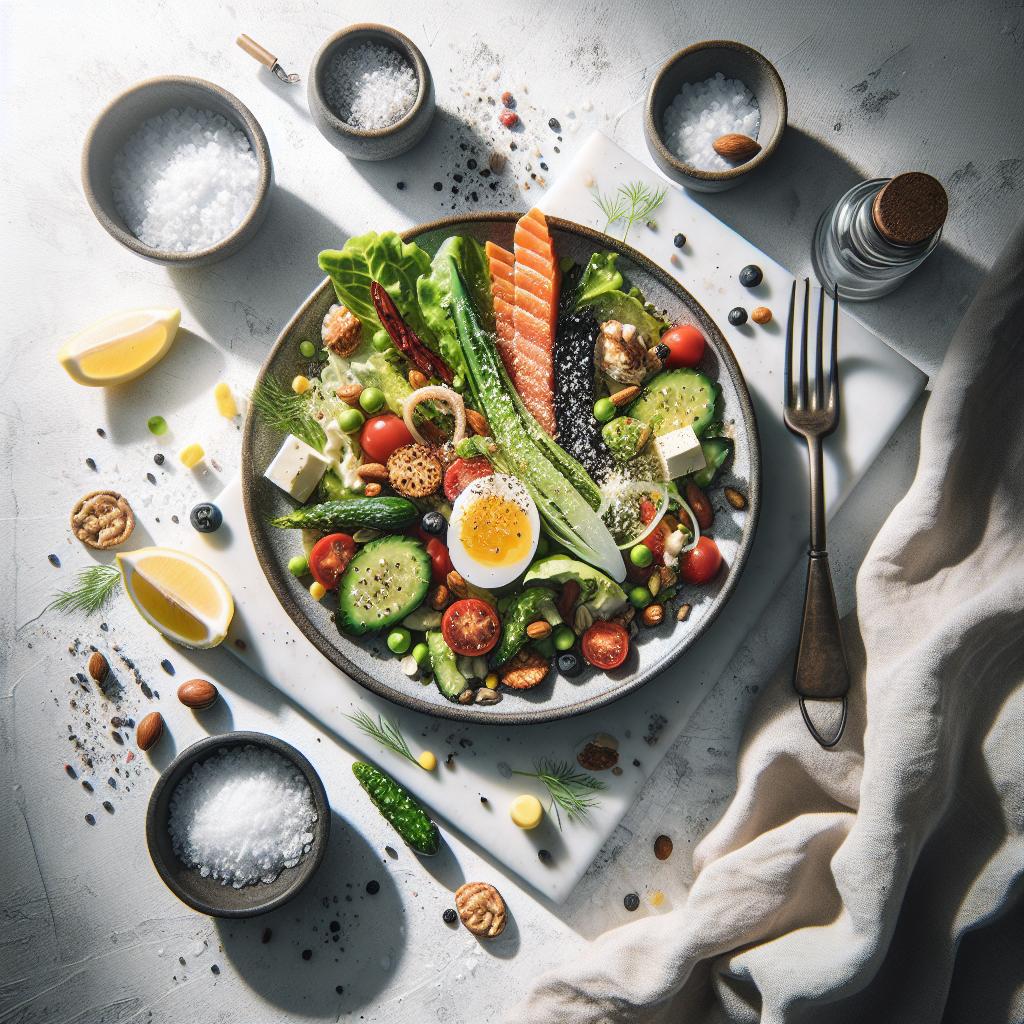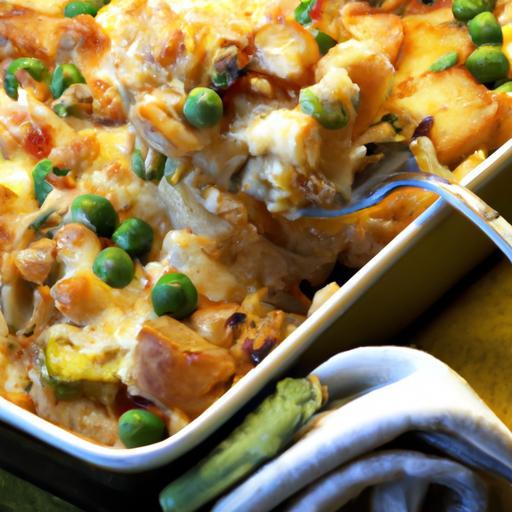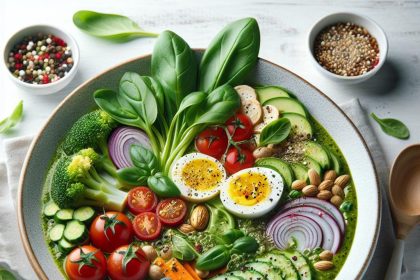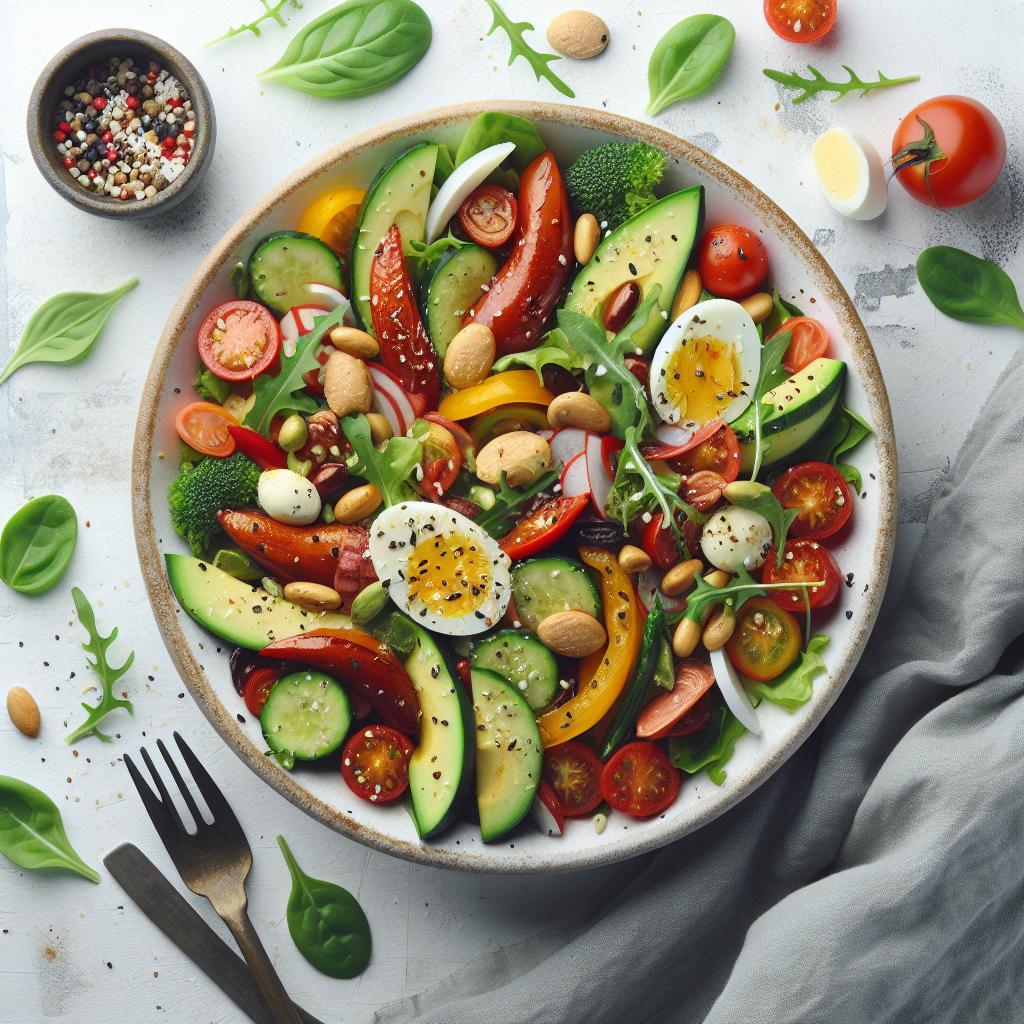

There’s nothing quite like a perfectly seasoned side dish to elevate a meal – until you accidentally tip the salt shaker a little too enthusiastically. That sudden, overwhelming burst of salt can turn your culinary creation from delightful to disappointing in seconds. But fear not! Before you toss that salty side dish aside or scramble for a new recipe, there’s hope. In this article, we explore clever fixes that really work, transforming your over-salted sides back into flavorful stars of the table. From simple pantry hacks to unexpected kitchen tricks, get ready to rescue your dish and savor every bite without that dreaded salty sting.
Salty Side Dish Rescue truly shines when an over-salted accompaniment threatens to upstage your meal. Understanding how salt interacts within recipes can transform an accidental salt overload into a dish brimming with balanced flavors. From smart ingredient swaps to creative cooking techniques, this guide empowers you to soften saltiness without losing the dish’s essence, using clever fixes that really work.
Prep and Cook Time
Prep: 10 minutes | Cook: 15 minutes | Total: 25 minutes
Yield
Serves 4 as a satisfying side
Difficulty Level
Easy – Perfect for home cooks and culinary enthusiasts alike
Ingredients
- 2 cups unsalted cooked potatoes, cubed
- 1/2 cup low-sodium chicken or vegetable broth
- 1/4 cup plain yogurt or sour cream (to mellow salt)
- 1 tbsp fresh lemon juice (brightness to counter salt)
- 2 tbsp chopped fresh herbs (parsley, chives, or dill)
- 1 tbsp honey or maple syrup (a touch of sweetness)
- 1 tbsp olive oil
- Fresh cracked black pepper to taste
- Optional garnish: toasted pine nuts or pomegranate seeds
Instructions
- Assess the saltiness: Taste the dish carefully. If it’s just a bit too salty, proceed with dilution techniques. For extreme saltiness, consider replacing some of the base ingredients if possible.
- Add unsalted components: Gently fold in the unsalted cooked potatoes to absorb excess salt and soften the overall flavor profile.
- Moisten and mellow: Pour in the low-sodium broth and stir gently to loosen dense textures and balance saltiness with subtle liquid addition.
- Introduce acidity: Drizzle the fresh lemon juice over the mixture. The citrus acidity brightens and distracts the palate from salt overload.
- Smooth it out: Stir in the plain yogurt or sour cream for a creamy undertone that tempers salty sharpness without overwhelming the dish.
- Sweeten subtly: Add honey or maple syrup a little at a time. Sweetness creates harmony, rounding out the flavor spectrum.
- Enhance aroma and flavor: Fold in the fresh herbs that add vivid green freshness and visual appeal.
- Finalize seasoning: Finish with a drizzle of olive oil and sprinkle of black pepper. Toss gently to incorporate.
- Garnish creatively: Just before serving, scatter toasted pine nuts or jewel-like pomegranate seeds to add crunch and a playful flavor contrast.
- Serve immediately for best taste and texture.
Tips for Success
- Use naturally low-sodium or unsalted ingredients as your base-unsalted potatoes and low-sodium broth are key to reliable salt control.
- When time allows, rinse over-salted cooked vegetables briefly under cold water to remove excess surface salt.
- Acidic balances such as lemon, vinegar, or a splash of white wine are magic for brightening and redirecting salt prominence.
- Adding creamy dairy helps absorb saltiness and adds comforting richness-plain yogurt stands out for both flavor and texture.
- Layer your flavors gradually-salt perception can improve dramatically with small adjustments rather than drastic fixes.
- For a shortcut, pairing overly salty sides with mild main dishes like grilled chicken or simple fish can help neutralize the overall meal experience.
Serving Suggestions
Present your revitalized side dish in a rustic bowl drizzled with extra virgin olive oil and a sprinkle of vibrant chopped herbs. The bright, natural colors conjure a fresh garden vibe, while crunchy pine nuts or jewel-toned pomegranate seeds provide textural contrast and garnish appeal. Pair alongside a lemon-herb roasted chicken or a flaky grilled fish to achieve a harmonious plate where flavors sing without any overpowering saltiness.
| Nutrient | Per Serving |
|---|---|
| Calories | 140 kcal |
| Protein | 3 g |
| Carbohydrates | 20 g |
| Fat | 5 g |
For additional inspiration on balancing flavors, explore our comprehensive flavor balancing guide. To delve deeper into the chemistry of salt in cooking, check out this detailed article by Science Daily.

Q&A
Q&A: Salty Side Dish Rescue – Clever Fixes That Really Work
Q1: How do I know if my side dish is too salty?
A: If your taste buds recoil with a sharp, overwhelming salt punch before you even get a proper flavor experience, chances are you’ve crossed the salty line. A good rule of thumb is if your dish tastes like the ocean’s taken up residence on your plate, it’s time for a rescue mission.
Q2: What’s the quickest fix for an overly salty side dish?
A: One of the fastest ways is to dilute the saltiness. Adding a neutral ingredient like cooked rice, unsalted potatoes, or plain cooked vegetables can absorb some of that salt and even out the flavor. Think of it as giving your dish a gentle, flavor-balancing hug.
Q3: Can dairy help tame salt overload in side dishes?
A: Absolutely! Dairy is the unsung hero here. Stirring in a bit of sour cream, plain yogurt, or a splash of cream can soften the salty bite. The creamy texture and mild flavor work wonders to mellow the intensity without masking the dish.
Q4: What about acidity? Can it help fix saltiness?
A: Yes! Acidic ingredients like lemon juice, vinegar, or a dash of tomato can help balance extreme salt levels. They don’t erase salt but create a lively counterpoint that tricks your palate into perceiving less saltiness.
Q5: Are there any other clever tricks to rescue salty side dishes?
A: You bet. Adding a bit of sweetness-like a teaspoon of sugar, honey, or a sweet vegetable such as carrots-can counterbalance saltiness. Also, if your dish allows, incorporating extra herbs and spices (fresh parsley, basil, or smoked paprika) can distract and harmonize flavors beautifully.
Q6: Can I fix salty side dishes once they’re plated?
A: Definitely! Serving salty sides alongside bland or mildly flavored mains and adding a dollop of unsalted accompaniments (like mashed potatoes or a simple salad) can create a balanced bite. Plus, eating salty dishes with plenty of water or neutral beverages helps reset your palate.
Q7: What’s the best prevention tip to avoid a salty disaster in future cooking?
A: When seasoning, salt gradually. Taste every step of the way. Use measuring spoons if you must. And remember, you can always add more, but you can’t take it out – unless you’re ready for a quick rescue operation!
In Conclusion
In the culinary adventure of crafting the perfect meal, even the most experienced cooks can face the salty side dish slip-up. But fear not-rescuing an over-salted creation isn’t just possible, it’s practically an art form. Armed with these clever fixes, from balancing flavors to smart ingredient swaps, you can turn a potential dinner disaster into a delicious triumph. So next time your taste buds detect a salt overload, remember: a pinch of patience and a few savvy tricks can bring your dish back from the brink, proving that every meal has the potential for a savory comeback. Happy cooking-and happy rescuing!