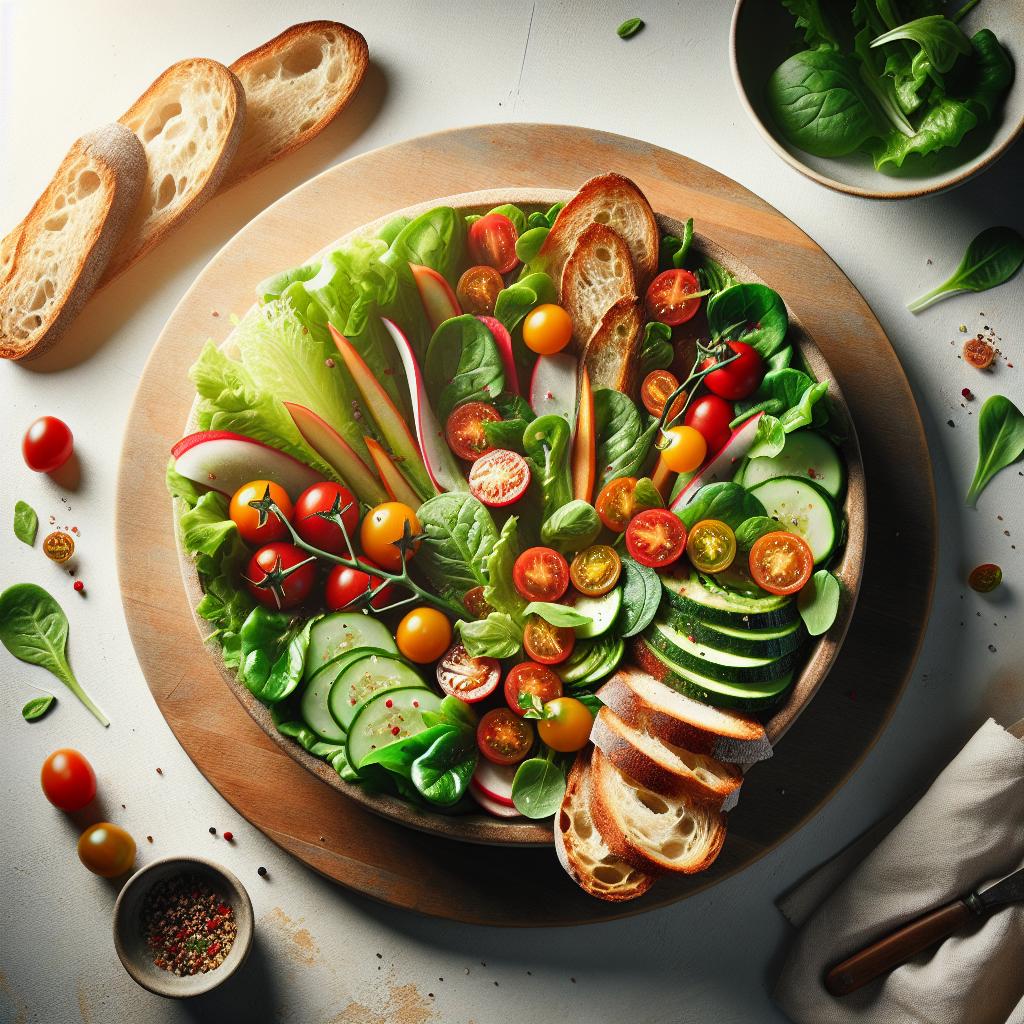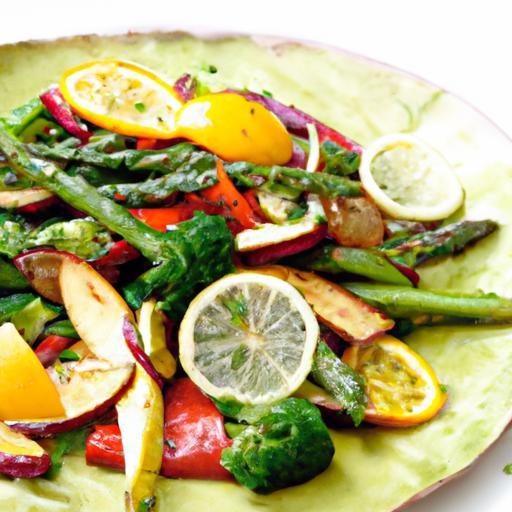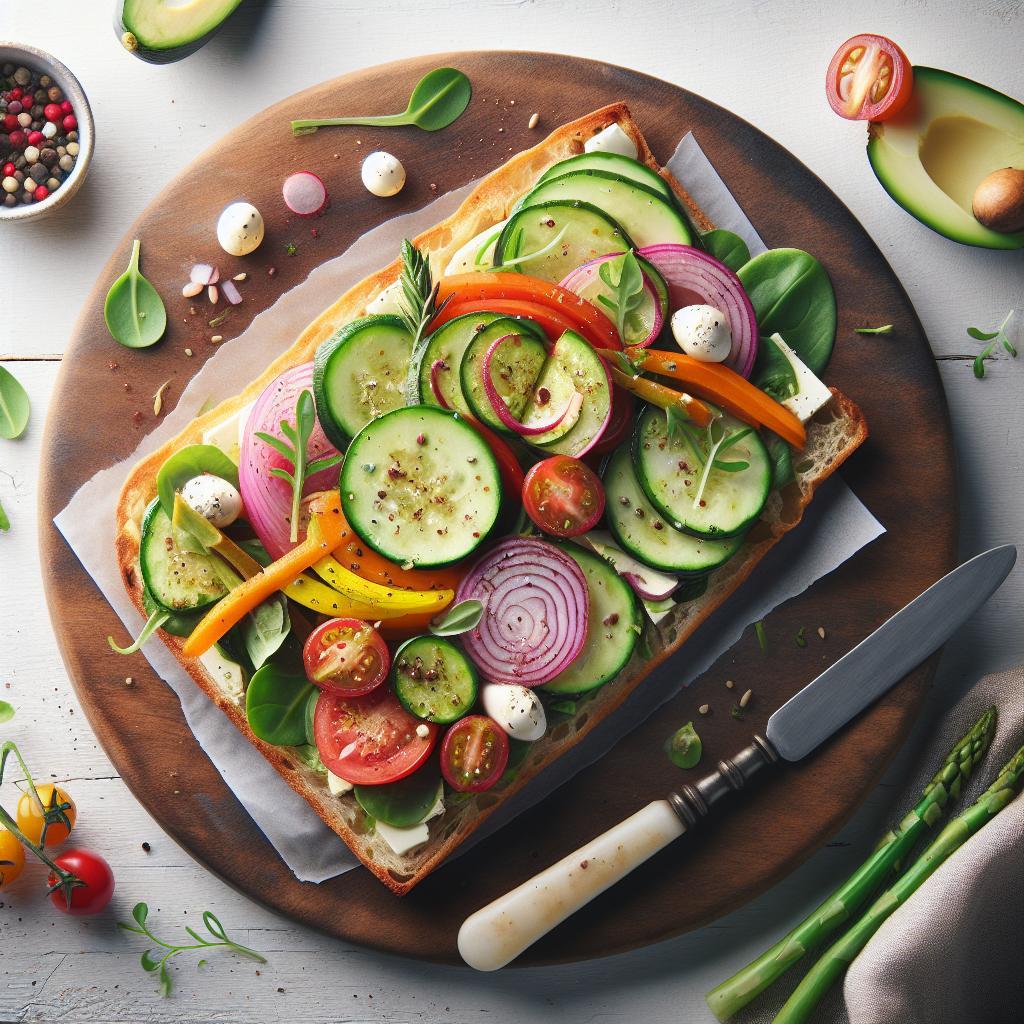

As the days grow longer and the air turns crisp with the promise of renewal, our palates yearn for something vibrant and fresh. Enter the spring vegetable tartine-a delightful canvas where nature’s bounty meets artisan craftsmanship. This open-faced masterpiece celebrates the season’s crisp asparagus, tender peas, and vivid radishes, layered atop crusty bread that crackles with every bite. In this article, we’ll explore how to balance textures and flavors to create the perfect spring vegetable tartine, transforming simple ingredients into a feast for both the eyes and the taste buds. Prepare to savor the essence of spring, one colorful slice at a time.
Fresh Flavors: Crafting the Perfect Spring Vegetable Tartine celebrates the vibrant essence of the season with a harmonious medley of crisp vegetables, fragrant herbs, and creamy cheeses on a crisp, toasted bread canvas. Inspired by European open-faced sandwiches and elevated through the thoughtful balance of texture and taste, this tartine captures the joy of spring dining at its freshest and most colorful.
Prep and Cook Time
Preparation: 20 minutes | Cooking: 10 minutes | Total: 30 minutes
Yield
4 servings
Difficulty Level
Medium
Ingredients
- 4 slices rustic sourdough bread, about 1-inch thick
- 1 cup fresh sugar snap peas, trimmed and halved
- 1 cup baby asparagus, trimmed and halved
- 1 cup radishes, thinly sliced
- 1/2 cup fresh English peas (optional for pop of sweetness)
- 1/3 cup goat cheese, softened
- 2 tbsp crème fraîche or sour cream
- 1 tbsp extra virgin olive oil, plus extra for drizzling
- 1 tsp lemon zest
- 1 tbsp fresh chives, finely chopped
- 1 tbsp fresh mint leaves, torn
- Salt and freshly ground black pepper to taste
- 1 garlic clove, halved (for rubbing the toasted bread)
Instructions
- Prepare the vegetables: Bring a pot of salted water to a boil. Blanch the sugar snap peas, baby asparagus, and English peas for 1-2 minutes until just tender yet crisp. Immediately plunge them into an ice bath to halt cooking and preserve their vivid color. Drain and pat dry carefully.
- Toast the bread: Heat a grill pan or skillet over medium-high heat. Brush each slice of sourdough bread lightly with olive oil. Toast until golden and crisp, about 2-3 minutes per side. For an aromatic touch, rub the warm bread gently with the halved garlic clove.
- Create the cheese base: In a small bowl, combine goat cheese, crème fraîche, lemon zest, salt, and pepper. Mix until creamy and smooth. Spread a generous layer evenly over each toasted bread slice to anchor the vegetables.
- Assemble the tartine: Begin layering with radish slices, followed by blanched green vegetables. Sprinkle chopped chives and torn mint evenly on top. Drizzle with a little olive oil and season with additional salt and pepper to enhance flavors.
- Final touches: Add a few microgreens or edible flowers for an elegant pop of color if desired. Serve immediately to enjoy the freshest textures and flavors.
Tips for Success
- To maximize crunch, do not overcook the spring vegetables; they should retain a fresh snap.
- For a vegan version, substitute goat cheese and crème fraîche with a herbed cashew cream.
- Use day-old bread for better toasting results-fresh bread can sometimes become too soft beneath the toppings.
- Experiment with herbs: fresh basil or tarragon pairs beautifully with spring vegetables and creates a subtle aromatic lift.
- Make-ahead tip: Prepare the cheese spread in advance and keep refrigerated for up to 2 days to save time.
Serving Suggestions
Present each tartine on a wooden board for rustic charm or a bright ceramic plate for contrast. Garnish with lemon wedges to add a zesty finish at the table. Pair this tartine with a crisp dry rosé or a chilled glass of Sauvignon Blanc to complement the clean, fresh flavors. A side salad of mixed greens tossed lightly with lemon vinaigrette balances the richness of the cheese beautifully.

| Nutrient | Per Serving |
|---|---|
| Calories | 280 kcal |
| Protein | 9 g |
| Carbohydrates | 38 g |
| Fat | 9 g |
Explore more open-faced sandwich recipes in our Seasonal Open-Faced Sandwiches Collection. For deeper insight into seasonal produce, visit the Fresh Produce Alliance.
Q&A
Q&A: Fresh Flavors – Crafting the Perfect Spring Vegetable Tartine
Q1: What makes a spring vegetable tartine different from other open-faced sandwiches?
A1: Spring vegetable tartines capture the bounty of the season with fresh, crisp, and vibrant produce, transforming a simple open-faced sandwich into a celebration of renewal. Unlike heavier tartines, these focus on light, bright flavors and textures that evoke the freshness of springtime.
Q2: Which vegetables are ideal for a spring vegetable tartine?
A2: Think early peas, asparagus tips, radishes, baby spinach, snap peas, and young carrots. These vegetables bring a natural sweetness, crunch, and vivid color palette that make each bite refreshing and visually enticing.
Q3: How should the base bread be chosen for the perfect tartine?
A3: Opt for rustic, artisanal bread with a crispy crust and airy crumb – such as a country sourdough or a whole-grain baguette. The bread should provide a sturdy yet tender foundation that holds up under the layered freshness without overpowering the delicate vegetables.
Q4: What role do spreads or cheeses play in enhancing a spring vegetable tartine?
A4: Spreads like herbed ricotta, whipped goat cheese, or a lemony cream cheese add a creamy, tangy contrast to the crisp veggies. They also act as a flavor bridge, uniting the fresh ingredients into a harmonious bite full of zest and smoothness.
Q5: Are there any seasoning tips to elevate the spring vegetable tartine?
A5: Absolutely! A sprinkle of flaky sea salt, a drizzle of extra virgin olive oil, fresh cracked pepper, and a scattering of fresh herbs such as tarragon, chervil, or chives can awaken the palate and amplify the natural flavors. A light squeeze of lemon juice adds brightness and balance.
Q6: Can a spring vegetable tartine be served warm or should it always be enjoyed cold?
A6: While traditionally served at room temperature or slightly chilled to highlight the fresh crunch of spring vegetables, you can experiment with warming the bread lightly before assembly. Just avoid heating the finished tartine to preserve that crisp, vibrant bite.
Q7: What makes the spring vegetable tartine an ideal dish for gatherings?
A7: Its colorful presentation, simplicity, and healthful ingredients make it both visually stunning and widely appealing. It’s easy to customize, quick to prepare, and satisfies a crowd craving something fresh and nourishing after winter’s heavier fare.
Q8: Any final tips for crafting a memorable spring vegetable tartine?
A8: Embrace the season’s peak produce, keep flavors balanced but bold, and layer textures thoughtfully. Remember that the magic lies in the harmony between crisp vegetables, creamy spreads, fresh herbs, and the perfect slice of bread – a true ode to spring on an open canvas.
To Wrap It Up
As the seasons shift and nature paints the world in vibrant hues, the spring vegetable tartine emerges as a culinary celebration of renewal and freshness. By layering crisp asparagus, tender peas, and tangy radishes atop artisanal bread, you’re not just assembling ingredients-you’re crafting a bite of spring itself. Whether enjoyed as a light lunch or an elegant appetizer, this dish invites you to savor the garden’s bounty with every colorful, flavorful mouthful. So next time the season’s freshest produce calls your name, embrace the art of the tartine and let your palate bloom alongside the season’s finest flavors.