
In the heart of Lebanese cuisine lies a dish that tells a story of tradition, simplicity, and vibrant flavors-Baba Ganoush. This smoky, velvety eggplant dip is more than just an appetizer; it is a culinary canvas painted with the rich history and essence of Lebanon’s sun-soaked landscapes. From the first bite, Baba Ganoush invites you on a sensory journey, blending charred eggplant, tangy lemon, and fragrant tahini into a harmonious dance of taste and texture. Join us as we explore the origins, preparation, and cultural significance of this beloved dish, uncovering how Baba Ganoush has come to embody the spirit of Lebanese flavor in every luscious spoonful.
Baba Ganoush Origins and Cultural Significance in Lebanese Cuisine
Baba Ganoush has long been celebrated as a quintessential symbol of Lebanese culinary heritage, embodying the rich history and vibrant flavors of the Levantine region. This beloved dip, crafted primarily from roasted eggplants, offers a deeply smoky and creamy texture that reflects centuries-old cooking traditions. Its origins trace back to the Levant, where families gathered around open coals to roast eggplants until softened and charred, unlocking the unmistakable smokiness that defines authentic Baba Ganoush.
This dish is not only a delicious appetizer but also a cultural bridge, bringing communities together around shared meals during festive occasions and everyday family dinners alike. Through Lebanon’s turbulent history, Baba Ganoush has persisted as a culinary emblem-simple yet nuanced, humble yet profound-demonstrating how traditional cooking techniques elevate basic ingredients into works of edible art.
Unlocking the Perfect Smoky Flavor Through Traditional Cooking Techniques
The secret to Baba Ganoush lies in the methodical roasting of eggplants. Traditionally, this involves placing whole eggplants directly over hot charcoal or an open flame, allowing the skin to blacken and the flesh to soften, while infusing the flesh with a natural smoky aroma. The cooking process may take 20 to 30 minutes, during which the eggplants occasionally are turned to ensure even charring.
Post-roast, the eggplants are carefully peeled, and their smoky flesh is mashed or pureed to creamy perfection. This technique contrasts with quickly roasting or steaming vegetables, preserving the depth and complexity of flavor that makes Baba Ganoush so memorable. Incorporating tahini, lemon juice, garlic, and herbs, the dip balances its earthiness with bright, tangy notes.
Prep and Cook Time
- Preparation time: 10 minutes
- Cooking time: 25 minutes (roasting eggplants)
- Total time: 35 minutes
Yield
Serves 6 as an appetizer or side dish
Difficulty Level
Medium – Requires patience to roast eggplants traditionally and skill to balance flavors
Key Ingredients That Elevate Baba Ganoush to Culinary Excellence
- 2 large eggplants (dark purple, firm and fresh)
- 3 tablespoons tahini (rich and creamy sesame paste)
- 2 cloves garlic, minced
- 2 tablespoons freshly squeezed lemon juice
- 3 tablespoons extra virgin olive oil, plus more for drizzling
- Salt, to taste
- Freshly ground black pepper, to taste
- 1 tablespoon finely chopped fresh parsley (for garnish)
- 1 teaspoon smoked paprika (optional, for an extra smoky kick)
Instructions
- Preheat your grill or set a medium-high flame on a gas stovetop.
- Prick the eggplants gently with a fork to prevent bursting during cooking.
- Place eggplants directly over the flame or grill, turning every 7-10 minutes until the skin is charred black and the eggplants have collapsed, about 20-25 minutes.
- Remove the eggplants and let cool in a bowl covered with plastic wrap; this eases peeling and intensifies smokiness.
- Peel off the charred skin, taking care to retain all the soft, smoky flesh; discard the skin.
- Transfer flesh to a bowl, mash gently with a fork or pulse briefly in a food processor-avoid overprocessing to keep some texture.
- Add tahini, garlic, lemon juice, salt, and pepper, mixing thoroughly until smooth and creamy.
- Drizzle in olive oil gradually, folding it in to enhance richness and silkiness.
- Taste and adjust seasoning-add more lemon juice or salt as preferred.
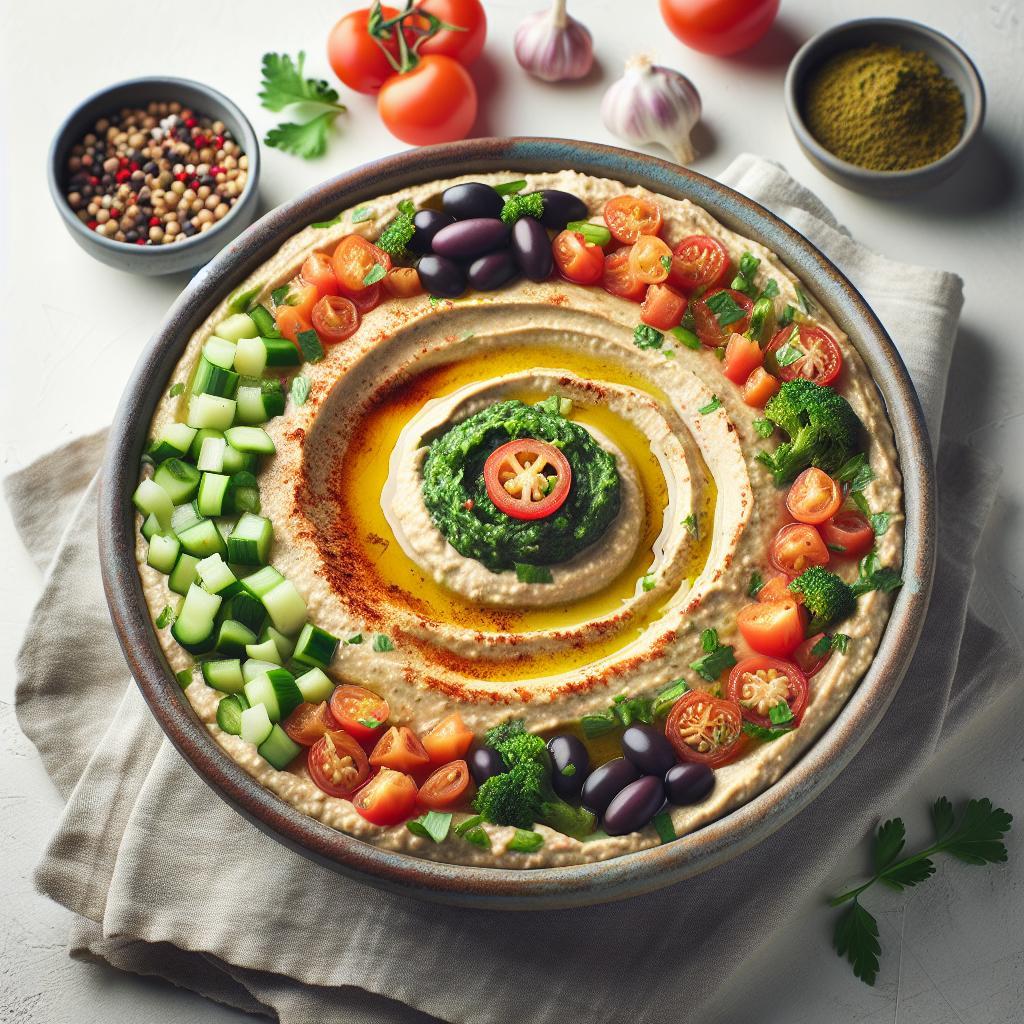
- Serve chilled or at room temperature, garnished with parsley, a drizzle of olive oil, and smoked paprika if using.
Tips for Success
- Choose eggplants with glossy skin: Fresher eggplants roast better and yield sweeter flesh.
- For smokier flavor: Use a natural charcoal grill for authentic depth.
- Allow eggplants to steam after roasting: Covering them traps heat, peeling becomes easier and intensifies smokiness.
- Tahini quality matters: Use fresh, smooth tahini free from additives to achieve the perfect creamy consistency.
- Make ahead: Baba Ganoush tastes even better when chilled overnight to let flavors meld.
Creative Serving Suggestions and Pairings for an Authentic Lebanese Experience
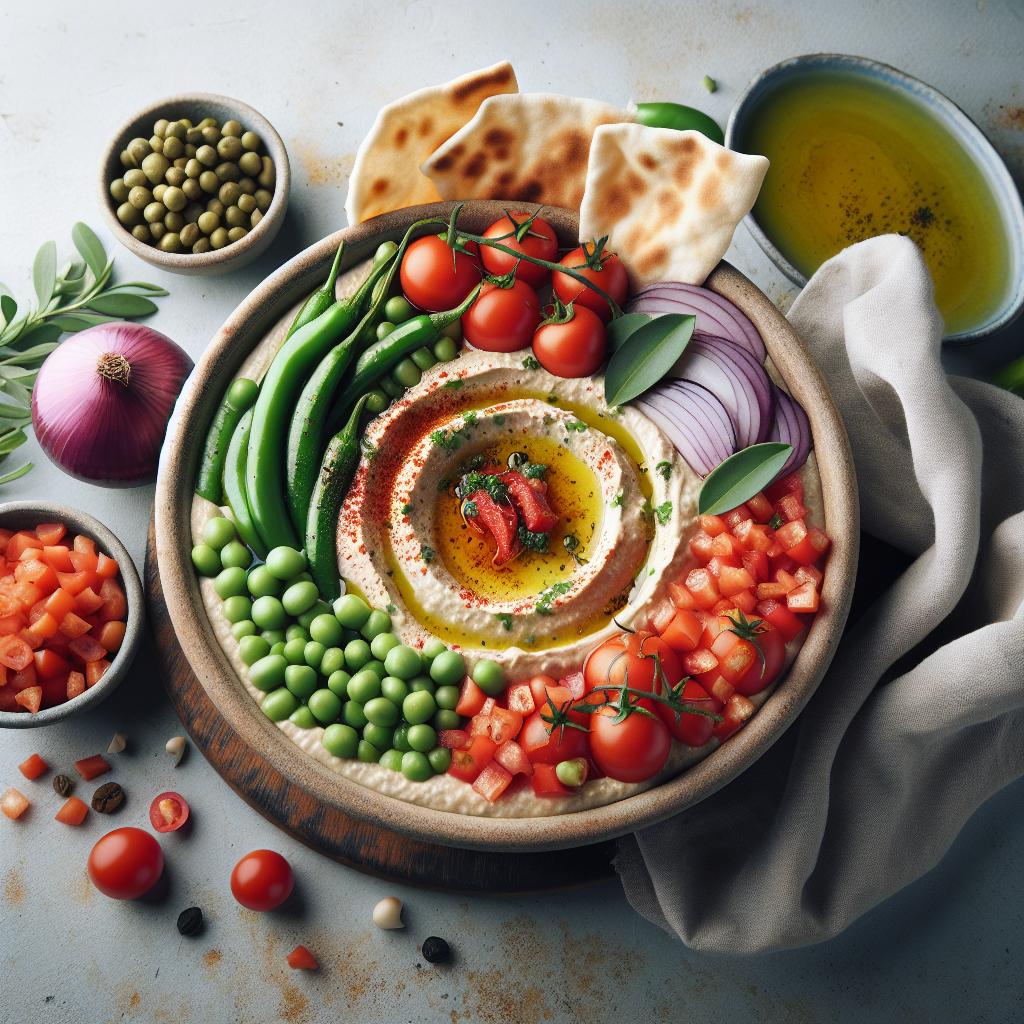
Present Baba Ganoush in rustic ceramic bowls surrounded by warm, soft pita bread or crisp vegetable crudités like cucumber, carrot sticks, and cherry tomatoes. Elevate your platters with complementary mezze such as tabbouleh, falafel, or stuffed grape leaves. Garnish with toasted pine nuts for crunch or sprinkle sumac for a subtle citrus tang.
For an artistic flair, assemble a mezze board with labneh, olives, roasted nuts, and fresh herbs, letting guests build their own bites. Pair Baba Ganoush with Lebanese wines or a refreshing mint lemonade to create an irresistible culinary journey.

| Nutrient | Per Serving |
|---|---|
| Calories | 150 kcal |
| Protein | 3 g |
| Carbohydrates | 10 g |
| Fat | 11 g |
For a deeper dive into Lebanese mezze recipes complementing Baba Ganoush, explore our collection. To enrich your understanding of authentic Levantine cooking techniques, the Encyclopedia Britannica article on Baba Ganoush is an excellent resource.
Q&A
Q&A: Baba Ganoush – Exploring the Essence of Lebanese Flavor
Q1: What is Baba Ganoush and where does it originate from?
A: Baba Ganoush is a smoky, creamy dip made primarily from roasted eggplants, tahini, garlic, lemon juice, and olive oil. It originates from the Levant region, with Lebanon often celebrated as one of its key culinary homes. This dish captures the heart of Lebanese cuisine, blending simple ingredients into a complex tapestry of flavor.
Q2: Why is Baba Ganoush considered a quintessential Lebanese dish?
A: Baba Ganoush embodies the Lebanese philosophy of celebrating natural, fresh, and wholesome ingredients. It’s more than just a dip; it’s a cultural symbol representing hospitality, tradition, and the mastery of balancing bold yet subtle flavors that define Lebanese cooking.
Q3: How is the smoky flavor achieved in Baba Ganoush?
A: The smoky essence comes from the crucial step of roasting or charring the eggplants over an open flame or grill. This process imbues the flesh with a distinctive smokiness, lending Baba Ganoush its signature depth and complexity that sets it apart from other eggplant dips.
Q4: What role does tahini play in Baba Ganoush?
A: Tahini, made from ground sesame seeds, adds a rich, nutty creaminess to the dip. It balances the tanginess of the lemon juice and the boldness of roasted eggplant, creating a luscious texture and a harmonious flavor profile that is essential to authentic Baba Ganoush.
Q5: Can Baba Ganoush be customized or served differently?
A: Absolutely! While the classic recipe remains timeless, variations may include additions like pomegranate seeds for a burst of sweetness, fresh herbs such as parsley or mint, or a drizzle of spicy chili oil. It can be served as part of a mezze platter, spread on warm pita, or even as a flavorful topping for grilled meats.
Q6: What makes Baba Ganoush a healthy choice?
A: This Lebanese delicacy is packed with fiber, antioxidants, and healthy fats. Eggplants are low in calories but rich in vitamins and minerals, while tahini and olive oil offer heart-healthy fats. The combination promotes digestion and provides a nourishing option that’s both wholesome and indulgent.
Q7: How does Baba Ganoush reflect Lebanese cultural values?
A: Baba Ganoush is more than food; it’s an expression of Lebanese warmth and generosity. Sharing this dip during communal meals fosters connection and celebration, showcasing the importance of togetherness and the joy of simple, shared pleasures in Lebanese society.
This Q&A dives into the essence of Baba Ganoush, revealing why this humble eggplant dish is a beloved staple of Lebanese flavor and culture.
Closing Remarks
As the smoky tendrils of roasted eggplant dissolve into the creamy, tangy embrace of tahini and lemon, Baba Ganoush stands not just as a dish, but as a vibrant expression of Lebanese heritage and hospitality. Exploring its layers of flavor is more than a culinary journey-it is an invitation to savor centuries of tradition and the warmth of a culture that turns simple ingredients into timeless art. Whether spread on warm pita or enjoyed alongside fresh vegetables, Baba Ganoush captures the essence of Lebanon’s rich palate, reminding us that sometimes, the most profound stories are told through the humblest of flavors.