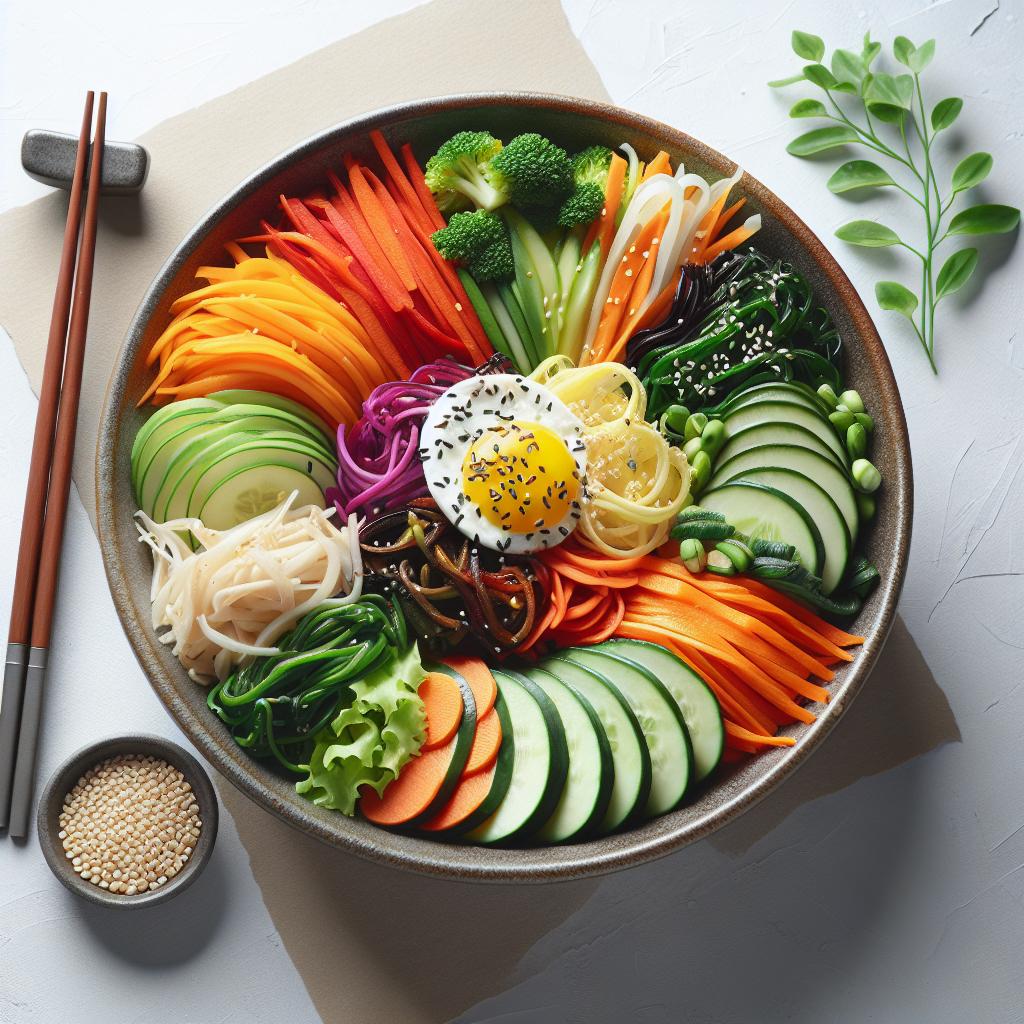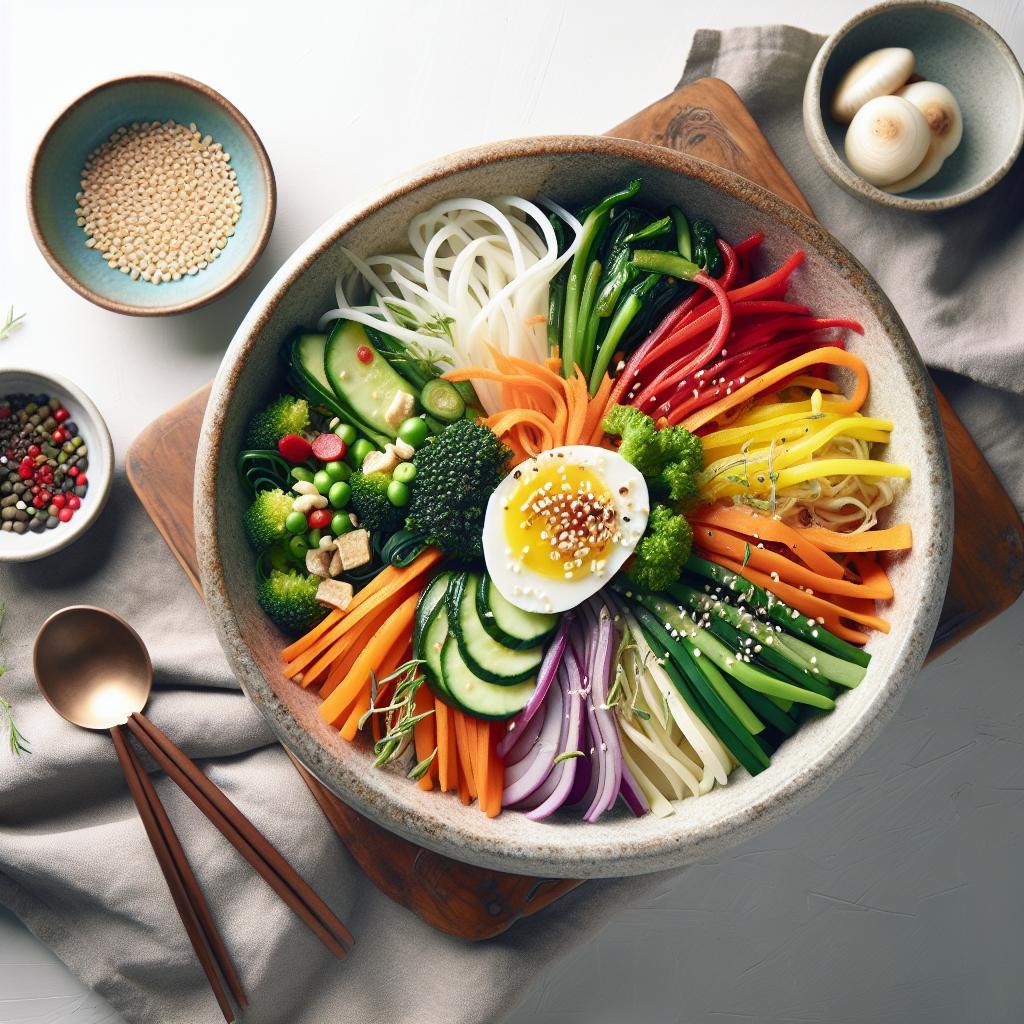

In the colorful mosaic of Korean cuisine, bibimbap stands out as a vibrant celebration of flavor, texture, and tradition. More than just a meal, bibimbap is a harmonious blend of fresh vegetables, seasoned rice, and savory sauces, artfully arranged to create a dynamic dance on the palate. This iconic dish captures the essence of Korea’s culinary philosophy-balance, beauty, and nourishment in every bite. Join us on a flavorful journey as we uncover the story behind bibimbap, explore its colorful veggie medley, and discover why this delightful bowl continues to captivate food lovers around the world.
Bibimbap Delight introduces a symphony of textures and vibrant colors through its carefully chosen assortment of vegetables, each contributing a unique crunch, earthy sweetness, or mild bitterness that sings in perfect harmony. This classic Korean dish has been cherished for generations, not just for its taste but for the artistry behind its preparation. The foundation lies in selecting fresh, seasonal vegetables-think crisp julienned carrots, tender wilted spinach, and lightly sautéed shiitake mushrooms-each layered thoughtfully to create a visually stunning and nutritionally balanced bowl.
The Art of Veggie Selection: Fresh Picks for Vibrant Color and Texture
When assembling your Bibimbap Delight, prioritize variety and freshness. The cornerstone vegetables traditionally include:
- Spinach – briefly blanched and seasoned for silky greens
- Carrots – julienned raw or lightly sautéed for crunch and brightness
- Zucchini – thinly sliced and quickly stir-fried to tender crispness
- Soybean sprouts – blanched and tossed with sesame oil for nutty flavor
- Shiitake mushrooms – sautéed with garlic and sesame oil imparting umami depth
- Fernbrake (gosari) – if available, for earthy and chewy texture
Don’t hesitate to adapt to what’s fresh in your market-bell peppers, cucumbers, or radishes add exciting new layers. The goal is vibrant color, enticing texture contrasts, and balanced flavor profiles that awaken the senses.
Mastering the Perfect Gochujang Sauce: Balancing Sweet Heat and Umami
The Gochujang sauce in Bibimbap Delight is the star that pulls the assemble together, providing a luscious balance of spicy warmth, subtle sweetness, and savory depth. Start with high-quality Korean gochujang paste, then gently blend in:
- Honey or brown sugar – to create a mellow sweetness that tempers chili heat
- Sesame oil – for a fragrant nuttiness
- Rice vinegar – adding a bright, tangy lift
- Garlic – freshly minced, for pungency
- Water – to adjust consistency for easy drizzle and mixing
Whisk these ingredients until silky smooth. The sauce’s secret lies in tasting and tweaking-enough sweetness to soothe the tongue, just the right amount of heat to energize, and umami to complete the flavor circle.
Prep and Cook Time
- Preparation: 25 minutes
- Cooking: 15 minutes
- Total: 40 minutes
Yield
Makes 4 servings
Difficulty Level
Medium – requires some knife skills and veggie prep but beginner-friendly with clear steps
Ingredients
- 2 cups cooked short-grain white rice (warm)
- 1 cup fresh spinach, blanched and squeezed dry
- 1 medium carrot, julienned
- 1 small zucchini, thinly sliced
- 1 cup soybean sprouts, blanched
- ½ cup shiitake mushrooms, sliced
- 2 tbsp sesame oil, divided
- 1 tbsp soy sauce
- 1 clove garlic, minced
- 2 eggs (optional, fried sunny-side up)
- For Gochujang Sauce:
- 3 tbsp gochujang (Korean chili paste)
- 1 tbsp honey or brown sugar
- 1 tsp rice vinegar
- 1 tsp sesame oil
- 1 clove garlic, minced
- 2-3 tbsp water
- Garnishes: toasted sesame seeds, sliced nori strips, sliced scallions
Instructions
- Prepare the vegetables: Blanch spinach and soybean sprouts separately in boiling water for 1-2 minutes. Drain and squeeze out excess water. Set aside to cool.
- Cook zucchini and mushrooms: Heat 1 tablespoon sesame oil in a skillet over medium heat. Add zucchini slices and sauté for 3-4 minutes until tender but still crisp. Remove from skillet and set aside. In the same skillet, add mushrooms and minced garlic, sauté until mushrooms soften and release aroma, about 5 minutes.
- Season veggies: In small bowls, toss spinach with a pinch of salt, minced garlic, and a drizzle of sesame oil. Season soybean sprouts similarly with soy sauce and sesame oil. Carrots can remain raw or lightly sautéed for 2 minutes with a pinch of salt to enhance sweetness.
- Make the Gochujang Sauce: In a small bowl, whisk together gochujang, honey, rice vinegar, sesame oil, minced garlic, and water until smooth and pourable. Adjust water to achieve preferred consistency.
- Prepare rice and eggs: Keep rice warm and fluffy. Optionally, fry eggs sunny-side up to complement the dish’s richness.
- Assemble your Bibimbap Delight: In a large bowl, place a hearty scoop of rice as the base. Artistically arrange the veggie components-spinach, carrots, zucchini, mushrooms, and sprouts-in separate sections atop the rice. Add the fried egg in the center.
- Garnish and serve: Sprinkle toasted sesame seeds, sliced scallions, and delicate nori strips on top. Serve with a generous drizzle or side of Gochujang sauce for each diner to adjust heat to taste.
- To eat: Mix everything thoroughly just before serving. The marriage of warm rice, fresh vegetables, and spicy-sweet sauce creates a vibrant, nourishing experience that’s as fun to eat as it is beautiful to behold.
Chef’s Notes
- Use short-grain rice for the best sticky texture essential to authentic Bibimbap Delight.
- For a vegan version, skip the egg and add pan-fried tofu cubes for protein richness.
- You can prepare the vegetables a day in advance; store them separately to retain freshness and texture.
- Adjust gochujang sauce sweetness with brown sugar or honey to suit your palate.
- For a smoky flavor, sprinkle a hint of toasted seaweed powder or a small dash of smoked chili flakes.
- Experiment with adding crunchy kimchi on the side for an extra layer of tang and spice.
Serving Suggestions and Pairings: Elevate Your Bibimbap Experience
Serve Bibimbap Delight in deep, wide bowls that showcase the vibrant vegetable array, enhancing visual appeal. Offer additional Gochujang sauce on the side to allow guests to customize spice levels. Pair with light Korean side dishes such as homemade kimchi or pajeon (Korean scallion pancakes) for textural contrast. A chilled glass of barley tea complements the meal’s vibrant, earthy notes perfectly, cleansing the palate between bites.
| Nutrition per Serving | Calories | Protein | Carbs | Fat |
|---|---|---|---|---|
| Bibimbap Delight Bowl | 450 kcal | 12 g | 68 g | 10 g |

Q&A
Q&A: Bibimbap Delight: Savoring Korea’s Vibrant Veggie Harmony
Q1: What is bibimbap, and why is it considered a quintessential Korean dish?
A1: Bibimbap literally means “mixed rice,” and it’s a colorful symphony of textures and flavors served in a single bowl. Originating from Korea’s rich culinary heritage, bibimbap brings together warm rice, an array of sautéed and fresh vegetables, gochujang (spicy red pepper paste), and often a touch of protein like egg or beef. It’s quintessential because it embodies balance-nutritional, visual, and cultural-showcasing Korea’s love of harmony on a plate.
Q2: How do the vegetables in bibimbap contribute to its vibrant character?
A2: The vegetables are the heart and soul of bibimbap’s vibrant personality. Each one adds its own unique flavor and texture-from the crunch of fresh cucumber and sprouts, the tender bite of spinach, to the earthy sweetness of shiitake mushrooms. Their bright colors-greens, oranges, yellows, and reds-create an inviting palette that’s as visually exciting as it is deliciously nourishing. Together, they harmonize into a dish that’s both artistic and wholesome.
Q3: What role does gochujang play in bibimbap’s flavor story?
A3: Gochujang is the fiery storyteller in bibimbap’s flavor saga. This fermented chili paste brings a perfect blend of heat, sweetness, and umami, elevating the mild and fresh vegetables with depth and zest. When mixed into the bowl, gochujang ties all the diverse ingredients together, waking up your taste buds with a bold kick that’s unmistakably Korean.
Q4: Can bibimbap be adapted for different dietary preferences?
A4: Absolutely! Bibimbap is wonderfully versatile. While the classic version often includes beef and a fried egg, vegetarian and vegan variations are just as authentic and delightful. Simply swap out the meat for tofu or tempeh, and skip the egg or replace it with a plant-based alternative. The magic of bibimbap lies in its ability to celebrate seasonal and local vegetables, making it a canvas for personal creativity.
Q5: What’s the best way to enjoy bibimbap for the full sensory experience?
A5: To savor bibimbap fully, start by admiring its vibrant arrangement-a feast for the eyes before the palate. Then, mix all the ingredients together thoroughly, so every bite carries a balanced burst of flavors and textures. Eat it warm, in a relaxed setting, letting the interplay of spicy, sweet, and savory notes dance with the freshness of the veggies. It’s not just a meal-it’s a joyful ritual of nourishment and culture.
Insights and Conclusions
As the final spoonful of bibimbap melds vibrant colors and harmonious flavors on your palate, you’re reminded that this beloved Korean dish is more than just a meal-it’s a celebration of balance, culture, and creativity. Each bite tells a story of tradition and freshness, inviting you to explore the endless possibilities nestled within its bowl. Whether you savor it as a comforting classic or a canvas for inventive twists, bibimbap stands as a delicious testament to the rich, veggie-filled heart of Korean cuisine. So next time hunger calls, let bibimbap delight your senses and nourish your soul with its radiant harmony.