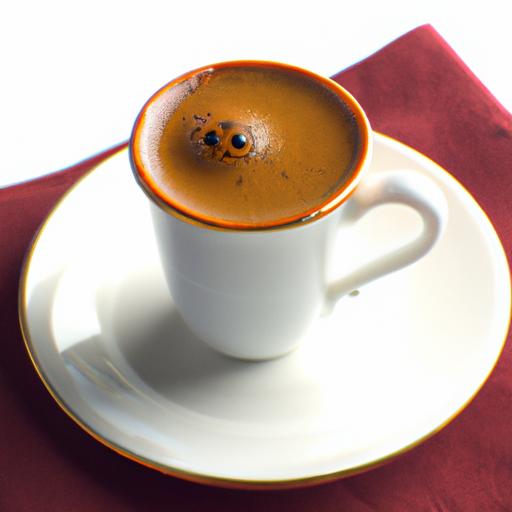

In a world where coffee culture buzzes with endless variations, there’s something mysteriously captivating about the timeless ritual of Turkish coffee. More than just a drink, it’s an art form-a rich blend of history, tradition, and sensory delight that transcends the ordinary cup. If you’ve ever wondered how to capture that thick, aromatic essence and velvety foam from a centuries-old recipe, you’re in for a journey. Welcome to your definitive guide on brewing the perfect cup of authentic Turkish coffee, where every step tells a story and every sip awakens the soul. Get ready to dive deep into the magic of finely ground beans, slow simmering, and that unforgettable moment when East meets your morning.
Brew the Perfect Cup of Turkish coffee begins with the selection of the finest coffee beans, a pivotal step that shapes the entire brewing experience. Originating from the Ottoman Empire, this traditional craft is steeped in rich culture and unparalleled flavor. For centuries, connoisseurs have cherished the finesse required to awaken notes of deep earthiness, subtle spices, and a luscious, full-bodied texture from these tiny dark gems. From personal experience, embracing this ritual offers not only a sensory delight but a moment of connection-to history, culture, and oneself.
Prep and Cook Time
- Preparation: 5 minutes
- Brewing: 10 minutes
- Total Time: 15 minutes
Yield
- Serves 2 traditional demitasse cups
Difficulty Level
- Medium – requires attention and patience, but rewarding
Ingredients
- 2 tablespoons finely ground Turkish coffee beans (preferably Arabica, medium roast)
- 1 cup cold filtered water
- 1-2 teaspoons sugar (optional, adjust to taste)
- Optional: crushed cardamom or a pinch of cinnamon for subtle spice
Instructions
- Pour 1 cup cold filtered water into a traditional ibrik (Turkish coffee pot). The quality of water profoundly influences the final taste.
- Add 2 tablespoons finely ground Turkish coffee and sugar if desired. Gently stir to combine, forming a homogenous mixture before heating.
- Place the ibrik over low to medium heat. Keep your eyes on the brew as it heats slowly; patience is key to coaxing out the rich flavors without burning.
- As the liquid warms, watch for the frothy foam-Turkish coffee’s signature crown. Just as the foam rises to the brim (but before it overflows), remove the ibrik from heat.
- Let the foam settle slightly, then return briefly to the heat to build foam a second time for a silken, velvety texture. This step is crucial for balancing intensity and smoothness.
- Carefully pour the coffee into small cups, distributing the foam evenly atop each serving.
- Allow the grounds to settle for a minute before drinking. Sip slowly, savoring the layered aromas and concentrated flavors.
Tips for Success
- Use only freshly ground coffee designed specifically for Turkish brewing; the exceptionally fine grind is essential for the dense extraction and authentic mouthfeel.
- Maintain low heat throughout brewing to prevent bitterness and preserve the coffee’s natural oils.
- If foam doesn’t form, slightly adjust the coffee-to-water ratio or stir the mixture to reincorporate grounds before heating.
- Experiment with minimal spices like cardamom to unlock subtle exotic undertones deeply embedded in traditional recipes.
- Practice makes perfect: the art of foam mastery often improves with each brew, so embrace the process.
Serving Suggestions and Cultural Rituals
Present your Turkish coffee with an air of ceremony: serve the steaming cup on a small ornate tray alongside a glass of cold water to cleanse the palate. A delicate piece of Turkish delight or pistachio-studded baklava gently complements the bold, earthy intensity. Engage in the timeless tradition of reading fortunes from the residue left in the cup for a playful end to your coffee ritual.
Enhance the ambiance with soft oud melodies or the subtle scent of freshly ground spices. Invite friends or family to share this intimate tasting-a true embodiment of hospitality and warmth.

| Nutrient | Per Serving (1 demitasse) |
|---|---|
| Calories | 30 |
| Protein | 0.5 g |
| Carbohydrates | 6 g |
| Fat | 0 g |
Curious to explore further rituals and authentic recipes? Discover our guide on Authentic Turkish Desserts to complement your coffee journey. For an authoritative deep dive into coffee bean varieties and their impacts, visit the Specialty Coffee Association.
Q&A
Q&A: Brew the Perfect Cup – Authentic Turkish Coffee Recipe Guide
Q1: What makes Turkish coffee different from other coffee brewing methods?
A1: Turkish coffee is a centuries-old tradition that’s as much about the ritual as the rich, velvety brew itself. Unlike drip or espresso, it’s made by boiling finely ground coffee directly with water (and sugar, if desired) in a special pot called a cezve. The grounds aren’t filtered out, resulting in a thick, full-bodied cup with a distinctive foam layer and robust, lingering flavors.
Q2: What kind of coffee should I use to make authentic Turkish coffee?
A2: The secret to a perfect Turkish coffee lies in the grind-ultra-fine, almost powdery, much finer than espresso grind. Choose freshly roasted, high-quality Arabica beans for smoothness or blend in some Robusta for a stronger kick. The coffee should be ground specifically for Turkish coffee, as regular grinding won’t achieve the right texture or extraction.
Q3: How do I measure my ingredients properly?
A3: Traditionally, measurement is an art rather than an exact science. Use one teaspoon of coffee per small demitasse cup (about 60 ml of water) and sugar to taste. To capture the essence, imagine each ingredient’s personality-coffee for depth, sugar for balance, and water as the canvas for the brewing masterpiece.
Q4: Can you describe the step-by-step brewing process?
A4: Absolutely!
- Add cold water to the cezve, one demitasse cup per serving.
- Stir in the finely ground coffee and sugar (optional) gently-no heated interaction yet!
- Place the cezve on low heat, allowing the mixture to slowly heat and foam.
- Watch carefully as the foam rises-just before it boils, remove it from heat to preserve the frothy crown.
- Pour a little foam into each cup, then return the cezve to heat for a second foam rise.
- Pour the rest slowly, letting the grounds settle at the bottom.
Sip slowly, savoring the flavors and tradition.
Q5: What’s the significance of the foam in Turkish coffee?
A5: The foam (köpük) is the hallmark of a well-brewed Turkish coffee. It’s not just decoration-it locks in the aroma and gives the coffee that silky mouthfeel. Achieving a thick, velvety foam shows respect for the craft and ensures a balanced, flavorful cup.
Q6: Should I filter the coffee grounds before drinking?
A6: No filtering here! Turkish coffee is meant to be enjoyed with the grounds resting in the cup. As you sip, the thick coffee layers gradually settle, and only the liquid part is consumed. Avoid drinking the dregs at the bottom-it’s bitter and gritty.
Q7: How can I add my personal twist without losing authenticity?
A7: Turkish coffee welcomes subtle flair-try a pinch of cardamom or a sprinkle of cinnamon in the cezve for a fragrant accent. But keep it light; the goal is to enhance, not overpower, the rich coffee essence. Sweeten cautiously-too much sugar can mask the deep, bittersweet character.
Q8: What’s the best way to serve Turkish coffee?
A8: Serve it in small cups alongside a glass of cold water to cleanse your palate. Traditionally, it’s paired with a small sweet treat, like Turkish delight, to complement the coffee’s boldness. Enjoy the moment slowly; Turkish coffee is as much a social experience as it is a beverage.
Q9: Can Turkish coffee be made without a cezve?
A9: While a cezve is the classic choice, a small, heavy-bottomed saucepan can do in a pinch-just be mindful to keep the heat low and control the foam carefully. However, nothing replaces the elegance and precise control of a traditional cezve.
Q10: Why is Turkish coffee considered a cultural treasure?
A10: Beyond the rich flavor, Turkish coffee weaves people together in conversation, fortune-telling, and hospitality. Its preparation is an art passed down through generations, symbolizing patience, precision, and community. Brewing an authentic cup is stepping into a living heritage, one sip at a time.
Future Outlook
As the last rich sip lingers on your palate, you’ll realize that brewing authentic Turkish coffee is more than just a morning ritual-it’s a timeless art that connects cultures and stories with every cup. Armed with this guide, you now possess the secrets to craft that perfect, velvety brew steeped in tradition and bold flavor. So, gather your finest grounds, summon your cezve, and let each coffee-making moment transport you to bustling bazaars and cozy gatherings where time slows and conversations deepen. Here’s to savoring not just coffee, but a shared heritage in every delightful sip.