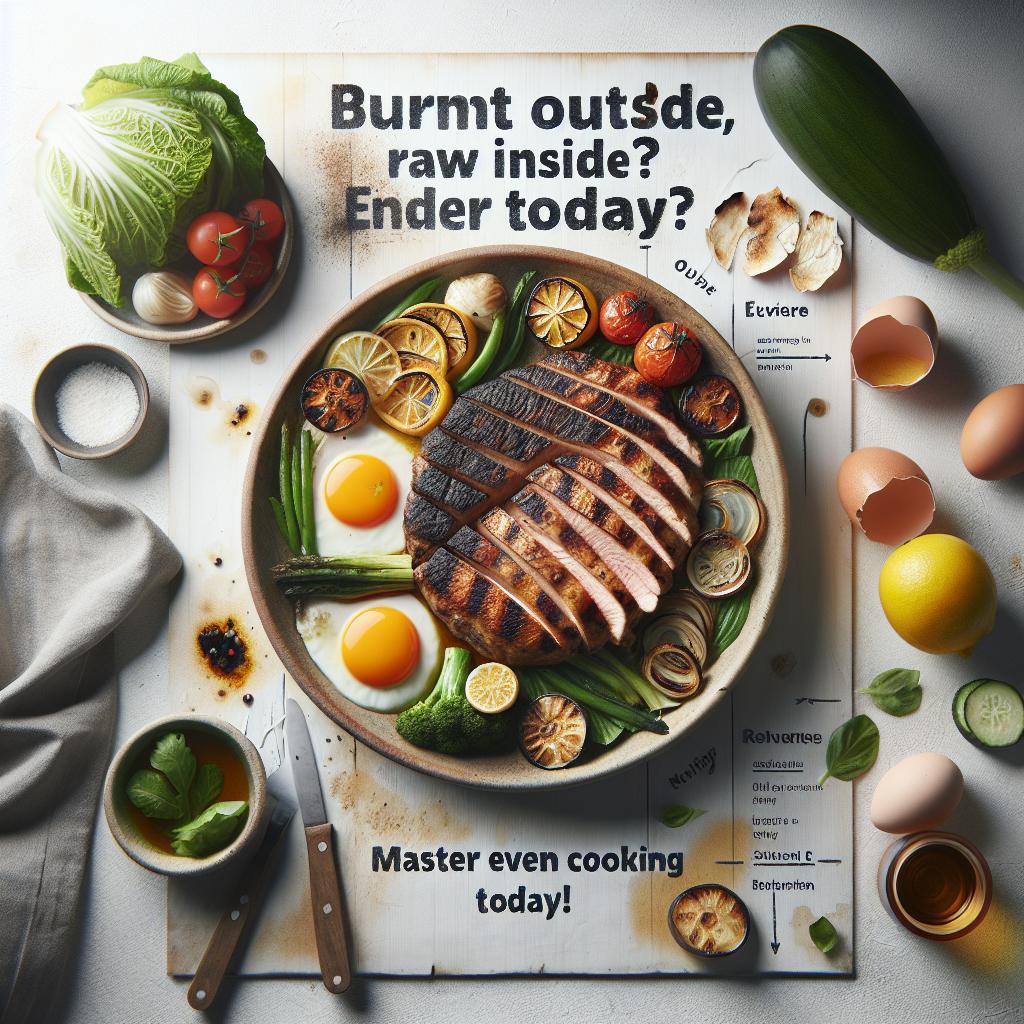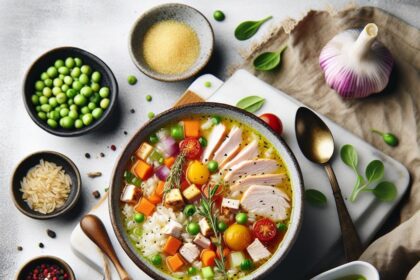

There’s nothing quite as frustrating as biting into a dish that looks perfectly cooked on the outside-crisp, golden, and inviting-only to discover the inside is shockingly underdone. This culinary contradiction, where food is burnt on the surface yet raw within, challenges even the most seasoned home cooks. But fear not! Mastering the art of even cooking is not a secret reserved for professional chefs. In this article, we’ll unravel the science and techniques behind achieving that flawless harmony: a beautifully cooked exterior paired with a fully cooked, tender interior. Say goodbye to burnt outsides and raw centers-your journey to culinary confidence starts here!
Burnt Outside, Raw Inside? Master Even Cooking Today! happens to the best of us, especially when we’re eager to savor perfectly cooked meals but end up wrestling with uneven heat. This common culinary conundrum lies at the heart of kitchen frustrations-but once you understand the science behind heat distribution and cooking methods, you’ll transform every dish into a harmonious medley of flavor and texture. Let’s break down how to choose the right techniques, control the heat like a pro, and equip your kitchen with essential tools to guarantee golden exteriors and tender, fully cooked interiors every time.
Prep and Cook Time
Preparation: 10 minutes | Cooking: 25-35 minutes | Total Time: 45 minutes
Yield
Serves 4 hearty portions
Difficulty Level
Medium – perfect for home cooks ready to elevate their heat mastery skills
Ingredients
- 1 lb (450 g) chicken breasts, pounded to even thickness
- 2 tbsp olive oil or clarified butter (for higher smoke point)
- 1 tsp kosher salt
- ½ tsp freshly ground black pepper
- 1 tsp smoked paprika
- 2 cloves garlic, finely minced
- Fresh herbs (rosemary or thyme), for garnish
- Optional: Instant-read thermometer for perfect doneness
Instructions
- Pat the chicken breasts dry with paper towels to eliminate excess moisture-this step is key for achieving a crisp, golden crust without steaming.
- Season evenly with kosher salt, pepper, and smoked paprika on both sides, ensuring the spices adhere well.
- Heat a heavy-bottom skillet over medium heat for 2-3 minutes, then add olive oil or clarified butter. This creates an even heat reservoir to prevent hot spots that cause burning.
- Once shimmering, add the chicken gently. Avoid crowding the pan; cook in batches if needed to maintain consistent heat.
- Sear the chicken without moving for 5-6 minutes-this step forms the essential Maillard crust, locking in juices.
- Flip carefully and add minced garlic around the edges. Sauté garlic for 30 seconds to infuse the oil without burning it.
- Reduce heat to medium-low, cover the skillet with a lid or foil, and cook for an additional 7-10 minutes depending on thickness.
- Check internal temperature using an instant-read thermometer inserted at the thickest part-aim for 165°F (74°C) to ensure safe, fully cooked meat without dryness.
- Remove from heat and let the chicken rest uncovered for 5 minutes. This resting period redistributes juices evenly for moist results.
- Garnish with fresh rosemary or thyme and serve immediately.
Tips for Success
- Use an instant-read thermometer to master perfect doneness and avoid guesswork.
- For uneven cuts of meat, butterflying or pounding to uniform thickness guarantees consistent cooking.
- Clarified butter withstands higher heat better than regular butter, reducing burnt flavors.
- Never skip drying protein before sautéing; moisture creates steam that hinders the crust.
- Let your skillet heat fully before adding oil-this prevents sticking and promotes even heat distribution.
- Practice patience: cooking slightly longer on medium-low heat instead of rushing over high heat avoids burnt exteriors with raw inside.
- Try sous vide for foolproof, even cooking followed by a quick high-heat sear for texture contrast.
Serving Suggestions
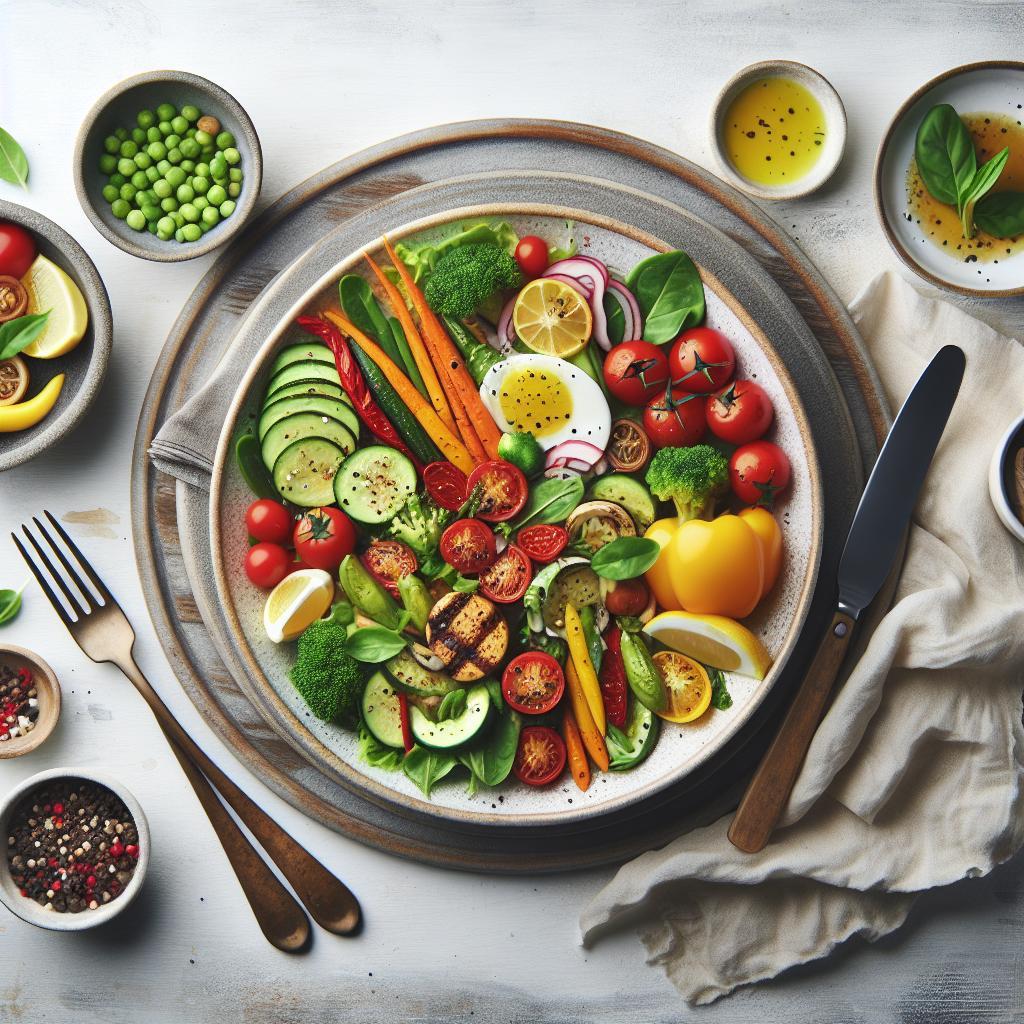
Plate the chicken alongside a vibrant medley of roasted seasonal vegetables tossed in garlic and fresh herbs. For a splash of color and freshness, sprinkle chopped parsley or microgreens. Pair with a creamy mashed potato or a light quinoa salad to balance the dish. Drizzle with a pan sauce made by deglazing the skillet with white wine and finishing with a knob of butter for a glossy, flavorful finish.

Nutrition Information
| Nutrient | Per Serving |
|---|---|
| Calories | 290 kcal |
| Protein | 45 g |
| Carbohydrates | 2 g |
| Fat | 8 g |
Mastering the art of heat control and cooking techniques not only prevents the infamous Burnt Outside, Raw Inside? Master Even Cooking Today! predicament but also elevates your overall culinary confidence. For deeper insights, explore our Kitchen Heat Control Guide and discover expert advice from the Serious Eats Cooking Science Series.
Q&A
Q: Why does my food often end up burnt on the outside but raw on the inside?
A: This common cooking dilemma usually happens when the heat is too high or the cooking time is too short. The outside cooks-or even burns-quickly while the inside remains undercooked. It’s like trying to toast the crust of a bread while leaving the center doughy!
Q: How can I achieve an even cook from edge to core?
A: The secret lies in temperature control and patience. Use medium or medium-low heat to allow the heat to penetrate gradually. Additionally, employing techniques like covering your pan or finishing in the oven can gently cook the inside without overcooking the outside.
Q: Does the type of cookware impact cooking evenly?
A: Absolutely! Heavy-bottomed pans, cast iron skillets, and good-quality stainless steel distribute heat more evenly than thin, cheap pans that develop hotspots. Investing in quality cookware is like giving your food a comfortable, even warm bed to lie on while it cooks.
Q: Are there any tricks specific to certain foods to avoid this problem?
A: Yes! For thick cuts of meat, try searing on high heat quickly, then transferring to a lower heat or oven to finish. For baked goods, preheating your oven and using baking stones or sheets can help with steady heat distribution. And always allow foods to rest after cooking-it lets residual heat even out those temperatures.
Q: Can marinating or prepping food ahead reduce uneven cooking?
A: Indeed! Marinating can add moisture and even tenderize tougher cuts, promoting more consistent cooking. Also, bringing food to room temperature before cooking helps it cook more uniformly, avoiding the outside scorching before the inside warms up.
Q: What role does food thickness play in even cooking?
A: Thickness is a key player! The thicker the item, the harder it is to cook evenly on the stove without overcooking the surface. Consider slicing thick items thinner, butterflying meats, or slowing down the cooking process with indirect heat.
Q: Any final tips for mastering even cooking like a pro?
A: Absolutely-embrace your inner patience guru. Lower the heat, give your food time, invest in good tools, and use a thermometer to check doneness instead of relying solely on looks. Remember, cooking is a journey, and perfectly even cooking is well worth the slow and steady approach!
The Conclusion
In the quest for culinary perfection, achieving that flawless balance between a perfectly seared exterior and a delectably cooked interior is both an art and a science. With the tips and techniques shared here, you’re now equipped to banish the frustration of burnt outsides and raw insides once and for all. Remember, mastery comes with practice, patience, and a keen eye on your heat and timing. So fire up your stove, trust your senses, and turn every meal into a masterpiece-because even cooking isn’t just a goal; it’s the delicious journey worth savoring. Happy cooking!