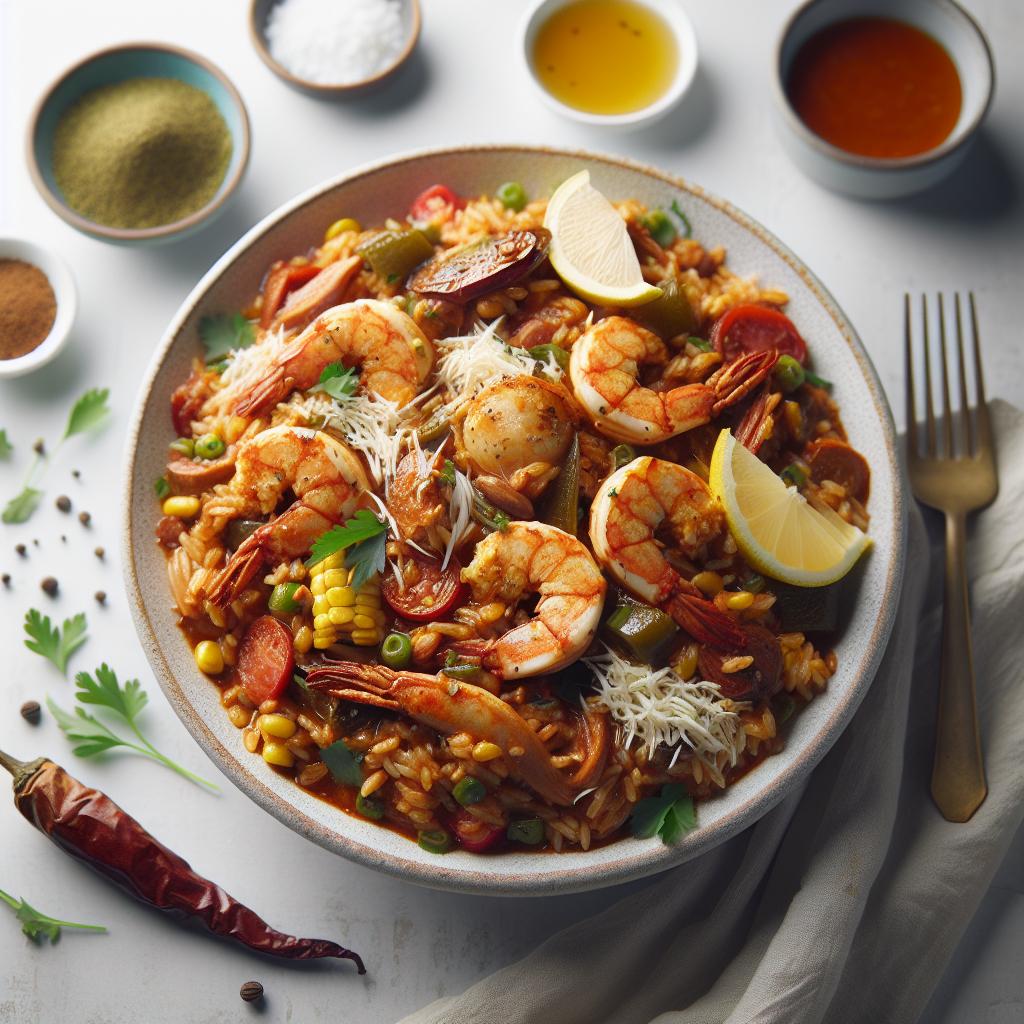

In the heart of Louisiana’s vibrant culture simmers a dish as spirited and diverse as the bayous themselves-Cajun jambalaya. More than just a meal, jambalaya is a flavorful mosaic of history, tradition, and community, each pot telling the story of families gathered around the kitchen table and the melding of cultures that define the region. From the smoky depths of Andouille sausage to the fragrant whispers of spices and the tender embrace of rice, this iconic dish captures the essence of Louisiana’s rich culinary soul. Join us on a savory journey through time and taste, as we explore the origins, ingredients, and enduring legacy of Cajun jambalaya, a true emblem of the Bayou State’s hearty hospitality and vibrant spirit.
Cajun Jambalaya invites you to immerse yourself in Louisiana’s rich culinary soul by serving a hearty, soul-warming dish that perfectly blends bold spices, tender proteins, and robust rice. Drawing from centuries of Creole heritage and rustic Cajun tradition, this dish is the ultimate celebration of community, history, and unforgettable flavor. From its humble beginnings as a one-pot meal to its evolution into a symbol of Louisiana hospitality, learning to craft authentic jambalaya unlocks the heart of the Bayou region’s gastronomic identity.
Prep and Cook Time
Preparation: 20 minutes | Cooking: 1 hour | Total Time: 1 hour 20 minutes
Yield
Serves 6 hearty portions
Difficulty Level
Medium – Ideal for cooks comfortable with layering flavors and balancing spices
Essential Ingredients and Traditional Techniques Crafting the Perfect Pot of Jambalaya
- 2 tablespoons vegetable oil
- 1 pound andouille sausage, sliced
- 1 pound boneless chicken thighs, cut into bite-sized pieces
- 1 large onion, finely diced
- 1 green bell pepper, diced
- 2 stalks celery, diced
- 4 cloves garlic, minced
- 1 ½ cups long-grain white rice, rinsed and drained
- 3 cups chicken broth, preferably low-sodium
- 1 (14-ounce) can diced tomatoes, undrained
- 2 teaspoons Cajun seasoning blend
- 1 bay leaf
- Salt and black pepper, to taste
- 2 green onions, sliced (for garnish)
- Fresh parsley, chopped (optional garnish)
Instructions
- Heat the vegetable oil in a large, heavy-bottomed pot or Dutch oven over medium-high heat until shimmering.
- Add the sliced andouille sausage and cook until browned, about 4-5 minutes. Remove with a slotted spoon and set aside to infuse the oil with deep smoky essence.
- In the same pot, add the chicken pieces, seasoning lightly with salt and pepper. Sauté until golden and cooked through, about 6-8 minutes. Remove and set aside with the sausage.
- Add the diced onions, bell peppers, and celery-the classic “holy trinity” of Cajun cooking. Sauté until softened and fragrant, roughly 5 minutes. Stir in the garlic and cook for an additional 1 minute.
- Sprinkle in the Cajun seasoning and stir well to coat the vegetables evenly, releasing the spices’ aromatic oils.
- Return the sausage and chicken to the pot, then add the rinsed rice, stirring thoroughly to combine.
- Pour in the chicken broth and the can of diced tomatoes (with juice). Toss in the bay leaf and give the mixture a gentle stir to distribute everything evenly.
- Bring to a boil, then reduce the heat to low and cover the pot tightly. Let it simmer for 25-30 minutes, or until the rice is tender and liquid absorbed. Avoid stirring too often to achieve the perfect crust-the famed “socarrat”-forming on the pot’s bottom.
- Remove from heat and let it rest, covered, for 10 minutes to meld flavors beautifully.
- Discard the bay leaf, fluff the jambalaya gently with a fork, and garnish with sliced green onions and chopped parsley before serving.
Tips for Success
- Proteins: For a richer jambalaya, try swapping chicken thighs for a combination of smoked turkey and shrimp, adding the shrimp in step 8, in the last 5 minutes of cooking.
- Spice level: Adjust the Cajun seasoning to taste or use homemade blends with smoked paprika, cayenne, and thyme for personalized heat.
- Rice choice: Long-grain rice ensures a fluffy texture with distinct grains; avoid sticky or short-grain varieties.
- Make-ahead: Jambalaya flavors deepen overnight. Prepare a day ahead and reheat gently on the stove with a splash of broth.
- Consistency: If the jambalaya seems dry while resting, simply add a splash of broth and stir gently before serving.
Pairing Suggestions and Serving Tips
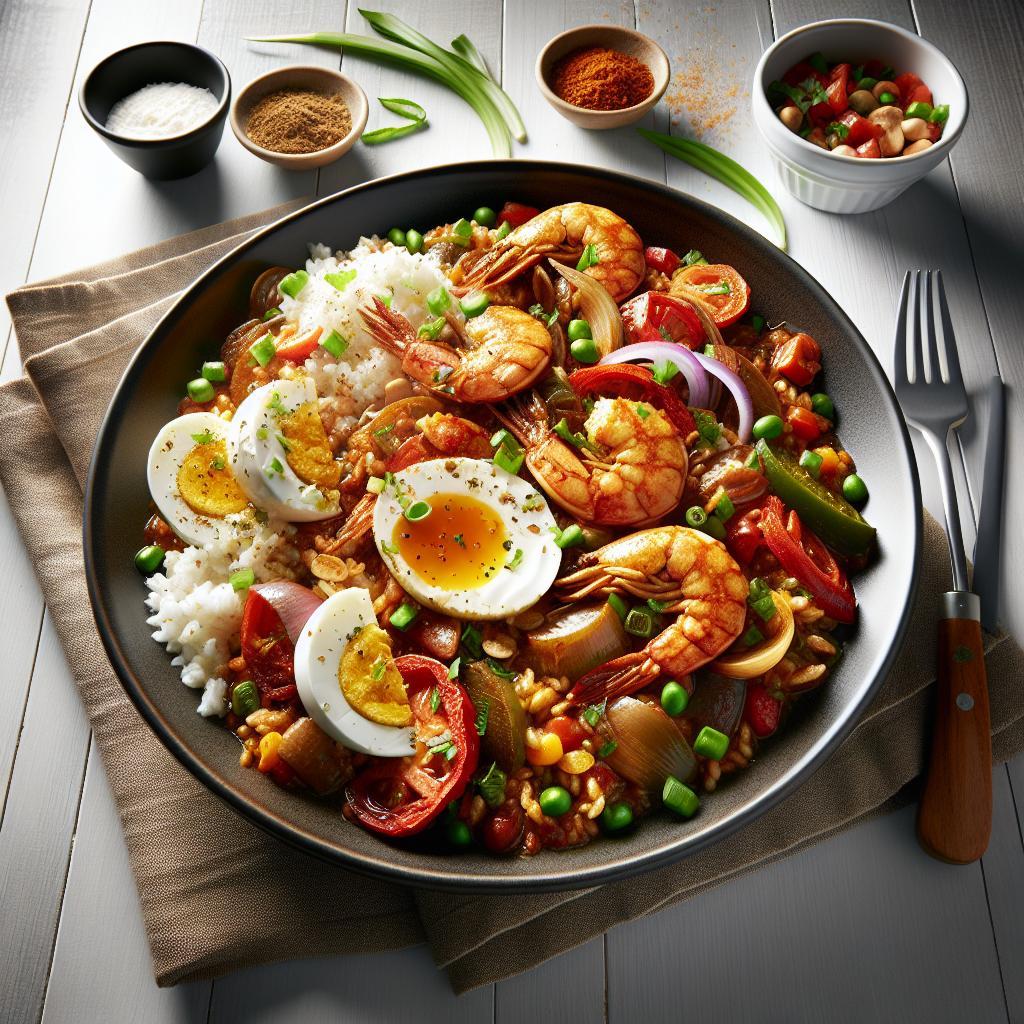
Present your Cajun Jambalaya in a rustic bowl, capturing the vibrant colors of its ingredients. A crisp, chilled glass of Sauvignon Blanc or an ice-cold Louisiana-brewed beer perfectly complements the dish’s smoky heat and complex spices. For a traditional touch, serve with cornbread or a simple green salad tossed with a tangy vinaigrette. Garnish with freshly chopped green onions and parsley to add brightness and fresh herbal notes, enhancing the sensory experience at your table.
| Nutrient | Per Serving |
|---|---|
| Calories | 420 kcal |
| Protein | 28 g |
| Carbohydrates | 38 g |
| Fat | 14 g |

For a deeper dive into Louisiana’s Creole culinary wonders, explore our Creole Gumbo recipes that beautifully complement the flavors in your jambalaya. To learn about the history and culture of the Cajun people in detail, visit Louisiana Travel & Tourism.
Q&A
Q&A: Cajun Jambalaya – Exploring Louisiana’s Rich Culinary Soul
Q1: What is Cajun Jambalaya, and why is it considered a symbol of Louisiana’s cuisine?
A1: Cajun Jambalaya is a hearty, flavorful rice dish that embodies the vibrant, melting-pot culture of Louisiana. Originating from the Cajun communities in the bayous, it’s a delicious blend of smoked sausage, tender meats, aromatic vegetables, and rice, simmered to savory perfection. This dish is more than food-it’s a cultural tapestry that tells the story of survival, celebration, and the rich flavors unique to Louisiana’s culinary landscape.
Q2: How does Cajun Jambalaya differ from the Creole version?
A2: While both share roots and ingredients, Cajun Jambalaya tends to be spicier and more rustic, typically starting with browning the meat to deepen the flavor before adding rice and stock. Creole Jambalaya often includes tomatoes, giving it a slightly tangier profile. Cajun Jambalaya leans into smoky, earthy flavors with a bold spice kick-true to the rough-and-ready spirit of Cajun cooking.
Q3: What are the essential ingredients that make authentic Cajun Jambalaya?
A3: The holy trinity of Cajun cooking-onions, bell peppers, and celery-is the foundation. Addouille sausage brings smokiness, chicken or pork offers savory depth, and sometimes shrimp adds a coastal twist. Long-grain rice soaks up all these magical flavors, while garlic, cayenne, thyme, and bay leaves complete the flavor symphony that’s unmistakably Cajun.
Q4: How do the cultural roots of Cajun Jambalaya reflect Louisiana’s history?
A4: Cajun Jambalaya is a culinary heirloom from the Acadians, French-speaking settlers expelled from Canada who settled in Louisiana centuries ago. Their resourceful cooking melded with African, Spanish, Native American, and Caribbean influences, creating a dish that reflects the diverse peoples and resilient spirit of Louisiana. It’s not just a meal-it’s history on a plate.
Q5: Can you suggest tips for making Cajun Jambalaya at home without losing authenticity?
A5: Absolutely! Start with fresh ingredients and the holy trinity veggies. Brown your proteins to build deep flavors, and don’t rush the simmering-slow cooking helps the rice absorb all those rich spices and smoky goodness. Use andouille sausage if you can find it; a good-quality smoked sausage is the next best thing. And remember, balance the spice so it sings but doesn’t overpower-Cajun food is bold, but it’s all about harmony.
Q6: Why does Cajun Jambalaya continue to captivate food lovers beyond Louisiana?
A6: Cajun Jambalaya is comfort and celebration in one pot. It’s a dish that invites sharing, tells a story with every bite, and carries the soulful warmth of southern hospitality. Its layered spices and hearty texture make it endlessly satisfying, while its history and authenticity inspire curiosity and respect. It’s a taste of Louisiana’s heart, loved worldwide for its soul-satisfying charm.
Q7: What beverages pair best with Cajun Jambalaya?
A7: To cut through the spice and richness, many enjoy a cold lager or a crisp white wine like Sauvignon Blanc. For a true Louisiana twist, try pairing with a refreshing sweet tea or even a classic Sazerac cocktail. Each sip complements the bold, smoky flavors, enhancing the jambalaya experience.
Cajun Jambalaya isn’t just food-it’s an invitation to dive into the soulful essence of Louisiana, one delicious spoonful at a time.
In Retrospect
As the rich aroma of Cajun jambalaya lingers in the air, so too does the story of Louisiana’s culinary soul-one steeped in history, culture, and a fearless fusion of flavors. This beloved dish is more than just a meal; it’s a vibrant celebration of resilience, community, and the spirited heart of the Bayou. Whether you’re savoring its spicy complexity on a bustling New Orleans street or recreating it in your own kitchen, jambalaya invites you to taste the essence of Louisiana itself-a place where every bite tells a story and every ingredient sings a legacy. So, next time you stir the pot, remember: you’re not just cooking a dish, you’re embracing a heritage that continues to inspire and connect us all.