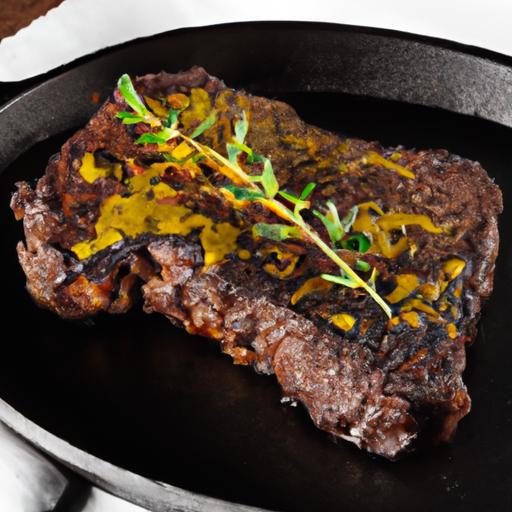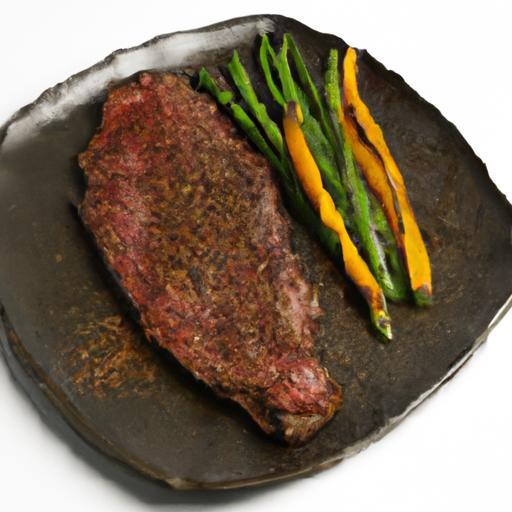

When it comes to cooking the perfect steak, few debates are as sizzling as the showdown between cast iron skillet and outdoor grill. Each method promises a mouthwatering crust, juicy interior, and steakhouse-worthy flavor-but which truly reigns supreme? In this ultimate steak cooking showdown, we’ll dive into the science, techniques, and taste tests behind cast iron and grill cooking. Whether you crave the smoky char of open flames or the intense, even heat of a heavy skillet, get ready to discover the secrets that elevate your steak from good to legendary. Fire up your senses-this is steak like you’ve never experienced.
Mastering Flavor with Precision Heat Control and Searing Secrets in Your Steak
Cast Iron vs. Grill: Our Ultimate Steak Cooking Showdown hinges on expertly managing heat to fuse a caramelized crust with a tender, juicy interior. The magic begins the moment your steak hits an intensely hot surface – be it cast iron or grill grates – igniting a Maillard reaction that locks in flavor. Achieving this balance requires understanding the nuances of controlling temperature and timing, skills every home cook can master to elevate their steak game.
Prep and Cook Time
- Preparation: 10 minutes
- Cooking: 12-15 minutes (dependent on thickness and method)
Yield
Serves 2 steak enthusiasts
Difficulty Level
Medium – Requires attentive heat control and timing but yields restaurant-quality results
Ingredients
- 2 ribeye steaks (1.5 inches thick, about 12 oz each)
- 2 tbsp high-smoke point oil (grapeseed or avocado oil)
- Coarse sea salt and freshly cracked black pepper, to taste
- 3 cloves garlic, smashed
- 2 sprigs fresh thyme or rosemary
- 2 tbsp unsalted butter
Instructions
- Pat the steaks dry with paper towels to ensure crisp crust formation; then season generously with salt and pepper on both sides to enhance the natural beef flavor.
- Preheat your cast iron skillet or grill over medium-high heat for 5-7 minutes until it’s smoking hot-this is crucial for creating the perfect sear.
- Brush the steaks lightly with oil to prevent sticking, then lay them onto your hot surface. Do not move them; let them sear undisturbed for 3-4 minutes, or until a rich, golden crust forms.
- Flip the steaks using tongs, and add butter, garlic, and herbs to the skillet or a butter tray if grilling. Continuously spoon the melted butter over the steaks while cooking for an additional 3-5 minutes, building deep flavor and juiciness.
- Use a meat thermometer to check doneness: 125°F for rare, 135°F for medium-rare, or 145°F for medium. Remove steaks from heat and rest under foil for 5-7 minutes to allow juices to redistribute.
- Slice against the grain and serve immediately, savoring the contrast between the crackling crust and tender interior.
Tips for Success
- Rest steaks before cooking: Bring them to room temperature for even cooking.
- Don’t overcrowd: Give steaks space on the pan or grill for proper air circulation and browning.
- Use a thermometer: Avoid guessing doneness; precision heat control means perfectly cooked steak every time.
- Cast iron retains heat: Be ready to lower the heat if your steak is browning too quickly.
- Cleaning tip: After cooking, clean your cast iron with hot water and a stiff brush-skip soap-to preserve seasoning and longevity.
Serving Suggestions
Present your beautifully seared steak atop a bed of creamy garlic mashed potatoes or alongside charred asparagus for a classic duo. Garnish with a sprinkle of flaky sea salt and freshly chopped parsley to add freshness and color. For a finishing touch, drizzle a spoonful of pan jus or compound herb butter to enhance richness and visual appeal.
| Nutrient | Amount per Serving |
|---|---|
| Calories | 550 kcal |
| Protein | 48 g |
| Carbohydrates | 1 g |
| Fat | 39 g |
For deeper insight into steak selection and seasoning tips, visit our Perfect Steak Secrets article. For comprehensive food safety guidelines, check the US Food Safety official site.

Q&A
Q&A: Cast Iron vs. Grill – Our Ultimate Steak Cooking Showdown
Q1: Why pit cast iron against the grill when cooking steak?
A: Because both methods boast die-hard fans and distinct flavors! Cast iron gives you that perfect sear and a juicy interior, while grilling adds smoky char and an outdoor vibe. We wanted to see which truly reigns supreme for steak lovers.
Q2: What makes cast iron such a champion for steak?
A: Cast iron skillets hold and distribute heat evenly, creating an exceptional crust – the coveted Maillard reaction. Plus, you can easily control heat and finish steaks in the oven for consistent doneness. That skillet’s heavy, but it’s a heavyweight in flavor, too.
Q3: How does grilling change the steak experience?
A: Grilling sears steaks at high temps with an open flame, infusing them with smoky, charred notes you just can’t replicate indoors. The grill marks and outdoor aroma add layers to your sensory steak adventure. It’s rustic, bold, and perfect for social cookouts.
Q4: Which method is easier for beginners?
A: Cast iron wins for control. You can manage the heat on the stove and oven, and it’s more forgiving if you’re still learning timing. Grilling demands knowing when coals are just right or how to manipulate burners, which can be tricky for newbies.
Q5: What about cleanup? Which is less hassle?
A: Cast iron requires seasoning care but wipes relatively clean after cooking. Grills take a bit more elbow grease due to grates and ash (if charcoal). However, cleaning while the grill’s warm is key and can be quick with the right tools.
Q6: Does the steak’s cut matter for each method?
A: Absolutely! Thicker cuts like ribeye or strip steak thrive on cast iron because you can sear and finish them gently. Thinner cuts or flank steaks do well on the grill, where quick, high heat adds flavor without drying them out.
Q7: Any pro tips for the ultimate steak on cast iron?
A: Preheat your skillet until it’s smoking hot, pat your steak dry, generously salt it, and resist flipping too often. Let the crust form! Finish with butter and aromatics like garlic and thyme for that restaurant-quality finish.
Q8: And for the grill aficionado?
A: Create two heat zones – one hot for searing, one medium for cooking through. Oil your grate to prevent sticking and resist pressing your steak to retain juices. Let it rest properly after cooking for maximum tenderness.
Q9: Final verdict – cast iron or grill?
A: Both methods have their glory moments. If you crave bold smoky flavor and dinner al fresco, grill’s your go-to. Want perfect crust and consistent doneness any time of year? Cast iron is king. Why not master both and elevate your steak game no matter the setting?
Q10: Can you combine the two for double the steak magic?
A: Absolutely! Start your steak on the grill for that signature smoky char, then finish it off on a cast iron skillet to build a luscious crust and baste with butter. This hybrid approach gives you the best of both worlds-and steak nirvana!
Insights and Conclusions
In the end, whether you reach for the trusty cast iron skillet or fire up the grill, the true champion of steak cooking is your own palate. The cast iron offers precision, a beautifully seared crust, and kitchen convenience, while the grill delivers that smoky, charred embrace that transports your taste buds straight to backyard barbecues. Both methods have their merits, and mastering each unlocks a new chapter in your steak-cooking journey. So, don your apron or grab those tongs, experiment boldly, and savor every juicy bite-because the ultimate showdown isn’t about declaring a winner; it’s about discovering how deliciously versatile steak can be.