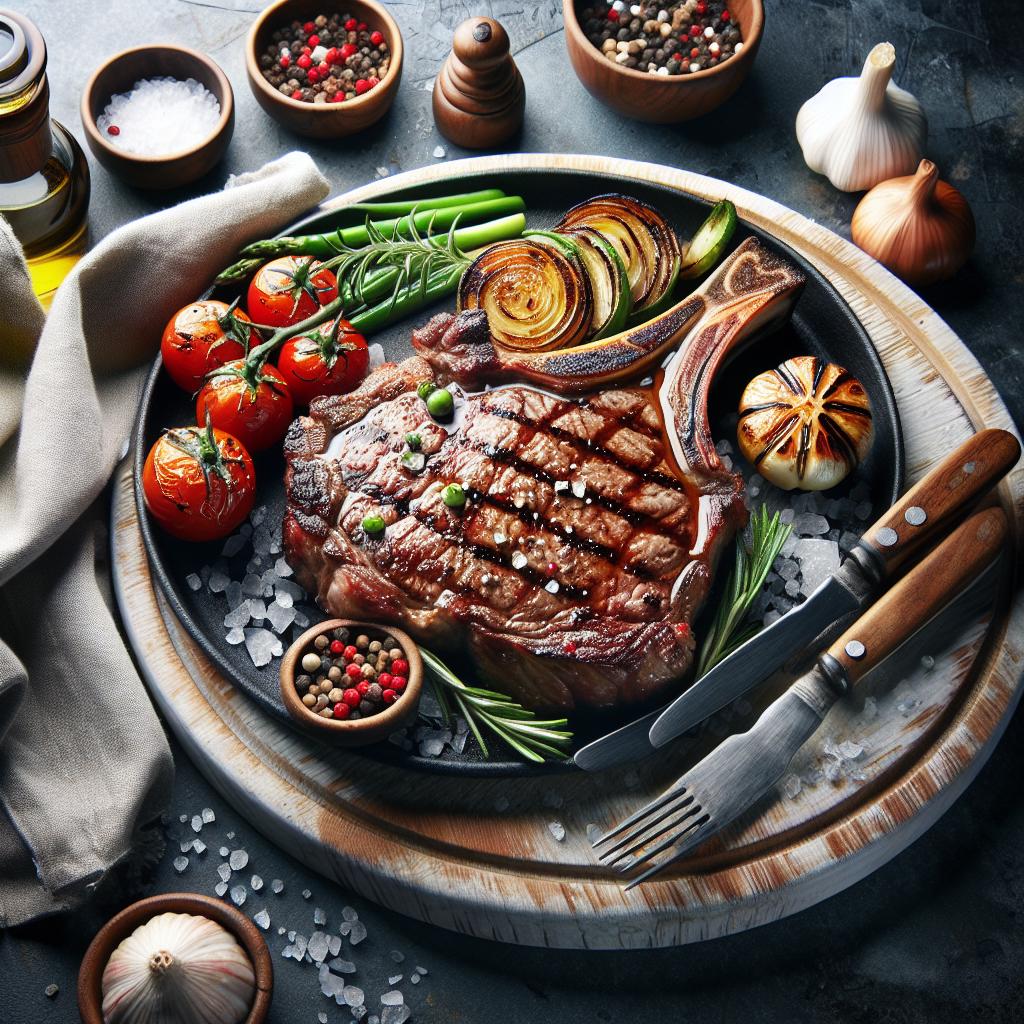

There’s something undeniably magnetic about the sizzle of a ribeye steak hitting a hot grill-the crackle, the aroma, the promise of rich, juicy flavor locked within a perfectly seared crust. The classic grilled ribeye is more than just a cut of meat; it’s a celebration of technique, timing, and a deep understanding of heat and seasoning. But what transforms a simple slab of beef into a legendary steakhouse-quality masterpiece? In this article, we’ll unravel the secrets to perfect searing, exploring how to achieve that coveted caramelized exterior and melt-in-your-mouth tenderness every time you fire up the grill. Whether you’re a backyard enthusiast or an aspiring grill master, mastering these techniques will elevate your ribeye game and make every bite unforgettable.
Classic Grilled Ribeye Steak: Secrets to Perfect Searing starts with selecting the ideal ribeye that promises deep marbling and intense flavor. This cut, rich in fat and muscle, is a carnivore’s dream, offering a smoky, juicy bite when grilled to perfection. The beauty of a ribeye lies in its luxurious marbling, which melts during cooking, creating a tender and flavorful experience unmatched by leaner steaks.
Prep and Cook Time
Preparation: 15 minutes | Cooking: 12-15 minutes | Total: 30 minutes
Yield
Serves 2 hearty portions
Difficulty Level
Medium – perfect for grill enthusiasts eager to elevate their skills
Ingredients
- 2 ribeye steaks, 1½ inches thick, well-marbled, about 12 oz each
- 1 tablespoon kosher salt
- 1 teaspoon freshly ground black pepper
- 2 tablespoons high smoke point oil (grapeseed or avocado oil)
- 2 cloves garlic, smashed
- 2 sprigs fresh rosemary or thyme
- 2 tablespoons unsalted butter
Instructions
- Choose the right ribeye: Look for steak with extensive marbling and a uniform thickness for even cooking. Allow the steaks to rest at room temperature for 30-45 minutes before grilling to ensure temperature consistency.
- Preheat your grill: Prepare a two-zone fire-one side as high-heat direct grilling (about 500°F), the other side as medium indirect heat. This setup aids temperature control and prevents unwanted charring.
- Season generously: Just before grilling, pat steaks dry with paper towels, then season with kosher salt and black pepper. The salt enhances crust formation and flavor penetration.
- Initial sear: Oil the grill grates and place steaks directly over the hot zone. Sear each side for 3-4 minutes without moving to develop a robust, caramelized crust. Resist the urge to press down on the steaks.
- Temperature control during cooking: Transfer steaks to the cooler zone and continue cooking to your desired doneness using a meat thermometer; aim for 125°F for medium-rare, removing early as the residual heat continues to cook.
- Finishing with butter and herbs: Just before removing from the grill, add butter, smashed garlic, and rosemary or thyme on top of each steak. Let the butter melt while basting the meat by spooning it repeatedly-this adds richness and aromatic complexity.
- Rest your steak: Transfer steaks to a plate and cover loosely with foil for 5-10 minutes to allow juices to redistribute. This step is crucial for a juicy, tender bite.
- Slicing and serving: Slice against the grain for maximum tenderness. Present with your favorite sides and a sprinkle of flaky sea salt to highlight the crust’s texture.
Tips for Success
- For even cooking, use a reliable instant-read meat thermometer.
- If your ribeye has a thick fat cap, render some fat by holding the steak fat-side down on the grill for 1-2 minutes before searing.
- Dry-aging or purchasing a USDA Prime ribeye can intensify flavor further.
- Don’t salt too early-season only just before grilling to avoid drawing out excess moisture.
- Consider a charcoal grill for additional smoky aroma; hardwood charcoal or wood chips like hickory enhance the classic grilled ribeye steak flavor.
Serving Suggestions
Present your classic grilled ribeye steak alongside vibrant grilled asparagus or roasted garlic mashed potatoes for a satisfying contrast of textures. Garnish with a sprinkle of chopped fresh parsley and a wedge of lemon to brighten the plate. A house-made chimichurri or a compound herb butter offers a fresh, elevated finish that pairs beautifully with the rich, seared crust.

| Nutrient | Per Serving (1 steak) |
|---|---|
| Calories | 680 kcal |
| Protein | 58 g |
| Carbohydrates | 0 g |
| Fat | 48 g |
Embracing the secrets of temperature control, ideal cut selection, and finishing touches ensures your classic grilled ribeye steak reveals its full savory potential-every bite a celebration of texture, aroma, and juicy satisfaction.
Explore more grilling mastery techniques in our Ultimate Steak Grilling Guide and discover how to harness heat and seasoning for exquisite flavor.
Q&A
Q&A: Classic Grilled Ribeye Steak – Secrets to Perfect Searing
Q1: What makes the ribeye steak a classic choice for grilling?
A1: The ribeye is like the rockstar of steaks-marbled with just the right fat content, it delivers intense flavor and a juicy, tender bite that’s hard to beat. Its rich marbling melts during grilling, creating that luscious, buttery texture classic steak lovers crave.
Q2: Why is searing so important when grilling a ribeye?
A2: Searing is the magical process that creates the steak’s signature crust-the Maillard reaction at work. This caramelized, browned exterior locks in juices and layers of flavor, turning a simple grilled piece of beef into a masterpiece with that irresistible aroma and texture.
Q3: How can I prepare my ribeye for the perfect sear?
A3: Start with a dry steak-pat it with paper towels to remove moisture. Season generously but simply with kosher salt and coarse black pepper to enhance the beef’s natural flavor. Let the steak come to room temperature for even cooking. And don’t forget to preheat your grill or cast-iron skillet until it’s smoking hot!
Q4: What’s the best technique for achieving that ideal crust?
A4: Place the ribeye on the hot grill and resist the urge to move it around. Let it sear undisturbed for about 3-4 minutes per side, depending on thickness, so a perfect char can develop. Use tongs to flip-never poke with a fork, or you’ll lose precious juices.
Q5: Should I use oil when grilling a ribeye?
A5: Lightly oil the steak, not the grill. A high smoke point oil like grapeseed or avocado oil brushed onto the meat helps promote even browning without burning. Avoid too much oil, as fat dripping onto flames can cause flare-ups.
Q6: How do I know when my ribeye is cooked to perfection?
A6: For a juicy medium-rare, aim for an internal temperature of about 130°F (54°C). Use an instant-read thermometer for accuracy or the finger test if you’re confident. Remember, the steak will continue to cook slightly while resting.
Q7: Why is resting the steak after grilling essential?
A7: Resting is the steak’s beauty sleep-it lets the juices redistribute throughout the meat instead of spilling out all over your plate. Tent it loosely with foil for 5-10 minutes for a tender, juicy finish.
Q8: Any final secret tips for grilling the ultimate ribeye?
A8: Absolutely! Don’t be shy about experimenting with a butter baste infused with garlic and herbs during the last minute of grilling-it elevates the flavor to gourmet status. And always grill with passion-after all, the best steaks come from those who truly savor the craft.
Enjoy mastering your classic grilled ribeye-where tradition, technique, and taste unite in each perfect sear!
Concluding Remarks
As the last sizzle fades and the aroma of a perfectly seared ribeye fills your kitchen, you realize that mastering this timeless cut is more than just cooking-it’s an art form. With the right technique, a little patience, and the secrets shared here, your classic grilled ribeye will transform every meal into a celebration of rich, smoky flavor and juicy tenderness. So fire up your grill, embrace the process, and savor the rewarding journey to steak perfection. Because when it comes to the ribeye, it’s not just dinner-it’s an experience worth mastering.