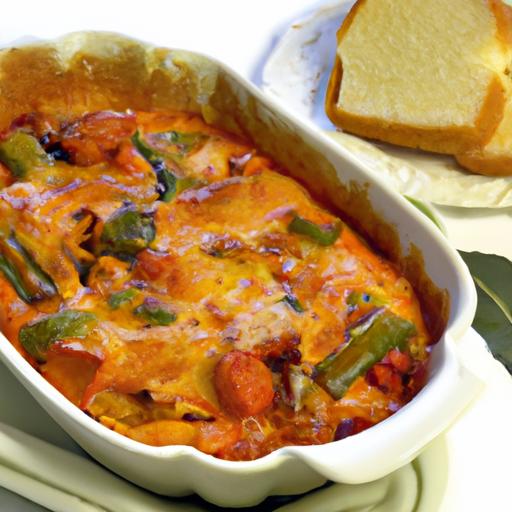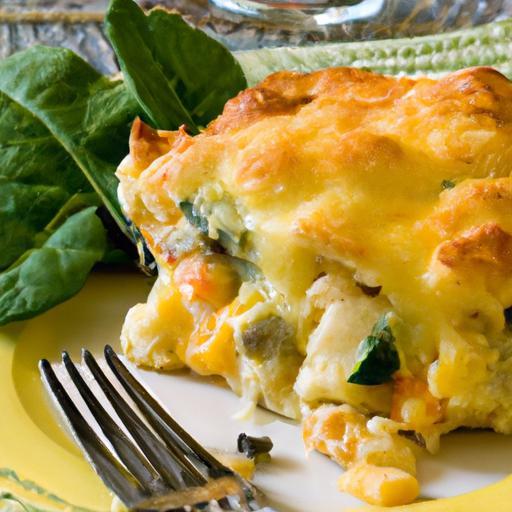

In the heart of every kitchen lies a humble hero: the casserole. A timeless comfort, its golden crust and bubbling interior promise warmth and satisfaction with every bite. Yet, beneath this inviting veneer, a culinary conundrum often lurks-cracks that spiderweb across the surface, breaking the dish’s perfect façade. What causes these fissures in our favorite baked creation? In our exploration of the “Cracked Casserole Mystery,” we delve into the science, the art, and the subtle pitfalls behind this common kitchen dilemma. Join us as we uncover the secrets to preventing the breakdown, ensuring your casserole emerges from the oven as flawless as it is flavorful.
Cracked Casserole Mystery: Unveiling the Dish’s Breakdown
Cracked casserole mystery: unveiling the dish’s breakdown begins with understanding why that beautifully baked dish sometimes falls apart or splits along its surface. Whether it’s a cheesy lasagna, creamy pot pie, or a layered vegetable bake, the science and technique behind a perfectly cohesive casserole can transform your kitchen success. I recall the first time I encountered a cracked casserole-it was a family gathering, and while the aroma was heavenly, the sight was disappointing. After deep experimentation and culinary research, what once seemed like a baking blunder turned into an art form of precision and skill.
Prep and Cook Time
- Preparation: 20 minutes
- Cooking: 45-55 minutes
- Total Time: Approximately 1 hour 15 minutes
Yield
Serves 6-8 hearty portions
Difficulty Level
Medium – requires attentive layering and control of moisture content
Ingredients
- 2 cups cooked and shredded chicken (optional for vegetarian version)
- 1 cup grated sharp cheddar cheese
- 1 cup ricotta cheese, drained
- 2 cups fresh spinach, finely chopped
- 1 medium onion, finely diced
- 3 cloves garlic, minced
- 1 ½ cups milk, whole or 2%
- 3 tbsp unsalted butter
- 3 tbsp all-purpose flour, sifted
- 1 tsp dried thyme
- 1 tsp salt
- ¼ tsp freshly ground black pepper
- 1 tbsp olive oil
- 1 cup panko breadcrumbs (for topping)
- Fresh parsley for garnish
Instructions
- Preheat the oven to 350°F (175°C). Lightly grease a 9×13-inch casserole dish with olive oil to prevent sticking and encourage even baking.
- Sauté the onion and garlic in olive oil over medium heat until translucent and fragrant, about 4-5 minutes. Stir occasionally to ensure even cooking without browning too much.
- Make the béchamel sauce: In a separate saucepan, melt butter over medium heat, then whisk in the flour, cooking for 1-2 minutes until bubbly but not browned. Gradually whisk in milk, stirring constantly to avoid lumps. Cook until thickened, approximately 5-7 minutes, then remove from heat and stir in thyme, salt, and pepper.
- Combine the béchamel with the cooked chicken, sautéed onion, garlic, spinach, ricotta, and half of the cheddar cheese. Gently fold to mix evenly, ensuring the spinach is well distributed.
- Pour the mixture into the prepared casserole dish, spreading evenly with a spatula to avoid air pockets that can cause cracking during baking.
- Sprinkle the remaining cheddar and evenly distribute the panko breadcrumbs on top for a crunchy, golden crust.
- Bake uncovered for 45-55 minutes, checking at 40 minutes to ensure the top does not over-brown. A perfectly baked casserole should be bubbling around the edges, with a lightly golden top and no visible cracks.
- Remove from oven and let rest for 10 minutes before serving. This cooling period allows the casserole to set properly, reducing the risk of cracks forming as it cools.
Chef’s Notes: Tips for Success with Your Cracked Casserole Mystery
- Moisture balance is key: Too much liquid can cause a cracked casserole surface by creating steam pockets during baking. Strain or drain ingredients like ricotta or cooked vegetables to prevent excess moisture.
- Use room temperature ingredients: Cold dairy or eggs introduced directly can cause thermal shock, leading to cracks. Let ingredients come to room temperature before combining.
- Layer mindfully: Avoid heavy compaction in the dish; gently layer without pressing down excessively to keep air pockets minimal.
- Rest post-baking: Always allow your casserole to cool before slicing. Cutting too soon often causes structural collapse or crumbling.
- Substitutions: For a dairy-free version, substitute béchamel with a creamy cashew sauce; use nutritional yeast instead of cheese for flavor depth.
- Make-ahead: Assemble the casserole a day ahead and cover tightly. Bake fresh to retain moisture and texture for best results.
Serving Suggestions
Serve your casserole warm for the creamiest texture. Garnish with freshly chopped parsley or basil for color and freshness. Pair with a crisp green salad and crusty garlic bread to contrast the creamy, rich interior with crunchy elements. For an elegant presentation, scoop servings onto a warm plate and drizzle lightly with extra virgin olive oil or a sharp balsamic reduction.
| Nutrient | Per Serving |
|---|---|
| Calories | 340 kcal |
| Protein | 25 g |
| Carbohydrates | 18 g |
| Fat | 20 g |

Unlock even more kitchen secrets and related tips in our Perfect Baking Techniques Guide, or discover the science of heat transfer in cooking at ScienceDaily: Food Science.
Q&A
Q&A: Cracked Casserole Mystery – Unveiling the Dish’s Breakdown
Q1: What exactly is the “cracked casserole” phenomenon?
A1: The “cracked casserole” refers to the frustrating appearance of unsightly cracks or fissures forming on the surface of a baked casserole dish. It’s that unexpected desert-like fissure pattern that can make a hearty comfort meal look like it went through an earthquake-much to the cook’s dismay.
Q2: Why do casseroles crack in the first place?
A2: At the core, cracking happens because of uneven moisture loss and heat distribution during baking. As the edges cook faster and firm up, the center continues to bubble and expand. When these competing forces tug the casserole apart, the surface breaks, creating cracks.
Q3: Is a cracked casserole ruined or still edible?
A3: Luckily, cracks are purely cosmetic! While they might hurt your plating pride, they don’t affect the taste or safety of the dish. The casserole is still delicious and nourishing beneath those fissures-it’s just had a little battle with your oven.
Q4: Can different ingredients contribute to cracking?
A4: Absolutely. High-moisture ingredients like creamed soups or eggs set differently than starches or cheese. For example, a custard-heavy casserole might crack more than a dense potato layer because the egg proteins contract as they cool, pulling the surface apart.
Q5: How can you prevent or minimize casserole cracks?
A5: Prevention is part science, part art! Try these tips:
- Bake at moderate, consistent temperatures to avoid sudden firming of edges.
- Cover your casserole lightly with foil early on to retain moisture, then remove toward the end for browning.
- Allow the casserole to cool slowly; rapid cooling intensifies cracks.
- Incorporate binding ingredients like cheese or béchamel to create a more flexible surface.
Q6: Are there casserole types more prone to cracking than others?
A6: Yes, custard-based casseroles-think egg and milk blends like quiches or breakfast strata-are especially susceptible. Dense, starch-heavy casseroles tend to hold together better but can still crack if overcooked. Soufflé-like dishes are another delicate category, often cracking due to their airy structure collapsing.
Q7: Can cracks add to the casserole’s rustic charm?
A7: Definitely! Some food enthusiasts embrace spikes and cracks as part of a homemade, rustic appeal-proof the dish was lovingly made from scratch. Like old crackled pottery or weathered leather, those cracks tell a story. So don’t shy away from imperfections-they can add to the narrative of your culinary creation.
Q8: What’s a fun way to disguise those cracks if you want to impress guests?
A8: Top your casserole with a luscious layer-think melted cheese, crushed crackers, fresh herbs, or a drizzle of sauce. Not only does this create a delicious crust, but it also cleverly masks any cracks underneath. Presentation is all about layering flavor and hiding vulnerability.
Q9: Can cracked casseroles inspire new recipes?
A9: Indeed! Some creative cooks have taken the “breaking” idea to new heights by intentionally cracking casseroles or baked custards and then filling the cracks with complementary sauces, dips, or garnishes. It’s an artistic embrace of imperfection, turning mishaps into culinary innovation.
Q10: What’s the takeaway message for home cooks facing the casserole crack crisis?
A10: Don’t fret the cracks! They’re a natural consequence of heat, moisture, and ingredient chemistry coming together in a home oven. Focus on flavor, texture, and joy of sharing the dish rather than flawless aesthetics. After all, great cooking is as much about heart and soul as it is about perfect surfaces. Embrace the cracks-they’re part of your story!
Insights and Conclusions
As we peel back the layers of the cracked casserole mystery, it becomes clear that this culinary conundrum is more than just a kitchen mishap-it’s a delicate dance of ingredients, temperature, and technique. Understanding why your casserole cracks is the first step toward mastering its art, transforming a once-frustrating fissure into a perfectly set slice of comfort. So next time you gaze upon those fissures, remember: they tell a story of chemistry meeting creativity, inviting you to experiment, adjust, and ultimately savor the delicious journey from breakdown to breakthrough.