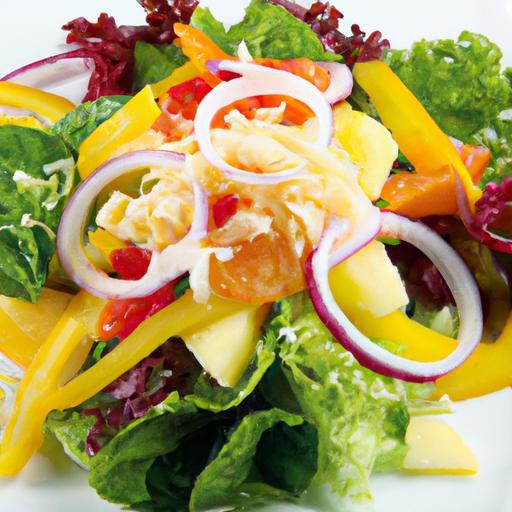

Step aside, boring greens – it’s time to rethink salads as a vibrant, crunchy adventure that kids actually want to dive into! Getting children excited about salads doesn’t have to be a battle of wills; with a splash of color, a sprinkle of fun textures, and a dash of imagination, salads can become a playground for little taste buds. In this article, we’ll explore playful, practical tips to transform salad time from “meh” to “mmm!” – making healthy eating a joyful, colorful experience that kids look forward to every day. Let’s turn those leafy greens into the star of the dinner plate!
Crunchy & colorful salads are the perfect way to excite young taste buds by blending playful presentation with vibrant, nutrient-packed ingredients. This recipe invites children and adults alike to explore a world of fresh textures and bright flavors, turning mealtime into a delicious adventure. The secret lies in mixing crispy veggies with juicy fruits, and topping it all off with dressings that bring a burst of tangy, sweet, and zesty notes – making every bite a celebration.
Prep and Cook Time
- Preparation: 20 minutes
- Cooking (optional toast or warm toppings): 5 minutes
- Total Time: 25 minutes
Yield
- Serves 4 children or 2-3 adults as a side dish
Difficulty Level
- Easy – perfect for beginner cooks or busy parents
Ingredients
- 2 cups shredded rainbow carrots (for crisp color and sweetness)
- 1 cup diced red bell pepper (adds vibrant red and crunch)
- 1 medium cucumber, peeled and thinly sliced
- 1 cup halved cherry tomatoes (bursting with juiciness)
- 1 cup diced fresh pineapple (for natural sweetness and tropical flair)
- 1/2 cup pomegranate seeds (for a pop of ruby color and crunch)
- 1/4 cup roasted sunflower seeds (adds toasty crunch)
- 1/2 cup crumbled feta cheese (optional, for a creamy counterpoint)
- 2 tablespoons chopped fresh mint (refreshing aroma and taste)
- For the dressing:
- 3 tablespoons extra virgin olive oil
- 1 tablespoon honey
- 2 tablespoons freshly squeezed lime juice
- 1 teaspoon Dijon mustard
- Salt and pepper, to taste
Instructions
- Prepare the vegetables and fruits: Wash all produce thoroughly. Shred, dice, or slice according to the ingredient list to maintain consistent bite-sized pieces – ideal for little hands and mouths.
- Combine base ingredients: In a large, colorful mixing bowl, gently toss together shredded carrots, bell pepper, cucumber slices, cherry tomatoes, pineapple chunks, and pomegranate seeds.
- Whisk the dressing: In a small bowl, vigorously whisk olive oil, honey, lime juice, Dijon mustard, salt, and pepper until well emulsified and glossy. Adjust seasoning to balance the sweet and tangy flavors.
- Toss and combine: Pour the dressing evenly over the salad base. Mix gently but thoroughly, ensuring every ingredient is lightly coated to enhance flavor without sogginess.
- Add crunchy and creamy elements: Sprinkle roasted sunflower seeds and crumbled feta cheese over the salad. The seeds add an inviting crunch while the feta provides a smooth, rich contrast.
- Finish with herbs: Garnish with fresh chopped mint for a burst of color and a refreshing aftertaste that keeps the palate interested bite after bite.
- Serve immediately: Present the salad in individual bright bowls or clear glass cups to showcase the dazzling layers of color and texture, inviting kids to dive in and explore.
Tips for Success
- Play with shapes: Use mini cookie cutters to make fun shapes from cucumber or pepper slices for a whimsical twist.
- Make it ahead: Prepare all ingredients and keep the dressing separate until ready to serve to prevent sogginess.
- Substitute smartly: If pomegranate seeds are unavailable, try using dried cranberries or simply omit for less mess.
- Boost protein: Add grilled chicken strips or chickpeas to turn this salad into a hearty, kid-friendly main course.
- Customize sweetness: Adjust the honey amount in the dressing according to your child’s taste preferences.
Serving Suggestions
For an inviting table display, serve in clear bowls layered with each colorful ingredient visible. Offer small wooden or eco-friendly bamboo forks to encourage easy handling. Garnish with edible flowers like nasturtiums or violets to elevate the presentation and spark curiosity. Pair with a chilled glass of infused water (e.g., cucumber-mint) for a refreshing meal experience that feels special and fun.
| Nutrient | Per Serving (1/4 of recipe) |
|---|---|
| Calories | 140 kcal |
| Protein | 4 g |
| Carbohydrates | 18 g |
| Fat | 7 g |
Discover more delicious and nutritious salad ideas perfect for kids to keep mealtime creative and flavorful. For expert-backed tips on kids’ nutrition and eating habits, visit the American Academy of Pediatrics.

Q&A
Q&A: Crunchy & Colorful – Tips to Get Kids Excited About Salads
Q1: Why is it important to get kids interested in eating salads?
A: Introducing kids to salads early helps build healthy eating habits that last a lifetime. Salads are a fantastic way to pack in vitamins, minerals, and fiber, giving kids the energy and nutrients they need to grow, learn, and play. Plus, it’s a fun opportunity to explore new flavors and textures!
Q2: How can I make salads more appealing to picky eaters?
A: The secret is crunch and color! Kids love foods they can snap, munch, and enjoy. Add colorful veggies like cherry tomatoes, shredded carrots, and bright bell peppers. Toss in some crunchy elements like nuts, seeds, or crispy tortilla strips. Serving salads in fun bowls or letting kids assemble their own creates excitement and ownership.
Q3: What are some tasty ingredients that appeal to kids’ palates?
A: Sweet fruits like apple slices, mandarin oranges, or grapes add natural sweetness that kids adore. Mild cheeses like mozzarella balls or feta crumble introduce creamy texture. For protein, try crispy chickpeas or grilled chicken strips. Remember to balance flavors-think sweet, salty, tangy, and crunchy all on one plate!
Q4: Can kids help in making salads? How does that help?
A: Absolutely! Getting kids involved in washing veggies, tearing lettuce, or mixing dressings turns salad prep into a hands-on adventure. When kids help create their food, they’re more likely to try and enjoy it. Plus, it’s a wonderful way to teach them about nutrition and cooking skills.
Q5: Are there creative ways to serve salads that make them more fun?
A: Yes! Try making “salad jars” layered with colorful ingredients or turning salad into a taco or wrap with crunchy greens inside. Use cookie cutters to shape veggies into stars or hearts. Even giving each salad a silly name-like “Rainbow Crunch Delight”-sparks curiosity and smiles.
Q6: What dressing options work best for getting kids to love salads?
A: Keep dressings light, flavorful, and not too overpowering. Homemade vinaigrettes with a touch of honey or citrus are winners. Yogurt-based dressings add creaminess without excess fat. Let kids taste-test and choose their favorites-sometimes the thrill of picking their own dressing is just as exciting as the salad itself!
Q7: How often should kids eat salad?
A: Incorporating salads into meals a few times a week is a great goal, but even small servings count! The key is consistency and variety-mixing up ingredients and presentation keeps it fresh and fun, so salads become a delicious habit, not a chore.
With these crunchy, colorful, and creative tips, salads can transform from boring side dishes into kid-friendly delights that fuel happy, healthy lives!
Insights and Conclusions
In the vibrant world of childhood, where taste buds crave adventure and colors spark curiosity, salads don’t have to play second fiddle. By embracing crunch, color, and creativity, you can transform a simple bowl of greens into a playground of flavor and fun. Remember, the secret ingredient isn’t just the dressing-it’s the joy of discovery. So go ahead, toss together those leafy treasures, sprinkle in the rainbow, and watch as little hands reach eagerly for a bite. After all, when salads become a feast for the eyes and the palate, healthy habits bloom naturally, making every mealtime a celebration of wholesome happiness.