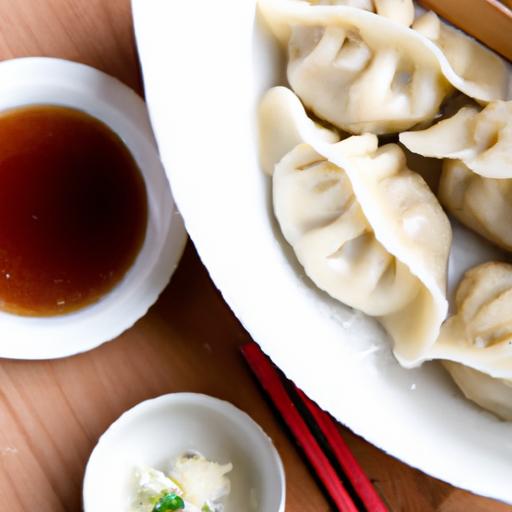
There’s something undeniably magical about dumplings-their delicate folds hiding treasures of flavor and texture that have captivated palates for centuries. Yet, achieving that elusive ideal of soft, fluffy perfection can feel like an art shrouded in mystery. What’s the secret behind that pillowy bite that melts effortlessly on your tongue? In this deep dive, we’ll unravel the science and stories behind dumplings, decoding the essential ingredients, techniques, and tips that transform humble dough into a culinary masterpiece. Whether you’re a seasoned chef or a curious home cook, prepare to unlock the secrets that make every dumpling not just a meal, but an experience.
Dumplings decoded begin with selecting the ideal flour that transforms ordinary dough into a tender, pillowy canvas ready to embrace a world of flavors. Whether you’re crafting delicate, steamed treasures or indulging in pan-fried delights, the flour choice dramatically influences texture and elasticity, ensuring your dumplings rise to soft, fluffy perfection.
Prep and Cook Time
- Preparation: 30 minutes
- Resting: 45 minutes
- Cooking (Steaming): 15 minutes
- Total: 1 hour 30 minutes
Yield
Approximately 30 medium-sized dumplings (serves 4)
Difficulty Level
Medium – Perfect for adventurous home cooks eager to master dough and fillings
Ingredients
- For the Dough:
- 2 cups all-purpose flour, sifted
- 3/4 cup warm water (around 110°F)
- 1/2 tsp salt
- For the Filling:
- 1/2 lb ground pork or chicken
- 1 cup finely chopped Napa cabbage, squeezed dry
- 2 green onions, minced
- 1 tbsp fresh ginger, grated
- 2 cloves garlic, minced
- 1 tbsp soy sauce
- 1 tsp sesame oil
- 1/2 tsp white pepper
- 1/4 tsp salt
- For Steaming:
- 1 sheet parchment paper or cabbage leaves, cut to fit your steamer
Instructions
- Prepare the Dough: In a large bowl, combine all-purpose flour and salt. Slowly pour in warm water while stirring gently with chopsticks or a fork until a shaggy dough forms. Transfer to a floured surface.
- Knead for Tenderness: Knead the dough for about 10 minutes until it becomes smooth and elastic. This step is crucial for developing the gluten strands that provide the dough’s signature softness. Slightly tacky dough is ideal.
- Rest the Dough: Cover dough with a damp cloth or plastic wrap. Let it rest for 45 minutes at room temperature to relax the gluten-this ensures your dough rolls out easily without snapping back.
- Prepare the Filling: In a bowl, mix together ground meat, Napa cabbage, green onions, ginger, garlic, soy sauce, sesame oil, white pepper, and salt. Combine gently but thoroughly to create a balanced and flavorful filling.
- Roll and Shape Wrappers: Divide rested dough into 30 equal pieces. Roll each piece on a lightly floured surface into a thin circle roughly 3 inches in diameter. Aim for edges thinner than the center for perfect pleating.
- Fill and Fold: Place about 1 tsp of filling in the center of each wrapper. Fold the wrapper in half, lightly moisten edges with water, and pleat to seal tightly. Proper sealing prevents juices from leaking during steaming.
- Set up the Steamer: Line your steamer basket with parchment paper or cabbage leaves to prevent sticking. Arrange dumplings with some breathing room to allow for expansion.
- Steam to Fluffy Perfection: Bring water in the steamer pot to a rolling boil. Place the basket over the boiling water, cover, and steam dumplings for 14 to 15 minutes. Avoid peeking too often-the trapped steam is key to fluffiness.
- Serve Immediately: Carefully remove dumplings and serve hot with soy sauce, vinegar, or your favorite dipping sauce.
Tips for Success
- When choosing flour, all-purpose flour strikes the ideal balance for softness and elasticity-higher protein flours yield chewy dough, while pastry flour can be too delicate.
- Resting dough is non-negotiable; it significantly reduces toughness and tedious rolling.
- For gluten-free variations, try a blend of millet flour and tapioca starch, but expect a different texture.
- Ensure filling ingredients are finely minced to help blend flavors and keep the dough from tearing.
- Freeze leftover uncooked dumplings on a baking tray before transferring to a resealable bag for easy future steaming.
Serving Suggestions
Present your dumplings elegantly in a bamboo steamer lined with fresh herbs like cilantro or mint leaves. Garnish with thinly sliced scallions and toasted sesame seeds for a vibrant contrast. Pair with dipping sauces such as a classic soy-vinegar dip or spicy chili oil for an added kick. A bowl of hot, clear soup or steamed bok choy complements the meal perfectly, elevating the textures and flavors to restaurant quality.
| Nutrient | Per Serving (7-8 Dumplings) |
|---|---|
| Calories | 280 kcal |
| Protein | 15 g |
| Carbohydrates | 28 g |
| Fat | 8 g |

For further insights into rolling and pleating techniques, check out our Perfect Dumpling Pleats Guide. To deepen your understanding of flour protein content and its role in dough elasticity, explore this expert article on baking business.
Q&A
Q&A: Dumplings Decoded – Secrets to Soft, Fluffy Perfection
Q1: What’s the secret behind those irresistibly soft and fluffy dumplings?
A1: The magic lies in the dough and the cooking process. Using the right balance of flour and liquid, gentle kneading, and proper steaming or boiling can turn simple dough into pillowy clouds of deliciousness. Incorporating a bit of baking powder or yeast can also introduce lightness, making dumplings springy and soft.
Q2: How important is the choice of flour when making dumplings?
A2: Flour is the foundation! All-purpose flour is versatile, but for ultra-soft textures, cake flour or a blend with lower protein content can help create tenderness. High-gluten flours tend to produce chewier dumplings, which might not be what you’re aiming for if you want fluffy perfection.
Q3: Can I make dumplings without yeast or baking powder?
A3: Absolutely! Traditional recipes sometimes rely on just flour, water, and a pinch of salt, steaming the dumplings just right to keep them soft. However, adding a small amount of leavening – like baking powder – helps catch air pockets during cooking, boosting fluffiness. Without leaveners, technique becomes even more crucial.
Q4: What’s the best cooking method to keep dumplings soft?
A4: Steaming is often the golden ticket. It cooks the dough gently, trapping moisture and avoiding drying out the exterior. Boiling is classic too but requires the right timing-overcooking can lead to mushy or dense results. Pan-frying combined with steaming (potstickers style) adds texture but may sacrifice some softness.
Q5: How does moisture affect my dumpling dough?
A5: Moisture is your best friend! Too little water creates tough dough, while too much makes it sticky and hard to handle. Aim for a supple dough that’s slightly tacky but not sticky. Resting the dough after mixing also allows the flour to hydrate fully, which softens the texture.
Q6: Any tips for making lump-free and smooth dumpling dough?
A6: Sift your flour before mixing, add water gradually, and stir gently to avoid lumps. Knead just enough to bring it together, then let it rest under a damp cloth. This rest period relaxes the gluten and smooths the surface, preparing you for effortless rolling and wrapping.
Q7: Can fillings affect the texture of the dumpling wrapper?
A7: Indirectly, yes! Juicy fillings release moisture inside during cooking, which can soften the wrapper further. That’s why a slightly thicker dough or a touch of starch sometimes helps keep the wrapper from becoming soggy or breaking apart.
Q8: What’s a creative way to elevate classic dumplings?
A8: Try infusing your dough with ingredients like matcha powder, turmeric, or even sweet potato puree to add color, subtle flavor, and a unique twist. Or experiment with steaming dumplings inside aromatic leaves like banana or lotus, which impart delicate fragrance while cooking.
Unlock these dumpling secrets and transform your kitchen into a dumpling haven full of soft, fluffy bites that delight every time. Who knew perfection was just a dough-away?
Concluding Remarks
As we unwrap the layers of dumpling mastery, one thing becomes clear: achieving that coveted soft, fluffy perfection is less about magic and more about mindful technique. From the delicate dance of dough hydration to the gentle art of folding, each step holds the secret to dumpling delight. So next time you embark on this culinary journey, remember that patience and practice are your best ingredients-turning humble dough into clouds of comfort that melt effortlessly with every bite. Dumplings, decoded and delicious, await your kitchen finesse.