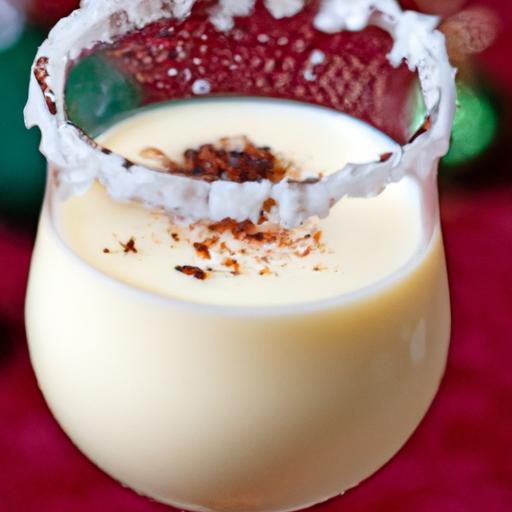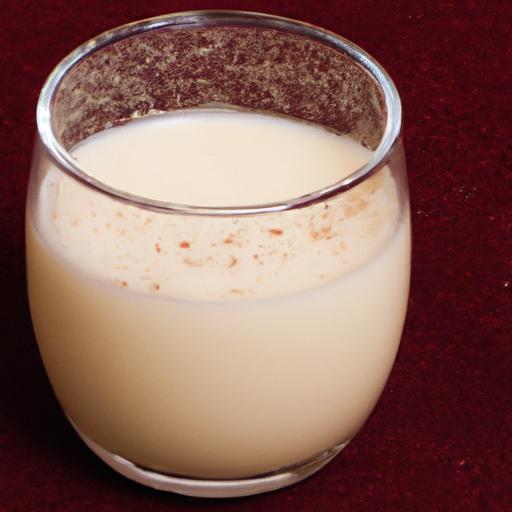

There’s something undeniably magical about the first sip of eggnog during the holiday season-a rich, creamy embrace that feels both timeless and festive. But beyond its velvety texture and sweet, spiced flavor lies a fascinating story steeped in history, tradition, and craftsmanship. In “Eggnog Unwrapped: The Creamy Tradition Behind the Sip,” we delve into the origins of this beloved seasonal beverage, uncover the secrets of its signature creaminess, and explore how eggnog has evolved from a lavish indulgence to an enduring holiday staple. Join us as we peel back the layers of this creamy concoction, revealing the story behind every delicious pour.
Eggnog Unwrapped: The Creamy Tradition Behind the Sip invites you to discover a rich, velvety concoction that has enchanted holiday festivities for centuries. This luscious beverage blends comforting warmth and indulgent creaminess to create a sensory experience like no other. Rooted in Renaissance Europe and transformed through cultural influences, homemade eggnog today embodies tradition, celebration, and the joy of togetherness.
Prep and Cook Time
Preparation: 15 minutes
Cooking: 10 minutes
Chilling: 2 hours
Yield
Serves 6 generous portions
Difficulty Level
Medium – Perfect for home cooks looking to elevate their holiday repertoire with authentic technique and flavor.
Key Ingredients That Make Eggnog So Creamy and Rich
- 4 large egg yolks – the base for that luscious texture
- 1 cup granulated sugar – to balance richness with subtle sweetness
- 2 cups whole milk – for a smooth, full-bodied mouthfeel
- 1 cup heavy cream – the secret to silky richness
- 1 cup bourbon or rum (optional) – warming spirit to enhance depth and aroma
- 2 teaspoons pure vanilla extract – adds warmth and complexity
- 1 teaspoon freshly grated nutmeg – the hallmark spice of eggnog
- 2 large egg whites – whipped for airy lightness (optional)
Crafting the Perfect Homemade Eggnog: Tips and Tricks
- Whisk the egg yolks and sugar in a heatproof bowl until pale and creamy – this is essential for achieving that signature smoothness.
- Warm the milk and cream gently in a saucepan over medium heat. Avoid boiling; just heat until steaming to preserve creaminess.
- Slowly temper the yolk mixture by whisking in warm milk, then return everything to the pan.
- Cook over low heat, stirring constantly. Heat until the mixture thickens slightly – about 170°F (77°C). This step kills any bacteria and cooks the yolks without scrambling.
- Remove from heat and stir in vanilla and bourbon or rum, if using.
- Pour into a chilled bowl. For added volume, whip egg whites until soft peaks form and gently fold into the cooled mixture.
- Chill for at least 2 hours to meld flavors and deepen richness. Eggnog tastes best served cold.
Chef’s Notes: Tips for Success
- For a non-alcoholic version, simply omit spirits and add an extra teaspoon of vanilla for flavor balance.
- Use fresh, high-quality eggs and pasteurized dairy for safety and creaminess.
- Customize spices: try adding cinnamon sticks, cloves, or a pinch of mace for nuanced aromatics.
- Make ahead: Eggnog improves when allowed to rest overnight. Store covered in the refrigerator for up to 3 days.
- To lighten texture, fold in some softly whipped cream instead of egg whites for a luxurious mouthfeel.
Pairing Eggnog with Festive Treats for a Memorable Holiday Experience
The deep creaminess and warming spice of eggnog pairs beautifully with an array of holiday delicacies. Try it alongside freshly baked gingerbread cookies, spiced pecan pie, or buttery shortbread. For a sophisticated nibble, serve with aged cheddar cheese and crisp apple slices. Toast your holiday gatherings with a dusting of freshly grated nutmeg atop each glass and a cinnamon stick stirrer for a festive flourish.
Nutritional Information (Per Serving)
| Calories | Protein | Carbs | Fat |
|---|---|---|---|
| 280 | 6g | 20g | 18g |

For a deep dive into winter cocktails and mixing techniques, check our Winter Cocktail Guide. For historical context on the holiday tradition of eggnog, visit the History Channel’s Eggnog Overview.
Q&A
Q&A: Eggnog Unwrapped: The Creamy Tradition Behind the Sip
Q1: What exactly is eggnog, and where did this creamy concoction originate?
A1: Eggnog is a luscious, creamy beverage traditionally made from milk or cream, sugar, beaten eggs, and a splash of spirits like rum or brandy. Its roots trace back to medieval Europe, where a posh hot drink called “posset” laid the foundation. Over centuries, eggnog evolved, crossing oceans to become the festive holiday staple we cherish today, especially in North America.
Q2: Why is eggnog considered a holiday tradition?
A2: Eggnog’s rich texture and warming spices evoke a sense of comfort and celebration, making it the perfect companion to cold winter nights and holiday gatherings. Historically, it was served at medieval parties and colonial winter festivities, symbolizing goodwill and abundance. Today, sipping eggnog is synonymous with holiday cheer and cozy moments by the fire.
Q3: What makes eggnog so creamy and indulgent?
A3: The magic lies in the whipped eggs and cream, which create a velvety texture unlike any other drink. The eggs act as a natural thickener, while the cream adds richness that coats the palate. When combined with sugar and often a touch of nutmeg or cinnamon, the result is a luscious, silky beverage that feels like a holiday hug in a glass.
Q4: Can you enjoy eggnog without alcohol?
A4: Absolutely! While traditional recipes often include rum, bourbon, or brandy, many modern versions are alcohol-free, making them accessible for all ages. Non-alcoholic eggnog retains all the creamy, spiced goodness and can be enjoyed warm or chilled-perfect for family-friendly celebrations.
Q5: Are there any creative twists to traditional eggnog?
A5: Eggnog is a playground for flavor experimentation. From adding espresso for a caffeinated kick to blending in pumpkin puree for a fall flair, the possibilities stretch far beyond the classic recipe. Vegan versions using coconut or almond milk, and spiced variations featuring cardamom or star anise, keep the tradition fresh and fun.
Q6: How should eggnog be stored and served?
A6: Store eggnog refrigerated and consume within a few days of preparation, as fresh eggs can spoil quickly. Serve it chilled or gently warmed, garnished with a sprinkle of nutmeg or cinnamon and a cinnamon stick for stirrers. If spiked, a decorative splash of spirit atop the glass adds flair-just sip responsibly!
Q7: Why does eggnog hold such nostalgic power around the holidays?
A7: Beyond its taste and texture, eggnog carries memories-of family traditions, festive parties, and the simple joy of gathering. Its centuries-old history and seasonal exclusivity make each sip a connection to past celebrations, a creamy thread woven through generations of holiday cheer.
Unlock the creamy tradition behind eggnog, and you discover a beverage that’s more than just a festive sip-it’s a deliciously rich story in every glass.
In Summary
As the last sip of eggnog lingers on your palate, it’s clear that this creamy concoction is more than just a festive treat-it’s a tapestry woven with centuries of tradition, culture, and a dash of holiday magic. From its humble beginnings to the modern-day variations gracing our tables, eggnog remains a symbol of warmth and celebration, inviting us to slow down and savor the season. So next time you lift your glass, remember: you’re not just enjoying a drink-you’re partaking in a timeless ritual, one velvety sip at a time. Cheers to the creamy tradition behind the sip!