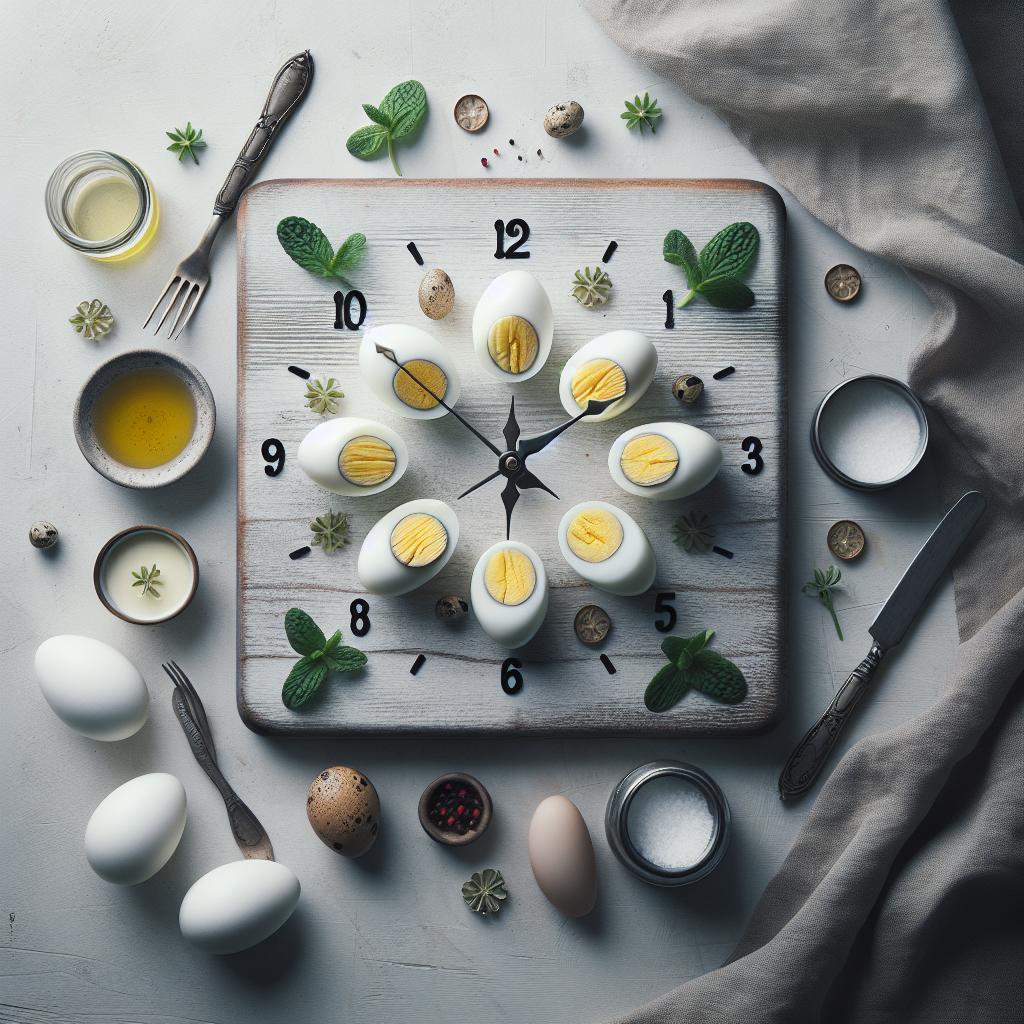

There’s something timeless-and quietly magical-about cracking open a perfectly cooked hard-boiled egg. Whether sliced atop a salad, chopped into a hearty sandwich, or simply dusted with a sprinkle of salt, these humble orbs of protein offer convenience and comfort in every bite. But beneath their unassuming shells lies a question that often puzzles both kitchen novices and seasoned chefs alike: just how long do hard-boiled eggs stay fresh once the timer clicks off? In this article, we’ll peel back the layers of egg science and storage savvy to reveal the secrets of keeping your hard-boiled eggs fresh, flavorful, and safe to eat-because when it comes to eggs on the clock, timing is everything.
Hard-boiled eggs are a timeless culinary staple, beloved not only for their simplicity and versatility but also for the nourishing lift they provide throughout the day. Understanding the Freshness Window for Hard-Boiled Eggs is essential for any home cook who wants to enjoy these protein-packed gems safely and at their peak flavor. From picnics and packed lunches to elegant appetizers, mastering optimal storage techniques ensures your eggs stay fresh longer, making every bite satisfyingly smooth and perfectly cooked.
Prep and Cook Time
- Preparation: 5 minutes
- Cooking: 12 minutes
- Cooling: 10 minutes
- Total Time: 27 minutes
Yield
6 perfectly cooked hard-boiled eggs
Difficulty Level
Easy
Ingredients
- 6 large eggs, preferably fresh and free-range
- Water, enough to cover eggs by 1 inch in a pot
- Ice cubes, for the ice bath
- Optional: 1 tsp salt (to prevent cracking and aid peel-ability)
Instructions
- Place the eggs gently in a single layer at the bottom of a medium saucepan to avoid cracking during cooking.
- Fill the pot with cold water, covering the eggs by approximately 1 inch. Add salt if desired.
- Bring the water to a rolling boil over medium-high heat. Once boiling, reduce heat to low and let simmer gently for exactly 12 minutes.
- Prepare an ice bath while the eggs cook: fill a large bowl with ice and cold water.
- Immediately transfer the eggs to the ice bath using a slotted spoon. This stops cooking, preserves the yolk’s bright color, and makes peeling easier. Let them chill for 10 minutes.
- Peel the eggs under running water for effortless shell removal, or store unpeeled for longer freshness.
Chef’s Notes: Tips for Success
- Freshness First: Hard-boiled eggs are best consumed within one week. Always keep them refrigerated in a sealed container to maintain freshness.
- Peeling Perfection: Using slightly older eggs (7-10 days old) makes peeling easier, as the air pocket inside the shell is larger, reducing stickiness.
- Storing Safely: Leave the shells on until ready to eat to prolong freshness. If peeled, place eggs in a bowl covered with damp paper towels and seal tightly.
- Signs of Spoilage: Watch for a sulfur-like smell, sliminess, or an unusual discoloration of the white or yolk during storage or after peeling. These indicate the egg has passed its prime.
- Variations: Experiment with marinating peeled hard-boiled eggs in soy sauce, beet juice, or smoked paprika-infused brines to create flavor-packed snacks.
- Make-Ahead Tip: Prepare eggs in advance, store whole in cold water in the fridge, changing the water daily to keep them crisp and fresh up to 7 days.
Serving Suggestions
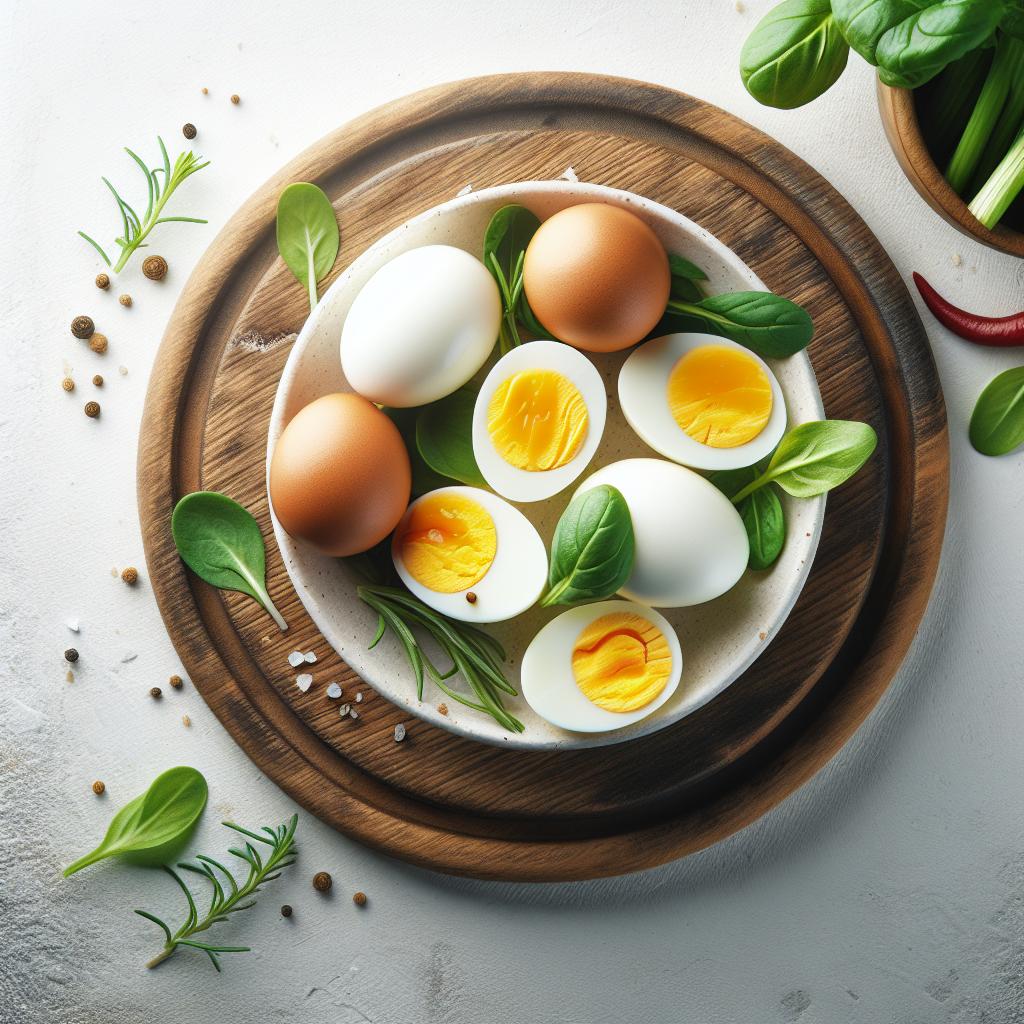
Hard-boiled eggs offer unmatched versatility. Slice them onto vibrant salads sprinkled with fresh herbs like chives or dill for a burst of color and flavor. Serve halved and topped with a pinch of smoked paprika, flakes of sea salt, or a drizzle of truffle oil for an elegant appetizer. They also pair beautifully with creamy avocado toast or as a protein boost inside gourmet sandwiches layered with crisp lettuce and tangy mustard.
| Nutrient | Per 1 Hard-Boiled Egg (50g) |
|---|---|
| Calories | 78 kcal |
| Protein | 6.3 g |
| Carbohydrates | 0.6 g |
| Fat | 5.3 g |

For more creative ways to enjoy your eggs, check out our Ultimate Egg Salad Recipes. To dive deeper into food safety standards, visit the USDA Food Safety & Inspection Service.
Q&A
Q: How long do hard-boiled eggs stay fresh once cooked?
A: Hard-boiled eggs can stay fresh in the refrigerator for up to one week. Keep them in their shells to preserve moisture and prevent odors from seeping in.
Q: Does peeling hard-boiled eggs affect their freshness?
A: Yes! Once peeled, hard-boiled eggs lose their protective barrier and should be eaten within 1-2 days for optimal freshness and safety.
Q: What’s the best way to store hard-boiled eggs to keep them fresh?
A: Store hard-boiled eggs in a covered container in the refrigerator, preferably with a damp paper towel to maintain humidity. Labeling with the cooking date helps keep track of their freshness.
Q: Can hard-boiled eggs last longer if refrigerated immediately after cooking?
A: Absolutely. Cooling and refrigerating eggs within two hours of boiling slows bacterial growth and extends their safe-eating window.
Q: How can you tell if a hard-boiled egg has gone bad?
A: Trust your senses – a sour smell, slimy texture, or unusual discoloration are signs the egg should be tossed. When in doubt, throw it out!
Q: Is it safe to freeze hard-boiled eggs to prolong freshness?
A: Freezing whole hard-boiled eggs isn’t recommended because the whites become rubbery. However, you can freeze the yolks separately for later use in recipes.
Q: Do hard-boiled eggs continue to “age” once cooked, even in the fridge?
A: Yes! Though refrigeration slows the process, chemical changes still occur. Eating them within a week ensures you enjoy them at their freshest and most flavorful.
Q: Any creative ways to use hard-boiled eggs close to their expiration?
A: Definitely! Chop them into salads, blend into deviled eggs, or make creamy egg spreads. These tasty ideas help reduce waste and keep breakfast exciting!
Closing Remarks
As the hands of time tick on, knowing just how long your hard-boiled eggs stay fresh can save you from culinary mishaps and unnecessary waste. Whether you’re prepping for a busy week of breakfasts or adding a protein-packed punch to your salads, these humble eggs hold their freshness longer than you might think-if stored right. So next time you crack open that shell, remember: the clock is ticking, but a little knowledge can keep your hard-boiled treasures tasting their best, bite after bite. Stay mindful, store smart, and enjoy your eggs at their freshest!