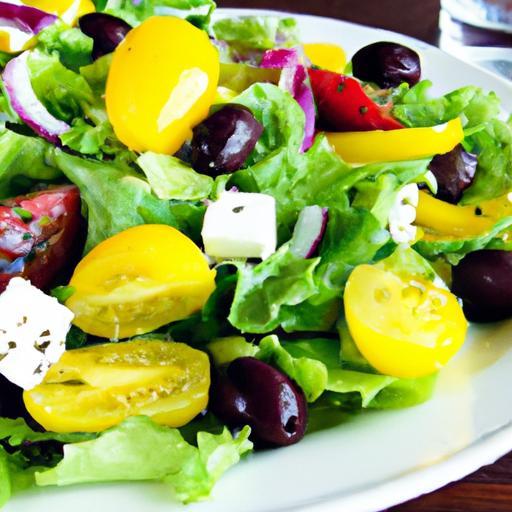

In the rush of daily living, meals often become mere pit stops-functional, familiar, and forgotten. But what if every bite held the promise of joy, every plate a canvas for creativity? Elevating everyday meals isn’t about elaborate recipes or rare ingredients; it’s about transforming the ordinary into the extraordinary, turning routine nourishment into moments of celebration. This article invites you on a flavorful journey to rediscover the magic in your kitchen, offering tips and inspiration to make each meal a delightful ritual that feeds both body and soul. Let’s reimagine what it means to dine daily and savor the art of everyday festivity.
Elevate Everyday Meals: Turning Routine into Celebration with a Fresh Garden Herb Pesto Pasta
Elevate everyday meals by embracing the lush vibrancy of fresh, seasonal ingredients that transform simple dishes into unforgettable experiences. This Garden Herb Pesto Pasta exemplifies how fresh-picked herbs and garden vegetables can turn a quick dinner into a vibrant celebration of flavor, color, and texture – perfect for those seeking to nourish both body and soul with minimal fuss but maximum impact.
Prep and Cook Time
- Prep Time: 15 minutes
- Cook Time: 12 minutes
- Total Time: 27 minutes
Yield
Serves 4 generously
Difficulty Level
Easy – Great for cooks of all skill levels wanting to elevate everyday meals
Ingredients
- 12 oz linguine pasta or your pasta of choice
- 1 cup fresh basil leaves, packed, rinsed and dried
- ½ cup fresh flat-leaf parsley, packed
- ¼ cup fresh chives, chopped roughly
- 1 cup packed baby spinach leaves
- 2 cloves garlic, peeled
- ½ cup toasted pine nuts (or walnuts for a heartier flavor)
- ¾ cup grated Parmesan cheese
- 1/3 cup extra virgin olive oil, plus more for drizzling
- Juice of ½ lemon
- Salt and freshly cracked black pepper, to taste
- 1 cup cherry tomatoes, halved
- 2 tbsp unsalted butter
- Microgreens or edible flowers (optional garnish)
Instructions
- Cook the pasta: Bring a large pot of salted water to a rolling boil. Add linguine and cook according to package instructions until al dente. Reserve 1 cup of pasta water, then drain the pasta and set aside. Toss with a drizzle of olive oil to prevent sticking.
- Prepare the pesto: In a food processor, combine basil, parsley, chives, spinach, garlic, pine nuts, and Parmesan. Pulse until finely chopped but not pureed.
- Slowly add olive oil: With the processor running, drizzle in olive oil until the mixture forms a creamy yet textured pesto. Add lemon juice, and season with salt and pepper.
- Sauté cherry tomatoes: In a large skillet over medium heat, melt butter, then add cherry tomatoes. Cook until they blister and soften, about 4-5 minutes, stirring occasionally to develop sweetness and depth.
- Combine pasta and pesto: Add cooked pasta to the skillet with tomatoes. Toss with pesto, adding reserved pasta water a few tablespoons at a time to loosen the sauce and create a silky coating.
- Adjust seasoning: Taste and add more salt, pepper, or lemon juice as needed to brighten flavors.
- Serve: Plate the pasta in shallow bowls, drizzle with extra olive oil, and sprinkle with microgreens or edible flowers for a spectacle of freshness and color.
Tips for Success
- Use the freshest herbs possible – harvesting them in the morning when their oils are most potent will boost flavors dramatically.
- Toast pine nuts gently in a dry pan until golden to enhance their nutty aroma.
- If you lack a food processor, finely chop the herbs and garlic then whisk them together with olive oil and cheese for a rustic pesto.
- Reserve pasta water is key to balancing pesto’s thick texture-add gradually to avoid diluting flavor.
- This pesto is perfect for make-ahead; store covered in the fridge for up to 2 days and bring to room temperature before tossing with pasta.
Serving Suggestions
For a complete elevated experience, serve this Garden Herb Pesto Pasta alongside a crisp white wine such as Sauvignon Blanc, which complements the herbal brightness beautifully. Accompany with a fresh arugula salad dressed with lemon vinaigrette and toasted almonds. Present your table with linen napkins, subtle candles, and a centerpiece of seasonal blooms to create an inviting ambiance that reflects the freshness of the dish. Adding personalized handwritten name cards or small herb pots as favors can make your gathering truly memorable.

Nutritional Information Per Serving
| Calories | Protein | Carbs | Fat |
|---|---|---|---|
| 480 kcal | 18 g | 55 g | 18 g |
For tips on utilizing fresh herbs in other kitchen staples, check out our related guide on Homemade Herb and Spice Blends. For an authoritative sourcing on the benefits of seasonal eating, visit the USDA ChooseMyPlate website.
Q&A
Q&A: Elevate Everyday Meals – Turning Routine into Celebration
Q1: Why should we think of everyday meals as an opportunity to celebrate?
A1: Everyday meals often get lost in the shuffle of busy schedules, but they’re powerful moments for connection and nourishment. By approaching them with intention and creativity, you transform routine into ritual, turning simple bites into joyful celebrations of life’s little pleasures.
Q2: What are some simple ways to elevate a regular meal at home?
A2: Start with the senses: use fresh herbs, vibrant colors, and varied textures. Set the table thoughtfully, light a candle, or play your favorite music. Even small touches like folding napkins creatively or plating food with care shift the experience from mundane to memorable.
Q3: How can cooking become a form of celebration rather than a chore?
A3: View cooking as a creative act-a chance to experiment, learn, and express love. Involve family or friends, try a new recipe, or embrace seasonal ingredients. The joy in cooking comes not just from feeding the body, but from nurturing the soul and connecting through shared effort.
Q4: Can elevating meals improve our relationship with food?
A4: Absolutely. When you treat meals as special occasions, you become more mindful of what and how you eat. This mindfulness fosters gratitude, better digestion, and a healthier attitude toward food-turning eating into an experience of pleasure rather than obligation.
Q5: What role does presentation play in making everyday meals feel festive?
A5: Presentation is the silent party host of your meal. Beautiful plating, colorful dishes, and thoughtful garnishes create anticipation and delight. They invite you to savor the moment and honor the food, reminding us that how we present sustenance is part of the nourishment itself.
Q6: Is it expensive or time-consuming to elevate daily dining?
A6: Not at all! Elevation is about intention and creativity, not cost or complexity. A handful of seasonal veggies, a sprinkle of spice, or a well-chosen playlist can make all the difference. Simple gestures repeated daily cultivate joy without demanding extra budgets or hours.
Q7: How can society benefit if more people elevate their everyday meals?
A7: When more individuals treat meals as celebrations, it ripples outward-strengthening family bonds, fostering cultural appreciation, and encouraging healthier eating habits. It cultivates a collective gratitude and presence that enriches community life and overall well-being.
Elevating everyday meals is less about extravagance and more about embracing the mindset that every moment around the table deserves to be cherished. It’s a joyful invitation to celebrate the extraordinary in the ordinary.
In Summary
As we’ve uncovered, transforming everyday meals into celebrations doesn’t require grand gestures or elaborate recipes-just a dash of creativity, a sprinkle of intention, and a pinch of joy. By embracing small rituals, thoughtful touches, and mindful appreciation, routine dining becomes a vibrant experience that nourishes not only the body but the soul. So next time you gather around the table, remember: every bite holds the potential to elevate the ordinary into something truly extraordinary. Celebrate the simple, savor the moment, and let every meal be a grateful occasion.