
There’s something magical about a spoonful of sorbet-vibrant, refreshing, and bursting with fruity zest. Yet, anyone who’s battled icy, rock-hard sorbet knows the chill can sometimes steal that velvety bliss. Fear not! Mastering the art of freezing your sorbet just right is the secret to keeping it irresistibly smooth and perfectly scoopable every time. In this guide, we’ll unravel the science behind sorbet’s frosty texture and share expert tips to transform your frozen treat from solid block to silky delight. Get ready to elevate your sorbet game and enjoy that ideal balance of chill and creaminess in every bite!
Freeze Your Sorbet: Tips to Keep It Smooth and Scoopable
Freeze your sorbet with finesse by understanding the delicate balance of ingredients, freezing methods, and storage secrets that make this icy delight irresistibly smooth and easy to scoop. Sorbet, with its origins tracing back to ancient Persia and later Italy, is a refreshing dessert that highlights pure fruit flavors without the creaminess of ice cream. Achieving the perfect scoopable texture, however, is a science and an art-one I’ve explored deeply in my culinary journey, witnessing the magic that the right technique imparts to this vibrant treat.
Prep and Cook Time
- Preparation: 15 minutes
- Chilling: 1 hour (before churning)
- Churning and freezing: 45 minutes
- Total Time: Approximately 2 hours
Yield
About 4 generous servings
Difficulty Level
Medium – Ideal for adventurous home cooks ready to master frozen treats
Ingredients
- 2 cups fresh fruit puree (mango, raspberry, or lemon works beautifully)
- 1 cup cold water
- 3/4 cup granulated sugar
- 2 tbsp fresh lemon juice (helps balance sweetness and retain texture)
- 1 tbsp light corn syrup (prevents large ice crystals)
- Pinch of fine sea salt
Instructions
- Mix the sugar and water: In a small saucepan, combine the granulated sugar and cold water. Heat gently over medium heat, stirring until the sugar dissolves completely. Remove from heat and let cool to room temperature. This simple syrup ensures an even sweetness and smooth mouthfeel.
- Prepare the fruit puree: Blend your chosen fresh fruit until smooth. If desired, strain through a fine mesh sieve to remove seeds and pulp for a silkier texture. The purity of the fruit is crucial for both flavor and texture.
- Combine ingredients: In a mixing bowl, fold the cooled simple syrup, fruit puree, fresh lemon juice, corn syrup, and a pinch of sea salt. The lemon juice adds brightness and acidity that enhances the sorbet’s natural fruitiness; the corn syrup acts as a natural anti-crystallizer.
- Chill the mixture: Cover and refrigerate for at least 1 hour, preferably overnight. A cold base mixture is essential to freeze your sorbet evenly and smoothly.
- Churn the sorbet: Pour the chilled mixture into an ice cream maker and churn according to manufacturer instructions, typically 25-30 minutes. This process incorporates air and breaks down ice crystals, crucial for that creamy texture.
- Freeze properly: Transfer the churned sorbet to an airtight container and smooth the surface with a spatula. Cover tightly and freeze for at least 2 hours to set completely while maintaining scoopability. Avoid freezing it for too long without stirring to prevent harsh ice crystals from forming.
- Before serving: Let the sorbet sit at room temperature for 5 minutes to soften slightly, making it easier to scoop without melting too quickly.
Tips for Success
- Use ripe and fresh fruit for the best natural sweetness and flavor intensity. Overripe fruits can yield watery sorbet that freezes with larger ice crystals.
- Adjust sweetness by testing the base mixture before chilling. Remember, flavors mellow when frozen.
- Avoid adding dairy or thickening agents if you want to preserve the light, icy texture unique to sorbet.
- For a smoother texture, incorporate a small amount of natural stabilizers like pectin or gelatin.
- Use an airtight container for freezing to protect the sorbet from freezer burn and flavor absorption.
- Scoop with a warm spoon or ice cream scoop dipped briefly in hot water for perfectly shaped servings.
Serving Suggestions
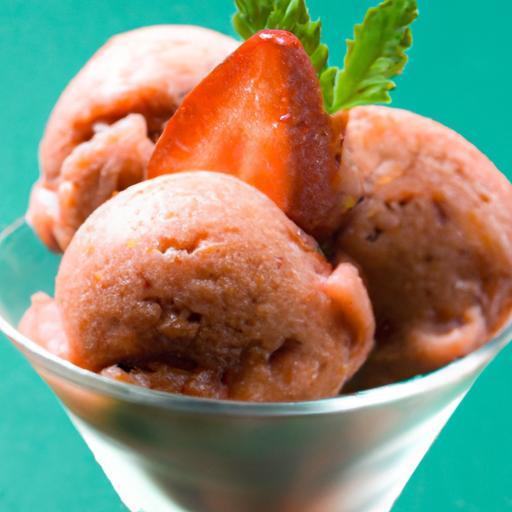
Present your sorbet in chilled bowls or elegant martini glasses for a refreshing summer treat. Garnish with:
- Fresh mint leaves to add a burst of herbal aroma.
- Thin citrus zest curls to highlight the brightness of lemon or orange sorbets.
- A dusting of edible flowers for a sophisticated visual contrast.
- A drizzle of complementary fruit coulis or a sprinkling of toasted coconut flakes for texture.
| Nutrient | Amount per Serving |
|---|---|
| Calories | 110 kcal |
| Protein | 0.5 g |
| Carbohydrates | 28 g |
| Fat | 0 g |
For more inspiration on frozen desserts, check out our best ice cream recipes post that dives deeper into creamy frozen delights. By freezing your sorbet with these expert tips, you’ll consistently craft a refreshingly smooth dessert that invites second helpings and showcases fruit at its purest.

Q&A
Q&A: Freeze Your Sorbet – Tips to Keep It Smooth and Scoopable
Q1: Why does my homemade sorbet often turn icy and hard instead of smooth?
A1: Sorbet’s icy texture usually comes from large ice crystals forming during freezing. Without enough agitation or the right balance of ingredients, water molecules clump together, creating a coarse, icy texture instead of a creamy smoothness.
Q2: How can I prevent ice crystals from taking over my sorbet?
A2: The secret lies in controlling ice crystal formation. Constant stirring or churning as it freezes breaks up crystals before they grow large. Adding ingredients like sugar, fruit purée, or even a splash of alcohol helps lower the freezing point and keeps crystals tiny and delicate.
Q3: Can I freeze sorbet without an ice cream maker and still keep it scoopable?
A3: Absolutely! Freeze your sorbet in a shallow, airtight container and stir vigorously every 30 minutes for the first couple of hours. This manual churning mimics the ice cream maker’s action, scrubbing down ice crystals as they form, resulting in a smoother texture.
Q4: Does the sugar content affect how smooth my sorbet turns out?
A4: Yes, sugar acts as an antifreeze agent. Too little sugar and the sorbet becomes rock hard; too much and it might not freeze properly. Aim for a balanced ratio that sweetens your fruit purée while keeping the texture dreamy and scoopable-usually between 15-20% sugar by weight of the base.
Q5: Is there a role for alcohol in sorbet?
A5: A small splash of alcohol can be magical! Since alcohol doesn’t freeze solid, it disrupts ice crystal formation and contributes to a velvety finish. Just be careful not to add too much-it can prevent the sorbet from freezing fully.
Q6: How should I store sorbet after freezing to maintain its perfect scoopability?
A6: Keep it airtight and stored at a consistent freezing temperature. Avoid temperature fluctuations, which cause ice crystals to melt and refreeze, ruining texture. When ready to serve, let the sorbet sit at room temperature for 3-5 minutes before scooping for that perfect creamy softness.
Q7: What’s the best way to scoop hard sorbet without smashing it?
A7: Use a warm scoop dipped briefly in hot water and shaken dry. This allows the scoop to glide through the sorbet effortlessly, forming clean, beautiful scoops without bending your spoon or crushing your creation.
With these tips in your kitchen toolkit, your sorbet will be irresistibly smooth, refreshingly fruity, and perfectly scoopable every time!
Insights and Conclusions
Freezing your sorbet to perfection is both an art and a science, but with these tips in your culinary toolkit, you’re well on your way to silky-smooth, scoop-ready delights every time. From mastering the chill to mastering texture, each step helps preserve that refreshing burst of flavor without the icy crunch. So next time you whip up your favorite fruity blend, remember: a little patience and technique are all it takes to transform your sorbet into a scoopable masterpiece. Freeze smart, serve cool, and let every spoonful transport you to a world of frozen bliss.