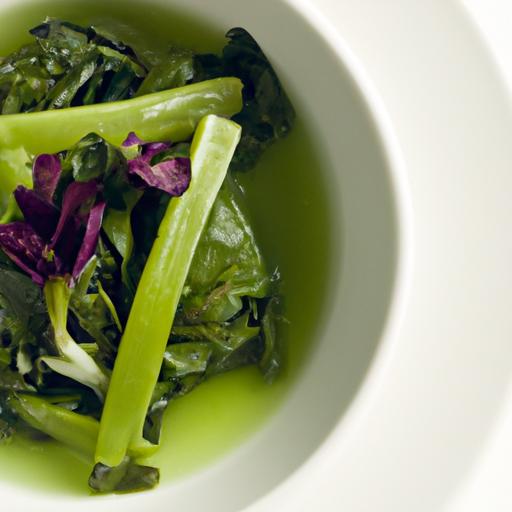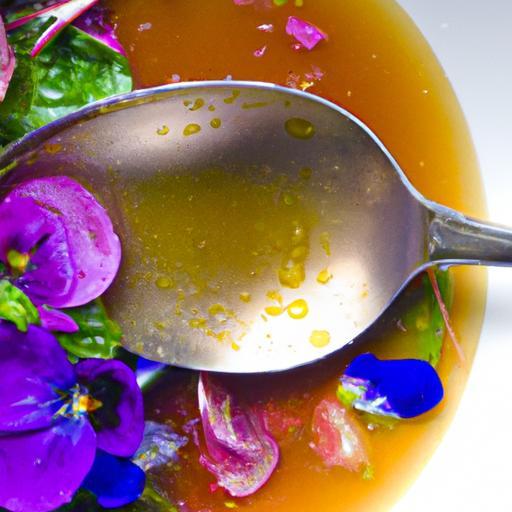

As the earth bursts into vibrant hues and gardens awaken with fresh growth, spring offers more than just a change in scenery-it brings an opportunity to breathe new life into the kitchen. In the spirit of renewal, why not transform overlooked vegetable scraps into a fragrant, nourishing spring vegetable stock? This humble elixir, crafted from the remnants of your produce, embodies the essence of sustainability and creativity. Join us as we explore how to turn everyday kitchen scraps into a fresh beginning, infusing your cooking with the bright, clean flavors of the season while reducing waste-proving that even the smallest leftovers can spark something truly delicious.
Unlocking Flavors: Selecting and Preparing the Perfect Spring Scrap Ingredients
Fresh Beginnings: Crafting Spring Vegetable Stock from Scraps is not only a nourishing ritual but also a beautiful way to celebrate the bounty of spring using every last bit of your garden-fresh produce. This approach transforms humble vegetable remnants into a vibrant, flavorful stock that embodies the essence of the season. Personally, I treasure the moment when a simple pot of simmering scraps fills the kitchen with the fragrant aroma of tender young carrots, crisp celery leaves, and fresh herbs, reminding me of how delicious sustainability can be.
Prep and Cook Time
- Preparation: 10 minutes
- Simmering: 45-60 minutes
- Total Time: 1 hour 10 minutes
Yield
Approximately 6 cups (1.5 liters) of vibrant spring vegetable stock
Difficulty Level
Easy – perfect for both beginners and culinary pros seeking to reduce waste and add depth to their cooking.
Ingredients
- 4 cups assorted spring vegetable scraps (e.g., carrot peels, celery leaves, trimmed green beans)
- 1 medium onion, quartered (include outer layers for extra depth)
- 2 cloves garlic, smashed
- 1 small leek, cleaned and roughly chopped (white and light green parts only)
- 1 cup fresh herbs, loosely packed (parsley stems, thyme sprigs, and chive ends)
- 8 cups cold filtered water
- 1 teaspoon whole black peppercorns
- 1 bay leaf
- Pinch of sea salt (optional, adjust to taste at the end)
Instructions
- Gather & Rinse: Thoroughly rinse all vegetable scraps to remove dirt but maintain their vibrant freshness.
- Prepare Your Pot: Place the scraps, onion, garlic, leek, and herbs into a large stockpot. Pour in the 8 cups of cold filtered water, covering the ingredients by about an inch.
- Simmer Gently: Bring the pot to a gentle boil over medium heat. Immediately reduce to a low simmer to preserve freshness and delicate flavors.
- Add Seasonings: Toss in the peppercorns and bay leaf. Avoid adding salt now-it’s best to season dishes cooked with the stock later.
- Slow and Steady: Let the stock simmer uncovered for 45 to 60 minutes, stirring occasionally. Keep the heat low to avoid a cloudy consistency and bitter flavors.
- Strain & Store: Carefully strain the stock through a fine-mesh sieve into a clean container. Press the solids gently with a spoon to extract every drop of goodness.
- Cool and Refrigerate: Allow the stock to cool to room temperature before refrigerating or freezing in airtight containers or ice cube trays for versatile use.
Chef’s Notes: Tips for Success
- Diversity is key: Incorporate a colorful variety of spring scraps but avoid bitter vegetables like kale or broccoli stalks to keep the stock smooth and fresh.
- Quality water: Use filtered water as it directly influences the purity of your stock’s flavor.
- Herbaceous harmony: Parsley stems are your secret weapon to brighten and deepen the stock’s complexity without overpowering it.
- Avoid over-boiling: A rolling boil can emulsify fats and cause cloudiness; maintaining a gentle simmer preserves clarity and taste.
- Freeze in portions: Freeze in one-cup or half-cup portions for quick recipe boosts anytime.
Serving Suggestions
Homemade spring vegetable stock shines as the foundation for light, fresh soups like a pea and mint bisque or a delicate spring mushroom risotto. It’s also an exciting broth for poaching tender proteins or enriching grain cookery such as quinoa or barley. Garnish finished dishes with freshly chopped herbs, a drizzle of vibrant olive oil, or edible flowers to honor the season’s freshness.
 crafting spring vegetable stock from scraps simmering in pot” class=”wp-image-vegetable-stock” />
| Nutrient | Per Cup (Approx.) |
|---|---|
| Calories | 15 |
| Protein | 1g |
| Carbohydrates | 3g |
| Fat | 0g |
For an extended guide on vegetable stock variations and creative recipes, visit this internal resource. Additionally, consult Serious Eats’ expert vegetable stock tutorial for advanced techniques and industry tips.
Q&A
Q&A: Fresh Beginnings – Crafting Spring Vegetable Stock from Scraps
Q1: What makes spring vegetable stock different from any other vegetable stock?
A1: Spring vegetable stock captures the vibrant, delicate essence of the season’s freshest produce. It’s lighter, brighter, and filled with the subtle floral and grassy notes of young greens and early harvest scraps, unlike the heavier, earthier stocks of fall or winter.
Q2: Why use vegetable scraps to make stock? Isn’t fresh produce better?
A2: Using scraps is a clever way to transform what would be kitchen cast-offs-like carrot tops, onion skins, and wilted spinach stems-into a flavorful liquid gold. It’s not only sustainable and economical but also imparts a complex depth that fresh, whole vegetables alone can’t always achieve.
Q3: Which spring vegetable scraps are best for stock-making?
A3: Think of the spring garden’s bounty: pea pods, asparagus tips and ends, fennel fronds, radish greens, young leek greens, and the ever-handy carrot and celery tops. Avoid anything bitter or overly tough, and you’ll have a fresh, nuanced stock base.
Q4: How do you prepare these scraps to maximize flavor?
A4: Rinse your scraps well but don’t peel away their character-skins and stems hold powerful flavors. Chop or lightly bruise harder items to release their essence. Simmer gently with aromatics like garlic, peppercorns, and fresh herbs for about 30-45 minutes-overcooking can dull those crisp spring notes.
Q5: Can I freeze spring vegetable stock made from scraps?
A5: Absolutely! Pour the cooled stock into ice cube trays or freezer-safe containers. This way, you can pop out a cube or two whenever you want to brighten a sauce, soup, or risotto. It’s a fresh spring breeze preserved all year long.
Q6: Any tips for making the process more enjoyable and creative?
A6: Turn scrap collection into a mindful ritual-notice the subtle differences in your kitchen peelings as they change with the seasons. Experiment by blending unexpected scraps or infusing your stock with a hint of fresh herbs like tarragon or mint. It’s cooking alchemy at its most sustainable and delightful.
Q7: What culinary adventures await with homemade spring vegetable stock?
A7: This vibrant stock is a foundation for spring soups, light risottos, and sauces for steamed fish or grilled vegetables. It elevates the everyday, wrapping every dish in the fresh promise of new beginnings that only spring can deliver.
The Way Forward
As the last simmer fades and the vibrant broth settles, you hold more than just a pot of spring vegetable stock-you cradle a testament to mindful cooking and the magic of fresh beginnings. From humble scraps to a golden elixir, this simple process not only breathes new life into forgotten peels and ends but also celebrates the season’s renewal in every fragrant spoonful. So next time you prep your favorite spring dishes, remember: those little leftovers are more than waste-they’re the root of something wonderfully fresh, flavorful, and sustainable. Here’s to crafting nourishment that honors both the earth and your kitchen, one vegetable scrap at a time.