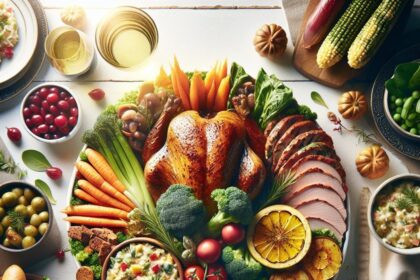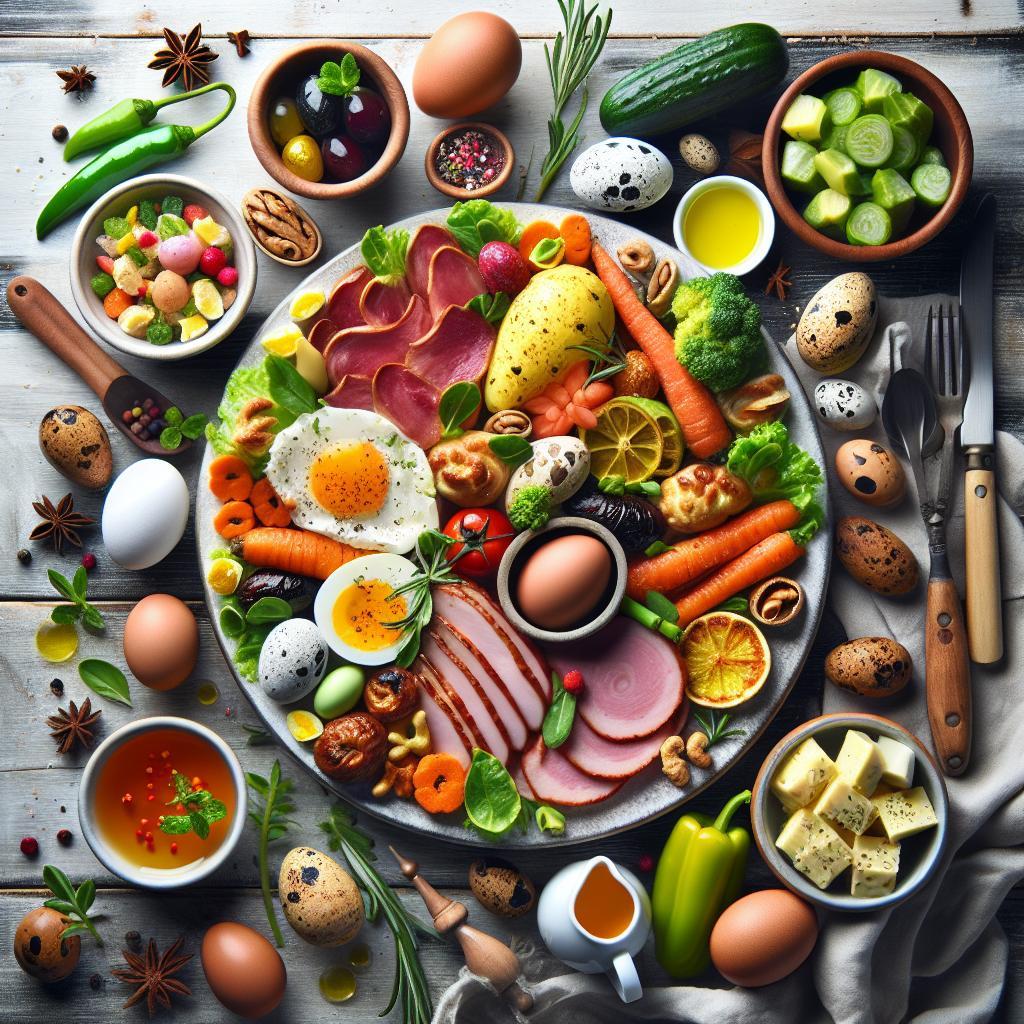

As spring breathes new life across the globe, families gather to celebrate Easter with customs as vibrant and diverse as the cultures that cherish them. From colorful egg hunts in sunlit gardens to savory feasts that tell stories of heritage and hope, Easter is more than just a holiday-it’s a culinary journey through tradition and taste. Join us as we explore “Global Easter Eats: Traditions That Delight the World,” uncovering the delicious dishes and heartfelt rituals that make this season’s celebrations uniquely flavorful and universally joyful.
Rustic Italian Lamb Agnello Pasquale: A Taste of Tradition
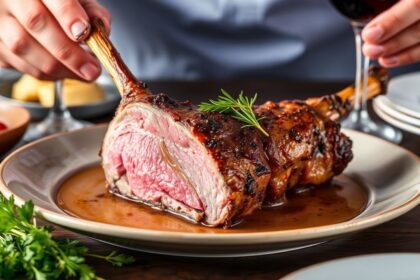
Global Easter Eats: Traditions That Delight the World begin with this iconic Italian lamb dish, Agnello Pasquale, often enjoyed during family gatherings in the heart of Tuscany and Umbria. This celebrated recipe embodies the essence of spring flavors, marrying tender spring lamb with fragrant herbs and local olive oil-a festive symbol of renewal and togetherness. I still recall my first Easter in Florence, where this dish was the star of the table, evoking warmth, rich history, and rustic charm with each bite.
Prep and Cook Time
Preparation Time: 20 minutes | Cooking Time: 1 hour 30 minutes
Yield
Serves 6-8 people, perfect for a family-style Easter feast.
Difficulty Level
Medium – Requires attention to roasting times but straightforward for those with basic roasting skills.
Ingredients
- 4 lbs bone-in leg of lamb, trimmed of excess fat
- 6 cloves garlic, thinly sliced
- 2 tbsp fresh rosemary, chopped
- 2 tbsp fresh thyme leaves
- 1 tbsp fennel seeds, toasted and crushed
- 1/4 cup extra-virgin olive oil
- 1 cup dry white wine
- 1 cup low-sodium chicken broth
- Salt and freshly ground black pepper, to taste
- Zest of 1 lemon
- 1 large onion, quartered
- 2 large carrots, cut into chunks
- 2 stalks celery, cut into chunks
Instructions
- Preheat the oven to 375°F (190°C). Pat the leg of lamb dry with paper towels; this ensures a crispy exterior during roasting.
- Prepare the herb-garlic paste: In a small bowl, combine the garlic slices, chopped rosemary, thyme leaves, crushed fennel seeds, lemon zest, salt, and black pepper. Mix in olive oil to create a paste.
- Make small incisions all over the lamb with a sharp paring knife. Stuff the garlic-herb paste into these slits alongside some garlic slices for enhanced flavor.
- Place the lamb onto a roasting pan surrounded by the onion, carrots, and celery. Pour chicken broth and white wine into the base; this will keep the lamb moist and create a pan sauce.
- Roast the lamb for approximately 1 hour and 30 minutes, or until a meat thermometer inserted into the thickest part reads 135°F (57°C) for medium-rare. Baste every 20 minutes with pan juices to develop a caramelized crust.
- Let the lamb rest loosely covered with foil for 15 minutes before carving. Resting ensures the juices redistribute, keeping the meat juicy.
- Slice and serve with roasted vegetables from the pan and garnish with fresh rosemary sprigs for a festive presentation.
Chef’s Notes
- For a milder flavor, substitute garlic slices with garlic powder and reduce the amount by half.
- Make-ahead tip: Prepare the herb-garlic paste and marinate the lamb overnight in the refrigerator for deeper flavor infusion.
- If preferred, lamb can be braised instead of roasted to ensure even tenderness-just cover the pan with foil and cook at 325°F (163°C) for 2-2.5 hours.
- Leftovers transform beautifully into sandwiches or salads, dressed lightly with mustard and arugula.
Serving Suggestions
Present this exquisite lamb leg with traditional sides like creamy polenta, sautéed spring greens, or crispy roasted potatoes. A glass of Chianti or a bold Sangiovese pairs beautifully, balancing the richness and highlighting Mediterranean terroir. For garnish, scatter fresh lemon zest and micro herbs atop the sliced meat, and serve with warm, crusty bread to soak up the luscious pan sauce.
| Nutrient | Per Serving |
|---|---|
| Calories | 450 kcal |
| Protein | 52 g |
| Carbohydrates | 6 g |
| Fat | 24 g |

Explore more traditional Easter dishes like Spanish Torrijas for an inspiring sweet contrast. For an in-depth history of Italian culinary customs, visit Britannica’s Italian Cuisine.
Q&A
Q&A: Global Easter Eats – Traditions That Delight the World
Q1: What makes Easter food traditions around the world so unique?
A1: Easter food traditions are a vibrant tapestry woven from centuries of culture, faith, and local flavors. Each country adds its own delicious twist, mixing history with beloved seasonal ingredients to create dishes that are both symbolic and scrumptious. From savory pies to sweet confections, these eats tell stories of renewal, celebration, and togetherness.
Q2: Can you give examples of standout Easter dishes from various countries?
A2: Absolutely! In Italy, the iconic Colomba di Pasqua-a dove-shaped sweet bread studded with almonds-symbolizes peace and resurrection. Meanwhile, in Greece, Tsoureki takes center stage, a braided bread flavored with mahleb and adorned with red-dyed eggs representing the blood of Christ. Over in Poland, families enjoy Babka, a tall, moist cake often filled with raisins or topped with a sugary glaze. Each dish is a feast for the senses and the soul.
Q3: How do Easter foods reflect the deeper meanings of the holiday?
A3: Many Easter foods are rich with symbolism. Eggs, which appear in almost every tradition, stand as ancient icons of fertility and new life, mirroring the resurrection theme. Lamb, often served in Mediterranean countries, recalls the “Lamb of God” motif. Even sweet treats like the hot cross buns of the UK bear the cross on top, reminding eaters of Christ’s sacrifice. The foods become edible prayers and cultural expressions rolled into one.
Q4: Are there any special drinks associated with Easter celebrations globally?
A4: Indeed, drinks play a lovely supporting role. In Mexico, for example, the refreshing Agua de Jamaica (hibiscus flower iced tea) is common during Easter festivities. In Eastern Europe, traditional fruit wines or homemade liqueurs accompany the feast. Italy’s sparkling wines or Moscato add bubbly joy to the meal. These beverages perfectly complement the festive dishes, enhancing the communal spirit.
Q5: How can someone bring a bit of global Easter flavor into their own celebration?
A5: Start by exploring recipes that resonate with your taste buds-perhaps bake a braided Tsoureki or try your hand at a Polish Babka. Incorporate symbolic elements like dyed eggs or invite friends to share dishes from their heritage. You can also create a tasting menu celebrating different countries, mixing savory and sweet delights. The key is to honor tradition while savoring the joy of discovery and sharing.
Q6: Why is it important to learn about and celebrate diverse Easter food traditions?
A6: Delving into global Easter eats opens a window to the world’s rich cultural mosaic. It fosters respect, curiosity, and connection by showing how universal themes like hope and renewal can be expressed in countless delicious ways. Celebrating these traditions together nurtures community and enriches our own understanding of fiesta, faith, and family around the globe.
Enjoy this flavorful journey as Easter’s culinary heart beats in kitchens everywhere-inviting all to taste the world’s joy and renewal!
Future Outlook
As we hop across continents and cultures, one thing becomes clear: Easter is more than just a date on the calendar-it’s a vibrant celebration of renewal, family, and of course, food. From the sweet, syrup-soaked pastries of Greece to the savory lamb dishes of the Mediterranean, each tradition offers a delicious window into the heart of its people. These global Easter eats remind us that while ingredients and recipes may vary, the joy of gathering around the table to share in heritage and happiness is truly universal. So this Easter, whether you’re nibbling on a classic Hot Cross Bun or savoring a colorful Russian paskha, take a moment to appreciate the rich tapestry of flavors that connect us all across the globe. After all, every bite tells a story-one worth celebrating year after year.