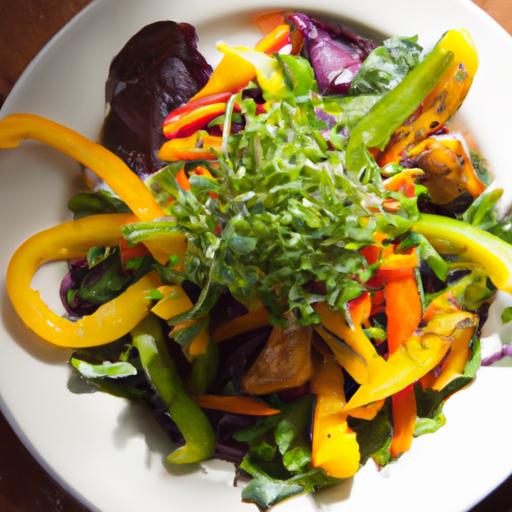
As the vibrant colors of spring burst forth from garden beds and farmers’ markets, our taste buds yearn for fresh, crisp flavors that celebrate the season’s bounty. Enter the world of herbs-a fragrant symphony that can transform humble spring vegetables into dazzling dishes. From the peppery bite of arugula’s companion basil to the zesty zing of lemon thyme, herbs are the secret ingredient that elevate everyday meals into culinary masterpieces. In this article, we’ll explore the top herb picks that harmonize perfectly with your spring veggies, unlocking new layers of flavor and freshness in every bite. Get ready to awaken your garden-to-table creations with nature’s most aromatic allies!
Herb Harmony: Unlocking the Flavors of Fresh Herbs with Spring Vegetables
Herb Harmony is a delightful way to celebrate the freshness of spring’s bounty by combining vibrant garden herbs with the crisp, tender vegetables of the season. This approach not only elevates simple veggie dishes but also brings a sensory burst of fragrant, earthy, and lively flavors that define the essence of spring cooking. From my earliest memories growing up with a kitchen garden, I’ve found that the secret to truly memorable spring dishes lies in the balance of herbaceous notes harmonizing with fresh produce. Let’s embark on a flavorful journey by exploring essential herbs and clever pairings that transform everyday vegetables into an inspired culinary experience.
Prep and Cook Time
- Preparation: 15 minutes
- Cooking: 20 minutes
- Total Time: 35 minutes
Yield
Serves 4 as a vibrant side dish or light main course
Difficulty Level
Easy to Medium – Perfect for home cooks looking to enhance spring meals with fresh, garden-inspired flavors
Ingredients
- 1 bunch asparagus, trimmed and cut into 2-inch pieces
- 1 cup cherry tomatoes, halved
- 1 cup sugar snap peas, trimmed
- 2 tablespoons extra-virgin olive oil
- 3 cloves garlic, minced
- 2 tablespoons fresh basil leaves, torn
- 2 tablespoons fresh tarragon, finely chopped
- 1 tablespoon fresh chives, sliced thin
- 1 tablespoon fresh parsley, finely minced
- 1 teaspoon lemon zest, freshly grated
- Salt and freshly ground black pepper, to taste
- 1 tablespoon toasted pine nuts (optional for garnish)
Instructions
- Blanch the Vegetables: Bring a large pot of salted water to a boil. Add the asparagus and sugar snap peas, blanch for 2 minutes until bright green and slightly tender. Immediately plunge into an ice bath to halt cooking and preserve color.
- Sauté the Garlic: Heat olive oil in a large skillet over medium heat. Add minced garlic and sauté until fragrant, about 1 minute, stirring constantly to avoid burning.
- Toss in the Vegetables: Drain the cooled asparagus and peas. Add them to the skillet with garlic and sauté gently for 3-4 minutes until warmed through, stirring occasionally.
- Add Cherry Tomatoes and Herbs: Stir in halved cherry tomatoes, fresh basil, tarragon, chives, and parsley. Cook for another 2 minutes, allowing the tomatoes to soften slightly and the herbs to release their aroma.
- Season and Finish: Sprinkle lemon zest, salt, and pepper to taste. Toss to combine everything evenly and finish with a drizzle of olive oil for a luxurious sheen.
- Plate and Garnish: Transfer to serving plates and scatter toasted pine nuts on top for a delicate crunch and nutty contrast.
Chef’s Notes: Tips for Success
- For an added depth of flavor, gently crush fresh herbs with your fingers before adding them; this releases essential oils and intensifies aroma.
- If you prefer a milder garlic flavor, roast the garlic cloves beforehand and add them mashed at the end.
- Try swapping tarragon with fresh dill for a different but equally spring-forward herb note.
- This dish can be prepared ahead and served at room temperature, making it perfect for spring picnics or light dinners.
- Adjust herb quantities based on freshness and potency – fresher herbs may need less to achieve a balanced flavor.
Serving Suggestions
This Herb Harmony medley pairs beautifully with grilled lemon chicken, pan-seared fish, or as a vibrant topping for warm quinoa or farro bowls. For a vegetarian twist, add crumbled goat cheese or dollops of fresh ricotta to enhance creaminess. Garnish with edible flowers like nasturtiums or pansies to visually amplify the springtime appeal. Serve with crusty bread to soak up the herbaceous olive oil.
| Nutrient | Per Serving |
|---|---|
| Calories | 110 kcal |
| Protein | 4 g |
| Carbohydrates | 10 g |
| Fat | 7 g |

Discover more ways to enhance seasonal dishes by visiting our Seasonal Herb Guides for detailed planting and pairing recommendations. For science-backed tips on herb cultivation and nutrient benefits, explore Gardening Know How’s expert herb resources.
Q&A
Q&A: Herb Harmony – Top Picks to Elevate Your Spring Veggies
Q1: Why should I add herbs to my spring vegetable garden?
A1: Herbs are nature’s flavor bombs! They not only brighten your veggies with vibrant tastes and aromas but also boost growth, deter pests, and invite beneficial insects. Adding herbs creates a delicious, harmonious ecosystem right in your garden.
Q2: Which herbs are the best companions for spring vegetables?
A2: Basil, chives, dill, and parsley are some of the stars of the spring garden. Basil partners beautifully with tomatoes and peppers, chives enhance carrots and potatoes, dill loves pairing with cucumbers and lettuce, and parsley adds zest to nearly everything.
Q3: Can herbs improve the flavor of my veggies?
A3: Absolutely! Herbs don’t just add flavor-they elevate the entire eating experience. Freshly picked herbs sprinkled over roasted asparagus or steamed green beans can make simple veggies sing on your palate.
Q4: How do I plant herbs with my vegetables to maximize harmony?
A4: Think of your garden as a community. Plant herbs near veggies that benefit from their scent or pest-repelling magic. For example, thyme planted near cabbage can help ward off cabbage worms, while mint’s strong aroma keeps aphids at bay (but plant mint in pots to prevent it from taking over!).
Q5: What’s a creative way to harvest and use herbs with spring veggies?
A5: Try making your own herb-infused vinaigrettes or pestos right from the garden! Or, harvest fresh sprigs of herbs and weave them into butter or olive oil. Drizzle these over steamed or grilled spring veggies for an instant flavor boost.
Q6: Are there any herbs that also support garden health?
A6: Yes! Marigold, often grown alongside herbs, is a powerful pest deterrent, but herbs like rosemary and sage also repel unwanted insects. Incorporating these aromatic friends encourages healthy, thriving vegetable plants with less need for chemicals.
Q7: Can I use dried herbs to elevate my spring veggies if fresh herbs aren’t available?
A7: While fresh herbs have the brightest, boldest flavors, dried herbs still pack punch and can bring depth to your dishes. Just use them more sparingly-dried herbs are concentrated, so a pinch goes a long way in brightening your spring meals.
Q8: What’s your favorite herb-veggie pairing for spring?
A8: We’re smitten with dill and fresh peas-dill’s delicate anise notes perfectly complement the sweet crunch of young peas. Add a squeeze of lemon and a drizzle of olive oil, and you’ve got a springtime game changer on your plate!
Harness the magic of herbs this spring and watch your veggies transform from simple to spectacular. Herb harmony isn’t just a trend-it’s the secret ingredient your garden and kitchen have been craving!
Wrapping Up
As the warmth of spring breathes new life into your garden, the thoughtful addition of herbs can transform your humble veggies into vibrant culinary masterpieces. From the peppery zing of basil to the citrusy brightness of thyme, these herbal allies not only enhance flavor but also invite a symphony of aromas and health benefits to your plate. Embrace the harmonious blend of nature’s finest offerings, and watch your spring harvest flourish with fresh, fragrant flair-because when herbs and veggies unite, every meal becomes a celebration of the season’s full potential.