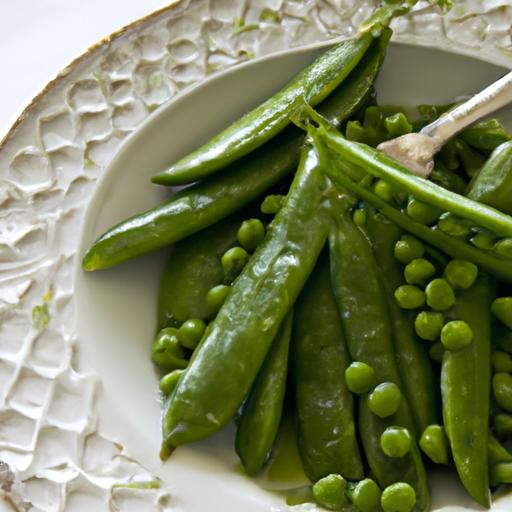
Spring peas are nature’s tiny green jewels-bursting with sweetness, vibrant color, and fresh garden goodness. But what if you could capture that fleeting freshness and savor it well beyond the season? Welcome to the ultimate guide to freezing spring peas, where we unlock the secrets to preserving their crisp texture, bright flavor, and nutrient-packed punch. Whether you’re a seasoned gardener, a home cook with a passion for seasonal produce, or simply looking to reduce waste while maximizing taste, this guide will walk you through everything you need to know. From picking the perfect pods to blanching, freezing, and storing, get ready to keep fresh the vibrant essence of spring peas all year round.
Keep Fresh with the freshest spring peas by selecting the perfect pods for peak flavor and texture-this is where your journey to vibrant, sweet, and tender peas begins. Look for pods that are bright green, crisp, and plump with evenly sized peas inside. Avoid any that feel soft, wrinkled, or show signs of yellowing, as freshness directly influences the quality after freezing.
Prep and Cook Time
Preparation: 10 minutes
Blanching: 2 minutes
Cooling and Drying: 5 minutes
Total: 17 minutes
Yield
Approximately 4 cups of blanched and frozen spring peas.
Difficulty Level
Easy – perfect for beginner and experienced cooks aiming to preserve the essence of spring in their freezer.
Ingredients
- 4 cups fresh spring peas, shelled
- Water, enough to boil and ice bath
- Ice cubes, for ice bath
- 1 tsp salt, optional for blanching water to enhance pea sweetness
- Freezer-safe airtight containers or resealable bags
Instructions
- Select and shell bright green, firm peas from pods. Rinse thoroughly under cold running water to remove any dirt or debris.
- Bring a large pot of water to a rolling boil. Add 1 tsp of salt to subtly enhance the peas’ natural sweetness.
- Prepare an ice bath by filling a large bowl with cold water and ice cubes. This will halt the cooking process instantly after blanching.
- Place the shelled peas in the boiling water and blanch for exactly 2 minutes. Timing is key-too long and peas lose their vibrant color and crispness, too short and enzymes won’t deactivate.
- Immediately transfer the peas to the ice bath to cool for 5 minutes. This locks in their sweetness and the brilliant green hue, creating a visually stunning and flavorful result.
- Drain well and pat dry using clean kitchen towels or paper towels to remove excess moisture before freezing.
- Portion peas into freezer-safe airtight containers or resealable bags, pressing out as much air as possible to prevent freezer burn and maintain peak freshness.
- Label with date and freeze flat for easy stacking and long-lasting freshness up to 12 months.
Chef’s Notes
- For sweeter peas, choose locally harvested peas early in the season when they’re freshly picked.
- Avoid skipping blanching-it’s essential for preserving color, texture, and vital nutrients.
- Blanched peas freeze beautifully without clumping when laid flat on a baking sheet in the freezer for 1 hour before transferring to bags.
- If short on time, dry peas thoroughly and flash freeze on parchment before bagging for easier portioning later.
- For ultimate convenience, freeze peas in ½ cup portions, ideal for adding directly to soups and stir-fries.
Serving Suggestions
Once your peas are thawed, toss them with a drizzle of extra virgin olive oil, a pinch of sea salt, and fresh cracked black pepper for a crisp, fresh side dish. Garnish with mint leaves or shaved Parmesan for a delightful flavor pop. These sweet green gems also elevate pastas, risottos, and vibrant spring salads, bringing a refreshing burst of color and sweetness year-round.

| Nutrient | Per 100g |
|---|---|
| Calories | 81 kcal |
| Protein | 5.4 g |
| Carbohydrates | 14.5 g |
| Fat | 0.4 g |
For more tips on freezing fresh vegetables and preserving their vibrant flavors, check out our article on Best Practices for Freezing Vegetables. Additionally, the USDA provides authoritative guidance on blanching techniques to maximize nutrient retention in frozen produce here.
Q&A
Q&A: Keep Fresh – The Ultimate Guide to Freezing Spring Peas
Q1: Why should I bother freezing spring peas when I can just buy frozen ones from the store?
A1: Freshly frozen spring peas taste worlds apart from store-bought ones-they keep their vibrant sweetness, snap, and color because you’re freezing them at peak freshness. Plus, you control the process, ensuring no unwanted additives sneak in. It’s like bottling a bite of springtime!
Q2: When is the best time to freeze spring peas?
A2: Timing is everything. For peak flavor and nutrition, freeze your peas as soon as possible after harvesting or buying fresh-ideally within a few hours. Peas are sweetest and most tender in early spring, so act quickly to capture that fresh-from-the-garden magic before it fades.
Q3: How do I prepare spring peas for freezing?
A3: Start by shelling your peas-easy but therapeutic! Next, blanch them in boiling water for 1-2 minutes to lock in flavor and color, then plunge them into ice water to stop the cooking. This quick blitz preserves their vibrant green hue and fresh taste, setting them up for delicious future dishes.
Q4: Can I freeze spring peas without blanching?
A4: You can, but it’s a gamble. Without blanching, peas may lose their charming snap and turn dull or mushy over time. Blanching is the magical moment that helps peas keep their personality intact in the freezer-that little time investment pays off every time.
Q5: What’s the best way to store frozen peas once they’re prepared?
A5: Pack blanched peas into airtight containers or heavy-duty freezer bags. Remove as much air as possible to prevent freezer burn. Label with the date, then keep frozen at 0°F (-18°C) or lower. For peak quality, enjoy within 8-12 months-though they’ll be safe to eat beyond that!
Q6: How do I thaw frozen spring peas for recipes?
A6: The secret? Often, no thawing is needed! Toss frozen peas straight into hot soups, pastas, or stir-fries-they’ll cook quickly and maintain their fresh essence. If you prefer to thaw, do it gently in the fridge or under cold running water to keep peas firm.
Q7: Any creative tips for using frozen spring peas?
A7: Absolutely! Throw them into pesto, blend into vibrant pea hummus, or fold into spring risotto. Frozen peas make a colorful, sweet burst in smoothies, salads, or even as a quick side sautéed in garlic butter. Let your kitchen adventures bloom!
Q8: Can the freezing process impact the nutritional value of spring peas?
A8: While some vitamin C may dip slightly during blanching and freezing, overall, frozen peas retain the bulk of their nutrients. Freezing soon after picking actually locks in their goodness better than lettings peas sit around fresh. It’s a smart way to snack on spring’s health perks year-round!
Q9: What if I want to freeze peas straight from the pod, unblanched?
A9: It’s not recommended. Peas freeze best after shelling and blanching since the pod can become tough and fibrous. If you want to freeze pods for later use as fresh peas, it’s better to use them in recipes where texture isn’t crucial, like soups or purees.
Q10: Any final words of wisdom for pea preservation novices?
A10: Embrace the chill! Freezing your spring peas is like hitting pause on nature’s vibrant symphony. By prepping with care, you ensure every winter bite bursts with the freshness of spring’s harvest. Keep experimenting, and let your freezer become a treasure trove of garden goodness!
Future Outlook
As the vibrant taste of spring peas fades all too quickly with the season, freezing offers a simple, effective way to capture that fleeting freshness and bring it back to life whenever you need. With the tips and techniques explored in this guide, you’re now equipped to preserve those tiny green gems at their peak-locking in their sweetness, texture, and nutrients for months to come. So go ahead, harvest that spring bounty with confidence, knowing that a freezer full of vibrant peas is just a thaw away, ready to brighten your meals long after the season has passed. Keep fresh, keep green, and let every frozen pea tell the story of spring’s abundance well into winter’s chill.