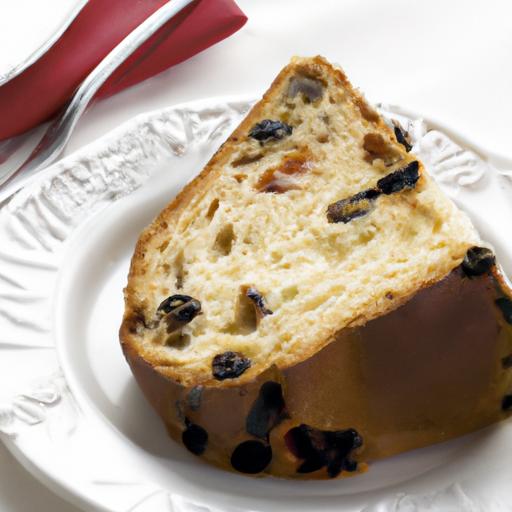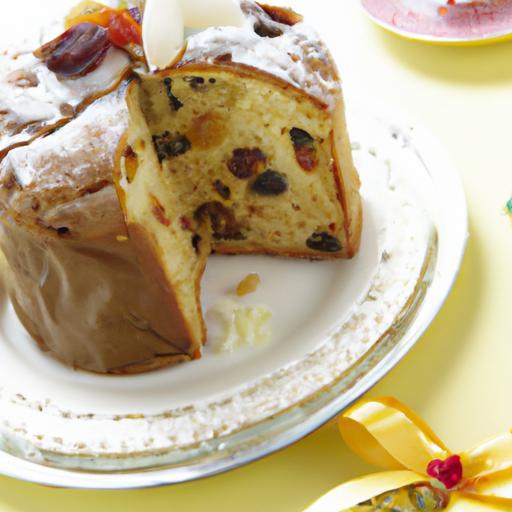

There’s a magical allure to Italian panettone – that towering, golden-hued bread bursting with candied fruits and a delicate aroma that feels like a warm embrace from an old-world kitchen. More than just a festive treat, mastering the art of this iconic Italian sweet bread is an invitation to connect with centuries of tradition, patience, and culinary passion. Whether you’re a seasoned baker or a curious novice, this delicious recipe will guide you step-by-step through the enchanting process of creating your very own panettone, turning humble ingredients into a masterpiece that delights both the eyes and the palate. Get ready to fill your home with the irresistible scent of holiday cheer and craft a loaf that’s as much a celebration as it is a dessert.
Master the Art of Italian Panettone: A Delicious Recipe
Master the Art of Italian Panettone: A Delicious Recipe brings you closer to capturing the very soul of this iconic holiday bread. Originating from Milan, this stunning dome-shaped cake is cherished for its delicate crumb, rich flavors, and festive character. From my first bite during a winter trip to Italy, I was captivated by its airy texture and sweet citrus aroma. With the right ingredients and precise techniques, your own homemade panettone will shine with authentic flavors that transport you straight to an Italian Christmas market.
Prep and Cook Time
- Preparation: 30 minutes
- Proofing and Rising: 16-18 hours (including overnight rises)
- Baking: 45 minutes
- Total Time: Approximately 18-19 hours
Yield
One classic panettone, approximately 8-10 servings
Difficulty Level
Advanced – patience and attention to detail are essential for perfect results
Ingredients
- 500g (4 cups) all-purpose flour, sifted
- 150g (3/4 cup) granulated sugar
- 120ml (1/2 cup) whole milk, warmed to 35-40°C (95-104°F)
- 4 large eggs, at room temperature
- 150g (2/3 cup) unsalted butter, softened
- 25g (2 tbsp) fresh yeast or 7g (2 1/4 tsp) active dry yeast
- 1 tsp salt
- Zest of 1 lemon and 1 orange, finely grated
- 200g (1 cup) mixed candied citrus peel, chopped
- 150g (1 cup) raisins, soaked in rum for 1 hour
- 1 tbsp vanilla extract
- Optional: 1 tbsp honey for a glossy crust
Instructions
- Activate the yeast: In a small bowl, dissolve fresh yeast in the warmed milk with a teaspoon of sugar. Let sit for 10 minutes until frothy.
- Mix the dough: In a large mixing bowl, combine the sifted flour, sugar, salt, and citrus zest. Add the yeast mixture, eggs, and vanilla extract. Using a stand mixer fitted with a dough hook, mix on low speed until the dough starts to come together.
- Knead in butter: Gradually add softened butter a few tablespoons at a time, mixing well after each addition. Knead for 15 minutes until the dough is smooth, elastic, and slightly sticky.
- First proof: Transfer dough to a lightly greased bowl, cover with plastic wrap, and let rise in a warm place for about 4 hours or until doubled in size.
- Incorporate fruits: Gently deflate the dough and fold in the drained raisins and chopped candied peel. Be careful not to over-knead to preserve the airy texture.
- Shape the panettone: Lightly flour your work surface. Shape the dough into a smooth ball, tucking edges underneath. Place it into a panettone paper mold or a tall round baking pan lined with parchment.
- Second proof: Cover loosely with a damp cloth and let rise for 8 to 10 hours or overnight, allowing the dough to nearly double again.
- Preheat and bake: Preheat oven to 180°C (350°F). Optional: For a shiny crust, brush the top with honey diluted in a teaspoon of warm water. Bake for 45 minutes. If it browns too quickly, tent with foil halfway through baking.
- Cool correctly: Remove panettone from the oven and immediately invert it upside-down by suspending it between two wooden spoons laid across the edges of a pot-this prevents collapse and keeps the light texture.
- Rest and serve: Allow to cool completely before slicing to reveal the delicate crumb studded with jewel-like candied fruits.
Tips for Success
- Use fresh, high-quality ingredients: Fresh eggs and butter impart the richest flavor and texture.
- Patience during proofing: Longer rise times develop deeper flavor and airy crumb.
- Maintain dough temperature: Aim to keep dough between 24-26°C during mixing and beginning rises for optimal yeast activity.
- Substitutions: Dried cranberries or chopped pistachios make exciting variations – toast nuts lightly for extra aroma.
- Make ahead: Panettone improves in flavor after 24 hours. Wrap tightly and store at room temperature.
Serving Suggestions
Present your panettone sliced thick with a dusting of powdered sugar and a drizzle of warm honey for a festive feel. Pair with a rich mascarpone cream or a velvety hot chocolate for indulgence. For brunch, slice and toast panettone to accompany whipped butter and seasonal preserves. Garnish plates with fresh berries and mint leaves to highlight the colorful candied fruits within.
| Nutrient | Per Serving (1 slice) |
|---|---|
| Calories | 320 kcal |
| Protein | 6g |
| Carbohydrates | 48g |
| Fat | 10g |
Explore detailed dough techniques | For yeast activation tips, consult King Arthur Baking’s official guide.

Q&A
Q&A: Master the Art of Italian Panettone: A Delicious Recipe
Q1: What makes panettone so special compared to other holiday breads?
A1: Panettone isn’t just a bread; it’s a fluffy, aromatic celebration wrapped in golden strands of history. Its unique tall, domed shape and tender crumb packed with fragrant candied fruits and raisins set it apart. The magic lies in its delicate balance of sweet richness and airy texture, achieved through a long, patient natural fermentation that’s part art, part science.
Q2: Why is mastering panettone baking considered an art?
A2: Because panettone demands both precision and passion. From nurturing the classic sourdough starter to gently folding in butter and fruit, every step requires patience and care. Achieving that iconic height and ethereal softness takes practice, understanding of dough fermentation, and a love for tradition-making it a deliciously rewarding craft.
Q3: What are the key ingredients that create authentic panettone flavor?
A3: The soul of panettone comes from a handful of star ingredients: high-quality flour, natural yeast or sourdough starter, rich butter, fresh eggs, sugar, fragrant citrus zest, vanilla, and an irresistible medley of dried fruits-think candied orange peel, lemon, and plump raisins. These harmonize to create that signature sweet, buttery, and aromatic profile.
Q4: How long does it typically take to make a traditional panettone?
A4: Patience is essential! Authentic panettone baking spans anywhere from 2 to 4 days. The extended process includes preparing the starter, multiple stages of dough rising, mixing in fruits gently, shaping, and the final slow bake. This slow rise allows deep flavors to develop and that wonderful fluffy texture to form.
Q5: Can panettone be baked at home by beginners, or is it too challenging?
A5: Absolutely-it’s a rewarding challenge! While the traditional method is involved, home bakers can master it with clear guidance and some practice. Starting with a simplified recipe or using commercial yeast can ease beginners in. The key is embracing the journey, watching the dough transform, and savoring your efforts with every slice.
Q6: Any tips for ensuring the perfect panettone rise and texture?
A6: Keep your dough warm but not hot-around 75°F (24°C) is ideal. Feed your starter regularly if using natural yeast. Fold the dough gently to preserve air bubbles, and don’t rush the rising phases. Also, bake the panettone in special paper molds to help it hold its iconic tall shape and to promote even cooking.
Q7: How should panettone be stored to stay fresh and delicious?
A7: After cooling completely, wrap your panettone tightly in plastic wrap or store it in an airtight container to lock in moisture. It keeps best at room temperature and is best enjoyed within a week. For longer storage, slice and freeze portions wrapped in foil and plastic-thaw gently for that just-baked flavor.
Q8: Any creative variations for panettone recipes?
A8: Once you’ve mastered the classic, the creative possibilities are endless! Try swapping dried fruits for chocolate chips, toasted nuts, or exotic candied ginger. Infuse with coffee or almond essence for new dimensions of flavor. You can even experiment with savory versions by adding herbs and cheeses for a festive twist.
Mastering panettone is more than baking-it’s embracing a timeless Italian tradition that fills your kitchen with warmth, flavor, and joy, one wonderful loaf at a time. Buon appetito!
In Conclusion
As you close the chapter on crafting your very own Italian panettone, remember that this sweet, airy loaf is more than just a dessert-it’s a celebration of tradition, patience, and the joy of sharing. With each bite, you’re not only tasting a delicious treat but also centuries of passion and artisanal mastery. So, armed with your newfound skills and this timeless recipe, may your kitchen be filled with the warm aromas of zest, fruit, and yeast, and your table with laughter and stories. Buon appetito-and may your panettone-making journey be as rich and rewarding as the loaf itself!