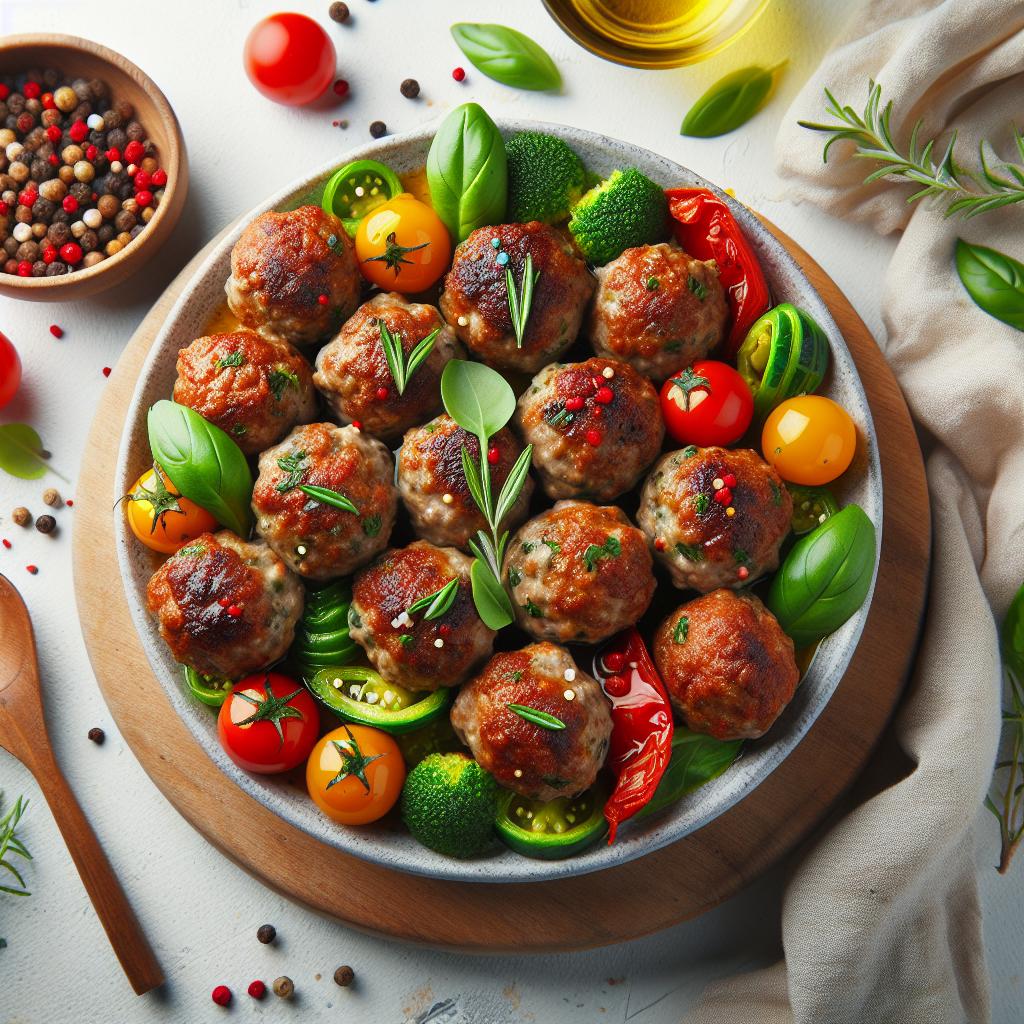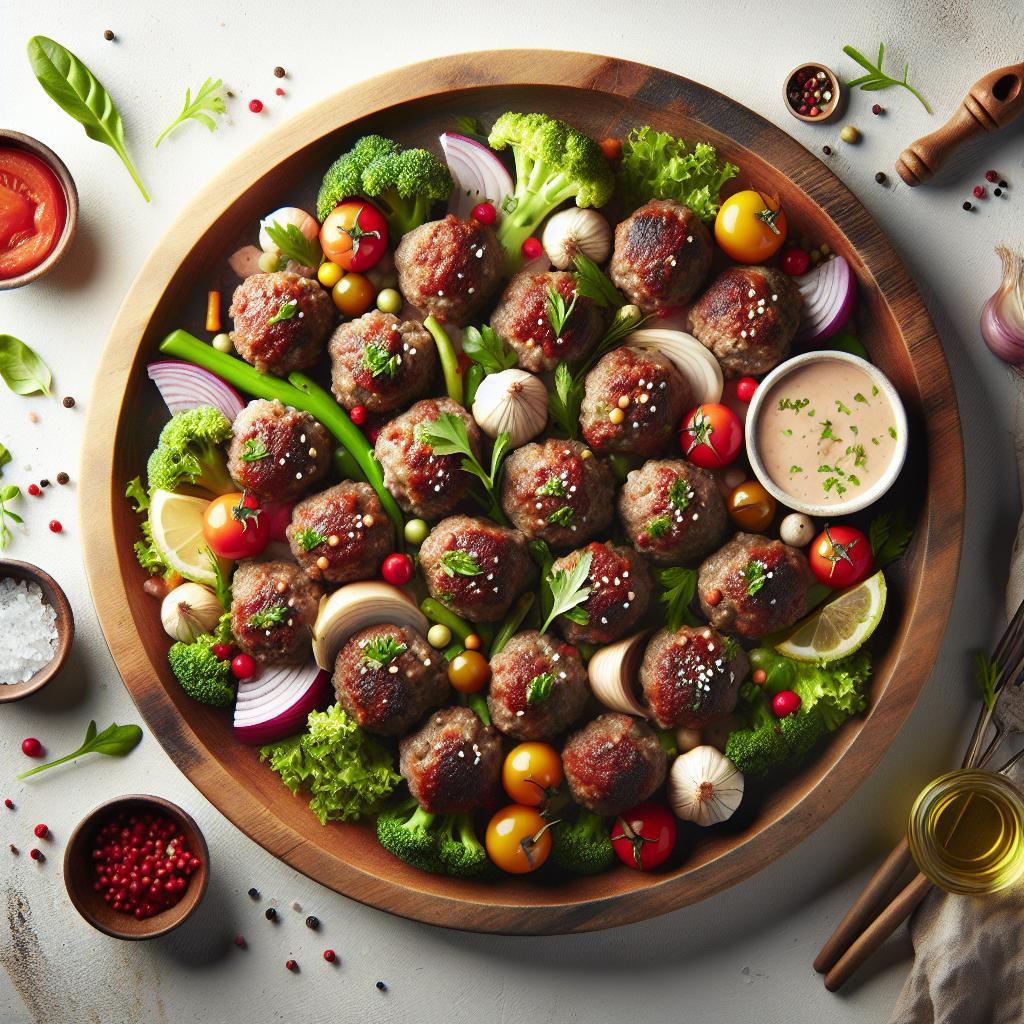

There’s something undeniably magical about a perfectly crafted meatball-each bite bursting with rich, savory juices that dance across your palate and transport you to comfort food heaven. Yet, achieving that tender, juicy texture at home can feel like a culinary quest filled with trial and error. Fear not, because in this ultimate guide to mastering juicy homemade meatballs, we’re diving deep into the art and science behind these bite-sized delights. From selecting the ideal meat blend to seasoning secrets and cooking techniques that lock in moisture, get ready to transform your kitchen into a meatball masterpiece workshop. Whether you’re a novice cook or a seasoned food enthusiast, this guide will equip you with everything you need to create succulent, flavorful meatballs that will steal the spotlight at any meal.
Choosing the Perfect Meat Blend for Flavor and Tenderness
Mastering juicy homemade meatballs starts with selecting the ideal meat blend. For meatballs that burst with rich flavor and melt-in-your-mouth tenderness, a combination of ground beef, pork, and sometimes veal is key. The beef provides a robust base, while pork adds moisture and fat-crucial for juiciness. Veal, with its delicate texture, rounds out the blend and elevates the overall mouthfeel. Aim for a blend with about 80% lean beef and 20% pork to ensure perfect balance. Avoid overly lean meats as they tend to dry out during cooking.
Mixing Techniques to Achieve Juiciness Every Time
How you mix the meat and seasonings significantly impacts your meatballs’ texture. Gently folding the ingredients instead of vigorously stirring keeps the meat tender and prevents a dense, tough outcome. Use your hands or a wide spoon and combine just until the mixture holds together. Incorporate moisture-boosting binders like soaked breadcrumbs or grated onion to enhance succulence. Be deliberate but light-overmixing causes a compact texture that lacks tenderness.
Seasoning Secrets That Elevate Your Meatballs
Don’t underestimate seasoning; it’s the heartbeat of your meatballs. Besides classic salt and pepper, layering flavors with garlic powder, fresh parsley, grated Parmesan cheese, and a touch of nutmeg creates complexity. Incorporate a splash of Worcestershire sauce or a dollop of Dijon mustard for an umami kick. Fresh herbs like thyme or oregano add aromatic freshness, while a pinch of red pepper flakes brings subtle heat. Remember to taste test a small cooked patty-adjust seasoning accordingly for impeccable flavor every batch.
Cooking Methods That Lock in Moisture and Enhance Taste
Choosing the right cooking method helps lock in moisture and intensify flavors. Pan-frying meatballs in a bit of olive oil over medium heat forms a beautifully caramelized crust, sealing in juices inside. Alternatively, finishing meatballs in a simmering tomato sauce allows them to soak up additional flavor while staying tender. Baking is also a great low-maintenance method, but brush or drizzle a little olive oil on them beforehand to prevent drying out. Regardless of method, avoid high heat that shrinks meatballs too quickly and expels moisture.
Prep and Cook Time
- Prep Time: 20 minutes
- Cook Time: 25 minutes
- Total Time: 45 minutes
Yield
- Serves 4-6 people (makes approximately 24 meatballs)
Difficulty Level
- Medium – Ideal for home cooks ready to master technique and seasoning balance
Ingredients
- 1 lb (450g) ground beef (80% lean)
- 1/2 lb (225g) ground pork
- 1/2 cup fresh breadcrumbs (soaked in 1/3 cup whole milk)
- 1/4 cup grated Parmesan cheese
- 1 large egg
- 1 small onion, finely grated
- 2 cloves garlic, minced
- 2 tbsp fresh parsley, chopped
- 1 tsp Worcestershire sauce
- 1 tsp Dijon mustard
- 1/2 tsp salt
- 1/4 tsp black pepper
- 1/4 tsp ground nutmeg
- Olive oil, for frying
Instructions
- Prep the binders: Soak breadcrumbs in milk for 5 minutes until fully absorbed.
- Mix the meat blend: In a large bowl, combine ground beef, ground pork, soaked breadcrumbs, Parmesan, grated onion, garlic, and parsley.
- Season and bind: Add egg, Worcestershire sauce, Dijon mustard, salt, pepper, and nutmeg. Use your hands to fold ingredients gently until just combined. Be careful not to overmix.
- Shape the meatballs: Roll the mixture into even balls, about 1½ inches in diameter, using lightly wet hands to prevent sticking.
- Cook the meatballs: Heat 2 tbsp olive oil in a large skillet over medium heat. Add meatballs, leaving space between each. Sauté until golden brown on all sides, about 8-10 minutes, turning carefully to brown evenly.
- Finish cooking: Either transfer browned meatballs to a simmering tomato sauce and cook covered for an additional 15 minutes, or finish baking in a preheated 350°F (175°C) oven for 15 minutes.
- Serve warm: Remove from sauce and serve immediately, garnished with extra parsley and grated Parmesan.
Tips for Success
- For a dairy-free version, substitute soaked breadcrumbs with oatmeal or crushed crackers.
- Test seasoning by frying a small patty before shaping all meatballs-adjust salt and spices as needed.
- Keep meatballs uniform in size to ensure even cooking.
- Make ahead: refrigerate formed meatballs overnight or freeze unfried, then bake or fry directly from frozen.
- Experiment with adding finely chopped mushrooms or grated zucchini for extra moisture and earthy notes.
Serving Suggestions
Serve these juicy meatballs atop a bed of al dente spaghetti, draped with rich marinara sauce, and a sprinkle of fresh basil leaves for a classic Italian feast. Alternatively, pile meatballs into toasted sandwich rolls and dollop with creamy ricotta for an indulgent meatball sub. Garnish with chopped parsley and extra Parmesan for vibrant color and flavor. Paired with a crisp green salad or garlic roasted veggies, this dish transforms weeknight dinners into memorable celebrations.

| Nutritional Info (per serving) | Calories | Protein | Carbs | Fat |
|---|---|---|---|---|
| Meatballs (4 pieces) | 350 kcal | 28 g | 10 g | 20 g |
For an in-depth dive into Italian meatball traditions and expert tips, check out this Saveur article. Also, explore our ultimate pasta sauces guide to pair perfectly with your homemade meatballs.
Q&A
Q&A: Mastering Juicy Homemade Meatballs – The Ultimate Guide
Q1: What’s the secret to making meatballs juicy and not dry?
A1: The juiciest meatballs come from a harmonious blend of ground meat with the right fat content-typically 80/20 ground beef or a mix of beef and pork. Adding moisture-rich ingredients like soaked breadcrumbs, milk, or grated onion helps retain juiciness. Don’t overwork the meat; gentle mixing keeps the texture tender.
Q2: Can I use different types of meat for my meatballs?
A2: Absolutely! Beef, pork, veal, chicken, turkey, or even lamb can shine in meatballs. Combining meats creates complex flavors and better texture-like the classic Italian blend of beef, pork, and veal. Just mind the fat content to keep them juicy.
Q3: How important is the size of the meatballs?
A3: Size matters for cooking time and texture. Smaller meatballs cook faster and are perfect in soups or on appetizers, while larger ones stay juicy inside and work well as main dishes. Uniform size ensures even cooking and a picture-perfect presentation.
Q4: What are the key binding agents in homemade meatballs?
A4: Bread crumbs and eggs are your trusty sidekicks. Bread crumbs soak up juices, creating a tender crumb inside, while eggs hold everything together without making the mixture dense. Some cooks also add grated Parmesan or ricotta for moisture and flavor.
Q5: Should I bake, pan-fry, or simmer my meatballs?
A5: Each method offers unique perks! Pan-frying gives a crispy, caramelized crust; baking is hands-off and healthy; simmering meatballs gently cooks them in sauce, soaking up flavors and staying supremely tender. Try a combination: sear first, then finish in sauce for the best of both worlds.
Q6: How can I add extra flavor to my meatballs?
A6: Fresh herbs like parsley, basil, and oregano create bright notes, while garlic, onion, and spices add depth. Don’t forget umami boosters like Worcestershire sauce, soy sauce, or grated cheese. Experiment with international twists-think cumin and coriander for a Middle Eastern flair or ginger and scallions for Asian-inspired bites.
Q7: Can I prepare meatballs ahead of time?
A7: Yes! Make them in bulk, freeze raw meatballs on a baking sheet, then store in airtight bags for up to three months. Cook them straight from frozen by simmering or baking. You can also fully cook and then freeze leftovers to reheat later-ideal for quick meals.
Q8: What’s the best sauce to serve with meatballs?
A8: The sky’s the limit! Classic marinara is a crowd-pleaser, but creamy mushroom sauce, spicy arrabbiata, tangy barbecue, or even sweet-and-sour glaze can transform your meatballs into a masterpiece. Choose a sauce that complements your flavor profile and occasion.
Q9: How do I avoid meatballs falling apart while cooking?
A9: Avoid over-mixing, which breaks down proteins and loosens the mixture. Use enough binders like eggs and breadcrumbs for structure, and handle the balls gently. Browning them first helps seal the edges, locking moisture and shape before finishing in sauce or oven.
Q10: Any tips for the ultimate homemade meatball experience?
A10: Yes! Taste your mixture before shaping-cook a small patty to check seasoning. Keep your meatballs uniform for even cooking. Don’t rush the resting step after cooking; it allows flavors to meld and juices to redistribute. And finally, savor every bite-you just mastered juicy homemade meatballs!
To Conclude
With your newfound mastery of juicy homemade meatballs, the kitchen transforms into a playground of flavors and textures. Each bite, tender and bursting with savory goodness, tells the story of patience, technique, and a love for authentic cooking. Whether nestled in spaghetti, stacked on a sub, or savored on their own, these meatballs are more than just a dish-they’re a culinary triumph you crafted from scratch. So roll up your sleeves, gather your ingredients, and let every meatball you make be a testament to the art of comfort food done right. Your journey to meatball perfection has only just begun.