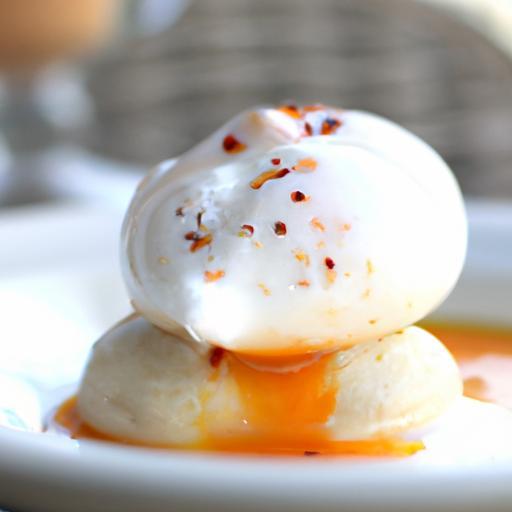

There’s something almost magical about a perfectly poached egg-the delicate, velvety white encasing a golden, oozy center that spills forth with the gentlest touch. While mastering this culinary art for one or two is already rewarding, the true challenge (and triumph) lies in doing it seamlessly for a crowd. Whether you’re hosting a brunch, catering an event, or simply impressing a hungry family, poaching eggs en masse can feel daunting. But fear not-in this guide, we’ll crack the code to effortless, flawless poached eggs every time, turning your next gathering into a brunch masterpiece without breaking a sweat. Get ready to elevate your kitchen skills and delight your guests with eggs so perfect, they’ll swear you’ve got a secret sous-chef hidden away.
Mastering Perfect Poached Eggs for a Crowd: it all begins with selecting the ideal eggs and ensuring their freshness. Fresh eggs are pivotal because their firmer whites cling tightly around the yolk, creating that silky, luscious shape so coveted in poached eggs. When eggs are older, the whites tend to spread and become wispy, leading to less elegant results. Opt for eggs with uncracked shells and a matte finish rather than shiny, which usually indicates freshness. A simple freshness test is to place eggs in a bowl of water-the freshest eggs sink, while older ones float due to air pockets.
The Art of Perfectly Simmered Water and Vinegar Balance
For flawless poached eggs, the water temperature is everything-think gentle simmer, not a rolling boil. The ideal temperature hovers around 180°F to 190°F (82°C to 88°C). Vigorous boiling can shred the tender whites. Adding a tablespoon of white vinegar per liter of water is essential; vinegar helps coagulate the egg whites quickly, preventing them from dissolving into the water. Keep the water just under a simmer with a slight ripple. Stirring the water creates a gentle whirlpool that encourages the egg whites to wrap smoothly around the yolk for that picture-perfect look.
Batch Poaching Techniques for Seamless Breakfast Service
When serving a crowd, timing and consistency are key. Use a deep, wide skillet or a heavy-bottomed pot large enough to accommodate multiple eggs without crowding. Crack each egg carefully into separate small ramekins; this step ensures no shell fragments or breaks. Add eggs one at a time into the simmering vinegar water, maintaining the whirlpool swirl for the first egg only to avoid disturbance. Poach eggs in batches of 3-4, gently removing them with a slotted spoon after 3 minutes for runny yolks, or 4-5 minutes for firmer results. Transfer immediately to an ice bath to halt cooking and keep texture uniform. To reheat, immerse briefly in hot water just before serving for seamless, stress-free breakfast service.
Creative Serving Ideas to Elevate Your Poached Egg Experience
Poached eggs shine not only through technique but in presentation. Try serving them atop toasted sourdough brushed with herbed butter, layered with sautéed spinach and smoked salmon for a luxurious twist. A drizzle of browned butter and a sprinkle of fresh herbs like chives or tarragon add dimension and visual appeal. For a brunch crowd, consider build-your-own benedicts with sauces ranging from classic hollandaise to tangy roasted red pepper coulis. Don’t forget a dash of freshly cracked pepper or a pinch of flaky sea salt to elevate the flavor profile. The poached egg’s delicate texture pairs beautifully with creamy avocado, crisp prosciutto, or roasted cherry tomatoes, creating a symphony of tastes and colors on your plate.
Prep and Cook Time
- Prep Time: 10 minutes
- Cook Time: 3-5 minutes per batch
Yield
- Serves 4-6 poached eggs (adjust based on batch size)
Difficulty Level
- Medium – requires attention to temperature and timing, but easy once practiced
Ingredients
- 6 large fresh eggs
- 4 cups water
- 3 tablespoons white vinegar
- Ice cubes (for ice bath)
- Pinch of flaky sea salt, for serving
- Optional garnishes: chopped chives, smoked paprika, fresh herbs
Instructions
- Fill a deep skillet or wide saucepan with water and bring to a gentle simmer over medium heat. Add white vinegar.
- Prepare an ice bath by filling a large bowl with cold water and ice cubes.
- Crack each egg individually into a small ramekin, ensuring no shell fragments are included.
- Create a gentle whirlpool in the water by stirring with a spoon, then carefully slide the first egg into the center of the swirl. Repeat for up to 3 eggs, gently spacing them apart.
- Poach eggs for 3 minutes for runny yolks or 4-5 minutes for firmer yolks, adjusting time as needed.
- Using a slotted spoon, lift each poached egg from the water and immediately plunge it into the ice bath to stop cooking, about 1 minute.
- Transfer eggs onto a paper towel-lined plate to drain excess water.
- To serve warm, briefly reheat eggs by dipping them back into the hot poaching water for 30 seconds.
Tips for Success
- Use the freshest eggs possible: They hold their shape better and prevent wispy whites.
- Maintain water temperature: Keep the water simmering gently just below boiling point.
- Batch method: Crack eggs into separate cups before poaching to ensure even cooking and easy transfer.
- Ice bath trick: Stops the cooking process and makes reheating easy without overcooking.
- Vinegar alternatives: If sensitive to vinegar taste, use less, but never skip completely (use a mild white wine vinegar).
Serving Suggestions
- Place poached eggs on toasted artisan bread topped with smashed avocado, a sprinkle of chili flakes, and microgreens.
- Enhance a savory bowl by layering with sautéed mushrooms, wilted kale, and a dollop of crème fraîche.
- Top crispy hash browns with poached eggs and drizzle with hollandaise sauce for a classic take.
- For a nutrient-rich option, serve atop quinoa salad with roasted vegetables and a sprinkle of toasted nuts.
| Nutrient | Per Egg (approx.) |
|---|---|
| Calories | 70 kcal |
| Protein | 6 g |
| Carbohydrates | 0.5 g |
| Fat | 5 g |
Discover how to make classic Hollandaise sauce here to complete your poached egg presentation. For further reading on the science behind poaching eggs, visit Serious Eats’ in-depth guide.

Q&A
Q&A: Mastering Perfect Poached Eggs for a Crowd: Effortless Tips
Q1: What’s the secret to poaching perfect eggs for a large group without turning your kitchen into chaos?
A: The key is preparation and a few clever tricks! Use fresh eggs for best shape and texture, and bring water to a gentle simmer rather than a rolling boil. Poach eggs in batches, adding a splash of vinegar to help the whites coagulate swiftly. Employ a large, shallow pan to give each egg plenty of space – and enlist a fine slotted spoon for delicate retrieval. Timing and patience can keep your kitchen calm and your eggs flawless.
Q2: How do I keep eggs warm and fresh-tasting while poaching on demand?
A: After poaching, gently transfer eggs into a bowl of warm water to keep them cozy without overcooking. For even easier service, you can use a sous-vide setup or keep them in a warm water bath (around 140°F/60°C). This method keeps them at near-perfect doneness until it’s time to plate.
Q3: Can I prepare poached eggs ahead of time for a brunch crowd?
A: Absolutely! Poach your eggs, then chill them quickly in an ice water bath to stop the cooking. Store them in the fridge, submerged in water, for up to 48 hours. When ready to serve, gently rewarm in simmering water for about a minute to bring back that melt-in-your-mouth texture.
Q4: Should I use vinegar or salt in the poaching water?
A: Vinegar is your best friend here – it helps the egg whites set faster and keep a neat shape. Just a teaspoon per liter of water is enough and won’t impart any noticeable flavor. Salt, on the other hand, can cause whites to disperse; it’s better added afterward for seasoning.
Q5: What’s an easy way to handle delicate eggs without breaking the yolks?
A: Cracking the eggs into small individual cups before sliding them gently into the simmering water minimizes breakage and gives you better control. Use a spoon to gently nudge the whites around the yolk during cooking, ensuring an evenly shaped poached egg.
Q6: Any tips to speed up poaching multiple eggs simultaneously?
A: Try using an egg poaching rack or silicone poaching cups placed inside your pan-these handy tools keep eggs separate and reduce cooking time per batch. Also, maintaining consistent water temperature and adding eggs in quick succession streamlines the process with minimal fuss.
Q7: How do I plate poached eggs for maximum crowd-pleasing effect?
A: Presentation is half the magic! Place each egg on toasted artisan bread, atop wilted greens or a bed of savory grits. Sprinkle freshly cracked black pepper, flaky sea salt, and a drizzle of herb-infused olive oil or hollandaise sauce. Bright microgreens or chives add a final flourish that tells your guests this isn’t just breakfast – it’s an experience.
With these effortless tips, turning out perfect poached eggs for a crowd becomes less of a culinary challenge and more of a delicious delight!
In Retrospect
Mastering the art of poaching eggs for a crowd might seem daunting, but with these effortless tips in your culinary toolkit, you’re well on your way to brunch brilliance. From prepping the water just right to timing your eggs to tender perfection, each step transforms a simple egg into an elegant centerpiece. So go ahead-gather your guests, embrace the gentle swirl, and serve up plates that celebrate both flavor and finesse. Perfect poached eggs aren’t just a skill; they’re a delicious way to bring people together, one silky bite at a time.