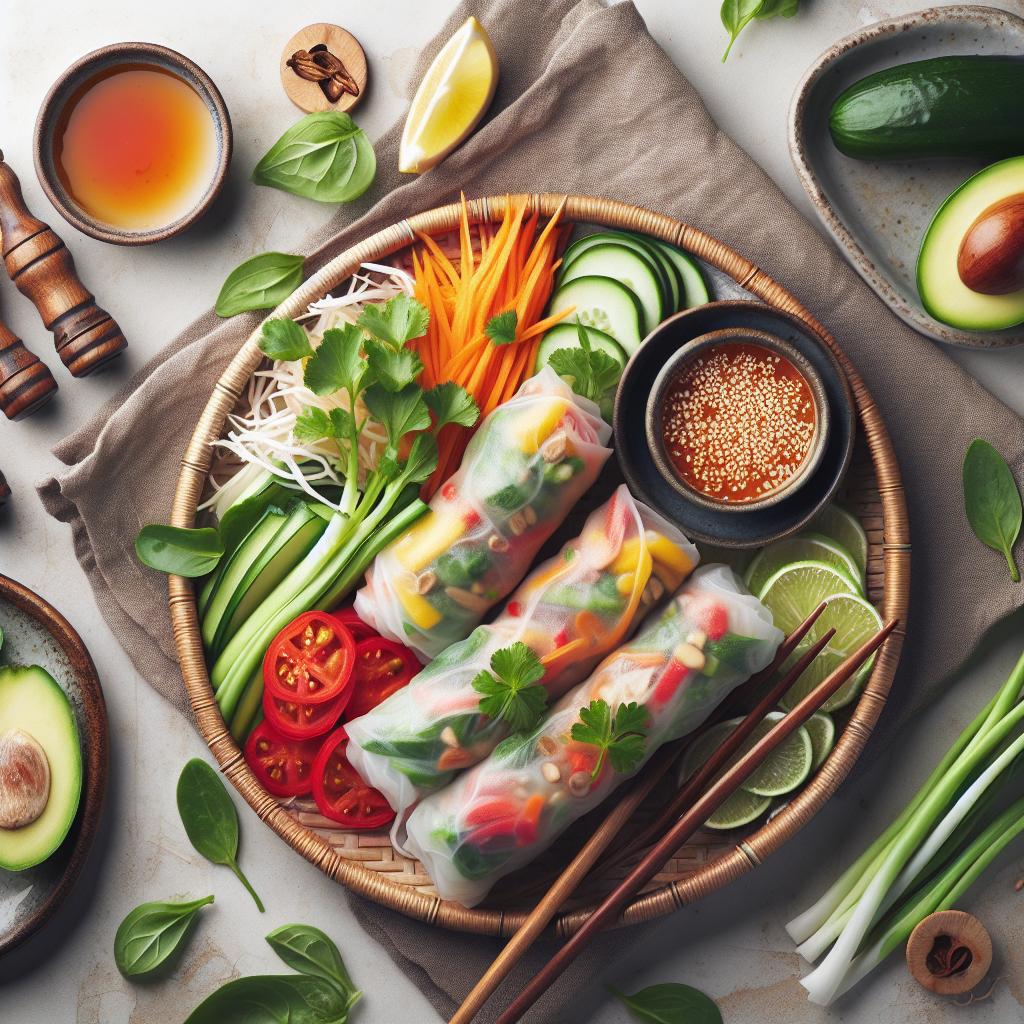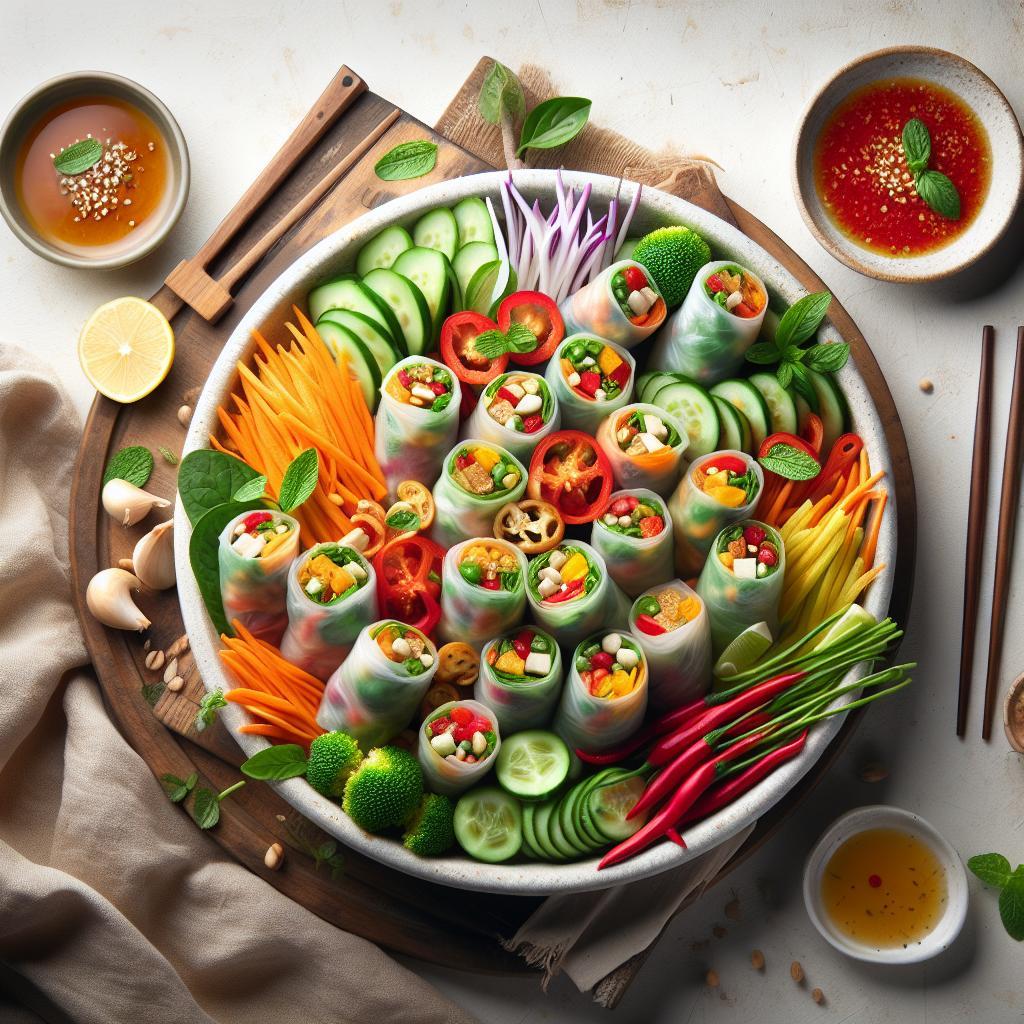

There’s something magical about the moment when a perfectly wrapped Vietnamese spring roll meets its dipping sauce-a flavor fusion that turns a simple bite into an unforgettable experience. Mastering the art of Vietnamese spring roll sauce is more than just following a recipe; it’s unlocking the secret handshake to a culinary tradition that balances sweet, sour, salty, and umami in every drop. Whether you’re a seasoned foodie or a kitchen novice, understanding the essential recipe for this iconic sauce will elevate your spring rolls from delightful to divine. Join us as we dive into the heart of Vietnamese flavors and uncover the simple yet essential sauce that completes one of the world’s most beloved appetizers.
Mastering Vietnamese Spring Roll Sauce begins with understanding the delicate dance between sweetness and tang that breathes life into every bite of these fresh, vibrant rolls. This sauce is not just a condiment but an essential companion that captures the essence of Vietnam’s culinary soul. Whether you’re dipping crisp herbs and shrimp or crunchy vegetables wrapped in rice paper, this sauce’s balance, texture, and aroma elevate the entire experience, making it unforgettable.
Prep and Cook Time
- Preparation: 10 minutes
- Cook Time: 5 minutes
- Total Time: 15 minutes
Yield
Approximately 1 cup of spring roll dipping sauce (serves 4-6)
Difficulty Level
Easy – Perfect for beginners and seasoned cooks alike
Ingredients
- 1/4 cup fish sauce (preferably Vietnamese style for authenticity)
- 1/4 cup warm water
- 2 tablespoons fresh lime juice (about 1 lime)
- 2 tablespoons palm sugar (or light brown sugar)
- 1 clove garlic, finely minced
- 1 small bird’s eye chili, thinly sliced (adjust for heat preference)
- 2 tablespoons shredded carrot (optional, for texture and color)
Instructions
- Dissolve the sugar: In a small bowl, combine warm water and palm sugar. Stir until fully dissolved to create a smooth sweet base. This step ensures the sauce’s sweetness is evenly distributed, avoiding graininess.
- Add the savory foundation: Pour in the fish sauce and gently mix. The salty umami from the fish sauce is the backbone of the dipping sauce, balancing the sweetness and tang.
- Brighten with acidity: Add freshly squeezed lime juice. The sharp citrus cut lifts the overall flavor, providing the tang that complements the raw freshness of spring rolls perfectly.
- Infuse aromatics: Stir in the finely minced garlic and sliced bird’s eye chili. These elevate the sauce with a subtle heat and pungent aroma that tingles the palate.
- Enhance with texture: Gently fold in shredded carrots which add bursts of color and a pleasant crunch, making your spring roll dipping experience more dynamic.
- Adjust consistency: If the sauce feels too concentrated, add a teaspoon of warm water at a time until desired consistency is reached. The ideal texture is fluid enough to coat each bite but thick enough to cling.
- Rest and meld flavors: Allow the sauce to sit at room temperature for at least 5 minutes before serving. This step lets the flavors harmonize beautifully.
Tips for Success
- Customize sweetness: Use palm sugar for authenticity, but substitute with honey or maple syrup for natural sweetness alternatives.
- Fish sauce brand matters: Brands like Red Boat offer a cleaner, less fishy aroma, ideal for beginners.
- Chili adjustments: Bird’s eye chilies pack a punch; substitute with jalapeño or omit if sensitive to heat.
- Make-ahead: Sauce can be refrigerated up to 3 days. Bring to room temperature before serving for best flavor.
- Acidity tweaks: Balance lime juice with a splash of rice vinegar for a nuanced tang that adds complexity.
- Consistent stirring: Keep stirring while dissolving sugar to avoid grainy texture.
Serving Suggestions
Serve this vibrant dipping sauce alongside fresh Vietnamese spring rolls filled with herbs, shrimp, vermicelli, and crisp vegetables. Garnish the sauce bowl with a few additional chili slices and shredded carrots for a beautiful, inviting presentation. You can also drizzle a little sauce over the rolls for a subtle glaze or offer it as a refreshing drizzle over Asian noodle salads. Pair with iced jasmine tea or a crisp white wine to complement the sweet-tangy profile.
| Nutrition | Per 2 tbsp Serving |
|---|---|
| Calories | 25 kcal |
| Protein | 1 g |
| Carbohydrates | 5 g |
| Fat | 0 g |

Discover more authentic Vietnamese recipes like Vietnamese Pho for a culinary journey that brings Vietnam’s rich flavors to your table.
Q&A
Q: What makes Vietnamese spring roll sauce so special?
A: Vietnamese spring roll sauce, often called nước chấm, is a harmonious blend of sweet, sour, salty, and umami flavors. It’s the perfect dance partner for the fresh, crisp textures of spring rolls, elevating every bite with a burst of vibrant taste that’s both refreshing and deeply satisfying.
Q: What are the essential ingredients for authentic spring roll sauce?
A: The magic usually starts with fish sauce, which brings that unmistakable savory depth. Then add freshly squeezed lime juice for brightness, a touch of sugar to balance, minced garlic and chili for a little kick, and water to mellow and blend. Some recipes also sneak in shredded carrot for texture and color.
Q: Can I make a vegetarian version of this sauce?
A: Absolutely! Swap out fish sauce for a rich soy sauce or a mushroom-based vegetarian fish sauce alternative. The key is maintaining the balance of salty, sweet, and tangy elements, so add lime, sugar, garlic, and chili as you would in the traditional version.
Q: How do you achieve the perfect balance of flavors?
A: Taste as you go! Start with a smaller amount of each ingredient, then adjust. If it’s too salty, add a squeeze of lime or a bit more water. Too sour? A pinch more sugar will smooth it out. The goal is a harmony that complements without overpowering the spring rolls.
Q: How should the sauce be served and stored?
A: Serve it fresh and chilled alongside your spring rolls for optimal zing. If you make extra, store it in an airtight container in the fridge for up to a week. Give it a gentle stir before serving, as some ingredients may settle or separate.
Q: Can this sauce be used beyond spring rolls?
A: Definitely! It’s a versatile dipping sauce for grilled meats, seafood, or even as a light salad dressing. Its vibrant, balanced flavor makes it a wonderful all-purpose enhancer for many Vietnamese dishes.
Q: Any pro tips for mastering this sauce?
A: Use fresh lime juice and good-quality fish sauce-they’re the backbone of flavor. Also, finely mince the garlic and chili to ensure the flavors meld smoothly. Finally, let the sauce rest for at least 15 minutes before serving so the flavors marry beautifully.
Mastering Vietnamese spring roll sauce opens a gateway to authentic and delightful culinary experiences. Once you’ve nailed this essential recipe, you’ll wonder how you ever enjoyed spring rolls without it!
Key Takeaways
As you’ve discovered, mastering the perfect Vietnamese spring roll sauce is not just about mixing ingredients-it’s about capturing the vibrant harmony that elevates every bite into a celebration of flavors. With this essential recipe in your culinary toolkit, you’re now equipped to transform simple rolls into unforgettable experiences, where sweet, salty, tangy, and umami notes dance in delicious balance. So next time you gather around the table, let this sauce be your secret ingredient, bridging tradition and taste, and turning every spring roll into a masterpiece of Vietnamese cuisine. Happy dipping!