
There’s a secret to unlocking the juiciest, most flavorful chicken that goes beyond seasoning and cooking technique-it lies in the art of marination. But how long should you let your chicken soak in those vibrant, savory flavors? Marinating for too little time might leave your dish bland and underwhelming; too long, and the texture can turn mushy or off-putting. In this guide, we’ll explore the perfect timing to marinate chicken, balancing science and culinary creativity, so every bite bursts with deliciousness. Whether you’re prepping a quick weeknight dinner or a weekend feast, understanding the magic clock behind marination will elevate your cooking from good to unforgettable.
Perfect Timing: How Long to Marinate Chicken for Flavor is essential to unlocking a juicy and intensely flavorful dish that delights the senses. Marinating is both an art and science – a delicate balance of chemistry and patience that transforms simple chicken into a culinary masterpiece bursting with layers of taste. The secret lies in selecting the right ingredients and allowing enough time for your chicken to absorb every note without overwhelming its natural succulence.
Prep and Cook Time
- Preparation: 10 minutes
- Marinating: 30 minutes to 24 hours (varies by cut)
- Cooking: 15 to 25 minutes
- Total Time: 55 minutes to 1 day 35 minutes
Yield
Serves 4 people
Difficulty Level
Easy to Medium
Choosing the Right Marinade Ingredients for Maximum Taste
At the heart of every great marinade is a harmonious blend of acid, oil, and seasonings. The acid – think lemon juice, vinegar, or yogurt – tenderizes the chicken by breaking down protein fibers, while the oil locks in moisture and helps transport fat-soluble flavors deep into the meat. Add aromatics like garlic, fresh herbs, or spices for an irresistible sensory experience.
For a bright and zesty profile, try a marinade combining 1/4 cup fresh lemon juice, 1/3 cup olive oil, 3 minced garlic cloves, fresh thyme, and a pinch of smoked paprika. This combination penetrates well and enhances natural chicken flavors without making it mushy.
Optimal Marinating Times for Different Cuts of Chicken
Perfect Timing: How Long to Marinate Chicken for Flavor is all about respecting the texture of each cut. Here’s a quick guide:
- Chicken breasts: 30 minutes to 2 hours. Thin, lean breasts are quick to absorb flavors but marinate too long and they become chalky.
- Thighs and drumsticks: 4 to 12 hours. Dark meat is more forgiving and benefits from longer marination, intensifying its rich taste.
- Whole chicken: 12 to 24 hours. Allows deep penetration; ideal when combined with slow roasting or grilling.
Tips for Safe and Effective Marinating Practices
Marinating safety is just as vital as flavor. Always marinate chicken in the refrigerator to inhibit bacterial growth. Use non-reactive containers like glass or food-safe plastic bags to avoid metallic tastes. Discard used marinade that has touched raw chicken or boil it thoroughly before using as a sauce.
For best results, ensure chicken pieces are evenly coated and gently massaged into the marinade to encourage absorption. Turning meat once or twice during marination helps achieve uniform flavor distribution. Pat your chicken dry before cooking to get that perfect golden crust without steaming.
Ingredients
- 4 boneless, skinless chicken breasts
- 1/4 cup fresh lemon juice
- 1/3 cup extra virgin olive oil
- 3 cloves garlic, minced
- 1 tablespoon fresh thyme leaves
- 1 teaspoon smoked paprika
- 1 teaspoon salt
- 1/2 teaspoon freshly ground black pepper
Instructions
- Combine all marinade ingredients (lemon juice, olive oil, garlic, thyme, paprika, salt, and pepper) in a medium bowl and whisk until well blended.
- Place chicken breasts in a resealable plastic bag or glass container. Pour marinade over chicken, ensuring each piece is fully covered.
- Seal the bag or cover the container and refrigerate for 30 minutes to 2 hours, flipping the bag or turning the chicken halfway through for even marination.
- Remove chicken from marinade and pat dry lightly with paper towels to remove excess liquid, which helps browning.
- Preheat a grill or skillet over medium-high heat. Cook chicken for 5-7 minutes on each side until golden brown and internal temperature reaches 165°F (74°C).
- Transfer chicken to a plate and let rest for 5 minutes to redistribute juices before serving.
Chef’s Notes
- Consider substituting lemon juice with apple cider vinegar or yogurt for different tenderizing effects.
- Marinating longer than suggested may result in mushy texture due to over-acidification, especially with lean cuts.
- Leftover marinade can be boiled and reduced for a flavorful sauce.
- To save time, marinate the chicken overnight but reduce lemon juice to 2 tablespoons to protect texture.
Serving Suggestions
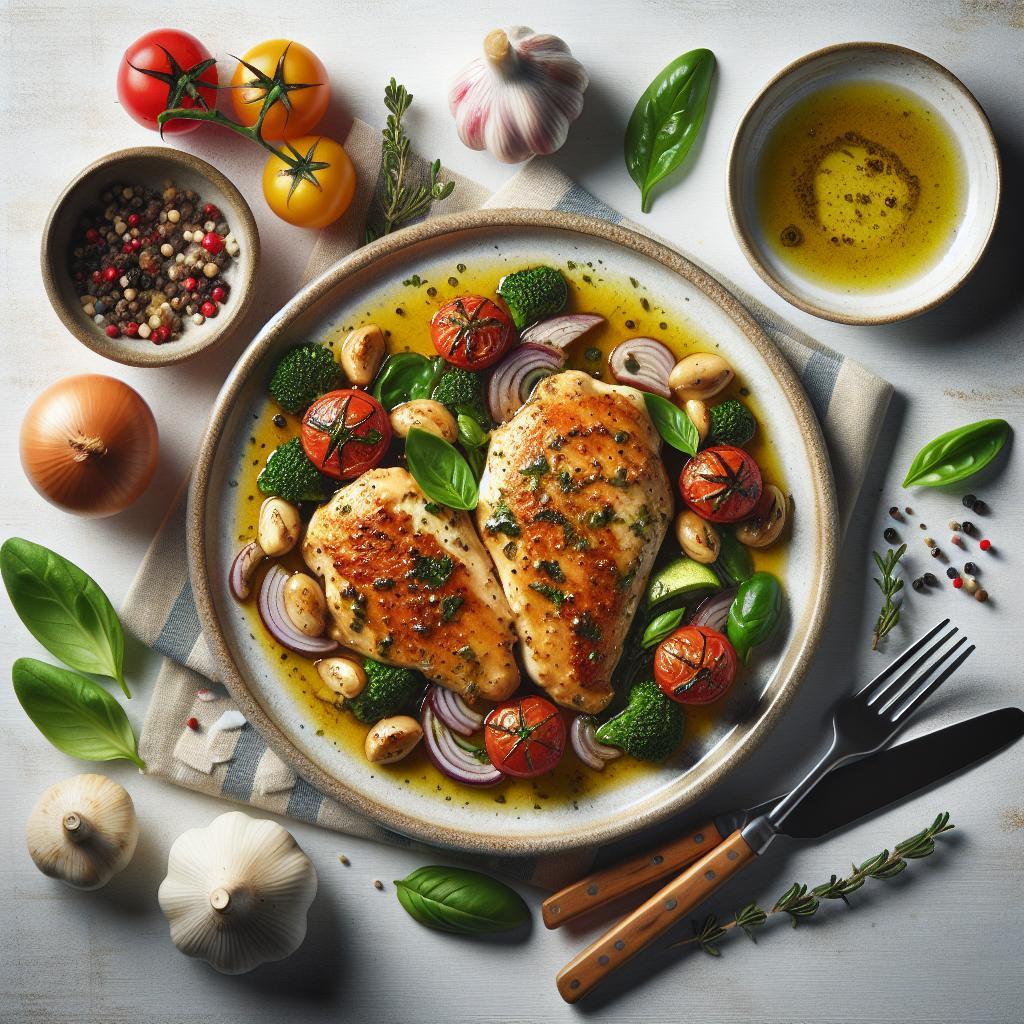
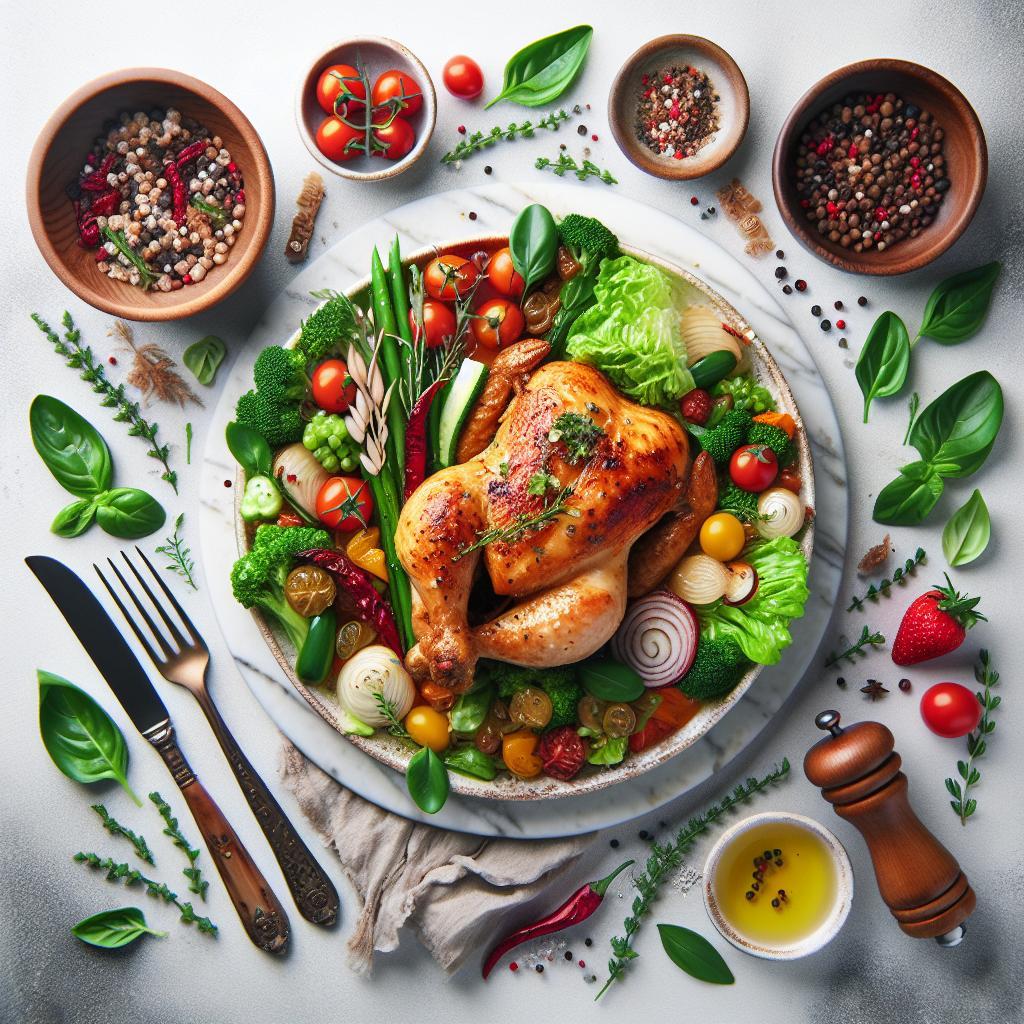
Serve your perfectly marinated chicken atop a bed of fluffy couscous or alongside roasted seasonal vegetables like asparagus and cherry tomatoes. Garnish with fresh thyme sprigs and a lemon wedge for visual appeal and a refreshing zest. A drizzle of extra virgin olive oil and a sprinkle of flaky sea salt enhance the bright, fresh flavors.

| Nutrient | Amount per Serving |
|---|---|
| Calories | 280 kcal |
| Protein | 35 g |
| Carbohydrates | 2 g |
| Fat | 13 g |
For further insights on enhancing chicken recipes, check our Ultimate Chicken Grilling Guide. For detailed scientific background on marinating proteins, the ScienceDaily article on meat marination offers an excellent overview.
Q&A
Q&A: Perfect Timing – How Long to Marinate Chicken for Flavor
Q1: Why is marinating chicken important?
A1: Marinating isn’t just about flavor-it’s about transforming texture and juiciness. A good marinade infuses layers of taste while gently tenderizing the meat, making every bite memorable.
Q2: What’s the ideal marinating time for chicken?
A2: It depends on the cut! For delicate pieces like chicken breasts or tenders, 30 minutes to 2 hours is a sweet spot. Dark meat like thighs or drumsticks love a longer soak-anywhere from 4 to 12 hours-letting bold flavors seep deep without turning mushy. For whole chickens, overnight (around 12 to 24 hours) works wonders.
Q3: Can I marinate chicken too long?
A3: Absolutely! Over-marinating, especially in acidic mixes (think lemon juice or vinegar), can break down proteins excessively, leading to a mushy, less appealing texture. As a rule of thumb, avoid going beyond 24 hours.
Q4: How does the type of marinade affect timing?
A4: Acidic marinades (vinegar, citrus) work faster but can overpower the meat if left too long. Yogurt or buttermilk-based marinades tenderize steadily and permit longer marinating times. Oil-based marinades generally infuse flavor slower, so they’re kinder to extended soaking.
Q5: What’s the best method to marinate chicken?
A5: Use a non-reactive container-glass, ceramic, or food-safe plastic. Seal tightly and refrigerate. For even flavor distribution, occasionally turn or stir the chicken during marinating.
Q6: Can I marinate chicken at room temperature?
A6: It’s safer to marinate in the refrigerator to prevent harmful bacteria growth. Patience is key when flavor and food safety go hand in hand.
Q7: Do I need to discard leftover marinade?
A7: If you’ve soaked raw chicken, yes! The leftover marinade is contaminated. Boil it if you want to use it as a sauce, or simply discard for safety.
Q8: What if I’m short on time?
A8: No worries! Even 15-30 minutes soaking in a flavorful marinade adds zest. Pounding chicken thinly before marinating speeds up flavor absorption.
Q9: How can I tell if my chicken is perfectly marinated?
A9: Look for a subtle change in color and a fragrant aroma. The chicken should feel slightly tender but firm, not mushy or rubbery. Taste after cooking is the ultimate test-juicy, flavorful, and satisfying.
Q10: Can marinating replace seasoning?
A10: Marinating complements seasoning but doesn’t always replace it. For that final touch, a sprinkle of salt, pepper, or herbs right before cooking can elevate your dish from tasty to unforgettable.
With these timing tips, your chicken will step up from ordinary to extraordinary-because great flavor waits for no one, but it certainly rewards the patient.
Key Takeaways
In the delicate dance of flavors, timing is everything. Marinating chicken isn’t just a step-it’s an art form, where patience transforms simple ingredients into a symphony of taste. Whether you opt for a brisk 30-minute soak or an overnight infusion, understanding the perfect marinating window ensures your chicken emerges juicy, tender, and bursting with flavor. So next time you prepare to marinate, remember: it’s not just about how long, but how well you let those flavors mingle. Master the timing, and every bite will tell a story worth savoring.